
Date of Event: 26–27 March 2025
Event: Global Anti-Scam Summit London 2025
Date of Event: 26–27 March 2025
Event: Global Anti-Scam Summit London 2025
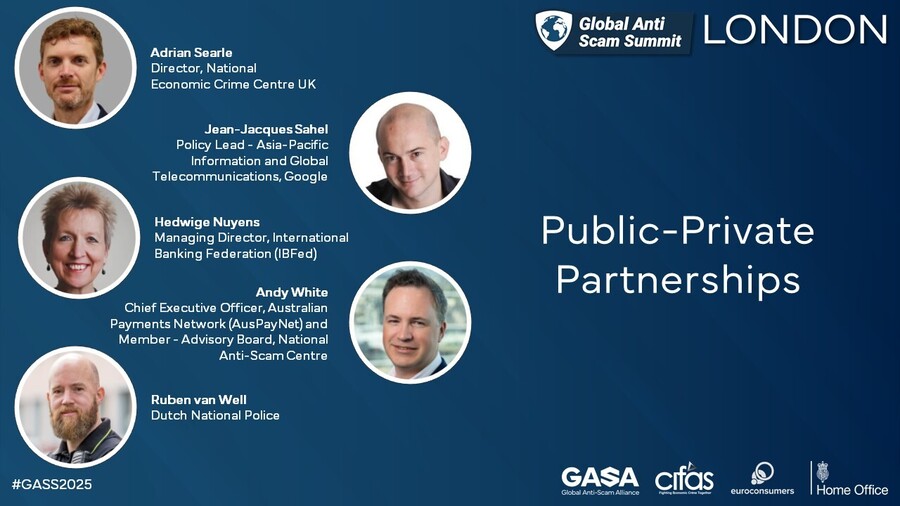
This panel discussion focused on the growing role of public-private partnerships in combatting scams and financial fraud. As scams become more sophisticated and borderless, collaboration across sectors has become essential to drive prevention, disruption, and victim support.
Adrian Searle of the UK’s National Economic Crime Centre shared insights from a decade of partnership models, including the joint money laundering intelligence taskforce and tactical intelligence exchange between law enforcement and banks. The UK is now broadening this model to include the telco and tech sectors to address emerging scam techniques such as SIM diversion and fraud-as-a-service.
Jean-Jacques Sahel from Google explained how the company integrates scam protection into its products while also leveraging trusted flagger networks, collaborative takedown systems, and multi-party initiatives like the Global Signal Exchange. He stressed the importance of scaling awareness and joint investigations through trust-based engagement with public authorities.
Representing the banking industry, Hedwige Nuyens of the IBFed emphasised the sector’s preference for ecosystem-wide cooperation over additional regulation. She noted that banks cannot tackle scams alone and must coordinate with cloud providers, fintechs, telcos, and social media platforms to avoid displacement of fraud into less regulated channels.
Ruben van Well of the Dutch National Police highlighted operational innovations such as the “no more leaks” initiative, which allows companies to check if user credentials have appeared in seized criminal data. He called for more creative collaboration, such as sharing modus operandi with financial services to enable real-time scam prevention.
Andy White from the Australian Payments Network described the national anti-scam centre model, which has contributed to a 36% reduction in scam losses over two years. Fusion cells, takedown coordination, and proactive policy frameworks have enabled multi-sector responses at scale, supported by recently passed scam prevention legislation.
Speakers agreed that while national initiatives are crucial, scalable international cooperation is now needed. The panel called for greater harmonisation of models, shared enforcement mechanisms, and smarter integration of victim tools and public reporting systems.


BanCoppel joins the Global Anti-Scam Alliance to bolster fraud prevention and safeguard individuals entering the banking system.
BanCoppel has joined the Global Anti-Scam Alliance (GASA) as a Corporate Member of the GASA Mexico Chapter.
The emotions scammers exploit: how social engineering influences our decisions
How scammers use fear, urgency, excitement and trust to influence decisions, and how recognising these tactics can help people prevent fraud.

Global Anti-Scam Alliance Welcomes Mastercard as Founding Member of Its Mexico Chapter
The Global Anti-Scam Alliance (GASA) announces the membership of Mastercard as a Member of its Mexico Chapter.
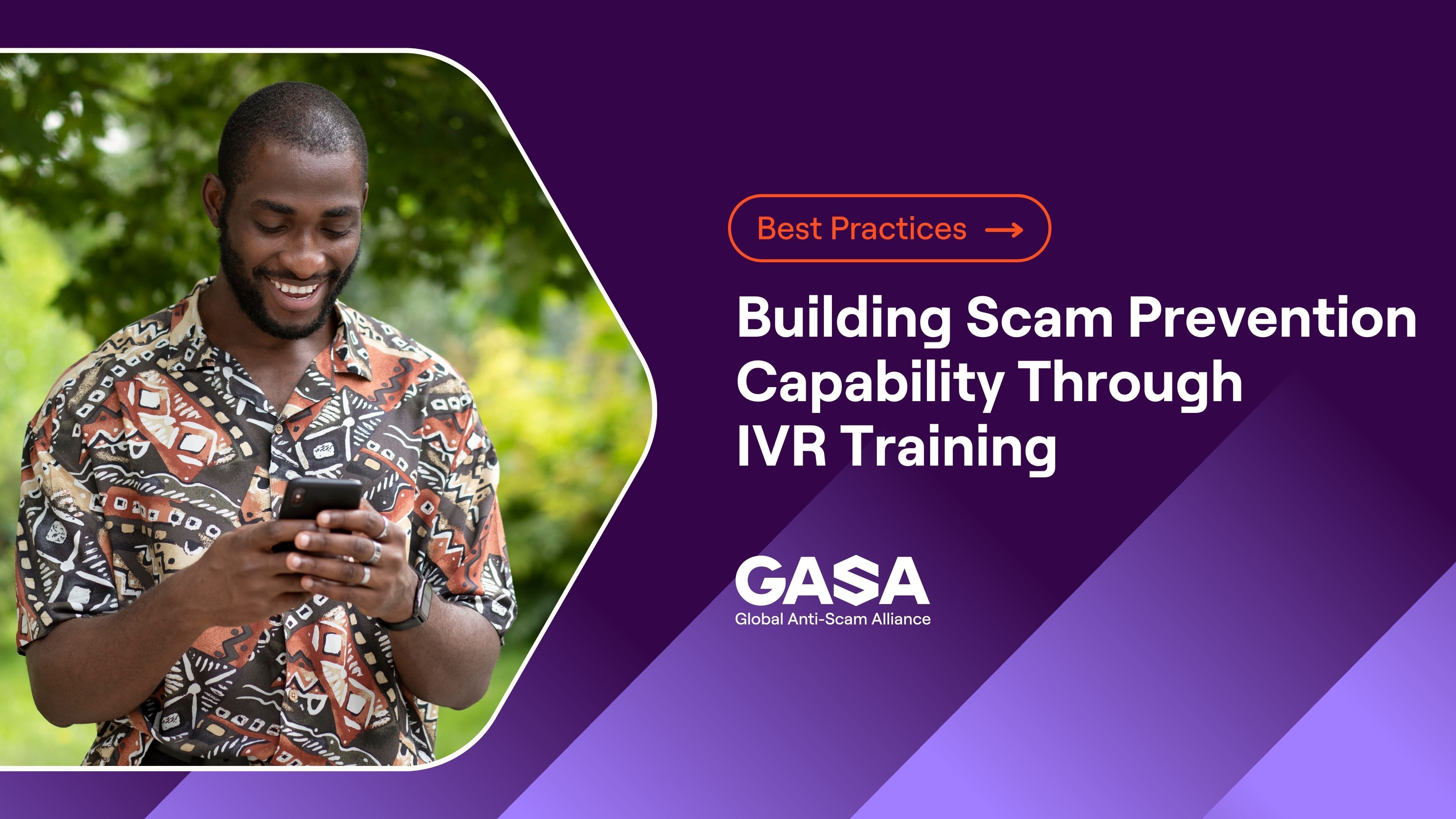
What Uganda’s IVR Trial Shows About Practice-Based Scam Prevention
A Uganda IVR trial shows how practice-based fraud prevention helped mobile money users reduce losses and increase reporting.
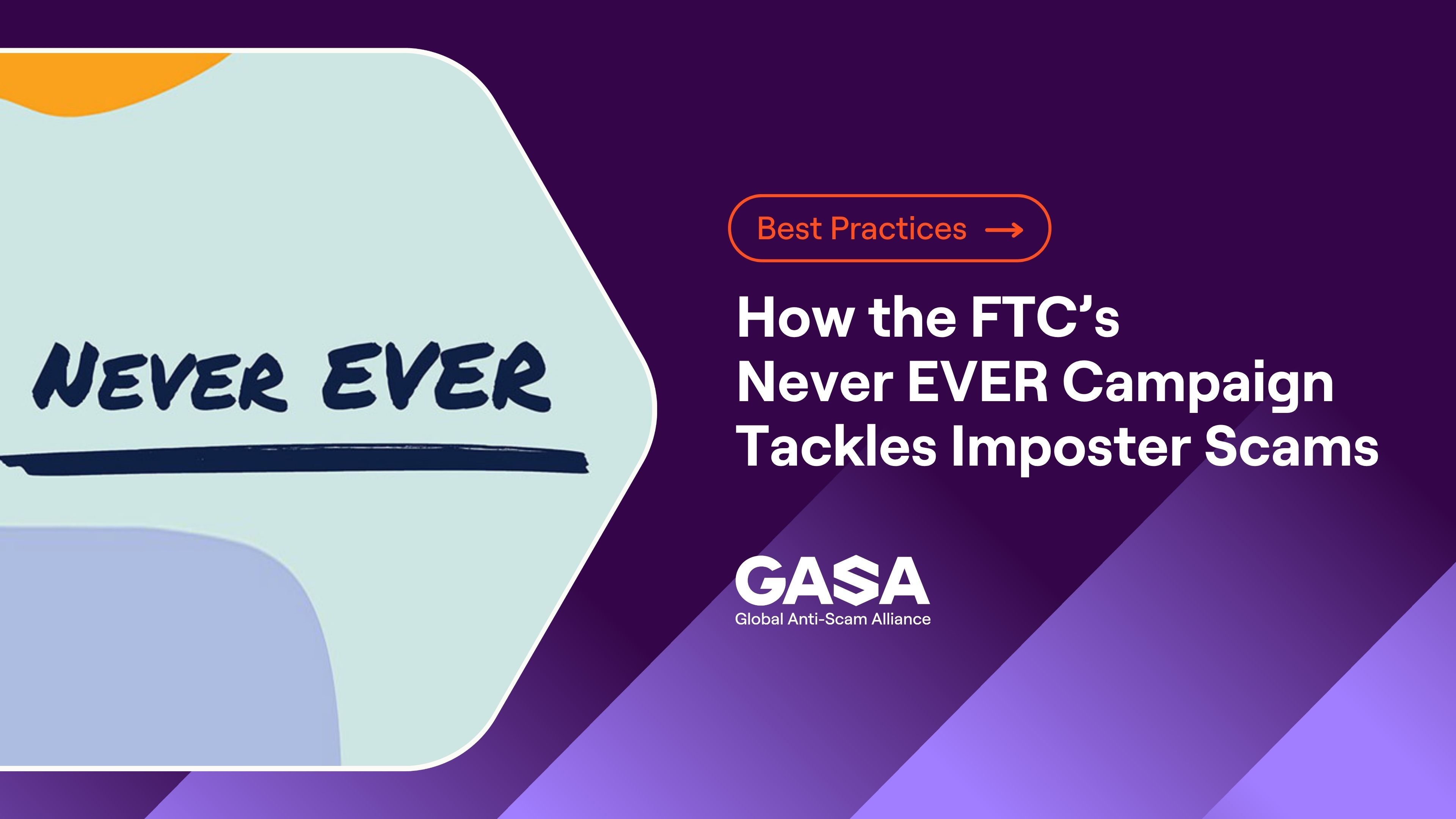
FTC’s Never EVER Campaign Helps Prevent Elder Financial Abuse With Simple, Specific Scam Warnings
The FTC’s Never EVER campaign uses simple, specific imposter scam warnings to help prevent elder financial abuse and support coordinated consumer education.
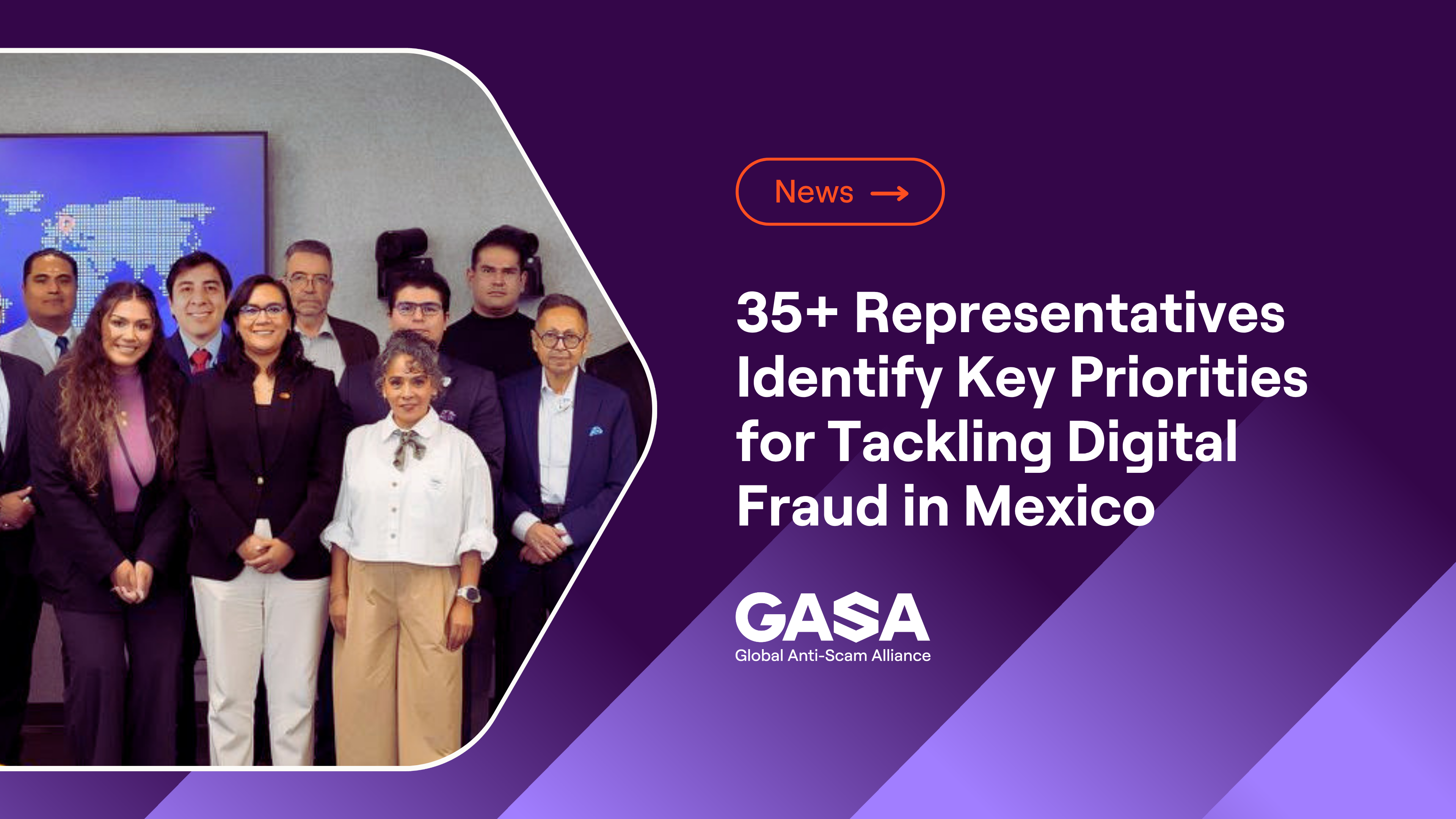
GASA Mexico's Second Roundtable Advances Coordinated Action Against Digital Fraud
GASA Mexico's second roundtable brought together more than 35 representatives to strengthen coordination across cybersecurity, fraud prevention and other sectors.

Cognyte Joins Global Anti-Scam Alliance to Fight Financial Fraud Threats
Cognyte, a global leader in investigative analytics software, today announced its membership in the Global Anti-Scam Alliance (GASA).
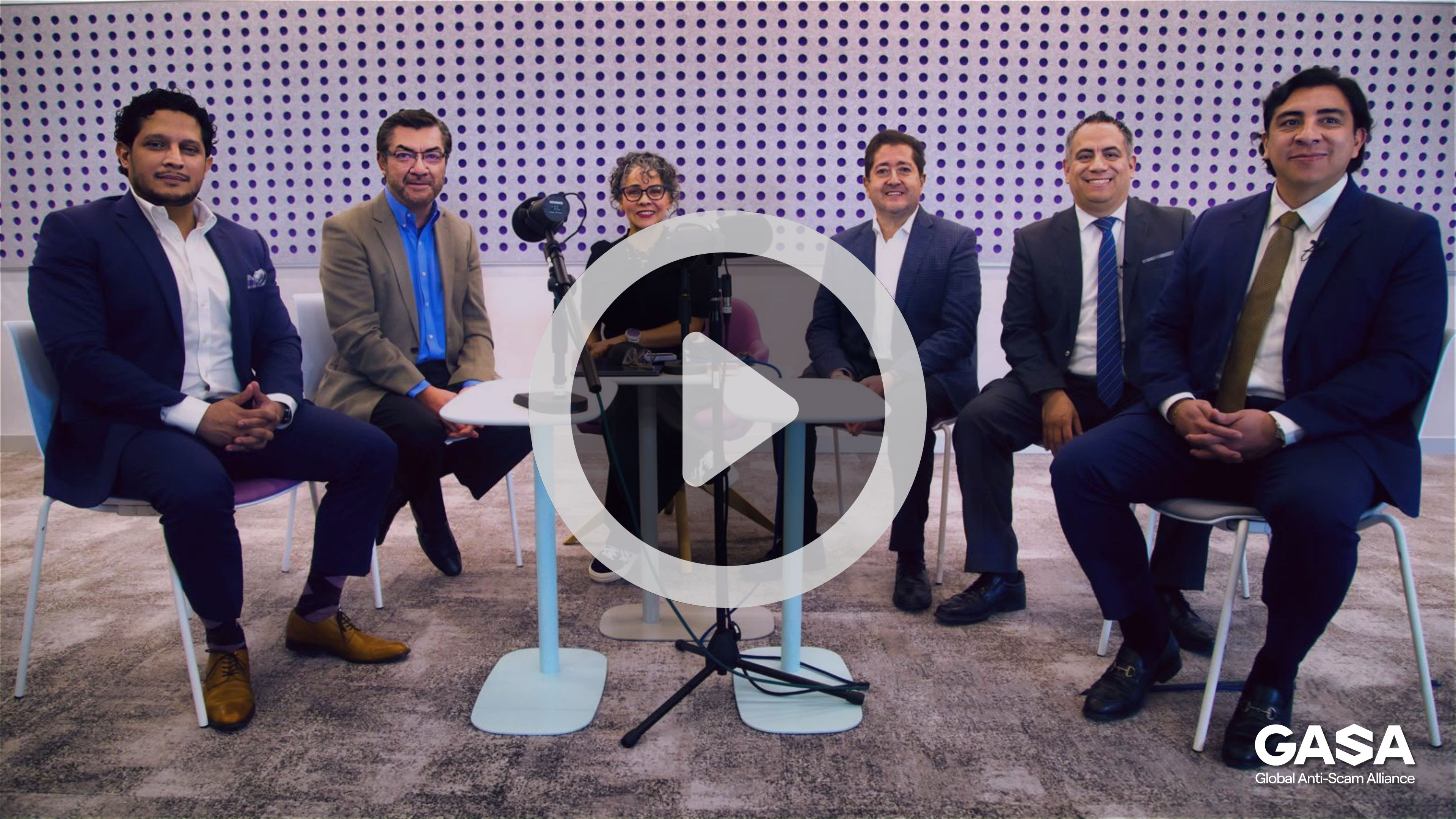
A network is beaten by a network: Mexico's banks move from remediation to prevention
GASA convened the ABM Fraud Committee and Mexican banks to advance the enriched agreement and strengthen coordinated fraud prevention across the sector.