


Andrea Leask
Chief Digital Harms Officer
Netsafe New Zealand

Brent Carey
Chief Executive Officer, CEO
Netsafe New Zealand

Paul Brislen
CEO
TCF (New Zealand Telecommunications Forum)

Toby Y
Head of Economic Crime
AusPayNet

Vinitesh Kumar
GM People Culture & Corporate Services
Fijian Competition and Consumer Commission

Brian Hanley
Director, Asia-Pacific Chapter

Jack Chan
Partnership Coordinator

Jessica Chuah
Ambassador

Zsa Lacanilao
Marketing Coor
Trusted organisations across Oceania are uniting under GASA to take collective action against online scams.




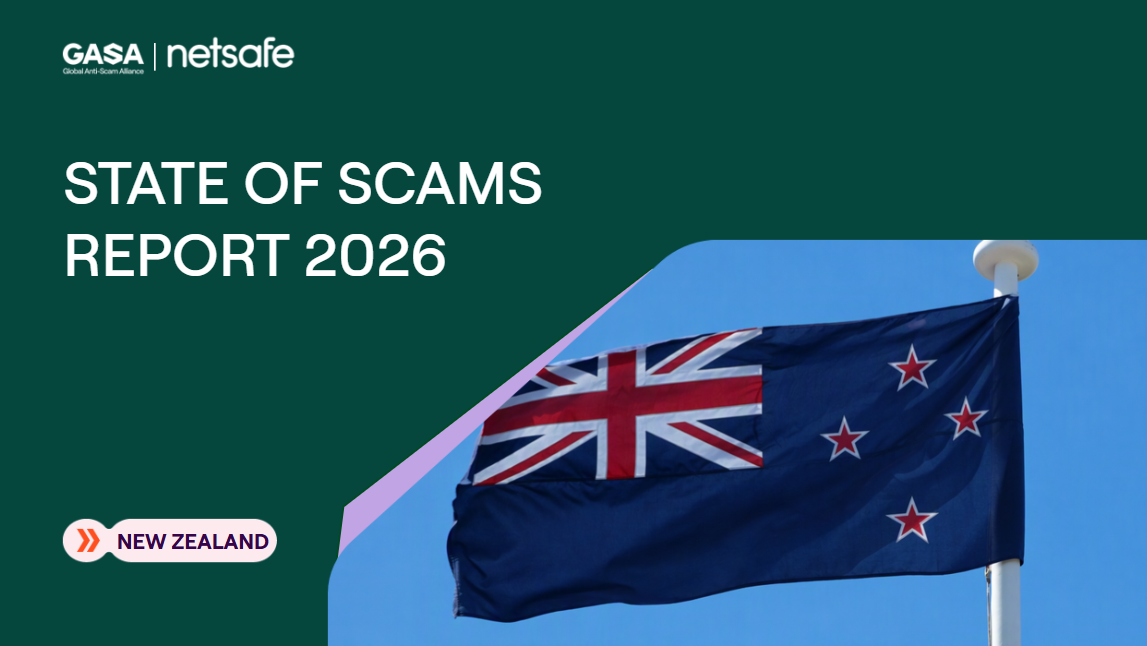
State of Scams in New Zealand - 2026
This study of 1,180 New Zealand adults shows that scam exposure remained steady, with 83% of participants saying they had encountered a scam, compared with 82% in 2025. While 73% say they are confident in recognizing scams, 44% of those who encountered one interacted with a scammer. Across all respondents, 8% lost money or shared personal information that led to financial loss, and 2% reported a scam to the authorities. Among victims, 60% said being scammed had a significant or moderate impact on their mental wellbeing, and 37% said they had lost money to scams more than once.
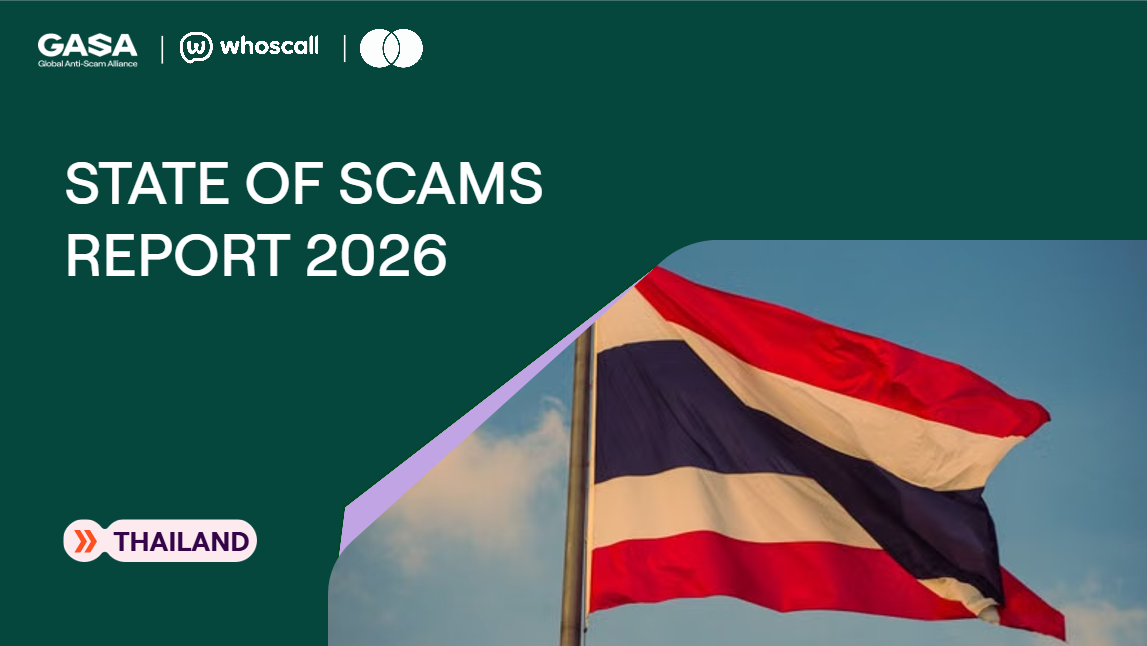
State of Scams in Thailand - 2026
This study of 1,290 Thai adults shows that scam exposure increased, with 79% of participants encountering a scam in the past year, up from 72% in 2025. While 70% say they are confident in recognizing scams, 58% of those who encountered one interacted with a scammer. Across all respondents, 10% lost money or shared personal information that led to financial loss, and 4% reported a scam to the authorities. Among victims, 72% said the experience affected their mental wellbeing, and 60% said they had been scammed more than once.
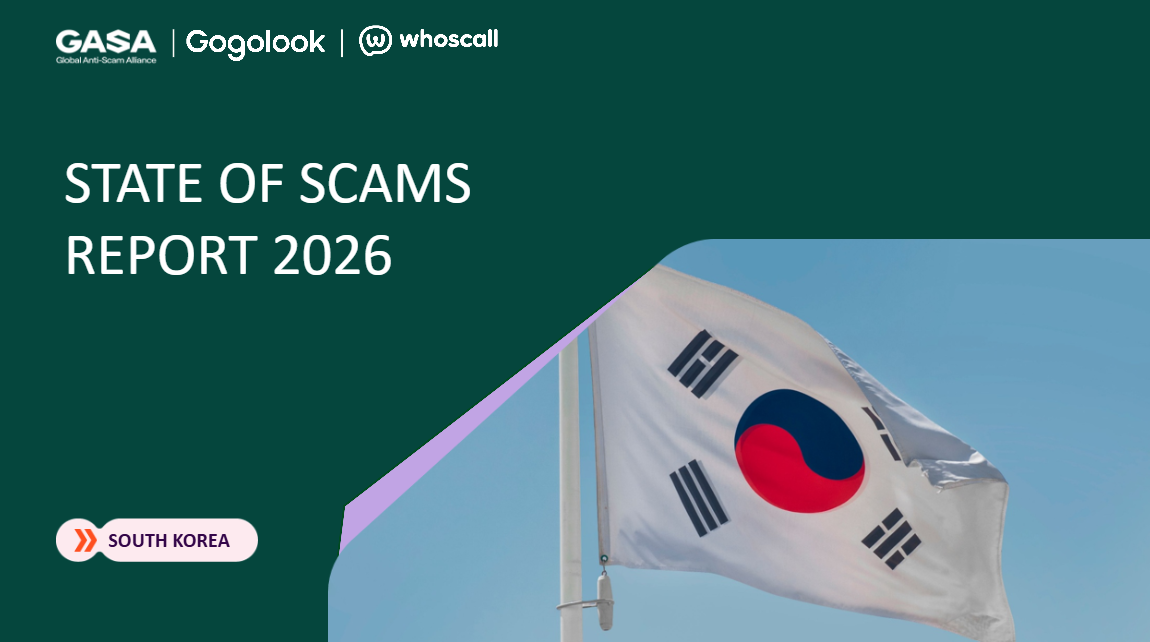
State of Scams in South Korea - 2026
This study of 1,090 South Korean adults shows that scam exposure increased, with 59% of participants encountering a scam in the past year, compared with 44% in 2025. While 65% say they are confident in recognizing scams, 44% of those exposed interacted with a scammer. Ultimately, 4% lost money or shared personal information that led to financial loss, with 2% reporting the scam to authorities. Among victims, 77% reported an impact on their mental wellbeing and 26% lost money to scams more than once.
State of Scams in Vietnam - 2026
This study of 1,250 Vietnamese adults shows that scam exposure is widespread, with 85% of participants encountering a scam in the past year, compared with 86% in 2025. While 55% say they are confident in recognizing scams, 75% of those exposed interacted with a scammer. Ultimately, 14% lost money or shared personal information that led to financial loss, with 7% reporting the scam to authorities. Among victims, 73% reported an impact on their mental wellbeing and 63% lost money to scams more than once.