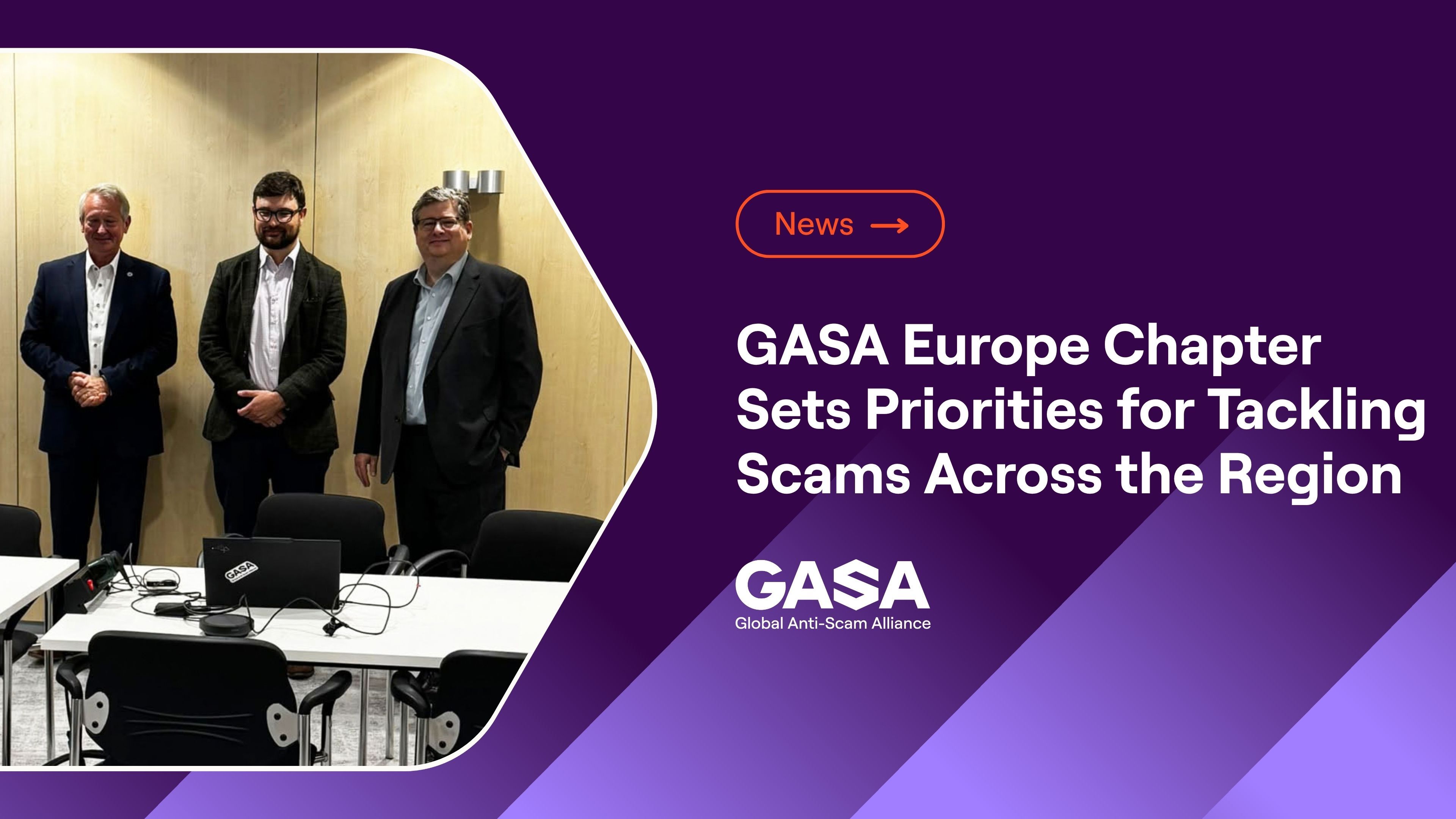
Milestone Partnership Announced at Global Anti-Scam Summit in Lisbon, Following First Preview at UN Fraud Summit in Vienna
Lisbon, Portugal, 9 June 2026 I The Global Anti-Scam Alliance (GASA) today officially announces the Republic of Fiji as the first national government to adopt Scam.org as its national anti-scam hub. The partnership, first previewed at the UN Fraud Summit in Vienna in March 2026, is now formally confirmed at the Global Anti-Scam Summit (GASS) in Lisbon — underscoring the momentum behind this landmark initiative.
When the Fijian Competition and Consumer Commission (FCCC) CEO Senikavika L. Jiuta took the stage in Vienna, she signalled Fiji’s intent to become the first sovereign government to fully integrate a global scam reporting and education platform into its national consumer protection infrastructure. Today, that commitment becomes official.
A Global First in Consumer Protection
Through this partnership, the Republic of Fiji integrates Scam.org — the global scam reporting platform developed by GASA and its members — into its national anti-scam infrastructure. Fijian citizens and organizations can now report scams, access verified information about emerging threats and contribute to a global intelligence network designed to disrupt fraud operations at scale.
The platform also features the Scam.org AI Chatbot, powered by OpenAI, enabling every Fijian to check, learn and report scams instantly — in a language and format accessible to all.
"Like many other countries around the world, Fiji is plagued by scams that drain our economy and devastate our families. By partnering with the Global Anti-Scam Alliance to launch the Scam.org AI Chat Bot, FCCC is helping provide essential tools for our people in the fight against scams, empowering every Fijian to check, learn, and report scams instantly. By sharing this critical data with our global partners, we intend to ensure that a scammer blocked in one part of the world cannot find a new victim in Fiji," said FCCC CEO, Senikavika L. Jiuta.
From Vienna to Lisbon: Building International Momentum
The journey from the initial announcement at the UN Fraud Summit to today’s formal launch at GASS in Lisbon reflects the speed at which governments and international organizations are recognizing the urgency of the global scam epidemic. Reports submitted through Scam.org contribute to a global intelligence database, helping identify fraud patterns, warn other jurisdictions and strengthen prevention efforts worldwide.
“We are delighted that the Republic of Fiji has embraced Scam.org and that we can make this official here in Lisbon. This initiative reflects GASA’s mission to bring together governments and the private sector to create a world where people are safe from the financial and emotional trauma caused by online scams. Fiji’s leadership sets a powerful example for governments everywhere.” - Jorij Abraham, Managing Director, Global Anti-Scam Alliance (GASA)
Platform & Partners
Scam.org is supported by a growing coalition of GASA members, including OpenAI (AI technology), alongside leading cybersecurity organization's: AnyTech365, CallerAPI, CUBE AI, Falkin, Malwarebytes, Netcraft, ReasonLabs, ScamAdviser, Scamnetic, Seraph Secure and Spamhaus.
The Government of Fiji will work closely with GASA to ensure the platform is tailored to the needs of Fijian citizens, including localised information and awareness resources.
Scam.org is live at www.scam.org.
About the Fijian Competition and Consumer Commission (FCCC)
The Fijian Competition and Consumer Commission (FCCC) is an independent statutory authority responsible for enforcing the Fijian Competition and Consumer Commission Act 2010. Its mandate covers promoting competition and fair trading, regulating prices in markets where competition is limited, and overseeing monopolistic market situations for the benefit of all Fijians.
About the Global Anti-Scam Alliance (GASA)
The Global Anti-Scam Alliance (GASA) is an international organization dedicated to protecting consumers worldwide from scams and online fraud. By uniting governments, law enforcement, consumer protection agencies, financial institutions, technology companies, cybersecurity firms and victim support organizations, GASA works to reduce the global impact of scams.

-3.jpg)