
– the average number of times each Indonesian scam victim is scammed.


Aileen Goh
Country Manager and President Director
Mastercard

Cary Piantono
Chief Risk Officer (CRO)
DANA Indonesia

Felix Sharief
VP of Public Policy and Government Relations
DANA Indonesia

Firlie Ganinduto
Vice Chairman for Communications and Informatics Sector
Indonesia Fintech Association (AFTECH)

Ing Wang
China and Singapore Lead, Customer Trust Ext. Relations
Amazon

Machdi Fauzi
Junior Manager, Regulatory Strategy
Indosat Tbk

Michelle Puguh Suhadi
VP Head of CEO Office & Strategic Partnership, VP Head of CEO Office & Strategic Partnership
Indosat Tbk

Muhammad Nur Hakim
AVP of Ecosystem Regulatory Affairs
Indosat

Olavina Harahap
Director of Communications
DANA Indonesia

Reski Damayanti
Chief Legal & Regulatory Officer
PT. Indosat Tbk

Brian Hanley
Director, Asia-Pacific Chapter

Jack Chan
Partnership Coordinator

Zsa Lacanilao
Marketing Coor

Jessica Chuah
Ambassador
Foundation members & partners
Trusted organisations across Indonesia are uniting under GASA to take collective action against online scams.


Corporate members & partners


Supporting members & partners

Associated organisations


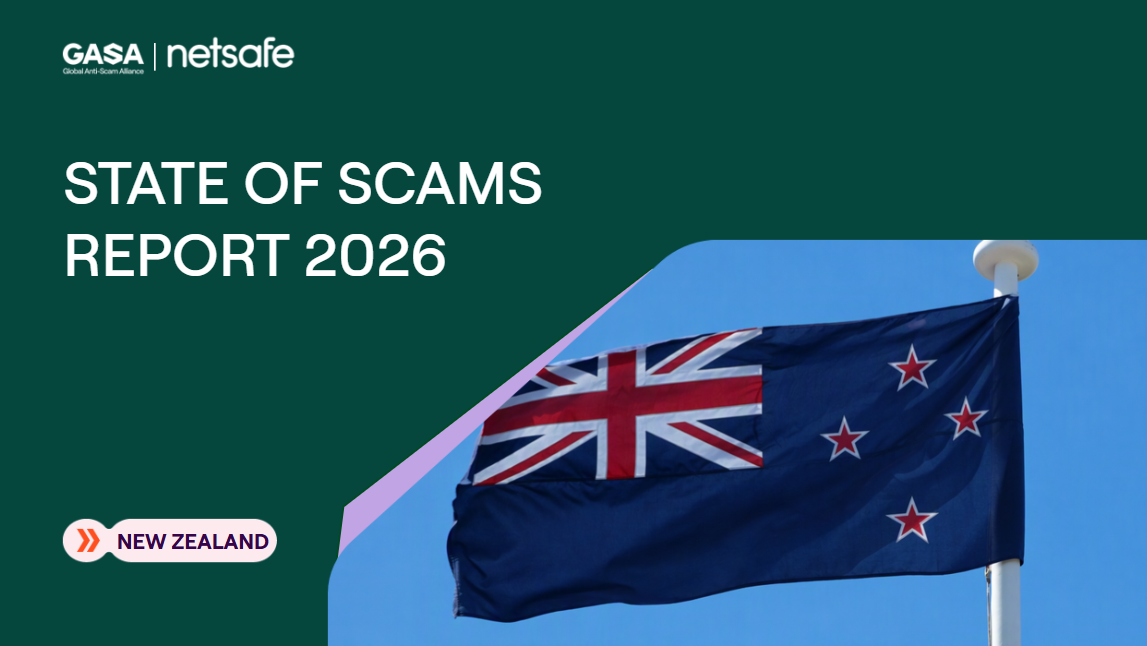
State of Scams in New Zealand - 2026
This study of 1,180 New Zealand adults shows that scam exposure remained steady, with 83% of participants saying they had encountered a scam, compared with 82% in 2025. While 73% say they are confident in recognizing scams, 44% of those who encountered one interacted with a scammer. Across all respondents, 8% lost money or shared personal information that led to financial loss, and 2% reported a scam to the authorities. Among victims, 60% said being scammed had a significant or moderate impact on their mental wellbeing, and 37% said they had lost money to scams more than once.
Report
Region - Asia-Pacific
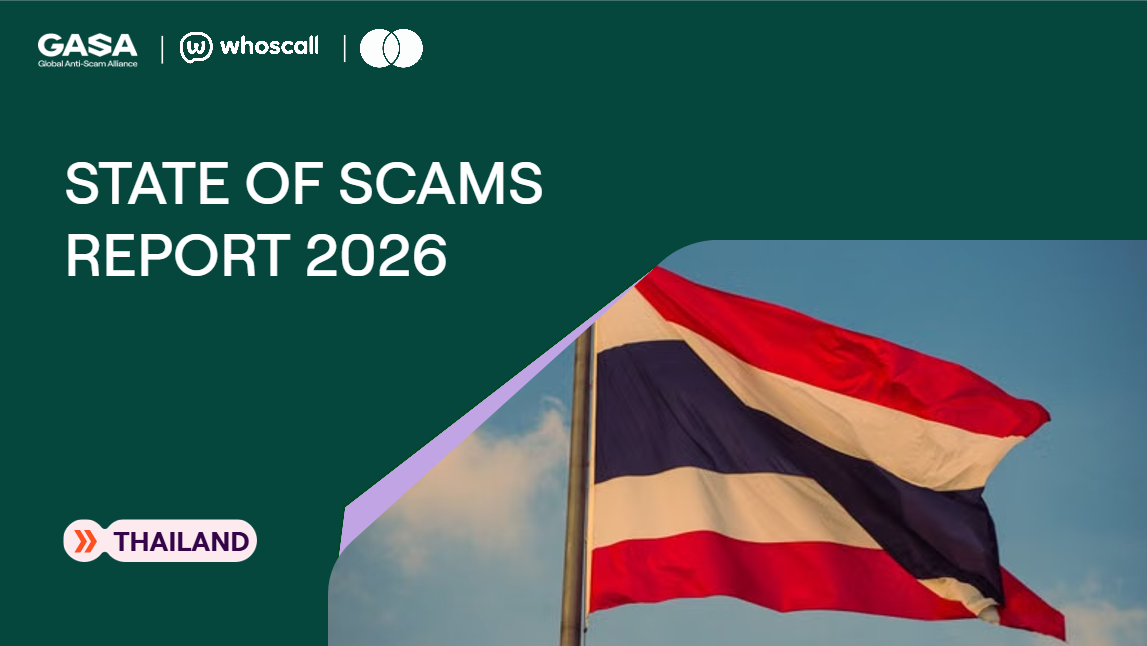
State of Scams in Thailand - 2026
This study of 1,290 Thai adults shows that scam exposure increased, with 79% of participants encountering a scam in the past year, up from 72% in 2025. While 70% say they are confident in recognizing scams, 58% of those who encountered one interacted with a scammer. Across all respondents, 10% lost money or shared personal information that led to financial loss, and 4% reported a scam to the authorities. Among victims, 72% said the experience affected their mental wellbeing, and 60% said they had been scammed more than once.
Report
Region - Asia-Pacific
Chapter - Thailand
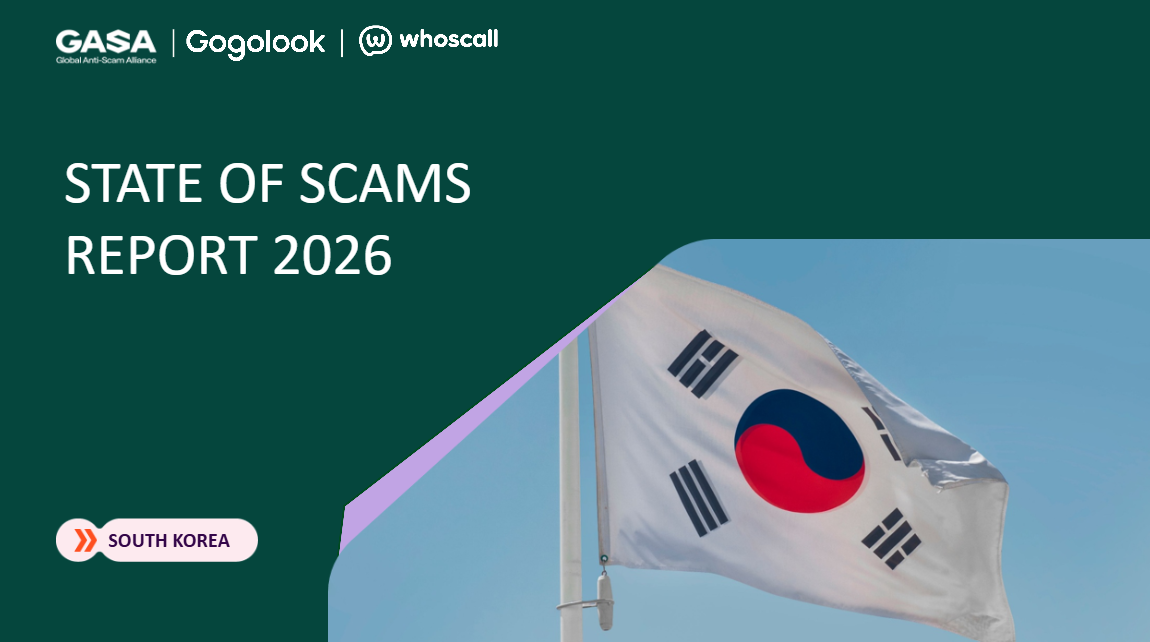
State of Scams in South Korea - 2026
This study of 1,090 South Korean adults shows that scam exposure increased, with 59% of participants encountering a scam in the past year, compared with 44% in 2025. While 65% say they are confident in recognizing scams, 44% of those exposed interacted with a scammer. Ultimately, 4% lost money or shared personal information that led to financial loss, with 2% reporting the scam to authorities. Among victims, 77% reported an impact on their mental wellbeing and 26% lost money to scams more than once.
Region - Asia-Pacific
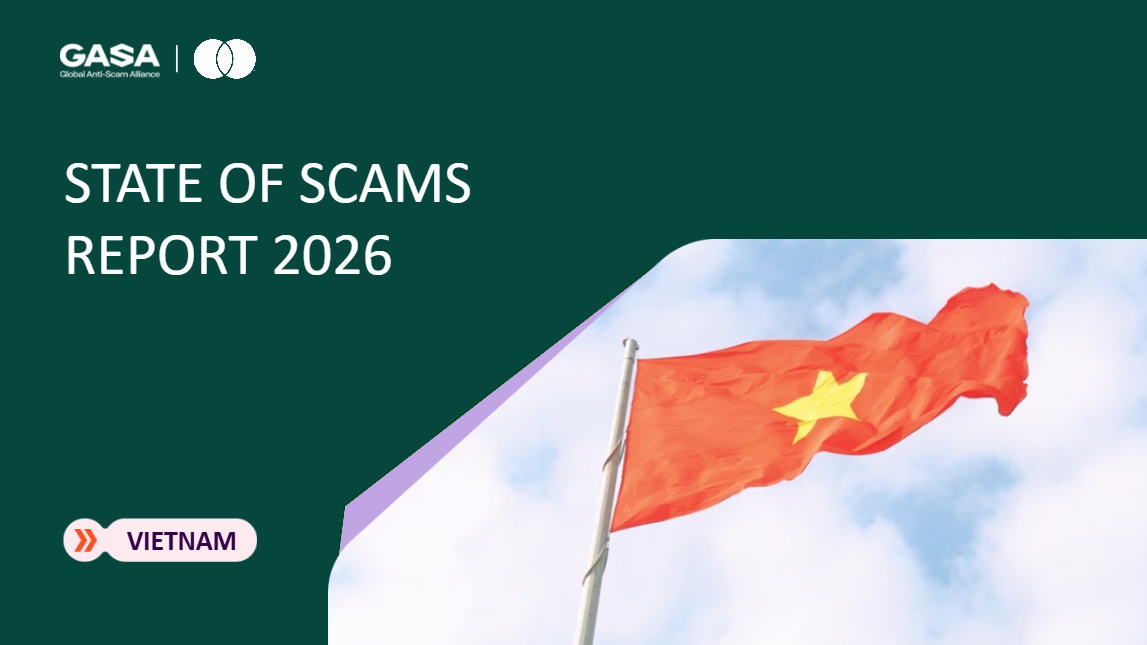
State of Scams in Vietnam - 2026
This study of 1,250 Vietnamese adults shows that scam exposure is widespread, with 85% of participants encountering a scam in the past year, compared with 86% in 2025. While 55% say they are confident in recognizing scams, 75% of those exposed interacted with a scammer. Ultimately, 14% lost money or shared personal information that led to financial loss, with 7% reporting the scam to authorities. Among victims, 73% reported an impact on their mental wellbeing and 63% lost money to scams more than once.
Report
Region - Asia-Pacific