
Impersonation scams often depend on a combination of trust, pressure and local human involvement. Criminals posing as police officers, bank employees or other trusted figures can persuade victims to hand over bank cards, login credentials, cash or valuables. These scams are frequently directed at older people and can leave victims with lasting fear, financial harm and reduced trust in public institutions.
The scale of the problem has made scam prevention and enforcement a serious challenge in the Netherlands. GASA’s State of Scams in the Netherlands 2025 report found that 74% of Dutch adults have encountered a scam, while 56% say they were scammed in the last 12 months. The report also estimates that €2.6 billion was stolen by scammers in the Netherlands in the last year, with impersonation scams affecting 28% of Dutch adults who had been contacted by scammers.
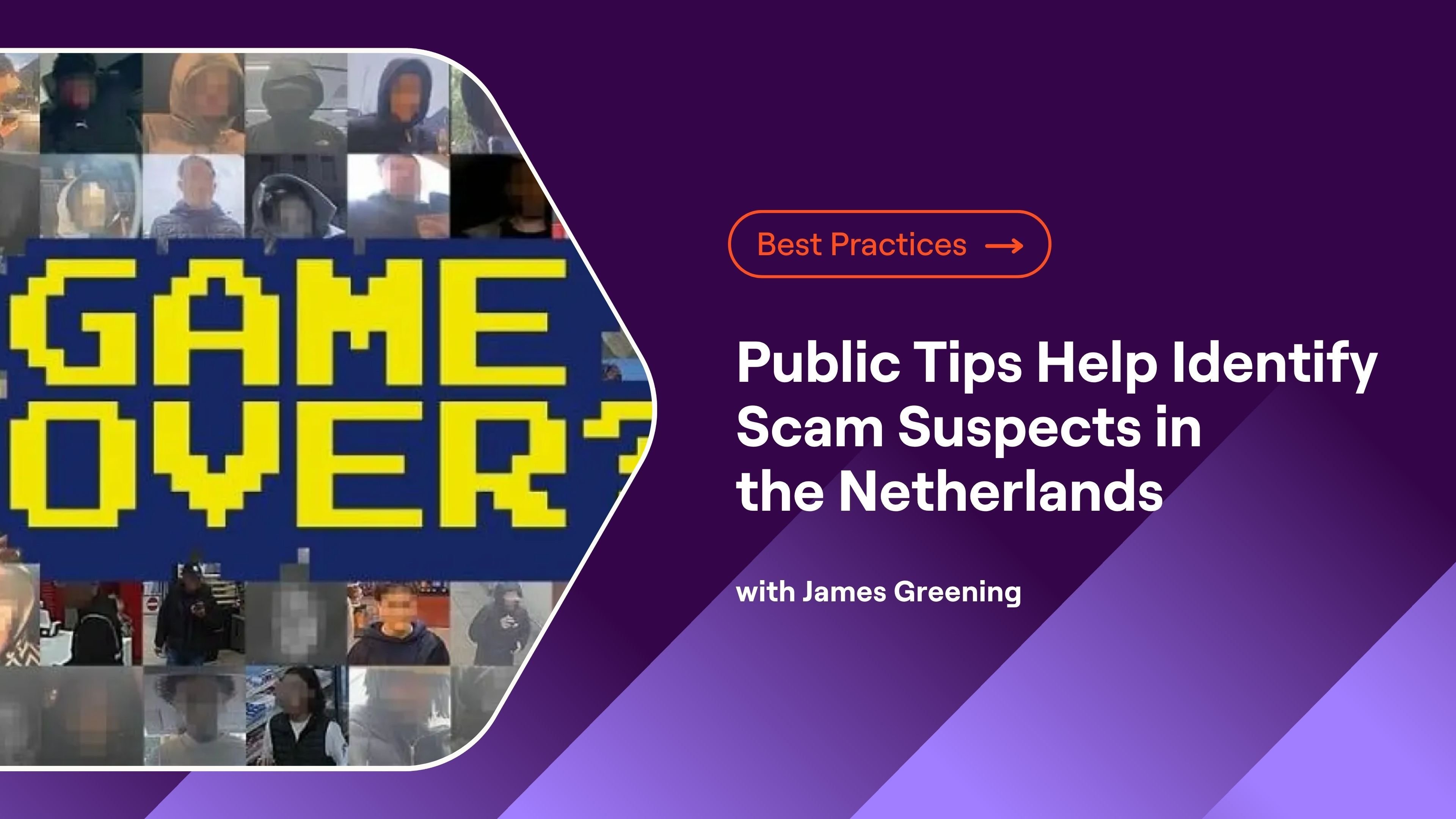
The Dutch National Police’s Game Over?! campaign shows how public communication can be used as part of a structured enforcement response. Launched with the Public Prosecution Service, the campaign displayed images of 100 people people suspected of involvement in fake police officer scams, bank helpdesk fraud and related operational roles, including collecting cards, cash or valuables from victims. The images appeared on billboards along motorways, at petrol stations and supermarkets, as well as in television and online advertisements.
The campaign first showed blurred images of the suspects and gave those featured two weeks to report themselves. If they did not come forward, the images were replaced with recognisable photos. This staged approach is central to the campaign. It creates an opportunity for suspects to self-report before public identification while still allowing investigators to use public recognition when that opportunity is not taken.
Turning Public Appeals Into Investigative Leads
The campaign has produced measurable results. Police have identified 74 of the 100 suspects. Of these, 34 reported themselves to authorities and 40 were identified through information from the public. Police received more than 500 tips during the campaign, while the campaign website received more than 2 million visits and social media advertisements generated more than 54 million views.
The results show how public appeals can support an investigation when the request to the public is specific, recognisable and linked to clear enforcement objectives. The campaign does not only warn potential victims about scam tactics. It asks the public to help identify suspected offenders who may be visible in their communities.
This matters because many scam operations depend on people who perform operational roles on behalf of broader criminal networks. These may include card collectors, money mules, fake police officers or individuals sent to collect valuables from victims. Public identification campaigns can make these roles harder to perform anonymously and more difficult to treat as low-risk participation.
Challenging the “Fraud Game” Narrative
The name Game Over?! is also part of the campaign’s enforcement message. Police have said the campaign refers to the term F-game, or fraud game, which some offenders use when discussing their actions. By using the phrase Game Over?!, the campaign directly challenges that language and reframes scam participation as a route to identification, prosecution and public accountability.
This is particularly relevant where young people are recruited into scam operations. Police have described the campaign as an effort to prevent potential future offenders, often young people drawn in for small payments, from acting as errand boys for criminal organisations. The identified suspects range in age from 14 to 42, with an average age of 22.
That age profile suggests that enforcement messaging needs to reach not only organisers and repeat offenders but also younger people who may be drawn into scams through peer pressure, financial incentives or the perception that their role is minor. The campaign communicates that involvement in scam activity is not a game, even when offenders describe it that way.
Reversing the Shame Around Scam Reporting
Many victims do not report scams because they feel embarrassed, ashamed or responsible for what happened. This can make impersonation fraud harder to measure and harder to investigate, while allowing offenders to continue operating with less public visibility.
The Game Over?! campaign shifts that dynamic. Instead of allowing shame to sit with victims, it places public attention on suspected offenders and the operational roles that make these scams possible. That does not remove the need for legal safeguards, but it shows how enforcement communication can challenge both the criminal behaviour and the social silence around it.
This is especially important in scams involving fake police officers or fake bank employees. When criminals misuse trusted institutions, the harm can extend beyond the immediate financial loss. Victims may become reluctant to answer the door, speak to legitimate police officers or engage with banks and public authorities. Addressing that loss of trust is part of the wider prevention challenge.
Balancing Effectiveness With Legal Safeguards
Public identification is an intrusive measure. Publishing images of suspects can affect privacy, reputation and the presumption of innocence. For that reason, the campaign is also useful as a case study in how such measures need legal safeguards, not only operational ambition.
A legal analysis of the campaign explains that public investigation communications must be assessed against requirements such as lawfulness, proportionality, subsidiarity and effectiveness. It also notes that publication requires careful consideration by the public prosecutor and that images should be removed once identification has been achieved. The phased use of blurred and recognisable images is an important part of that proportionality assessment because it starts with a less intrusive measure before escalating.
This balance is important for any country considering a similar approach. The effectiveness of a campaign cannot be the only test. Public exposure must be tied to a legitimate investigative need, used only where less intrusive options are insufficient and supported by a clear process for review, removal and follow-up.
A Model for Structured Scam Disruption
The Game Over?! campaign shows how public communication can move beyond awareness and become part of a wider enforcement strategy. Its strength lies in the combination of staged disclosure, public reporting, legal review and a clear focus on the operational layer of scam networks.
For anti-scam practitioners, the case offers several practical lessons. Visibility is most useful when it is tied to a specific investigative purpose. Public participation is more effective when citizens are given clear information about what to recognise and report. Deterrence can be strengthened when enforcement messaging challenges the language and culture used by offenders themselves.
The campaign is not a simple template that can be copied without legal and social context. It is a reminder that scam disruption increasingly requires tools that connect enforcement, communications, victim protection and public trust. Used carefully, public visibility can help identify suspects, generate leads and make participation in scam operations harder to hide.
About the Author
James Greening is a Digital Content Manager at the Global Anti-Scam Alliance (GASA), where he writes on cyber-enabled fraud and developments in the global fight against online scams. He previously founded Fake Website Buster, a project dedicated to identifying and raising awareness of fraudulent websites.

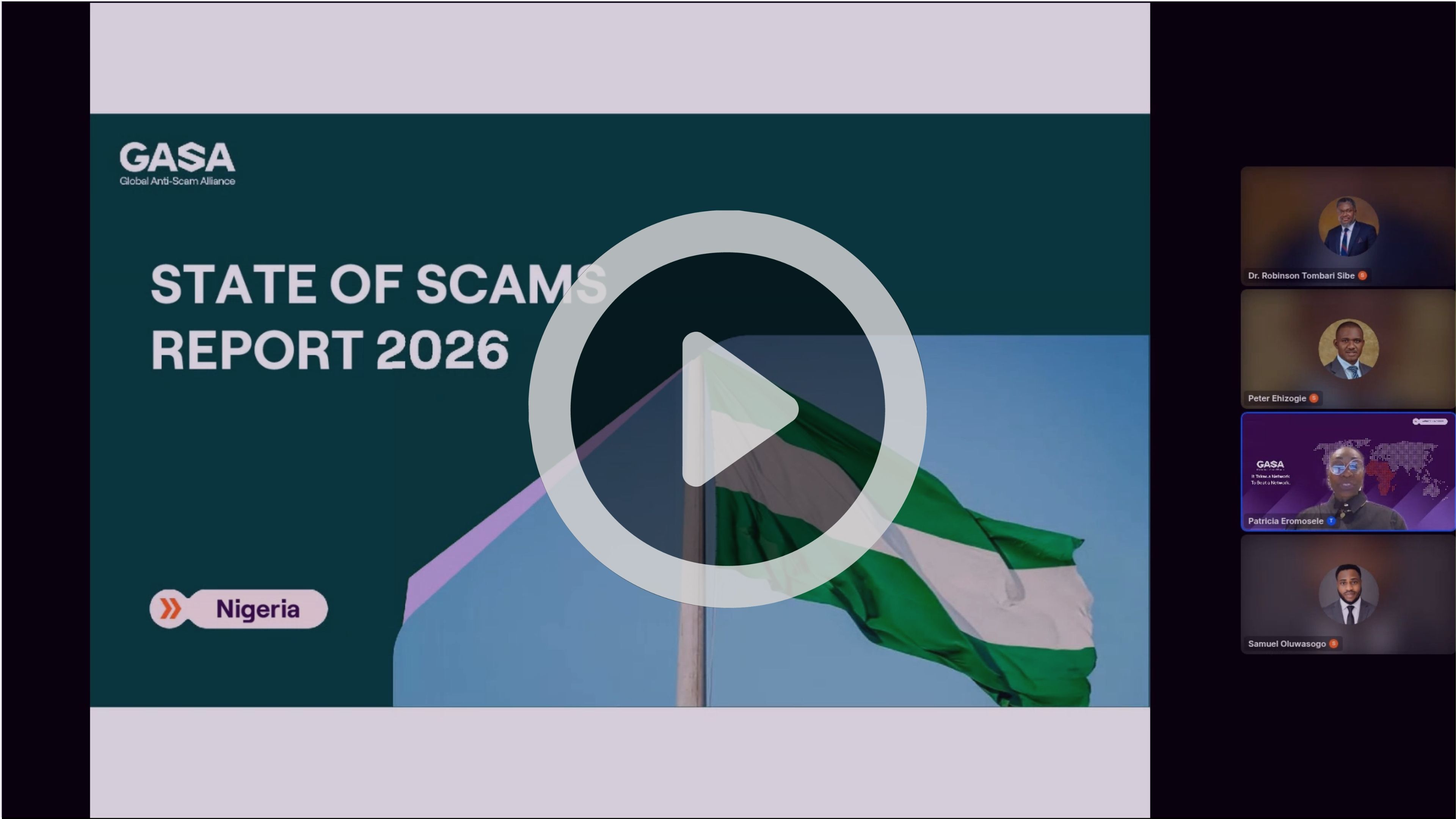
State of Scams in Nigeria 2026: A Comparative Review Across Africa
Nigerian experts examine scam trends, technology, consumer protection and the need for stronger cross-sector collaboration.
Nearly three in four Danish adults encountered scams as estimated losses reach DKK 10.1 billion
New State of Scams Denmark 2026 report finds scam exposure is rising, while victims face repeated financial and emotional harm.

Building a More Trusted Digital Philippines: New Report Underscores the Need for Collective Action as Scam Exposure Continues to Rise
GASA’s State of Scams in the Philippines 2026 Report, in collaboration with Mastercard and Gogolook, highlights the growing scale of the scam challenge in the Philippines.
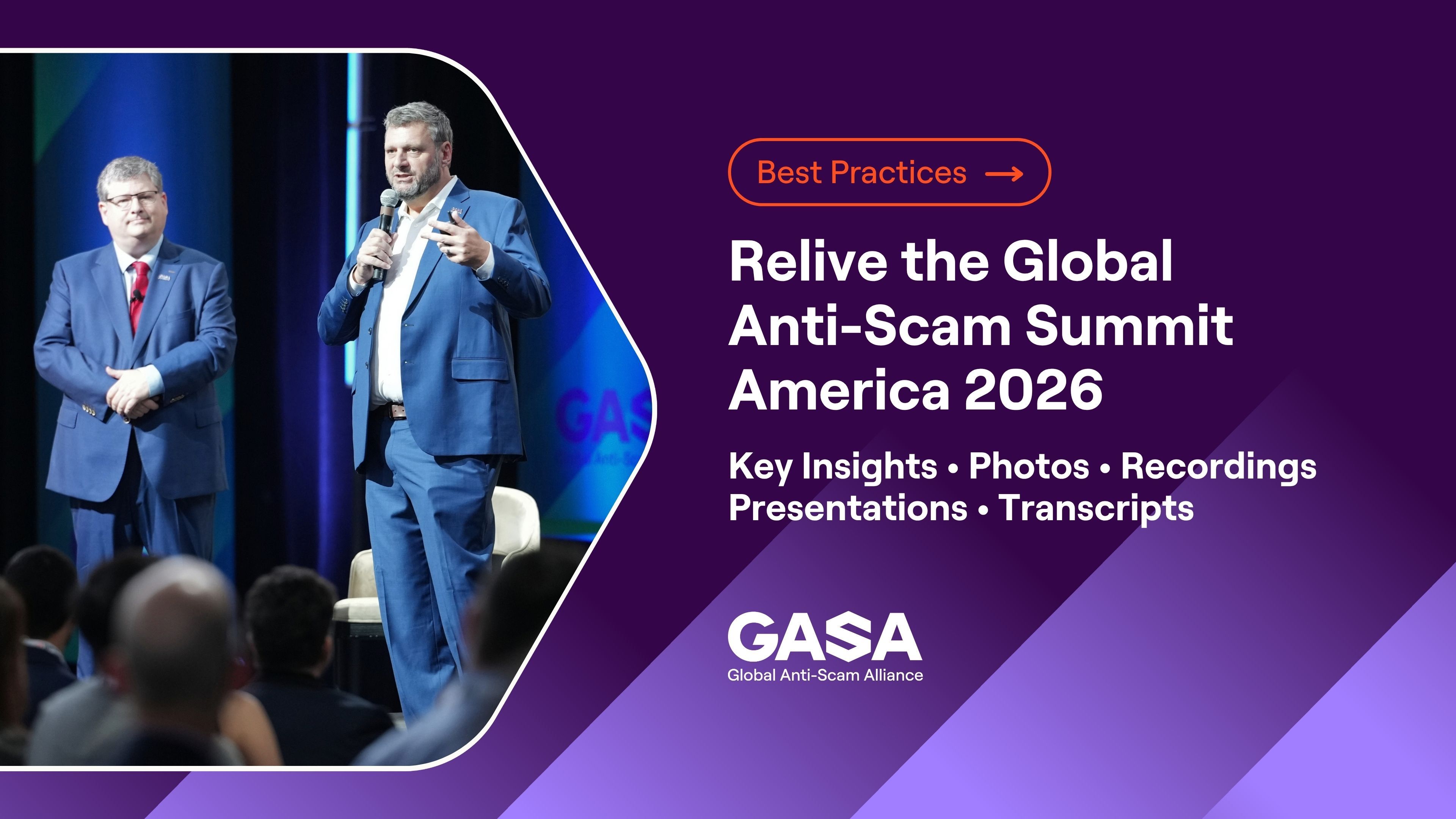
Global Anti-Scam Summit America 2026: Highlights, Insights and Resources
Explore GASS America 2026 highlights and insights, with the Summit summary, photos, presentation slides, transcripts and session recordings from San Francisco.
State of Scams in Kenya 2026: A Comparative Review Across Africa
Kenyan experts examine scam trends, data sharing, digital trust and the need for stronger cross-sector prevention.
State of Scams in South Africa 2026: A Comparative Review Across Africa
South African experts examine scam trends, AI, consumer protection and the need for stronger cross-sector collaboration.
-3.jpg)
More than one in five adults in Japan encountered scams in the past year
New State of Scams Japan 2026 report examines how scams are reaching consumers and where stronger prevention and collaboration can make a difference
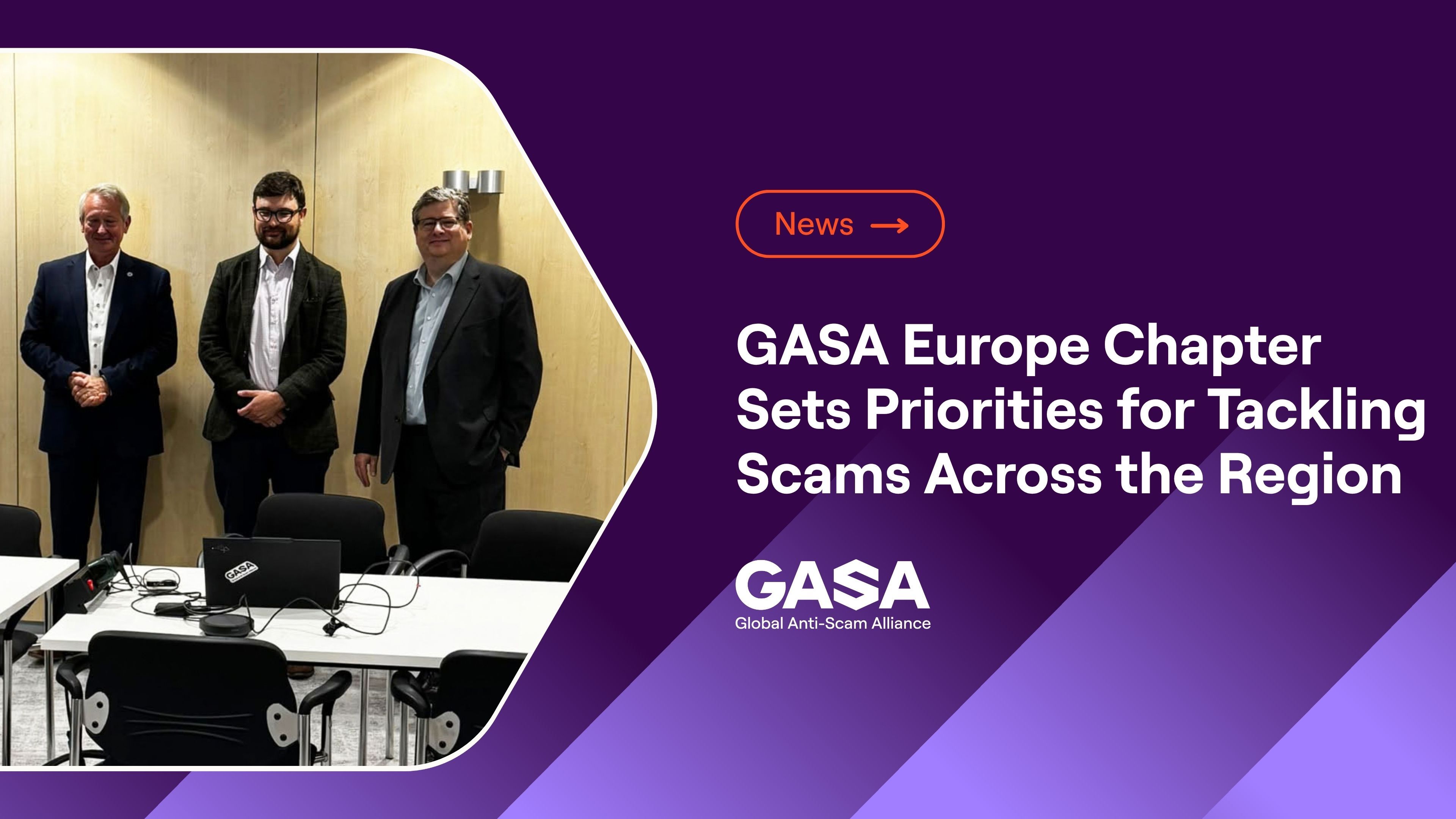
GASA Brings Stakeholders Together in Brussels for First Europe Chapter Meeting
GASA Europe brings 50+ stakeholders together in Brussels to discuss scam trends, data sharing and cross-sector priorities.