GASA South Korea
GASA collaborates with the Korea Financial Crime Prevention Association (KFCPA) in South Korea to advance scam prevention through research, awareness, and cross-sector initiatives.

Why is GASA active in South Korea?
Online scams are a growing threat across South Korea, costing consumers millions and increasing pressure on enforcement and financial systems.
What do we do?
GASA is dedicated to carrying out its vision and mission in South Korea. In partnership with the Korea Financial Crime Prevention Association (KFCPA), GASA aims to combat financial crimes and scams through collaboration, awareness, and education.
-
Regular Meetings: The executive committee, meet regularly to discuss collaborations and strategies.
-
Open Events: GASA and KFCPA host events for members to interact, exchange ideas, and network.
-
Impactful Projects: The organisations execute significant projects such as summits and research initiatives to raise awareness and foster cooperation against scams.
average loss per scam incident.
of South Korean adults encountered a scam.
went on to have money stolen by scammers.
About KFCPA
The Korea Financial Crime Prevention Association (KFCPA) is committed to creating a safe financial environment and a healthy society. KFCPA's mission is to eradicate financial crimes by analysing various methods, preparing countermeasures, and developing effective prevention techniques. They work closely with government agencies, the financial sector, and other industries to combat financial crimes.
Main Activities
- Seminars and Forums: Organising regular events to discuss financial crime prevention and strategies.
- Educational Activities: Providing training and education on fraud prevention, money laundering, and other financial crimes.
- International Cooperation: Establishing a global network to effectively respond to transnational financial crimes.
- Publishing: Producing professional textbooks and holding seminars on financial crime prevention.
SOUTH KOREA
Executive Committee
GASA collaborates with experts in South Korea who contribute to research, policy discussions, and anti-scam initiatives.
Cholsoo Koh
Vice-president
Korean Financial Crime Prevention Association
Joonbae Suh
Associate Professor
Korean National Police University
Kang Wook
President
Korean Financial Crime Prevention Association
Kyoung-sun Min
Auditor | Associate Professor
Korea Fraud Crime Prevention Association (KFCPA) | Department of Public Administration, Jeonbuk National University
Meet the Asia-Pacific Team
The GASA Asia-Pacific team leads regional initiatives to strengthen collaboration and fight scams across the region.
Brian Hanley
Director, Asia-Pacific Chapter

Jack Chan
Partnership Coordinator
Jessica Chuah
Ambassador
Zsa Lacanilao
Marketing Coor
Upcoming events
Global Anti-Scam Summit (GASS) Asia 2026
Latest blogs & research
Whoscall, GASA and Mastercard Release the 2026 Asia Scam Report: Hong Kong
More Than 80% of Hong Kong Respondents Encountered Scams; Phone Calls and SMS Remain the Leading Channels
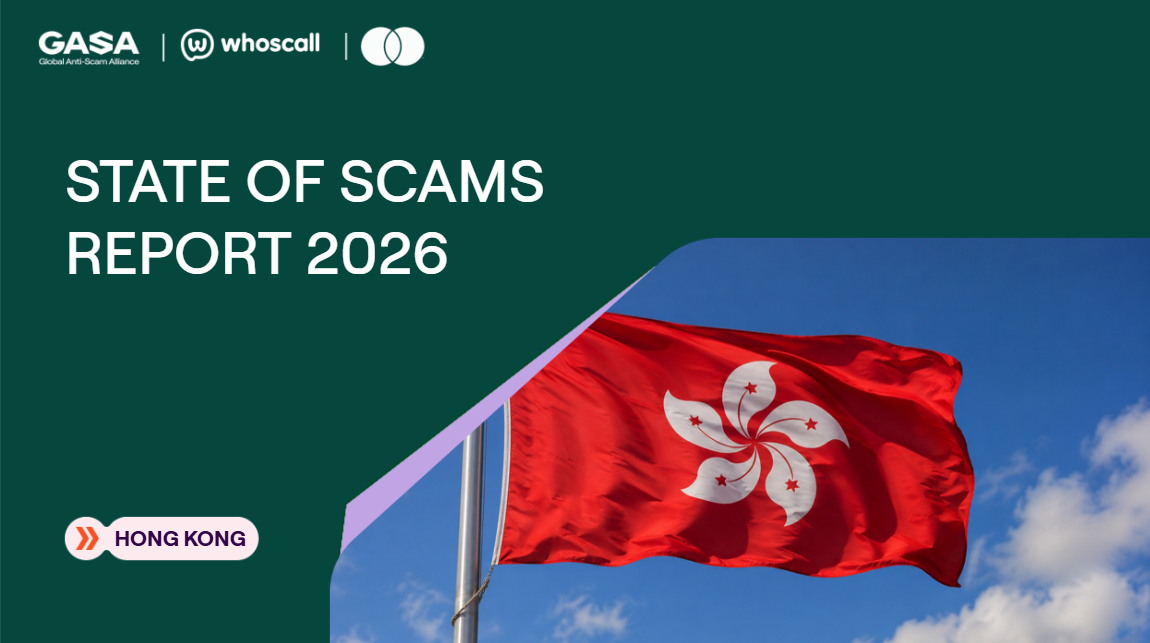
State of Scams in Hong Kong - 2026
This study of 1,150 Hong Kong adults shows that scam exposure is widespread, with 81% of participants encountering a scam in the past year, up from 77% in 2025. While 76% say they are confident in recognizing scams, 48% of those exposed interacted with a scammer. Ultimately, 7% experienced financial or data loss, with 4% reporting the scam to authorities. Among victims, 57% reported an impact on their mental wellbeing and 63% experienced repeat scams.
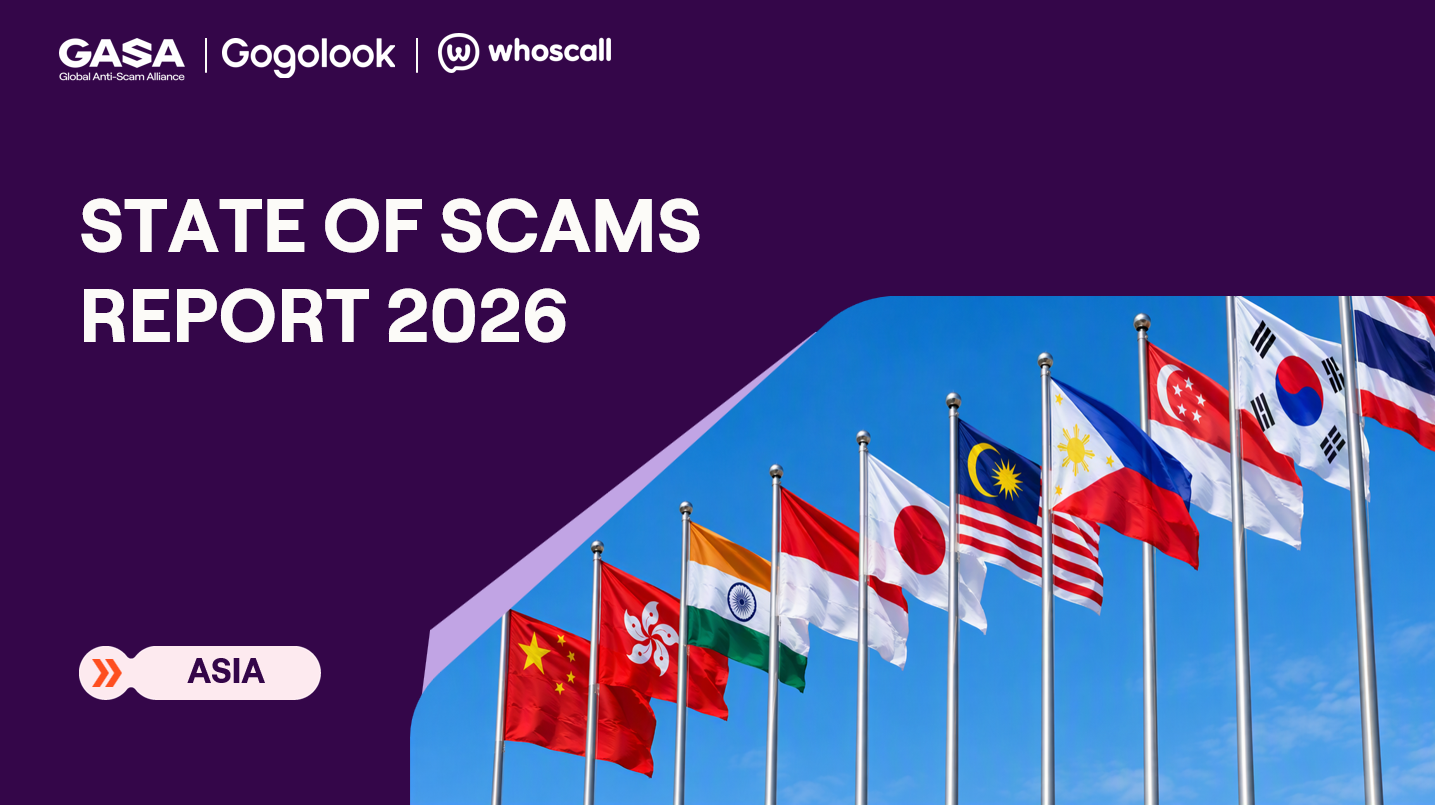
State of Scams in Asia - 2026
This study of 17,460 adults across 13 Asian markets shows that scam exposure is widespread, with 71% of participants encountering a scam in the past year.
71% of Adults Surveyed Across 13 Asian Markets Encountered Scams, with Estimated Losses of US$136.5 Billion
This study of 17,460 adults across 13 Asian markets shows that scam exposure is widespread, with 71% of participants encountering a scam in the past year. While 66% say they are confident in recognizing scams, 62% of those exposed went on to interact with a scammer. Ultimately, 9% lost money or personal information that led to financial loss, while only 4% reported a scam to the authorities. The findings highlight a significant gap between perceived scam awareness and real-world resilience.