
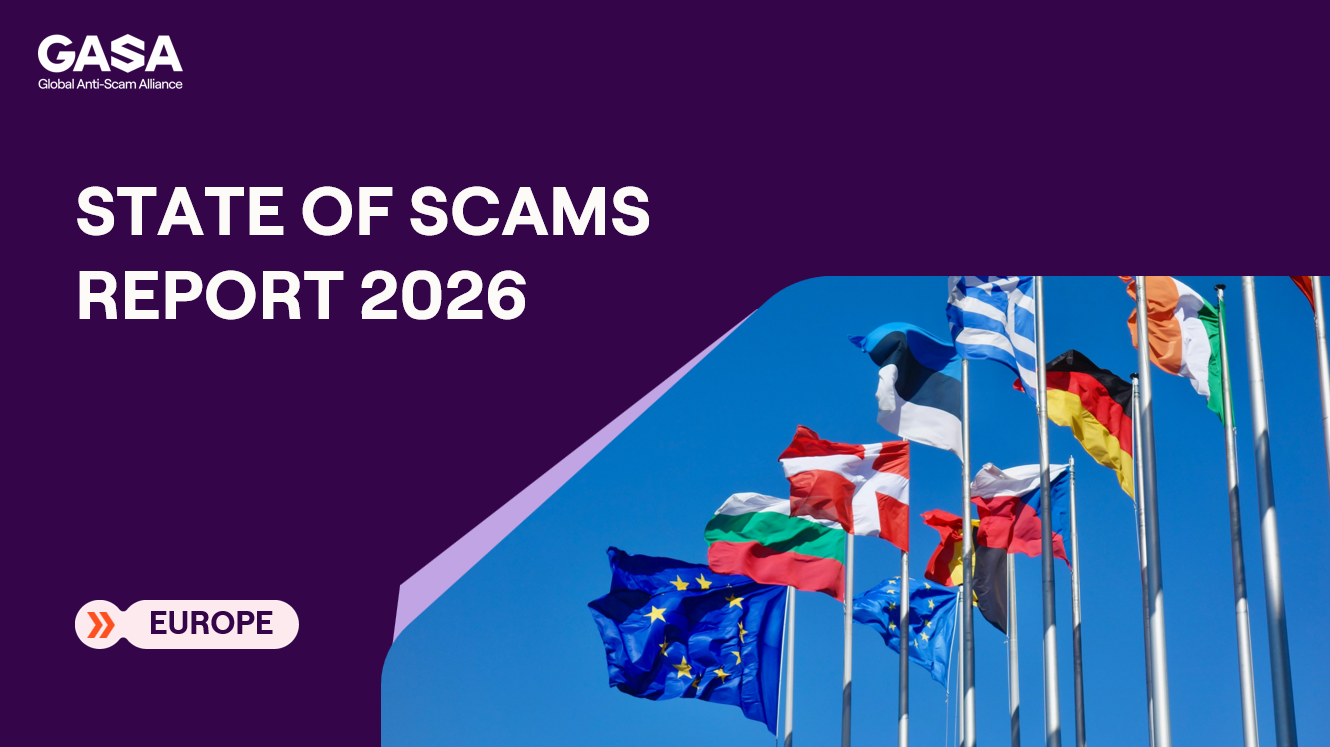
THE HAGUE, NL / The Global Anti-Scam Alliance (GASA) has released its State of Scams in Europe Report, offering a comprehensive look at the scale, impact, and evolving nature of scams across the region. The research highlights persistently high exposure levels, significant financial losses, and ongoing challenges in prevention and reporting.
In the past 12 months, three in four European adults encountered a scam, with email, phone calls, and text messages remaining the primary entry points. While exposure remains widespread across all markets, concern is rising most rapidly in countries including Switzerland, France, Germany, and Denmark, while easing in others such as Romania, Poland, and the United Kingdom. Scam risks are also affecting younger generations, with 16% of parents reporting that their children have experienced a scam.
Despite growing awareness, confidence in recognizing scams is not translating into protection. Seven in ten Europeans say they feel confident identifying scams, yet 44% of those exposed engage with them, and 22% of these interactions result in financial loss. This gap highlights the limits of awareness alone in preventing harm.
"We are facing a clear and growing challenge across Europe. Scams and fraud are incredibly frequent, causing huge financial and emotional damage as well as destroying trust in society and the online economy.
Many people feel confident they can recognize scams, yet too many still engage and lose money. Awareness is an important step, but it is not enough. We need to strengthen prevention, improve detection by both industry and law enforcement, and work much more closely together across Europe to stop scammers at scale." - Andrei Skorobogatov Policy Director, Global Anti-Scam Alliance.
For victims, the consequences are significant and often repeated. The average financial loss per victim is $2,735, with the highest losses reported in Switzerland, Denmark, and Belgium. Payment methods involved include bank transfers and cards, alongside increasing use of instant payments and crypto. Scams are rarely isolated events: 42% of victims are targeted more than once, with an average of 2.7 incidents per person. The impact extends well beyond finances, with nearly two-thirds reporting effects on their well-being and close to half experiencing financial strain.
Underreporting remains a major barrier to addressing scams effectively. Only one in four victims who lost money report the incident to authorities. Those who do report are more likely to contact banks (31%) or inform family and friends (19%), but confidence in outcomes remains low. Recovery rates are limited, with just 6% recovering funds when reporting to police and 16% when reporting to banks. Notably, reporting scams on social media platforms most often resulted in no action being taken (24%).
Prevention efforts continue to rely heavily on individual behavior rather than systemic intervention. Many consumers avoid scams by ignoring unsolicited messages, but half of victims only realize they have been scammed after external intervention or after losing money. While 27% say bank-led information is helpful, reliance on basic heuristics suggests prevention measures are not keeping pace with increasingly sophisticated scam tactics.
At the same time, there is growing support for stronger protective measures. Many Europeans indicate a willingness to accept more proactive safeguards, including allowing banks to block suspicious high-value transactions without prior customer consent, signaling a shift toward prioritizing security over convenience.
About GASA
The Global Anti-Scam Alliance (GASA) is a non-profit organization whose mission is to protect consumers worldwide from scams. GASA brings together policy makers, law enforcement, consumer authorities, NGOs, the financial sector, telecom operators, internet platforms and service providers, cybersecurity and commercial organizations to share insights and knowledge surrounding scams. By building strong networks, GASA works to develop and implement meaningful solutions to combat scams globally.
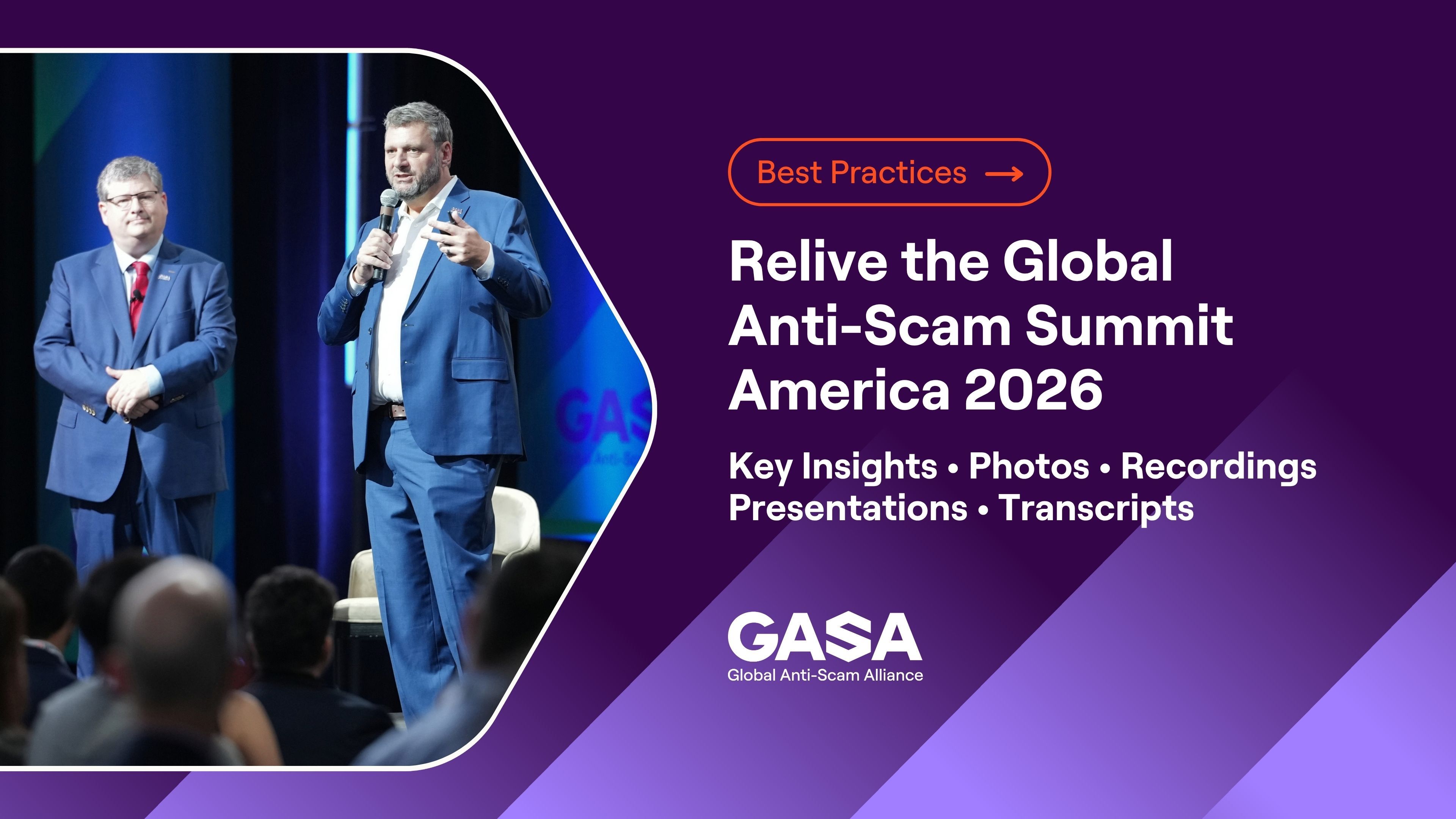
Global Anti-Scam Summit America 2026: Highlights, Insights and Resources
Explore GASS America 2026 highlights and insights, with the Summit summary, photos, presentation slides, transcripts and session recordings from San Francisco.
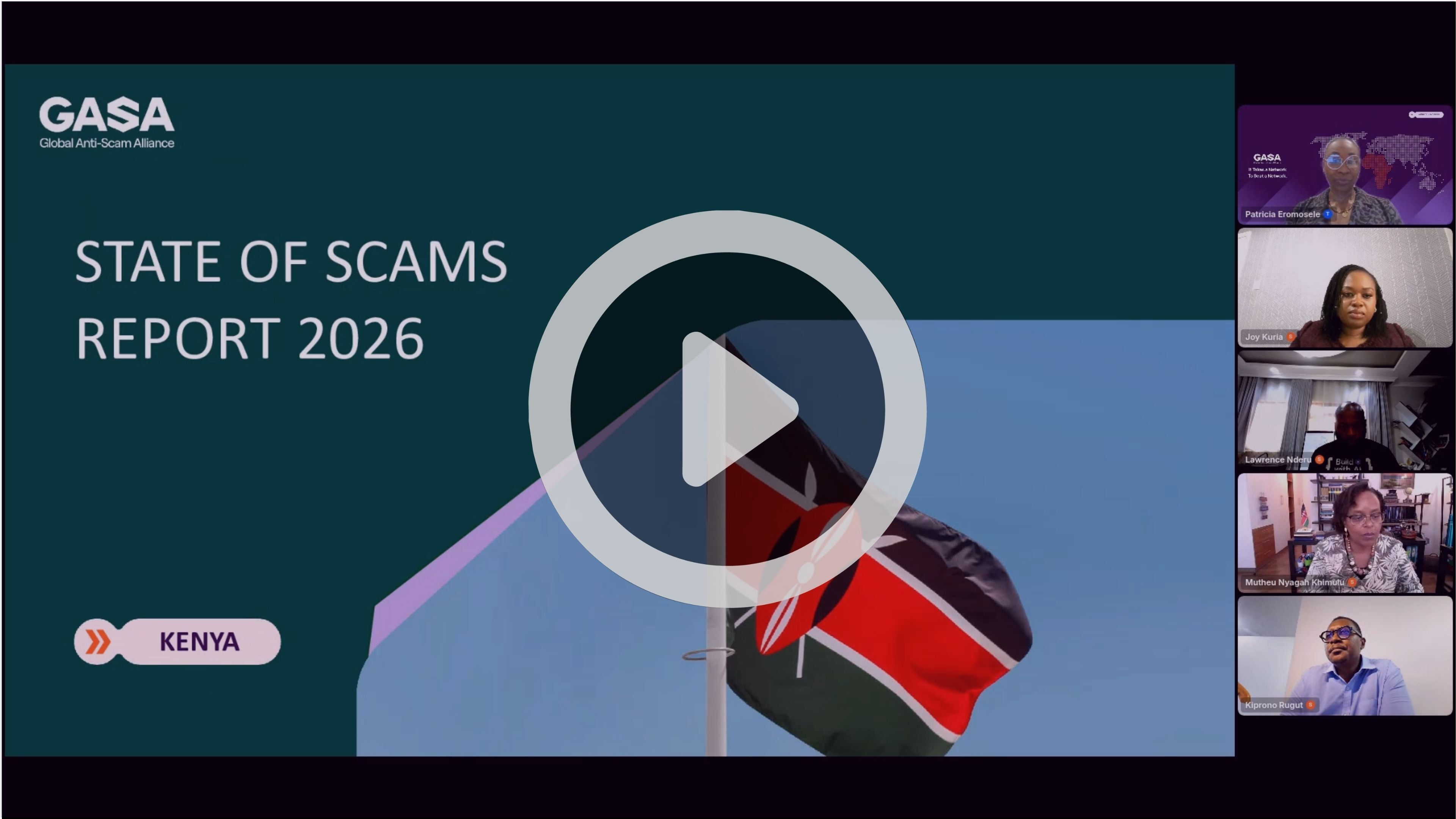
State of Scams in Kenya 2026: A Comparative Review Across Africa
Kenyan experts examine scam trends, data sharing, digital trust and the need for stronger cross-sector prevention.
State of Scams in South Africa 2026: A Comparative Review Across Africa
South African experts examine scam trends, AI, consumer protection and the need for stronger cross-sector collaboration.
-3.jpg)
More than one in five adults in Japan encountered scams in the past year
New State of Scams Japan 2026 report examines how scams are reaching consumers and where stronger prevention and collaboration can make a difference
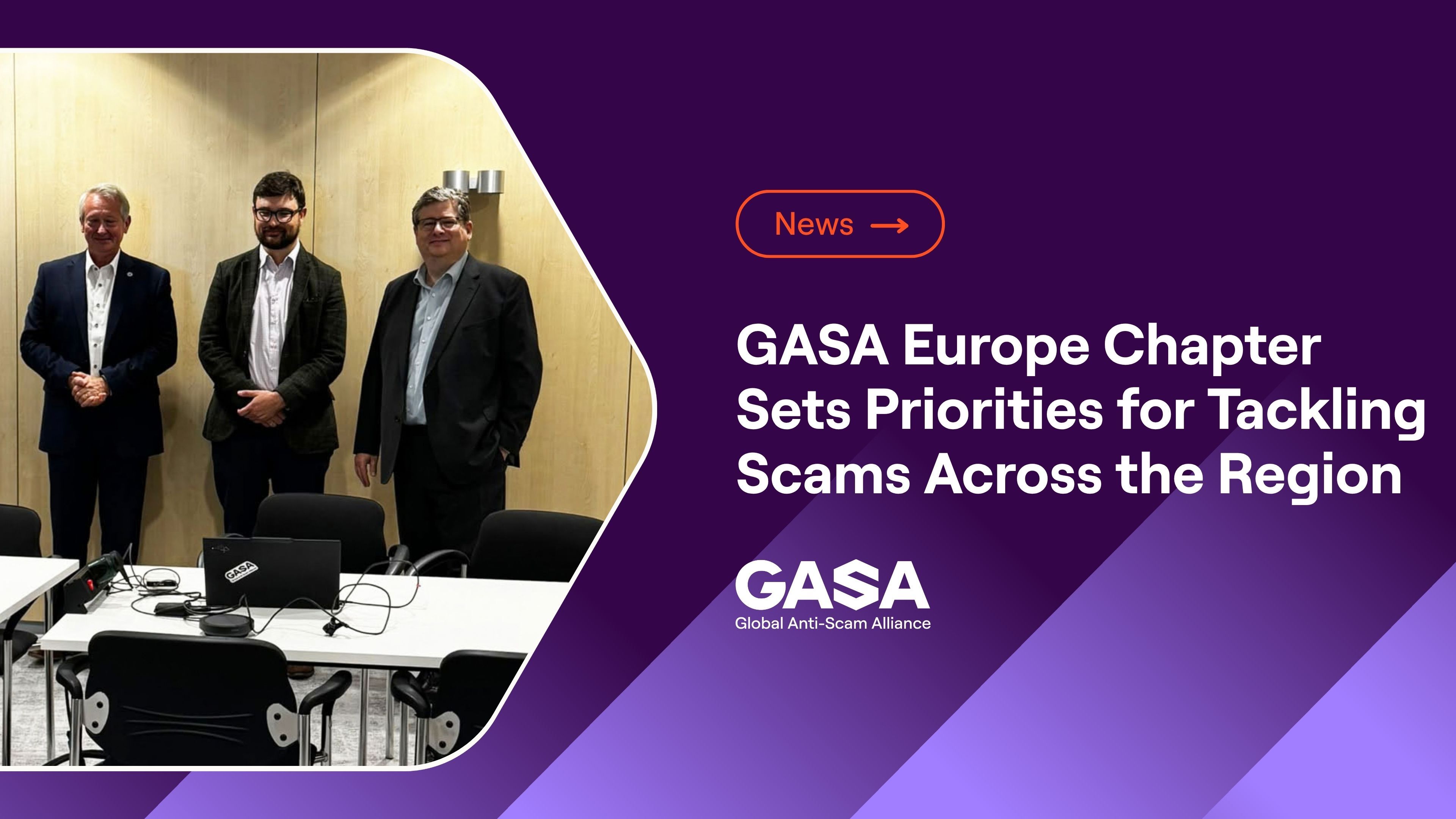
GASA Brings Stakeholders Together in Brussels for First Europe Chapter Meeting
GASA Europe brings 50+ stakeholders together in Brussels to discuss scam trends, data sharing and cross-sector priorities.
Research Working Group Meeting: Fraudulent Tickets and Robocall Scam Tactics
Research presented to GASA examines consumers’ ability to spot fraudulent tickets and tactics found across 4.49 million scam and spam robocalls.
-2.jpg)
Fighting Fraud Without Borders: Cross-Regional Collaboration in Latin America and Beyond
A roundtable at GASS America examined cross-regional collaboration in Latin America and beyond, focusing on fraud prevention, consumer protection and response.
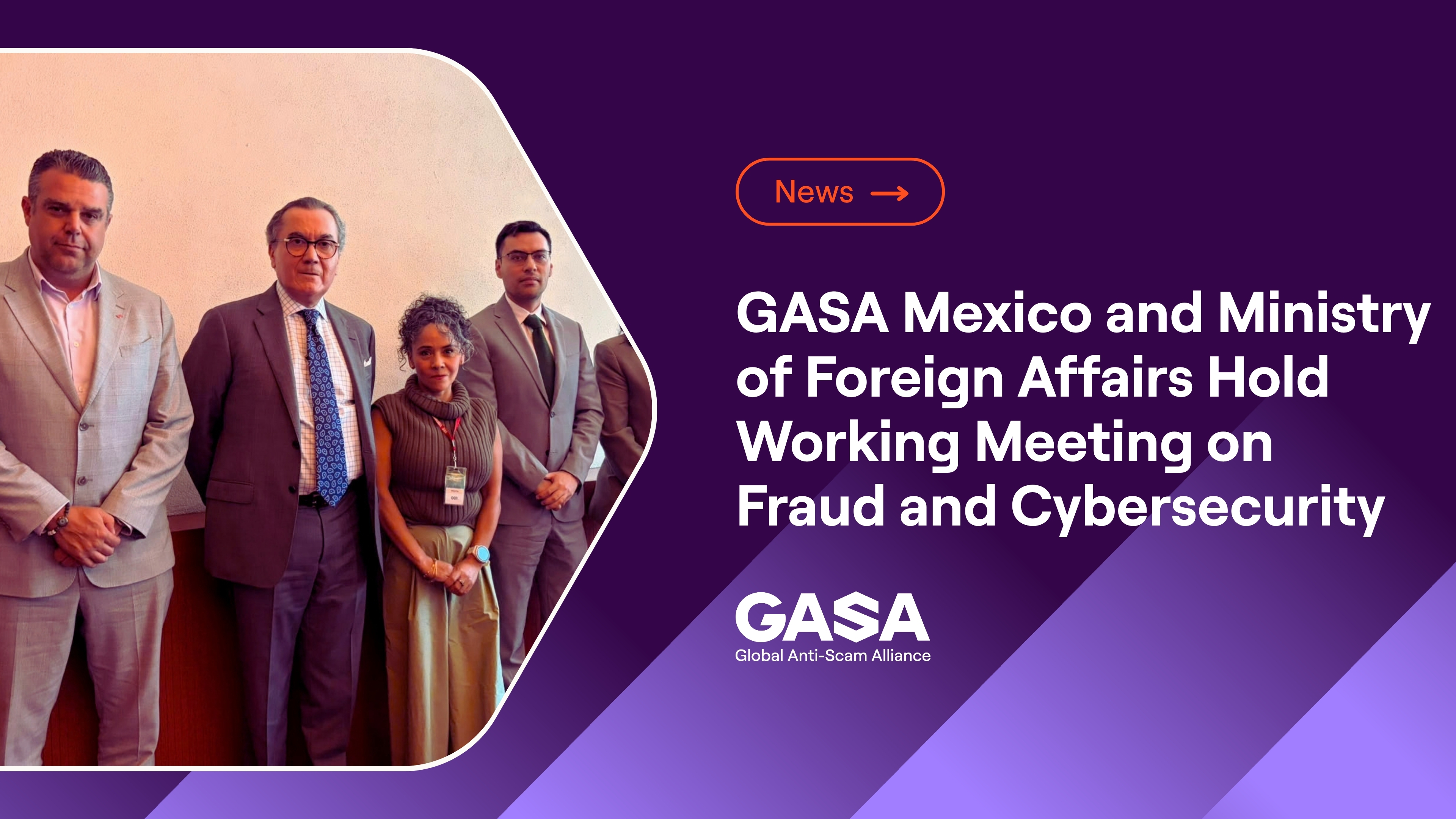
GASA Mexico and the Ministry of Foreign Affairs Hold Working Meeting Ahead of the Chapter’s Annual Forum, “From Coalition to Action”
GASA Mexico and the Ministry of Foreign Affairs convened Mastercard and Scotiabank to discuss fraud, cybersecurity, information sharing and emerging technologies.