
Date of Event: 26–27 March 2025
Event: Global Anti-Scam Summit London 2025
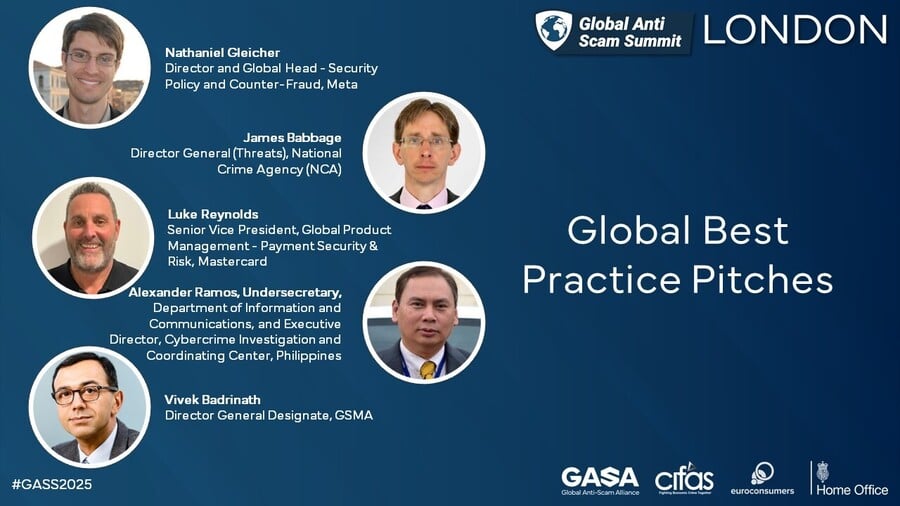
At the Global Anti-Scam Summit London 2025 , the Global Best Practice Pitches session brought together international leaders for a fast-paced series of insights into how businesses, governments, and law enforcement are stepping up the fight against scams.
Nathaniel Gleicher, Director and Global Head of Security Policy and Counter-Fraud at Meta, opened the session by showcasing new tools such as facial recognition for detecting misuse of public figures and video selfie verification for account recovery. He emphasised the importance of intelligence sharing across industries to stay ahead of evolving threats.
James Babbage, Director General (Threats) at the National Crime Agency, followed with a powerful update on law enforcement’s response to fraud in the UK. He highlighted coordinated operations resulting in hundreds of arrests and discussed how international collaboration is essential to disrupting scam networks at scale.
Luke Reynolds, Senior Vice President, Global Product Management - Payment Security & Risk at Mastercard, explained how real-time data analysis and network-level insights are helping banks detect fraudulent transactions earlier. He stressed the need for cross-sector collaboration to counter increasingly complex scams.
Alexander Ramos, Undersecretary at the Philippines' Department of Information and Communications and Executive Director of the Cybercrime Investigation and Coordinating Center, shared the country’s aggressive action against scam hubs and the development of new national strategies to empower the public and fight misinformation.
Finally, Vivek Badrinath, Director General Designate of GSMA, highlighted how global mobile operators are deploying real-time fraud detection tools and creating unified frameworks to support seamless collaboration with financial institutions worldwide.
Watch the full session below to hear how global collaboration is turning the tide against scams.


BanCoppel joins the Global Anti-Scam Alliance to bolster fraud prevention and safeguard individuals entering the banking system.
BanCoppel has joined the Global Anti-Scam Alliance (GASA) as a Corporate Member of the GASA Mexico Chapter.
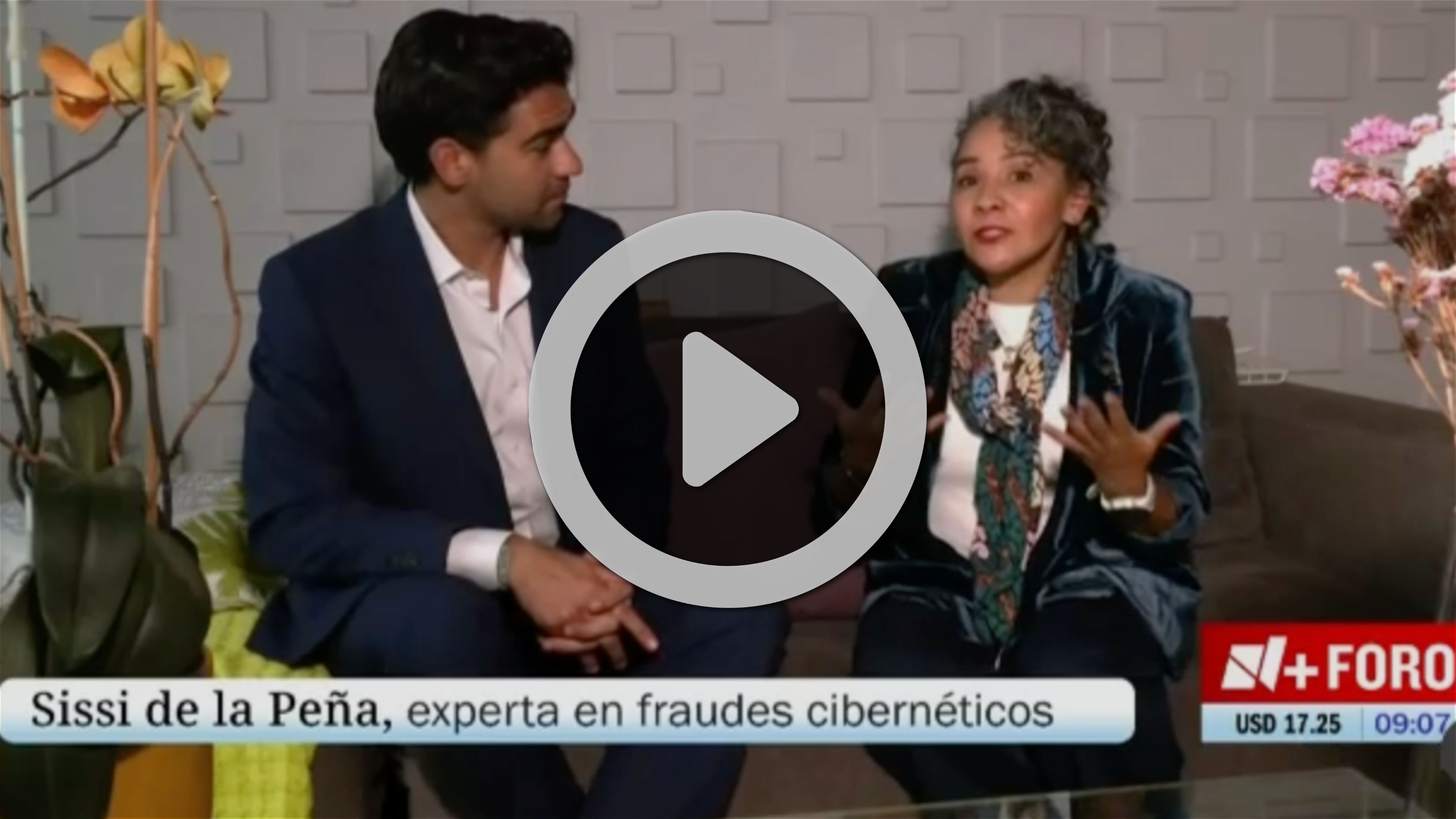
The emotions scammers exploit: how social engineering influences our decisions
How scammers use fear, urgency, excitement and trust to influence decisions, and how recognising these tactics can help people prevent fraud.

Global Anti-Scam Alliance Welcomes Mastercard as Founding Member of Its Mexico Chapter
The Global Anti-Scam Alliance (GASA) announces the membership of Mastercard as a Member of its Mexico Chapter.
What Uganda’s IVR Trial Shows About Practice-Based Scam Prevention
A Uganda IVR trial shows how practice-based fraud prevention helped mobile money users reduce losses and increase reporting.
FTC’s Never EVER Campaign Helps Prevent Elder Financial Abuse With Simple, Specific Scam Warnings
The FTC’s Never EVER campaign uses simple, specific imposter scam warnings to help prevent elder financial abuse and support coordinated consumer education.
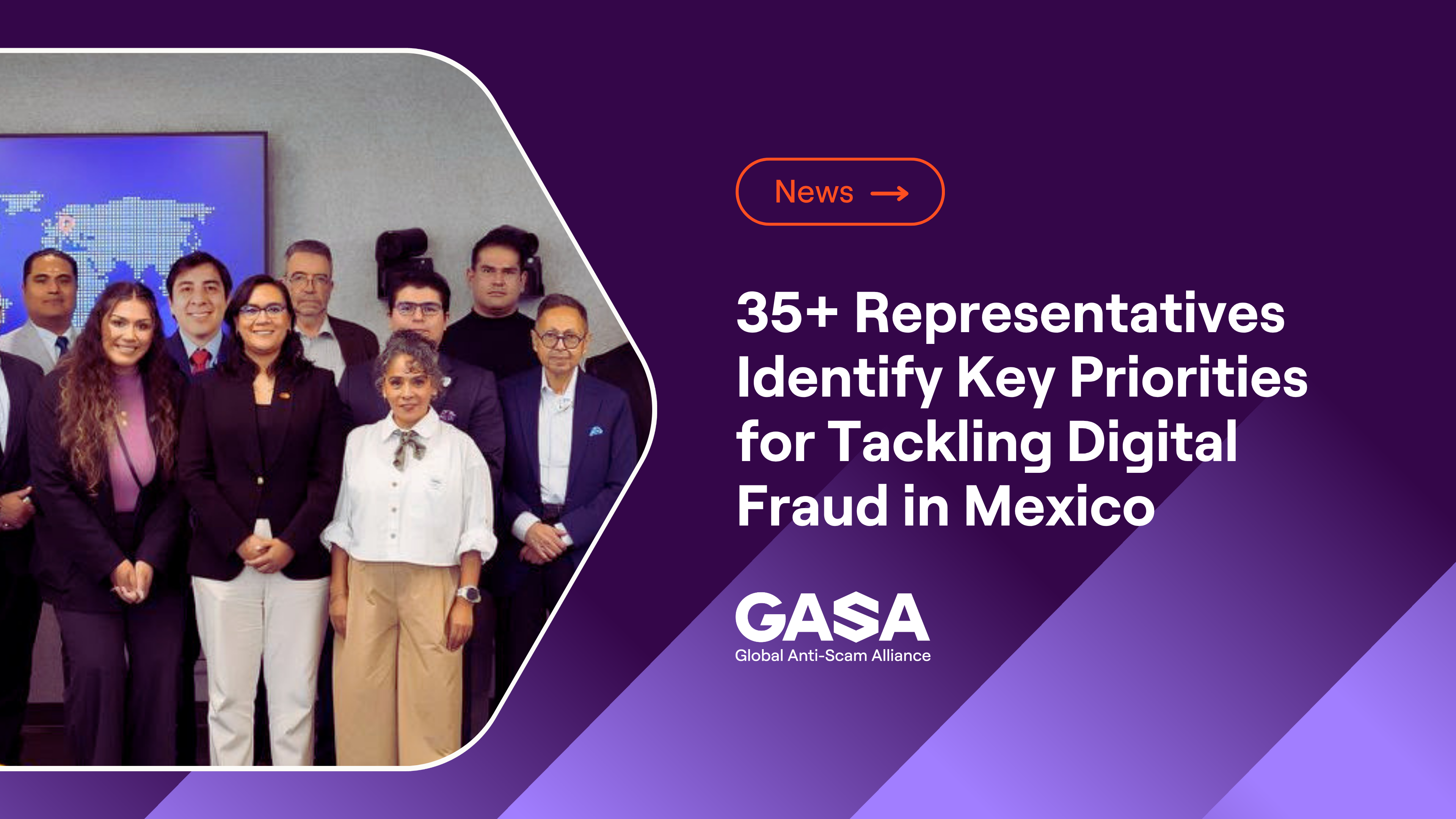
GASA Mexico's Second Roundtable Advances Coordinated Action Against Digital Fraud
GASA Mexico's second roundtable brought together more than 35 representatives to strengthen coordination across cybersecurity, fraud prevention and other sectors.
Cognyte Joins Global Anti-Scam Alliance to Fight Financial Fraud Threats
Cognyte, a global leader in investigative analytics software, today announced its membership in the Global Anti-Scam Alliance (GASA).
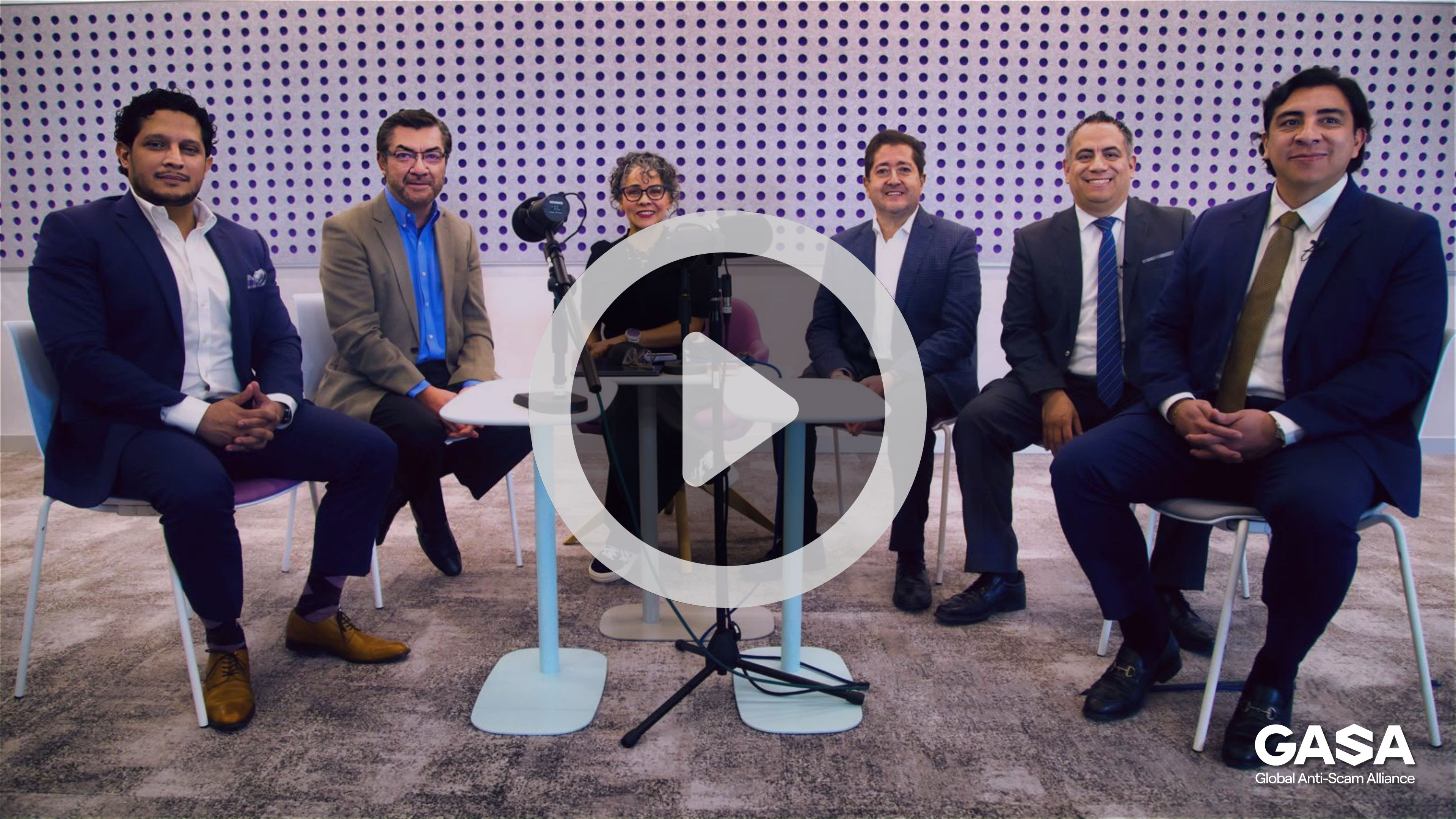
A network is beaten by a network: Mexico's banks move from remediation to prevention
GASA convened the ABM Fraud Committee and Mexican banks to advance the enriched agreement and strengthen coordinated fraud prevention across the sector.