
(Original Portuguese title: “O que esperar dos golpes em 2026 na era da IA?”)
Date of Event: 4th of March 2026
Event: GASA Brazil Meet-Up
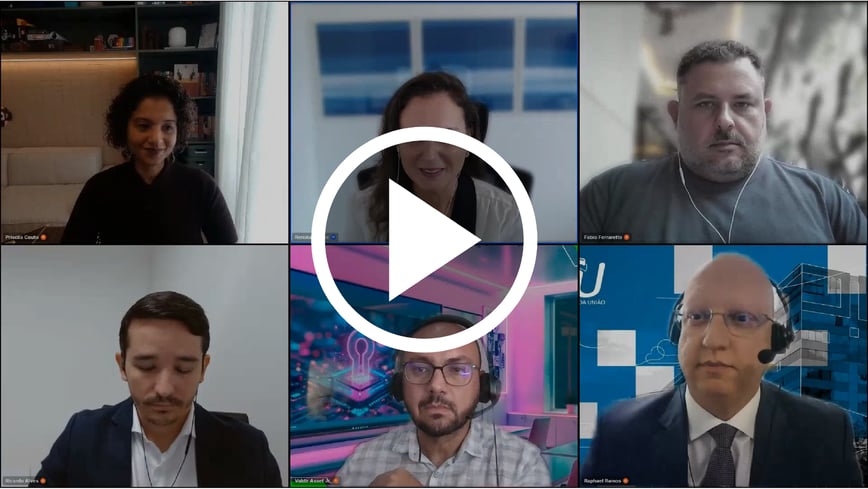
Scams are evolving rapidly as artificial intelligence reshapes how criminals operate online. The GASA Brazil Chapter meet-up, O que esperar dos golpes em 2026 na era da IA? explored how AI-driven fraud is transforming the threat landscape and what individuals, companies, and governments should expect in the coming years.
Hosted by the Global Anti-Scam Alliance Brazil Chapter and moderated by Renata Salvini, the discussion brought together experts from across cybersecurity, telecommunications, finance, and fraud prevention. The session examined how criminal networks are increasingly industrialising scams by combining automation, data harvesting, and AI tools to scale attacks at unprecedented speed.
Speakers:
-
Anna Carvalhido - Public Policy Leader - Brazil, Tools for Humanity
-
Priscila Couto – Program Lead, Trust and Safety LATAM, Google
-
Dr Raphael Ramos Monteiro de Souza – Procurador Nacional de Defesa da Democracia, Advocacia-Geral da União
-
Ricardo Alves - Technical Advisor, State School of Consumer Protection, Procon-MPPI
-
Valdir Assef Jr. – Cybersecurity Manager, Febraban
-
Renata Salvini – Director, GASA Brazil Chapter (Moderator)
The panel highlighted how generative AI is dramatically lowering the barrier for criminals to create convincing scams. Tools that can generate realistic text, audio, and even video allow fraudsters to impersonate trusted individuals or institutions with far greater credibility than traditional phishing attempts. Combined with large-scale data leaks and social media intelligence, scammers can personalise attacks in ways that make them far more effective.
Speakers also emphasised the growing professionalisation of scam operations. Fraud networks increasingly function like organised businesses, with specialised roles for developers, recruiters, and financial mules. AI enables these groups to automate messaging campaigns, analyse victim responses, and optimise scams in real time, making attacks both faster and more targeted.
Despite the growing sophistication of scams, the discussion stressed that collaboration across sectors remains the most effective defence. Financial institutions, telecom operators, technology platforms, law enforcement, and consumer protection organisations must share intelligence and coordinate responses to disrupt fraud networks at scale. At the same time, improving public awareness and digital literacy will remain essential as scammers continue to exploit new technologies.
Watch the full discussion below to learn how experts believe AI will reshape the scam landscape and what organisations can do now to prepare for the threats ahead.

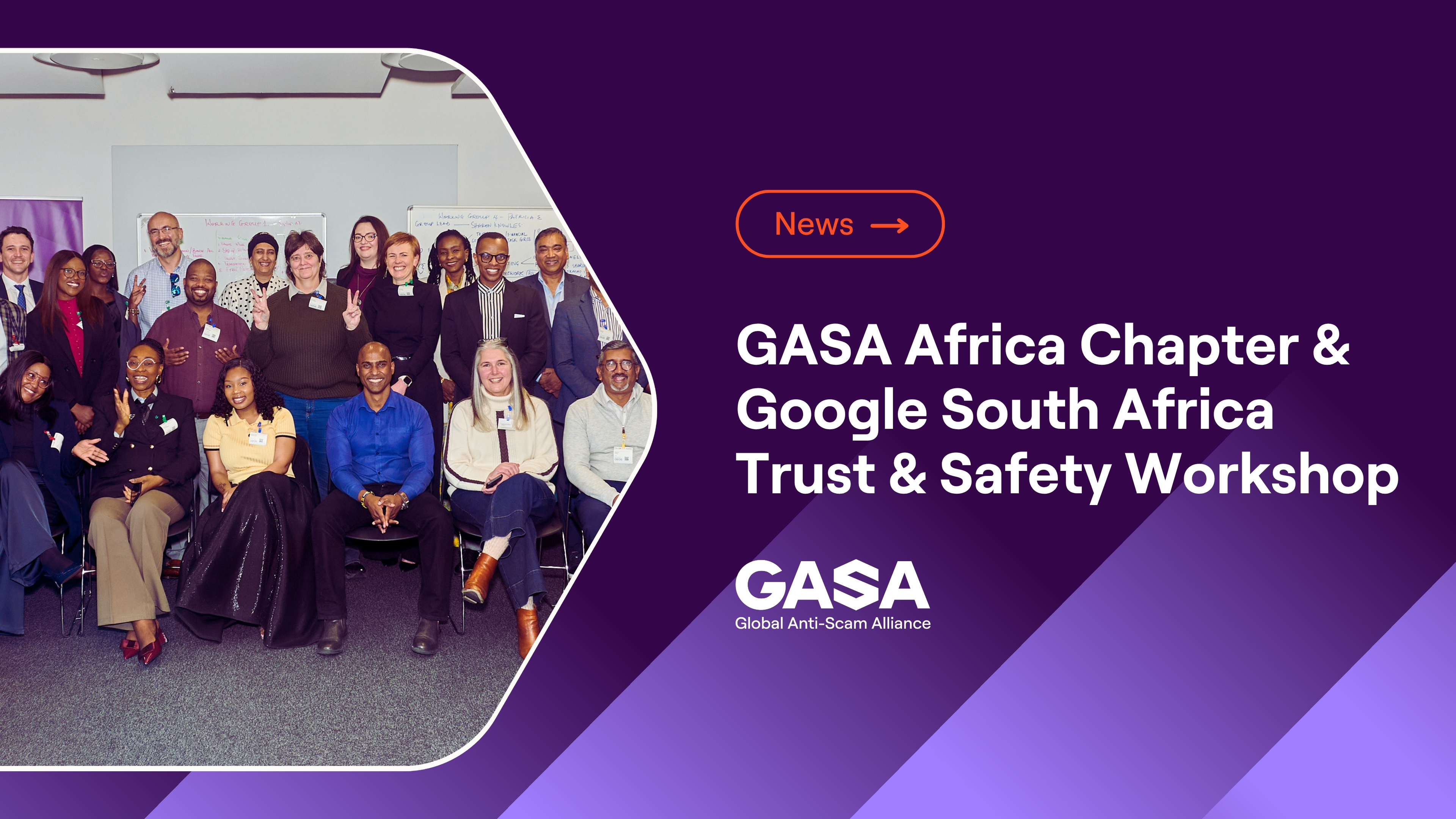
Accra Trust & Safety Workshop Turns Collaboration into Action Against Scams and Fraud in West Africa
GASA Africa Chapter and Google South Africa brought anti-fraud leaders together to strengthen cross-border cooperation and scam prevention.
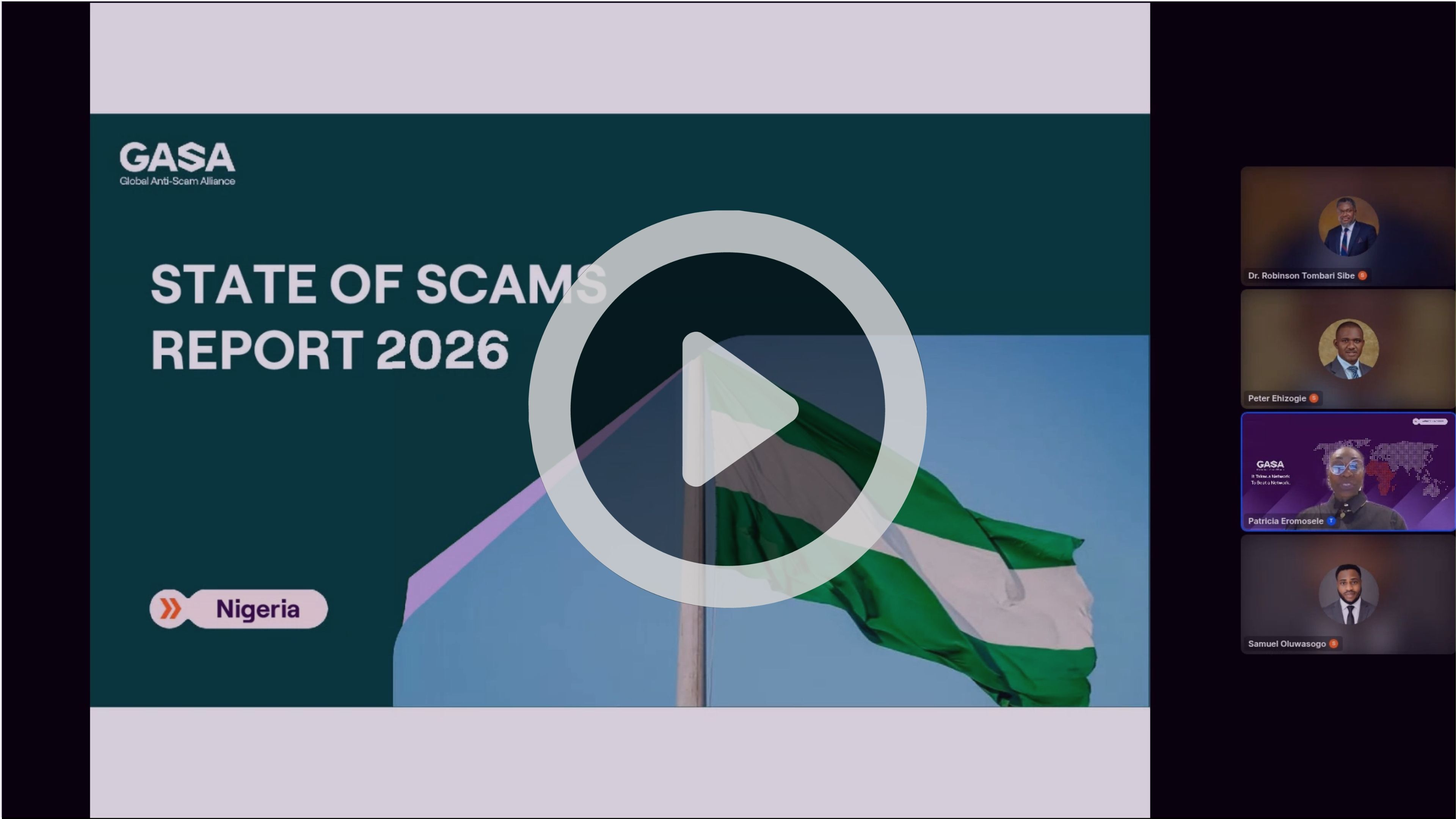
State of Scams in Nigeria 2026: A Comparative Review Across Africa
Nigerian experts examine scam trends, technology, consumer protection and the need for stronger cross-sector collaboration.
Nearly three in four Danish adults encountered scams as estimated losses reach DKK 10.1 billion
New State of Scams Denmark 2026 report finds scam exposure is rising, while victims face repeated financial and emotional harm.
Building a More Trusted Digital Philippines: New Report Underscores the Need for Collective Action as Scam Exposure Continues to Rise
GASA’s State of Scams in the Philippines 2026 Report, in collaboration with Mastercard and Gogolook, highlights the growing scale of the scam challenge in the Philippines.
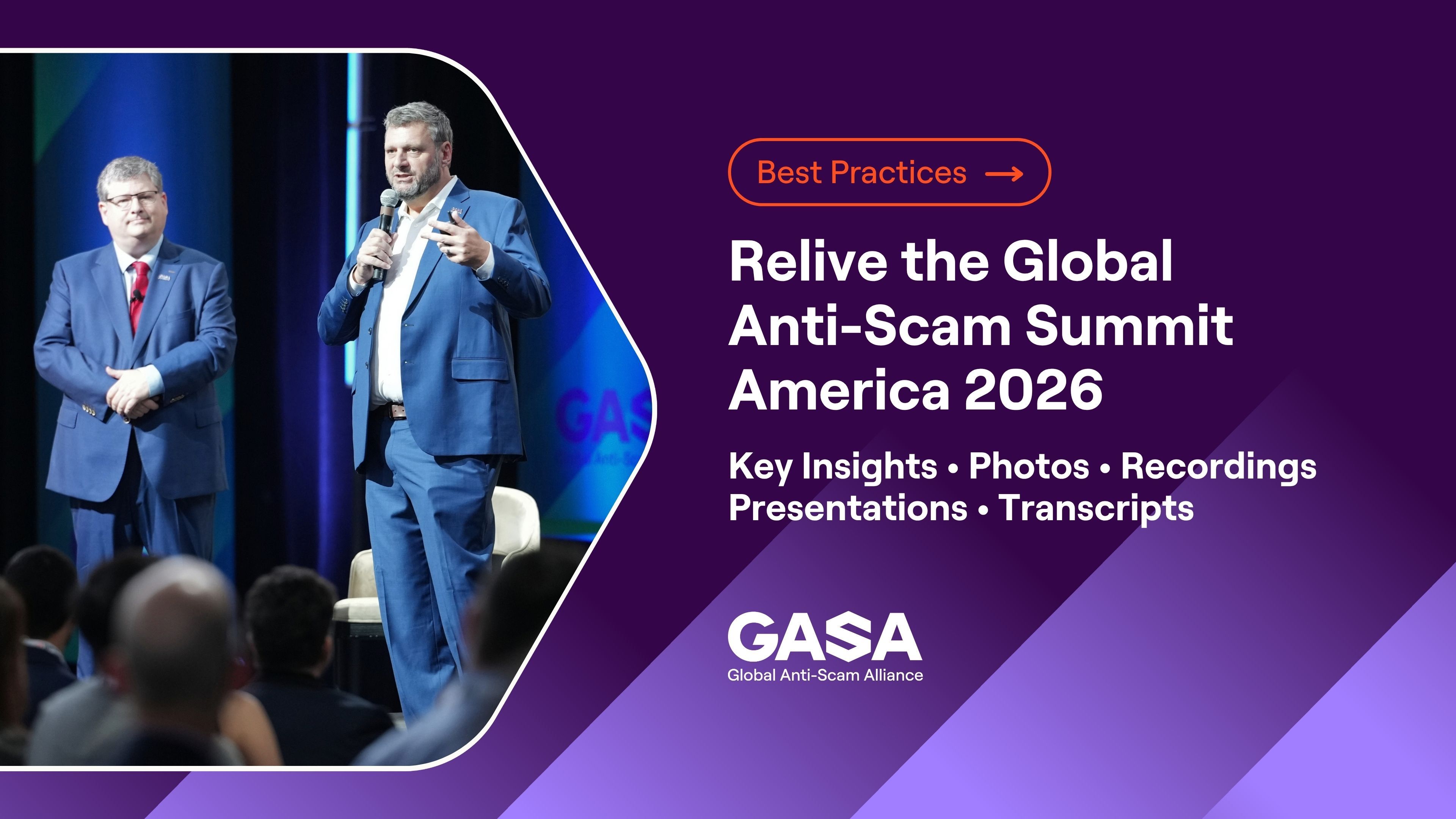
Global Anti-Scam Summit America 2026: Highlights, Insights and Resources
Explore GASS America 2026 highlights and insights, with the Summit summary, photos, presentation slides, transcripts and session recordings from San Francisco.
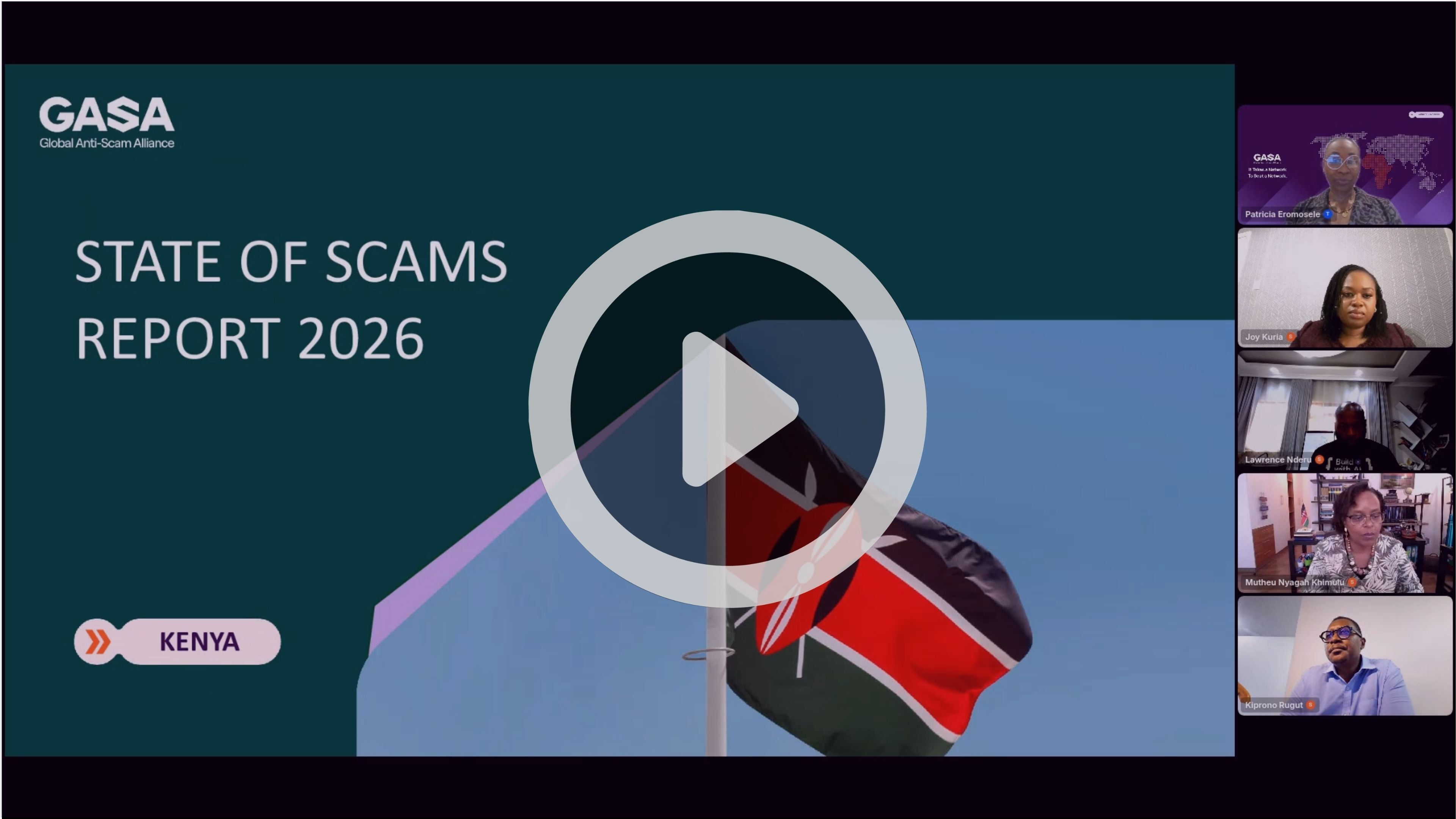
State of Scams in Kenya 2026: A Comparative Review Across Africa
Kenyan experts examine scam trends, data sharing, digital trust and the need for stronger cross-sector prevention.
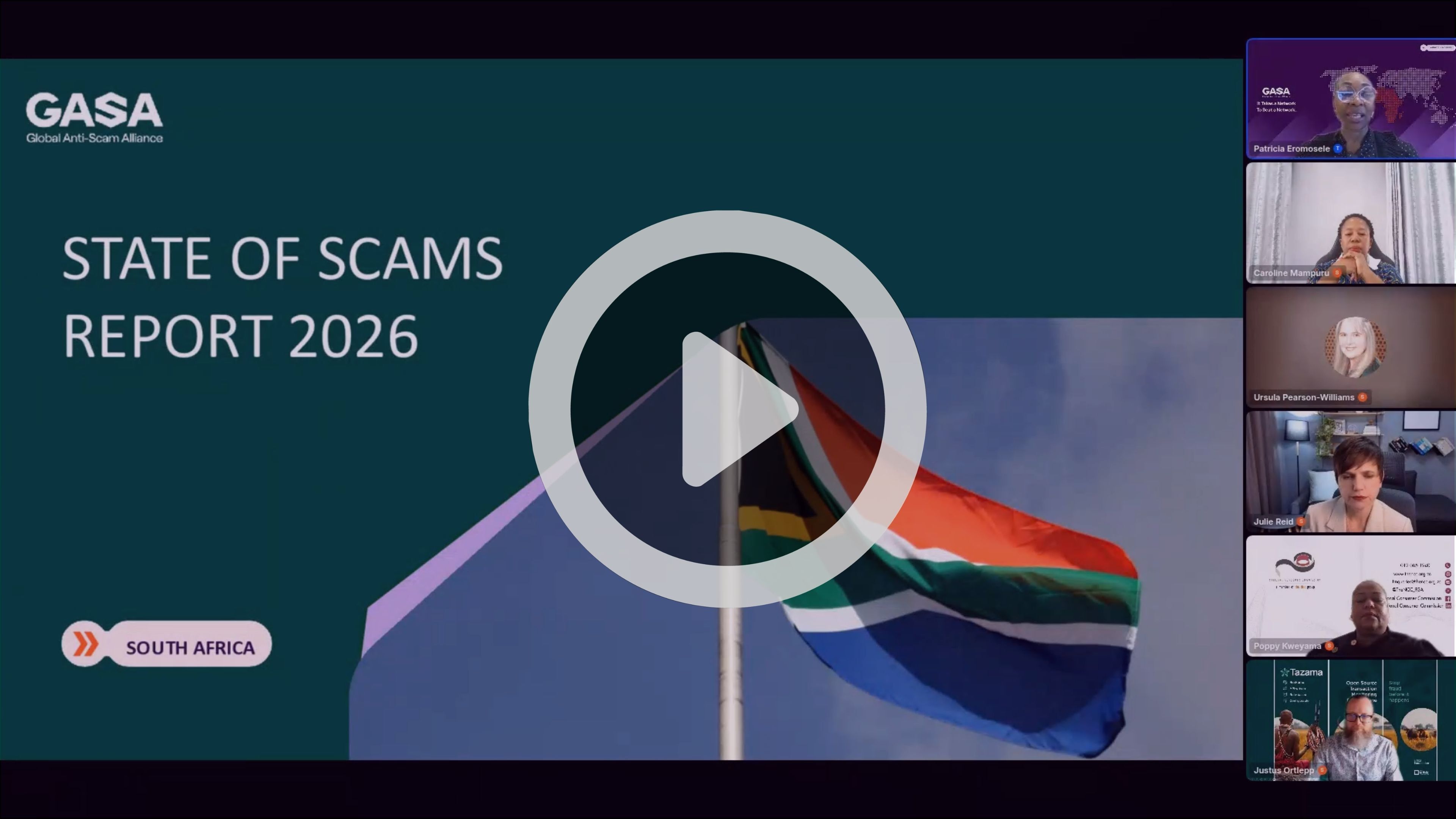
State of Scams in South Africa 2026: A Comparative Review Across Africa
South African experts examine scam trends, AI, consumer protection and the need for stronger cross-sector collaboration.
-3.jpg)
More than one in five adults in Japan encountered scams in the past year
New State of Scams Japan 2026 report examines how scams are reaching consumers and where stronger prevention and collaboration can make a difference