Game Over for Scammers: Regional Defenses Against Online Gambling–Related Scams

Date of Event: 30 April 2026
Event: GASA Meet-Up
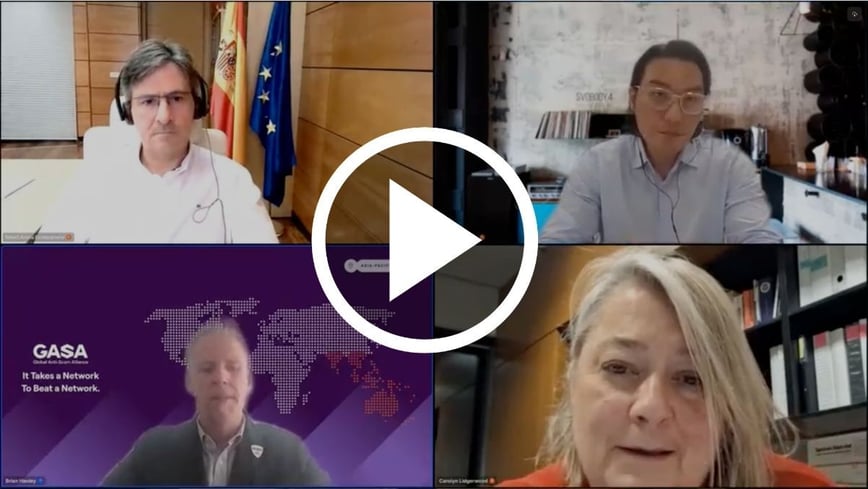
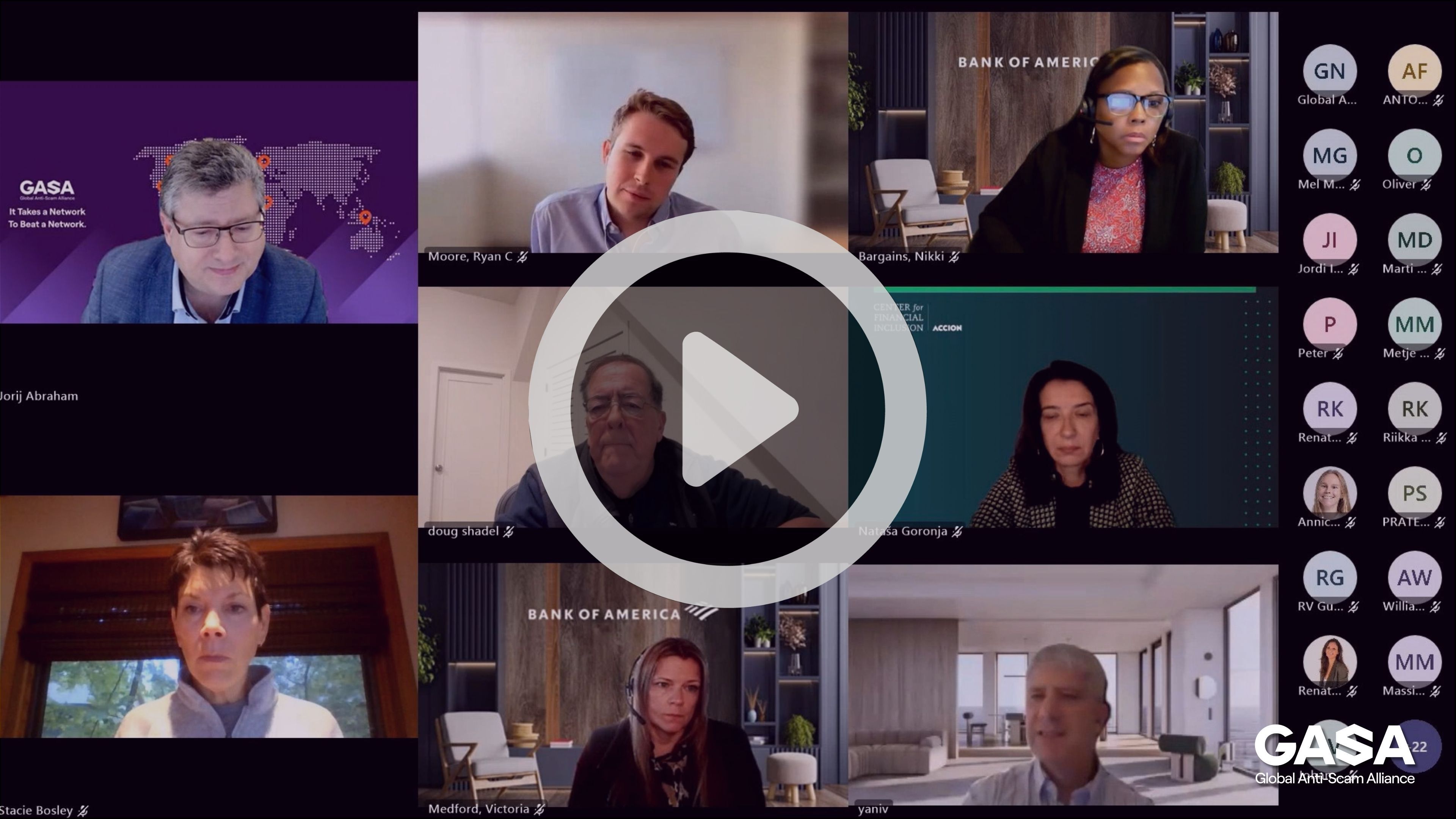
webinar thumbnail

Online gambling-related scams have emerged as one of the fastest-growing and most complex threats facing consumers globally. Criminal networks have identified gambling environments as highly effective vehicles for fraud — combining high-frequency transactions, emotional decision-making, and limited transparency to create ideal conditions for large-scale deception. Victims rarely enter these platforms suspecting fraud; they enter believing they are gambling. The pathway from perceived legitimate activity to scam often begins with social media ads, influencer endorsements, or trusted referrals, before shifting into manipulated odds, withdrawal barriers, fee extraction, and outright theft. Global scam losses surpassed US$1 trillion in 2024, and no region is immune.

Speakers:

  • Brian Hanley, Asia-Pacific Director – Global Anti-Scam Alliance (GASA)  (Moderator)
  • Carolyn Lidgerwood, Authority Lead, Gambling – Australian Communications and Media Authority (ACMA) 
  • Mikel Arana Echezarreta, Directorate General– Dirección General de Ordenación del Juego (DGOJ) 
  • Sungyong Kang, Criminal Intelligence Officer – INTERPOL Financial Crime & Anti-Corruption Centre (IFCACC) 

The webinar surfaced stark findings across three jurisdictions. Spain's DGOJ shared that since 2013, they have blocked nearly 2,500 gambling portals and over 22,000 individual URLs through administrative action alone — without the need for court orders — and have imposed 221 serious sanctions totalling more than €500 million in fines over the past five years.
Hear from Mikel

Gambling fraud networks are global, while regulation remains national. Forums like this are crucial to share information and prevent harm — future effectiveness depends on payment traceability, affiliate controls, and international cooperation.

Mikel Arana Echezarreta
Directorate General– Dirección General de Ordenación del Juego

Australia's ACMA detailed the rise of "scambling" — a term coined for illegal online gambling platforms that deliberately target vulnerable communities, including Indigenous Australians, using social media, PayID payments, and rapidly shifting URLs to evade detection. Carolyn Lidgerwood painted a sobering picture of the real-world consequences:

hear from Carolyn

For people in some of our remote Indigenous communities who are on low incomes, what this means in practice is that they can't pay their rent. They can't buy food. These are particularly insidious scams — and in some remote communities, almost all the households seeking financial help are caught up in these types of schemes.


Carolyn Lidgerwood
Carolyn Lidgerwood
Australian Communications and Media Authority

She also offered a direct message to the public: "When you start getting these messages on your WhatsApp, Facebook, or Instagram — they're scams. You are not going to win any money. You are just going to lose money.

INTERPOL's IFCACC presented the global scam landscape as increasingly industrialised, with criminal operations structured around a clear division of labour and a deeply entrenched link to online gambling — used both as a scam vehicle and as a channel for laundering proceeds. Sungyong Kang described how the ecosystem has evolved:

Hear from Sungyong

The scam itself has been very much industrialised. Criminals are cooperating between each other — they divide the chores. Scammers scam, they rely on proficient money launderers, they hire others to gather and withdraw the money, and they share scripts via the dark web. What used to require many hands now runs like an industry.

Sungyong Kang
Sungyong Kang
Criminal Intelligence Officer, Interpol

INTERPOL's I-GRIP mechanism — which enables law enforcement agencies to rapidly intervene and intercept criminal funds across borders — has already resulted in the recovery of significant sums for victims worldwide. I-Checkit further allows financial institutions to screen identity documents in real time against INTERPOL's databases of stolen and lost travel documents.

Online gambling-related scams are not simply a gambling problem — they are simultaneously a financial crime, a consumer protection failure, and a profound social harm. As Brian Hanley of GASA summarised in closing:
Hear from Brian

This is not just a gambling problem. It's a scam. It's a money laundering vehicle. And it's a social harm all at once. The response needs to be full stack — regulation, enforcement, cross-border cooperation, financial intelligence, and public awareness working together. A fragmented response will always struggle to keep up

Brian D. Hanley
Brian D. Hanley
GASA Chapter Director - APAC

Watch the full discussion to learn how global regulators and law enforcement are tackling online gambling-related scams.

Explore our upcoming webinars to continue the conversation, or browse past sessions for deeper insights into evolving scam threats.

May 1, 2026
5 minute read
Category
Region - Europe Video Topic - Fraud Policy Event - GASA Meet-Ups Industry - Law Enforcement Industry - Financial Authorities Region - Asia-Pacific Industry - Policy Makers Topic - Scam Prosecution & Enforcement
Written by
Global Anti-Scam Alliance (GASA)
Share article

Latest blogs & research

Brazil Strengthens Online Safeguards for Minors

Brazil Introduces New Digital Protections for Minors

Brazil’s new digital statute strengthens protections for minors through platform design controls, age assurance measures, and regulatory enforcement.

Best Practices Topic - Fraud Policy Industry - Law Enforcement Industry - Policy Makers
Romance scams continue to grow worldwide, exploiting trust, emotional vulnerability, and online relationships to manipulate victims into financial and emotional harm. Timed around Brazil’s Valentine’s Day period, the latest GASA meet-up, Golpes do Amor — Como eles acontecem e como se proteger, explored how these scams operate, why they are so effective, and how individuals can better recognise warning signs before becoming victims.  Hosted by the Brazil Chapter of the Global Anti-Scam Alliance (GASA), the discussion highlighted findings from O Estado dos Golpes no Brasil. According to the report, romance scams have already affected 18 per cent of surveyed Brazilian adults, while 6 per cent of victims reported falling for this type of scam more than once. Beyond financial losses, speakers emphasised the severe emotional consequences victims often experience, including shame, trauma, and loss of trust.  Read the Report – O Estado dos Golpes no Brasil  Speakers: Rose Leonel, Journalist and Founder – ONG Marias da Internet Tanila Savoy, Founder – Associação Nacional de Vítimas da Internet (ANVINT) Lisandréa Salvariego Colabuono, Police Chief and Coordinator – NOAD, Polícia Civil de São Paulo Renata Salvini, Brazil Chapter Director – Global Anti-Scam Alliance  A major focus of the discussion was the manipulation techniques commonly used in romance scams. Speakers explained how scammers frequently create convincing identities, often pretending to be foreigners, military personnel, or individuals living abroad, while avoiding in-person meetings and building emotional dependency over time. Urgency and financial pressure were highlighted as major warning signs, particularly when victims are pushed to act quickly or send money under emotional circumstances.  The webinar also explored the lasting psychological impact of these crimes and reinforced that victims should never be blamed. Rose Leonel shared her personal story of transforming trauma into advocacy after becoming a victim of non-consensual intimate image sharing, an experience that ultimately contributed to the creation of the Rose Leonel Law in Brazil. Speakers stressed the importance of reporting scams, noting that even small details can assist investigations and help prevent future victims.  The conversation reinforced the need for greater public awareness, victim support, and collaboration between civil society, law enforcement, and digital platforms to address emotionally manipulative fraud more effectively. Through initiatives like this meet-up, GASA continues working with experts and organisations worldwide to strengthen scam prevention and support victims of online fraud.  Watch the full discussion below to learn how individuals and organisations can better recognise and respond to romance scams.

Romance Scams in Brazil: Warning Signs and Prevention

Experts from Brazil discuss how romance scams work, their emotional impact, and how victims can protect themselves online.

Topic - Scam Awareness Video Event - GASA Meet-Ups Industry - Law Enforcement
Acción coordinada. Impacto real. México lidera el cambio

De Viena a la Acción: GASA México y UNODC México Cierran Brechas Operativas

GASA México y UNODC México formalizan un Acuerdo de Intercambio de Comunicaciones, convirtiendo los compromisos globales de Viena en acción coordinada contra el fraude.

News Topic - Fraud Policy Industry - Policy Makers Region - Latin America
un global fraud summit what comes next discussions

What the UN Global Fraud Summit Discussions Tell Us About What Comes Next

Watch expert discussions from the UN Global Fraud Summit on the industrialisation of fraud, global collaboration, public–private frameworks, and next steps for implementation.

Best Practices Industry - National Cyber Security Centers (NCSCs) Region - Europe Region - Global
gasa webinar

Game Over for Scammers: Regional Defenses Against Online Gambling–Related Scams

Experts from INTERPOL, ACMA, and DGOJ examine how gambling-related scams operate and how global enforcement is responding.

Region - Europe Video Topic - Fraud Policy Event - GASA Meet-Ups
22,000 Fraud Signals Bank Attack Trends – March 2026

What 22,000 Fraud & Cyber Crime Operator Signals Reveal About the State of Bank Attacks

Falkin's analysis of 22,661 fraud operator signals shows how bank attacks are evolving across regions, typologies, and AI-driven scam infrastructure.

Research Region - Global Scam Trends Topic - Fraud Research
Microsoft White Paper  on Link Analysis and Digital Fingerprinting in Fraud Detection

Reinventing Fraud Detection Through Digital Fingerprinting and Link Analysis

A Microsoft white paper examines how digital fingerprinting and link analysis shift fraud detection from isolated events to connected, network-level intelligence.

Research Topic - Fraud Prevention Region - Global Topic - Scam Detection
gasa meet-up

On the Frontlines: Fighting AI-Powered Scams & Fraud

Experts from Microsoft, OpenAI, Google and C4ADS share how AI is shaping scams and how to fight back.

Topic - Fraud Prevention Region - Global Video Topic - Scam Detection