
Each year, the State of Scams Reports seek to answer a difficult but essential question: how much harm are scams really causing to people and societies around the world? For the Global Anti-Scam Alliance, these reports serve as a foundation for action and as a shared global benchmark for understanding scam victimization and financial loss. That responsibility requires a methodology that is robust, transparent, and grounded in real world evidence.
For 2026, we made a conscious decision to change how we measure scam losses. The goal was simple, but ambitious: get closer to the truth.
Why we updated the methodology
Scams are widely underreported and not always clearly recalled or described. Feelings of embarrassment lead many victims to stay silent, while those who do report may struggle to recall details or confuse promised profits with actual loses. Methods based on single questions or broad estimates can miss these nuances and present an incomplete picture of the true impact.
The updated 2026 methodology was designed to reduce these risks. We added multiple validation steps, clearer definitions, and stricter quality checks. The result is a more conservative but more reliable estimate of scam harm that reflects real world experiences rather than assumptions.
How we identify scam victims
We began by asking respondents whether they had encountered a scam in the past 12 months. Those who answered yes were shown a detailed list of common scam types, with the option to select additional scams not listed. This helped ensure that respondents were recalling actual scam encounters rather than general fraud or suspicious activity.
Respondents who reported interacting with at least one scam were then asked whether that interaction led to financial loss. This included situations where money was sent directly to a scammer or where personal information was shared and later used to steal money.
By separating scam encounters from confirmed financial losses, and by defining what constitutes a scam encounter, interaction, and loss, we avoided inflating figures based on exposure alone. This clarity intends to reduce ambiguity for respondents and supported more accurate reporting, while still reflecting the global prevalence of scams.
Verifying reported financial losses
Measuring scam losses accurately is challenging. People often do not remember exact amounts, and some losses are emotionally charged or spread over time.
To address this, respondents who reported a loss were guided through a step-by-step validation process. First, they selected a loss band from predefined ranges, informed by the distribution of losses observed in 2025. Respondents reporting higher value losses, defined as the top 50 percent of reported losses in 2025, were asked to confirm or amend their initial selection.
All respondents who indicated a loss were then asked to provide the exact amount lost. To improve accuracy, those whose reported amounts fell into the top 50 percent of losses were again given the opportunity to reconfirm or revise their answer.
This layered approach helped reduce overstatement, catch inconsistencies, and improve confidence in the final figures.
Data cleaning and quality checks
Once responses were collected, we applied strict data cleaning rules.
Responses were removed if they contained unresolved contradictions in reported losses, if answers were changed multiple times without resolution, or if open numeric values did not align with the previously selected loss bands.
We also excluded responses where reported losses exceeded annual household income, unless the respondent substantiated the loss through reports of incurred debt or provided a qualitative explanation consistent with the scale of the financial impact.
These safeguards ensured that only credible, internally consistent responses were included in the final analysis.
Calculating total value lost to scams
To estimate total losses at the national level, we calculated the mean loss per confirmed scam victim and extrapolated that figure to the adult population using official population statistics, including population data from the U.S. Census Bureau’s International Database.
For example, in France, 129 of 2,410 respondents reported losing money to scams. This equates to an estimated 2,901,896 affected adults nationally. When multiplied by the average loss of €1,573, this results in an estimated total loss of €4,654,687,678.
This approach balances individual experience with population-level realism, creating estimates that are meaningful for policy and prevention planning.
Currency conversion and transparency
All currency conversions in the 2026 reports use a clearly defined exchange rate. In this report, the conversion rate was set at 1 USD equals 0.8649 EUR, based on rates observed between 16 March 2026 and 13 April 2026.
We also provide full question wording, definitions, and methodological notes in the appendix of each report, so readers can assess and replicate our approach.
What this means for the 2026 State of Scams Reports
The updated methodology does not aim to produce the highest possible number. It aims to produce the most defensible one.
By introducing additional validation, stricter quality checks, and clearer loss calculations, the 2026 State of Scams Reports move closer to reflecting the real financial harm caused by scams. This strengthens their role as the only global baseline for scam victimization and societal cost, a role the Global Anti-Scam Alliance has committed to maintaining transparency and continuous improvement.
As scams continue to evolve, so will our methods. Because understanding the true scale of the problem is the first step toward stopping it.

Global Anti-Scam Summit America 2026: Highlights, Insights and Resources
Explore GASS America 2026 highlights and insights, with the Summit summary, photos, presentation slides, transcripts and session recordings from San Francisco.
State of Scams in Kenya 2026: A Comparative Review Across Africa
Kenyan experts examine scam trends, data sharing, digital trust and the need for stronger cross-sector prevention.
State of Scams in South Africa 2026: A Comparative Review Across Africa
South African experts examine scam trends, AI, consumer protection and the need for stronger cross-sector collaboration.
-3.jpg)
More than one in five adults in Japan encountered scams in the past year
New State of Scams Japan 2026 report examines how scams are reaching consumers and where stronger prevention and collaboration can make a difference
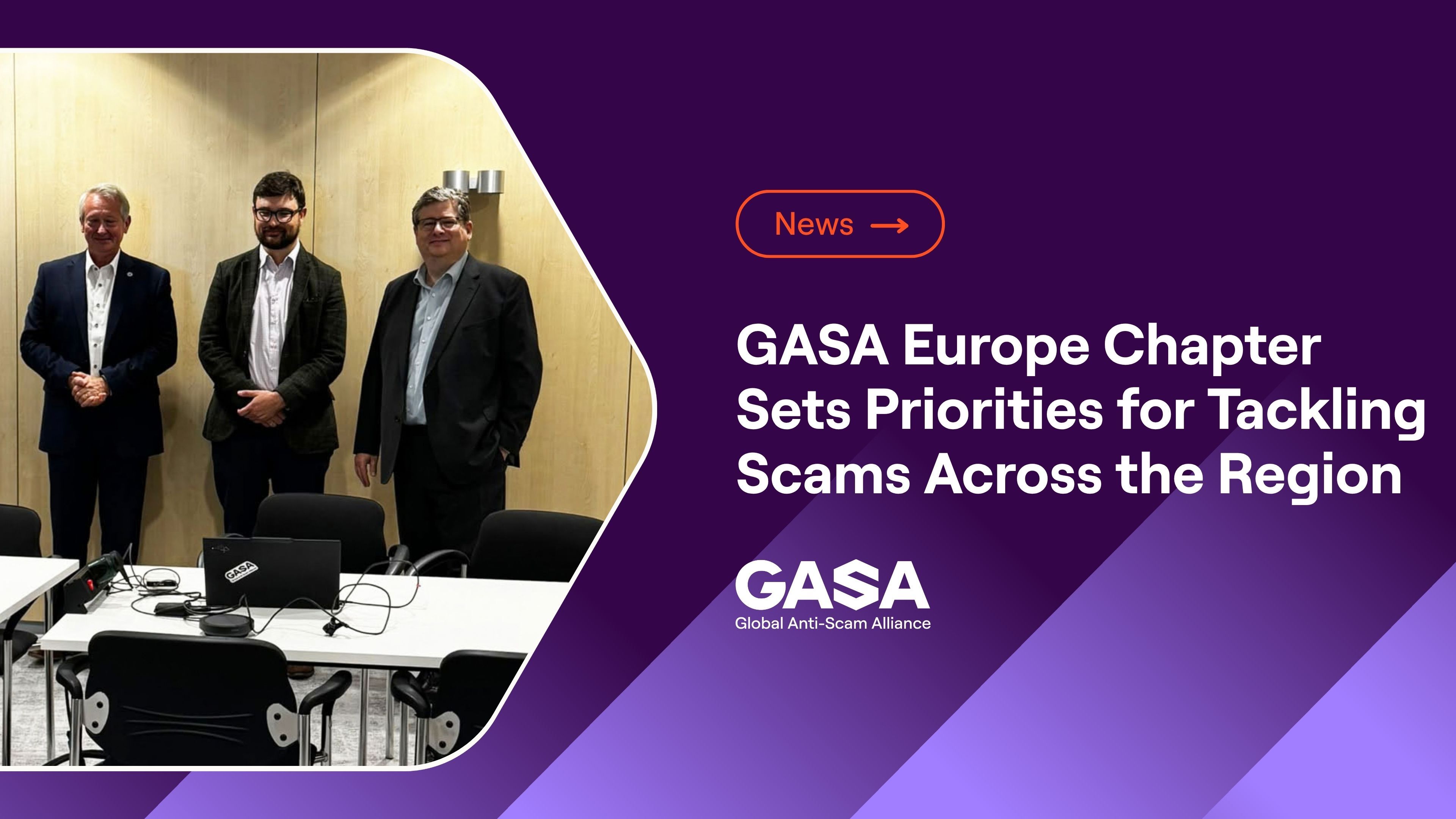
GASA Brings Stakeholders Together in Brussels for First Europe Chapter Meeting
GASA Europe brings 50+ stakeholders together in Brussels to discuss scam trends, data sharing and cross-sector priorities.
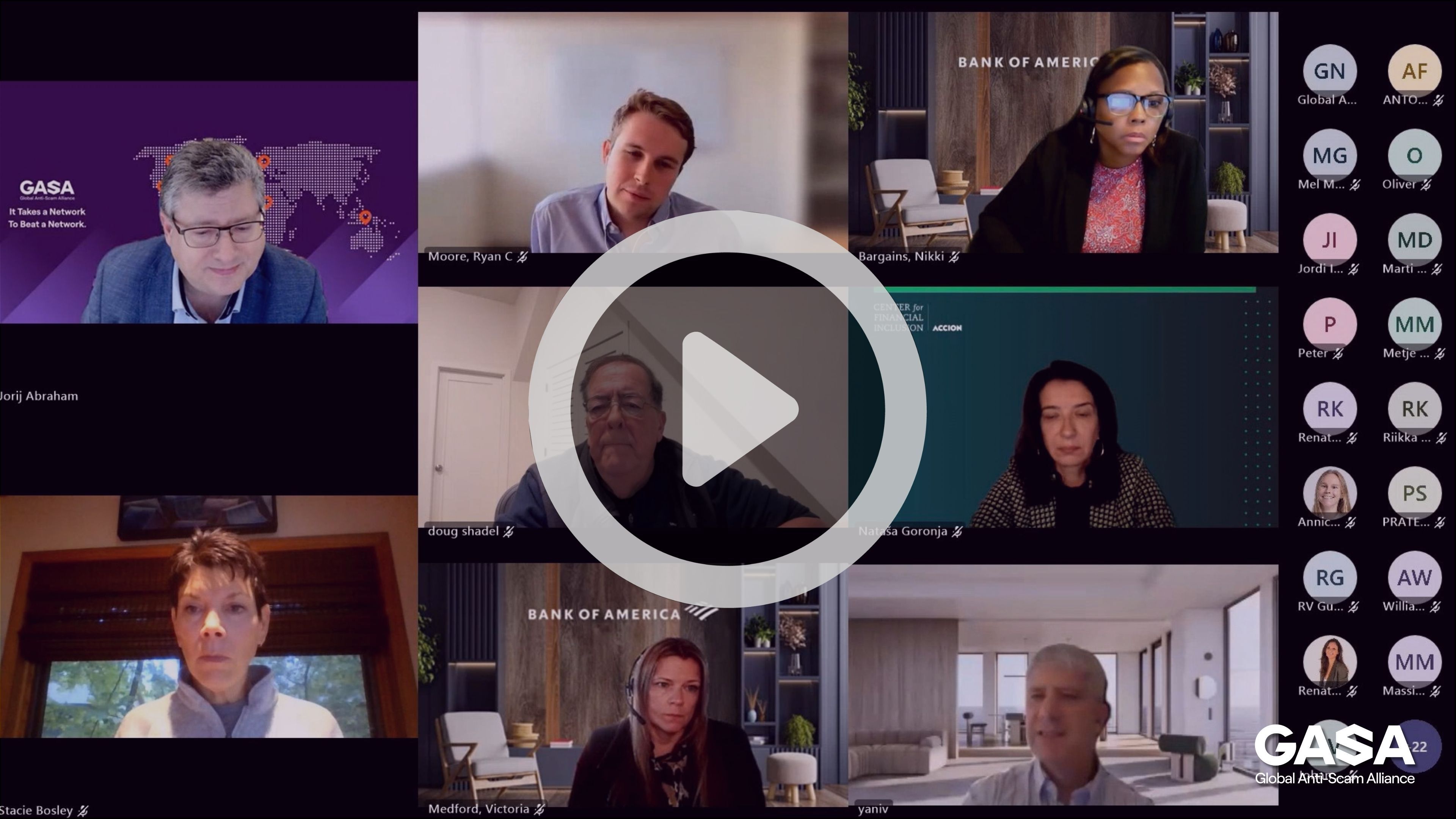
Research Working Group Meeting: Fraudulent Tickets and Robocall Scam Tactics
Research presented to GASA examines consumers’ ability to spot fraudulent tickets and tactics found across 4.49 million scam and spam robocalls.
-2.jpg)
Fighting Fraud Without Borders: Cross-Regional Collaboration in Latin America and Beyond
A roundtable at GASS America examined cross-regional collaboration in Latin America and beyond, focusing on fraud prevention, consumer protection and response.
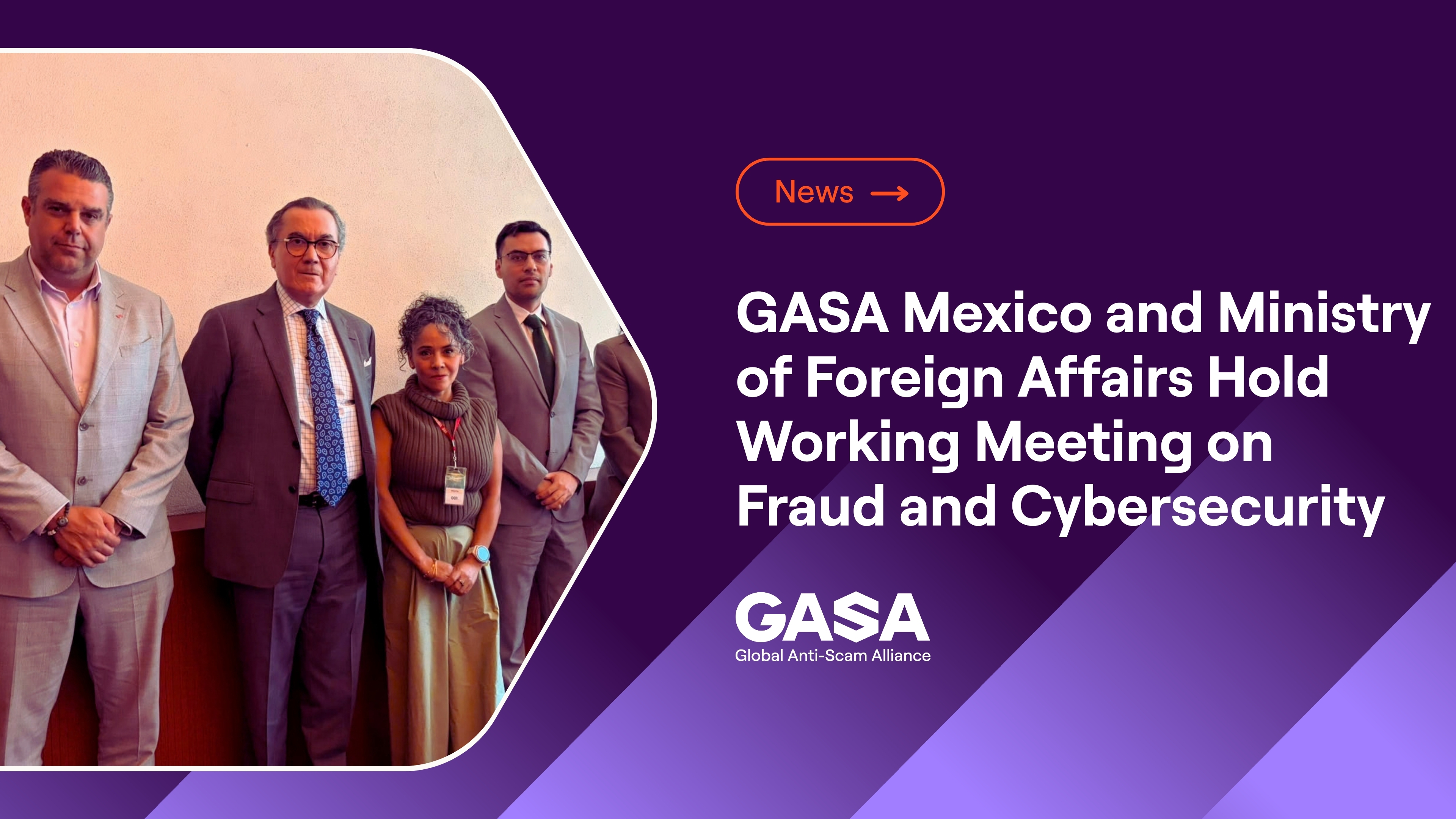
GASA Mexico and the Ministry of Foreign Affairs Hold Working Meeting Ahead of the Chapter’s Annual Forum, “From Coalition to Action”
GASA Mexico and the Ministry of Foreign Affairs convened Mastercard and Scotiabank to discuss fraud, cybersecurity, information sharing and emerging technologies.