
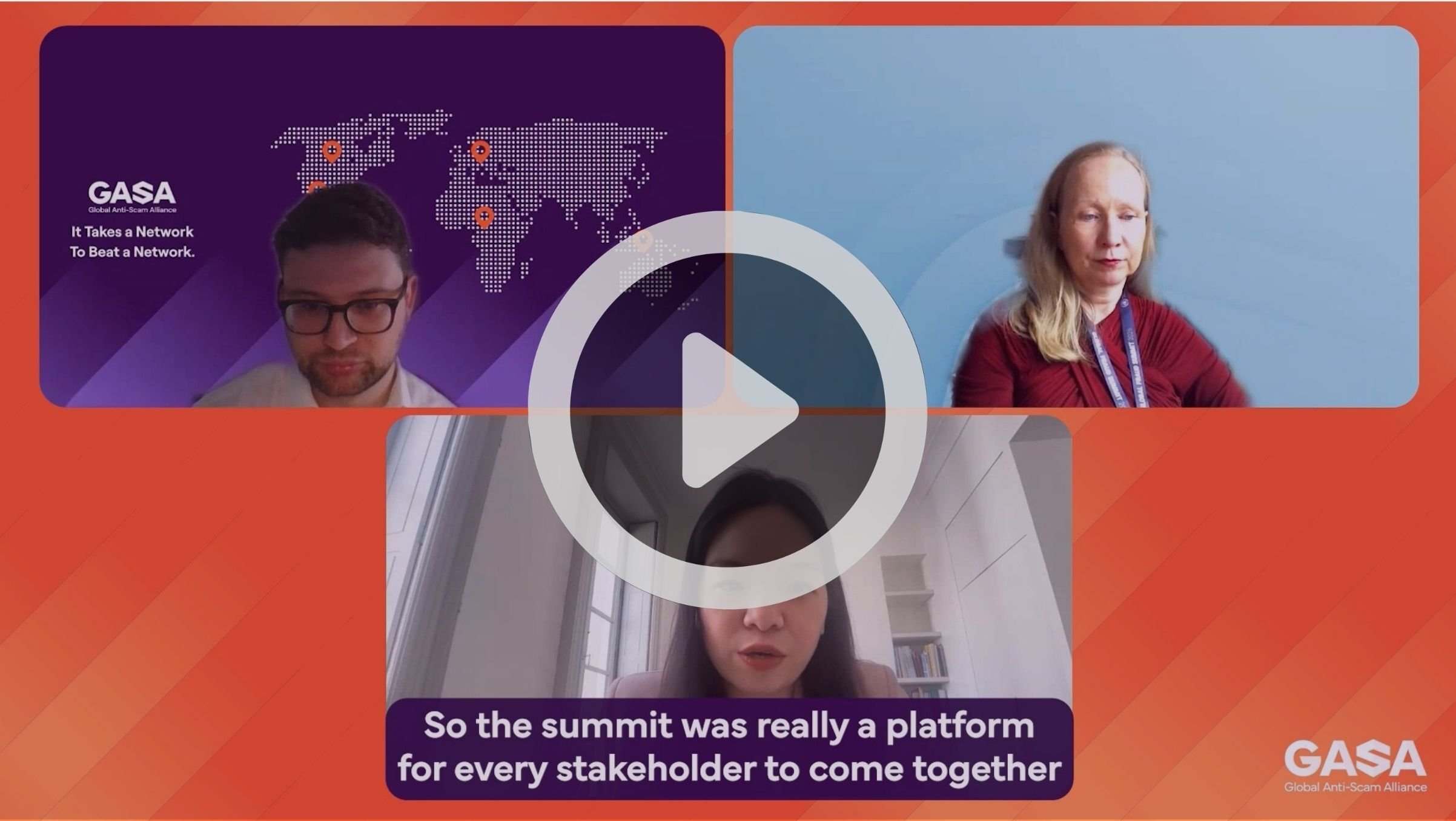
The UN Global Fraud Summit in Vienna brought global leaders together to align on how to respond to the industrialisation of fraud. In our earlier blog, we covered the key takeaways, including the growing role of public–private partnerships and the need to move from discussion to coordinated action.
To build on that, a series of short discussions were recorded following the summit, each addressing a specific question at the centre of those conversations. Across these videos, Andrei Skorobogatov (Global Anti-Scam Alliance) is in discussion with Riikka Puttonen (United Nations Office on Drugs and Crime) and Yiwen Ng (INTERPOL), covering why the summit was convened, how collaboration is expected to work in practice, and what steps are being taken next.
Why Was the Global Fraud Summit Held Now?
The discussion explains that the summit was convened in response to the scale and industrialisation of fraud, which is now driven by organised criminal groups. Speakers emphasise that fraud has become a global, systemic threat that cannot be addressed in isolation.
They highlight the need to bring together governments, law enforcement, private sector, civil society, and victims to collectively develop solutions. The summit is positioned as a coordinated global response, recognising that the impact of fraud goes beyond financial loss to include economic damage, reputational harm, and human cost.
What Does the Public-Private Partnership Framework Entail?
This discussion focuses on what collaboration actually looks like in practice. It makes clear that public–private partnerships are no longer optional, but a necessary part of tackling fraud at scale.
Speakers explain that cooperation can take different forms, and that organisations can start small to build trust, before moving towards deeper operational collaboration such as information sharing and joint responses.
The conversation also highlights the importance of national anti-scam centres, the role of the private sector in supporting them, and the broader need for a whole-of-government and whole-of-society approach.
Which Topics Will Have Lasting Impact?
This discussion identifies the areas expected to have the most long-term impact following the summit.
Key points include:
- The launch of Operation Shadowstorm, aimed at coordinating cross-border responses involving both law enforcement and the private sector
- The push to establish national anti-scam centres, supported by new guidelines
- The importance of prevention and education as the most effective long-term defence
- Continued global coordination led by international organisations like UNODC
The emphasis is on moving from discussion to structured, ongoing collaboration and implementation.
What is Included in the Call to Action on Combating Fraud?
This discussion breaks down the Call to Action, which is structured around key pillars:
- Recognising fraud as a global crime requiring a global response
- Strengthening information sharing across sectors
- Prioritising prevention
- Enhancing law enforcement and criminal justice capabilities
- Embedding public–private partnerships as a core component
The speakers also outline the Global Public-Private Partnership Framework, which includes principles such as shared responsibility, coordinated prevention, information sharing, resilience, education, and innovation.
The focus is on turning these commitments into practical implementation through global coordination and upcoming initiatives.
What was Your Favorite Part of the Global Fraud Summit?
This discussion reflects on what stood out most from the summit.
A key theme is the level of global collaboration, with stakeholders from across sectors and regions coming together despite broader geopolitical divides.
Speakers highlight:
- A strong sense of shared responsibility
- The inclusion of the private sector within a UN setting
- The opportunity to engage a broader and more senior global audience
- Growing recognition of fraud as an international security priority
Overall, the takeaway is that the summit marked a shift towards unified global engagement, creating momentum for continued collaboration.
What Comes Next
The focus now turns to implementation. The discussions point to concrete next steps, including coordinated task forces, the expansion of national anti-scam centres, and stronger cross-sector information sharing.
Many of these priorities will continue to be developed through upcoming global and regional initiatives, including the Global Anti-Scam Summit Europe 2026 in Lisbon, where the emphasis will be on turning commitments into operational models.
Progress will depend on how effectively these frameworks are applied across jurisdictions, and how quickly collaboration translates into measurable action.
Further reading
- Global Fraud Summit Outcome Documents
- UNODC Public-Private Partnership Toolkit Against Organised Fraud
- UNODC Handbook on Effective Communication Strategies for the Prevention of Organised Fraud
- Survivor-Informed Action Brief on Combating Fraud
- Issue Paper on Fraud
- INTERPOL Global Financial Fraud Threat Assessment
- Public-Private Partnership on Fraud (UK Government)
- Online Fraud Charter (Industry Accord)
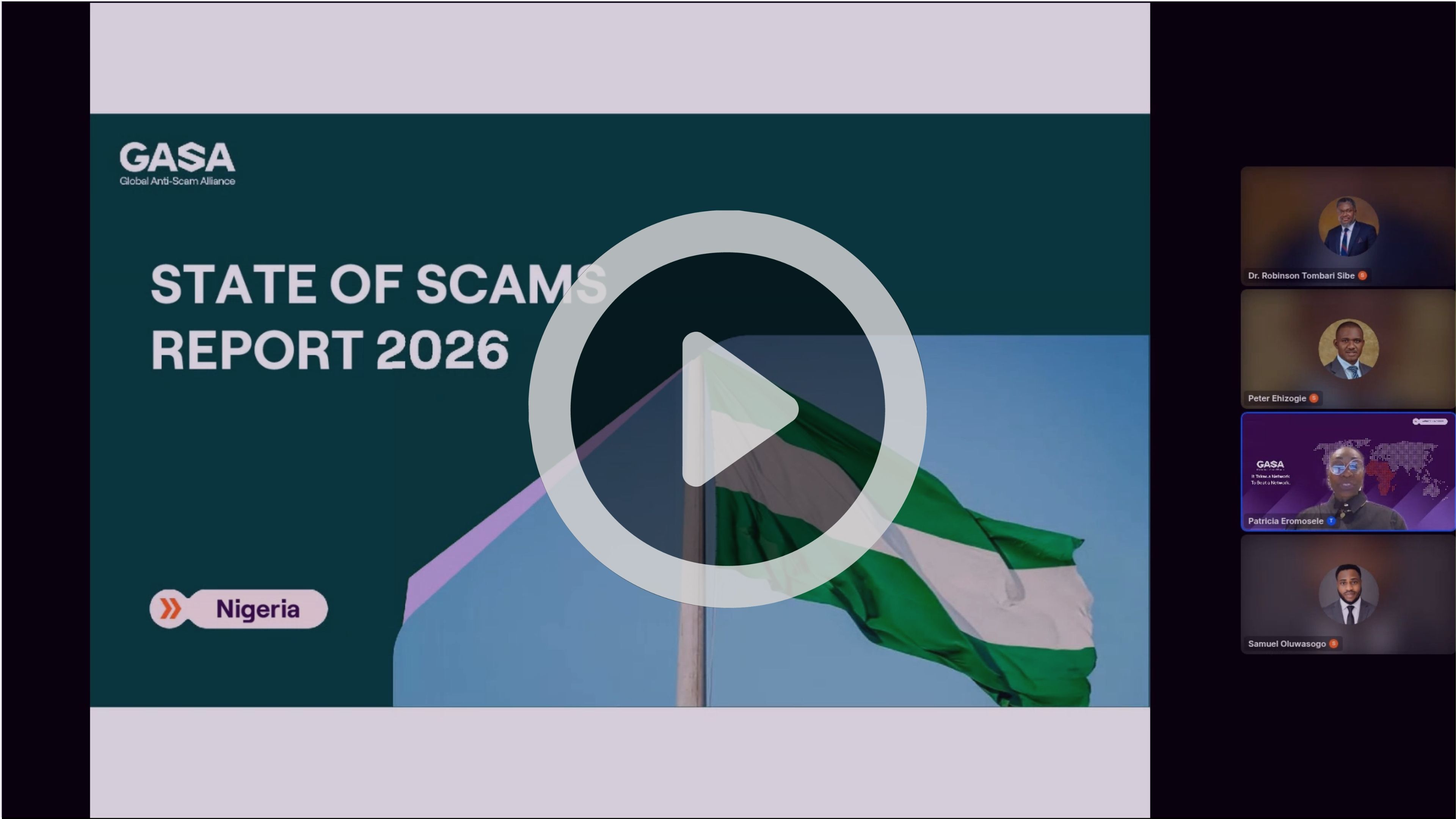
State of Scams in Nigeria 2026: A Comparative Review Across Africa
Nigerian experts examine scam trends, technology, consumer protection and the need for stronger cross-sector collaboration.
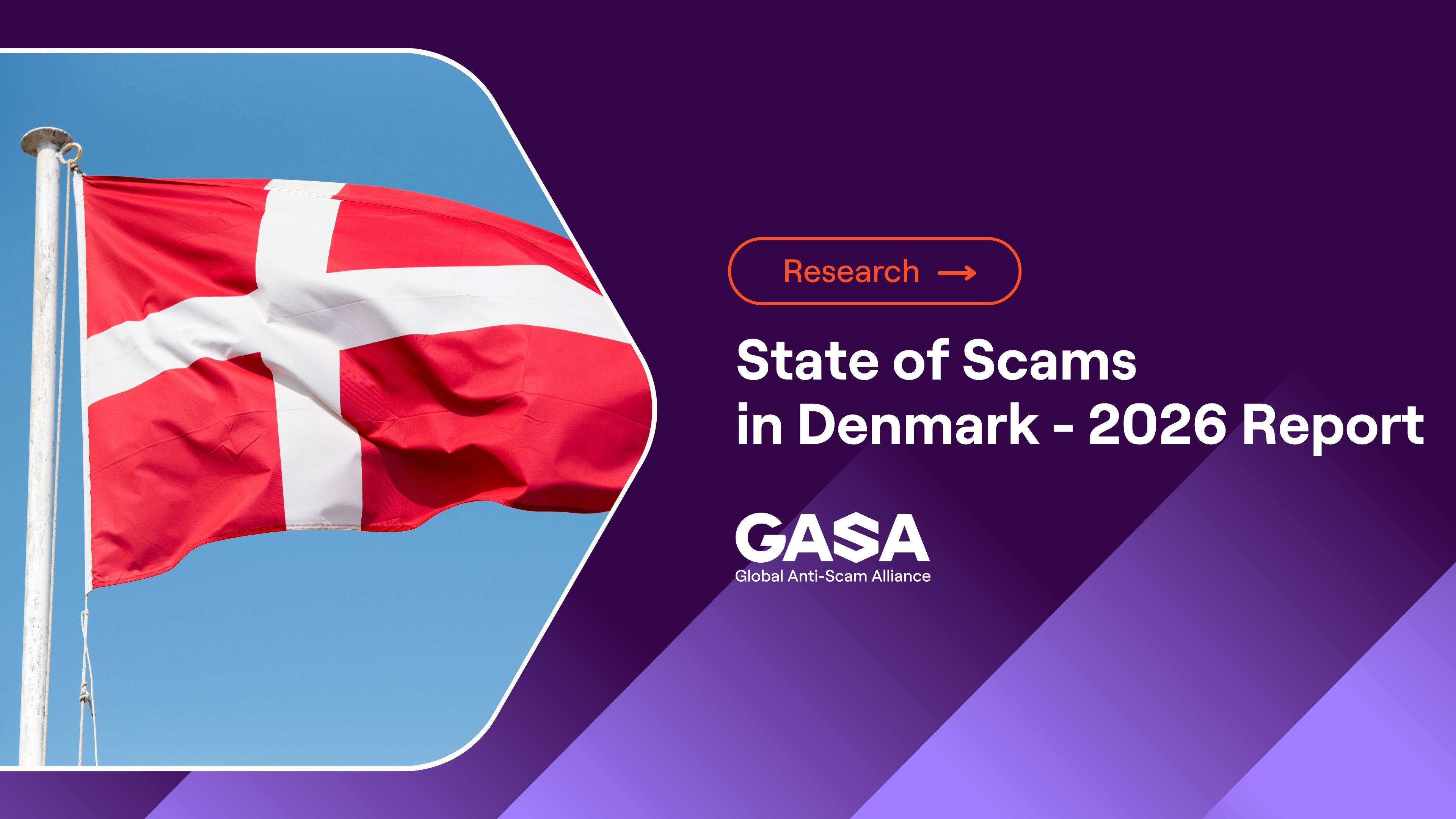
Nearly three in four Danish adults encountered scams as estimated losses reach DKK 10.1 billion
New State of Scams Denmark 2026 report finds scam exposure is rising, while victims face repeated financial and emotional harm.
Building a More Trusted Digital Philippines: New Report Underscores the Need for Collective Action as Scam Exposure Continues to Rise
GASA’s State of Scams in the Philippines 2026 Report, in collaboration with Mastercard and Gogolook, highlights the growing scale of the scam challenge in the Philippines.
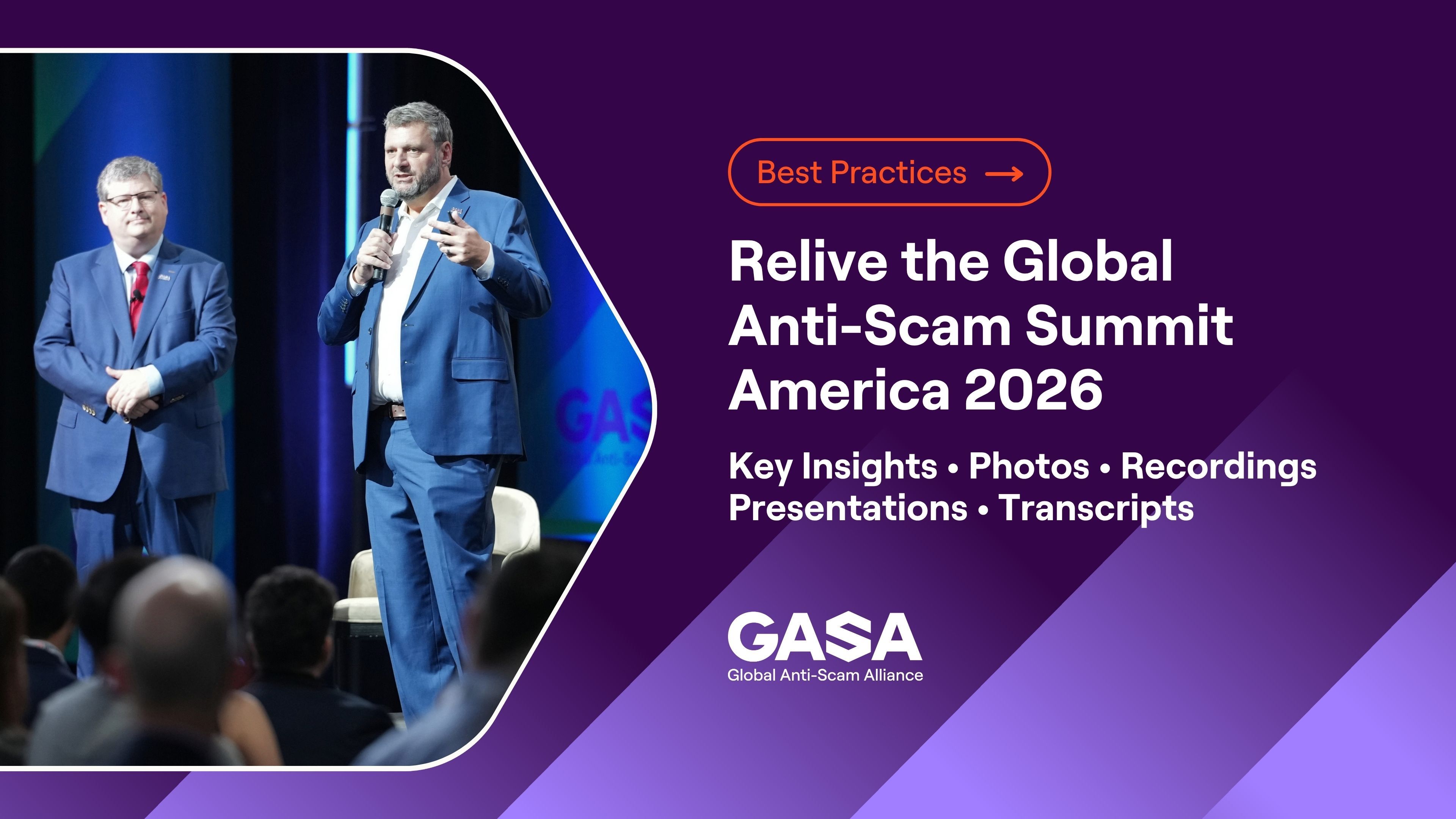
Global Anti-Scam Summit America 2026: Highlights, Insights and Resources
Explore GASS America 2026 highlights and insights, with the Summit summary, photos, presentation slides, transcripts and session recordings from San Francisco.
State of Scams in Kenya 2026: A Comparative Review Across Africa
Kenyan experts examine scam trends, data sharing, digital trust and the need for stronger cross-sector prevention.
State of Scams in South Africa 2026: A Comparative Review Across Africa
South African experts examine scam trends, AI, consumer protection and the need for stronger cross-sector collaboration.
-3.jpg)
More than one in five adults in Japan encountered scams in the past year
New State of Scams Japan 2026 report examines how scams are reaching consumers and where stronger prevention and collaboration can make a difference
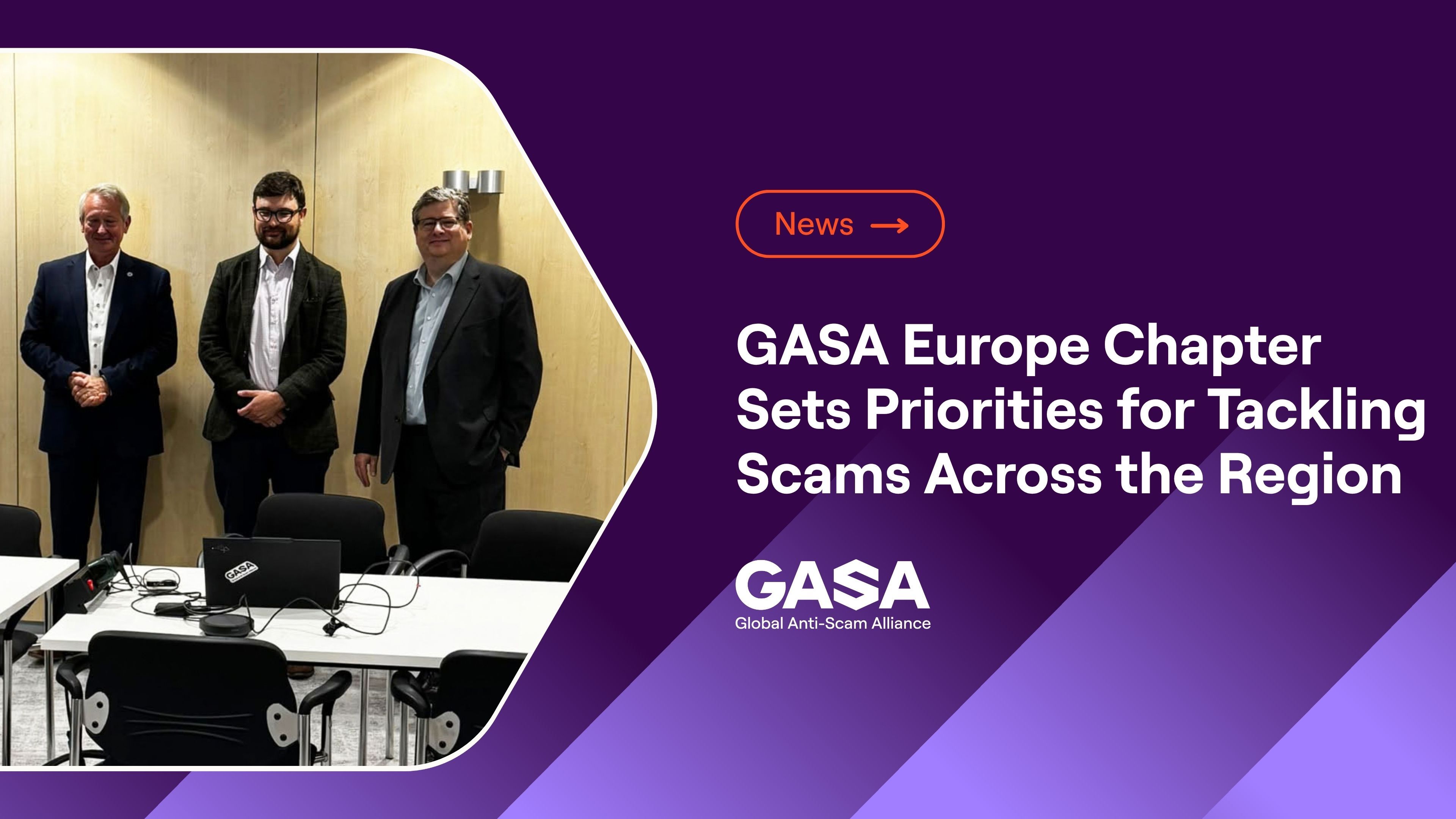
GASA Brings Stakeholders Together in Brussels for First Europe Chapter Meeting
GASA Europe brings 50+ stakeholders together in Brussels to discuss scam trends, data sharing and cross-sector priorities.