

Date of Event: 26–27 March 2025
Event: Global Anti-Scam Summit London 2025
At the Global Anti-Scam Summit London 2025 , a dedicated session introduced the Global Signal Exchange (GSE)—a cross-sector initiative developed by the Global Anti-Scam Alliance and DNS Research Federation to transform how cybercrime data is shared.
Jorij Abraham opened the discussion by outlining how the GSE aims to break the cycle of "whack-a-mole" enforcement, connecting existing national and commercial intelligence-sharing networks into a global ecosystem. The platform, which grew from 50 million to 135 million signals in just three months, lets vetted partners control exactly who receives their data, allowing tailored sharing across law enforcement, platforms, or other stakeholders.
André Naumann of Google described the GSE as a global, multi-stakeholder, cross-sector platform designed to scale real-time collaboration. He highlighted the value of trusted data-sharing to prevent harm before it reaches users.
Raul Burgos from Meta echoed this, noting that while many current initiatives are bilateral or industry-specific, the GSE is the first to offer truly global and cross-industry collaboration. He explained how early signals shared by Google have already supported successful investigations, reinforcing the importance of quality and scalability.
Netcraft CEO Ryan Woodley described the GSE as “multi-player whack-a-mole,” enabling coordinated responses to emerging threats. He stressed the importance of networked collaboration to undermine the profitability of scam operations at scale.
Jakob Bring Truelsen of Punktum dk, whose registry ranked among the safest globally, spoke about his organisation’s drive to maintain high security standards and use GSE insights to further reduce abuse across the .dk domain space.
Together, the panellists showcased how real-time, responsible data sharing is building a smarter global defence against scams and cybercrime.
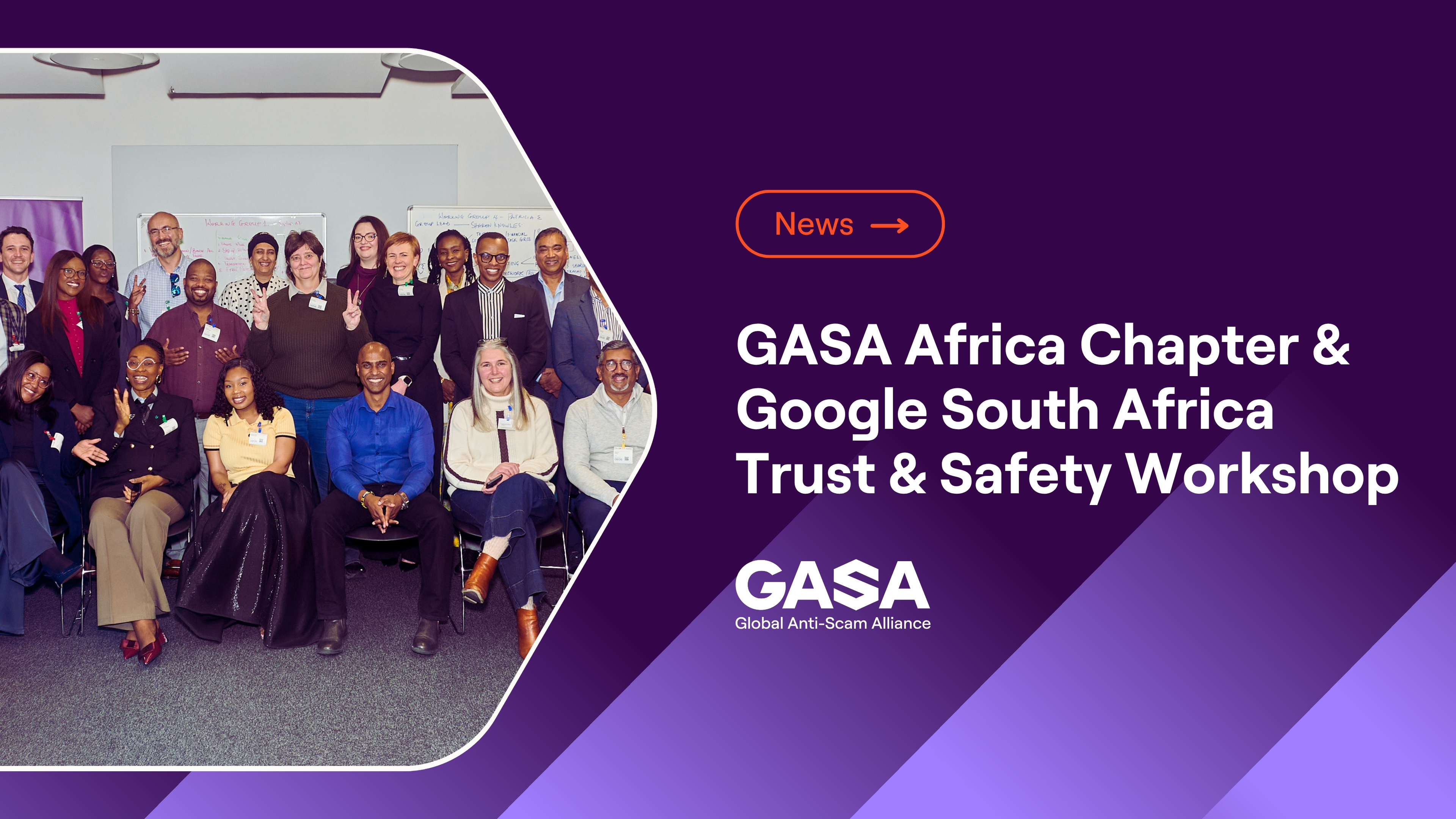
Accra Trust & Safety Workshop Turns Collaboration into Action Against Scams and Fraud in West Africa
GASA Africa Chapter and Google South Africa brought anti-fraud leaders together to strengthen cross-border cooperation and scam prevention.
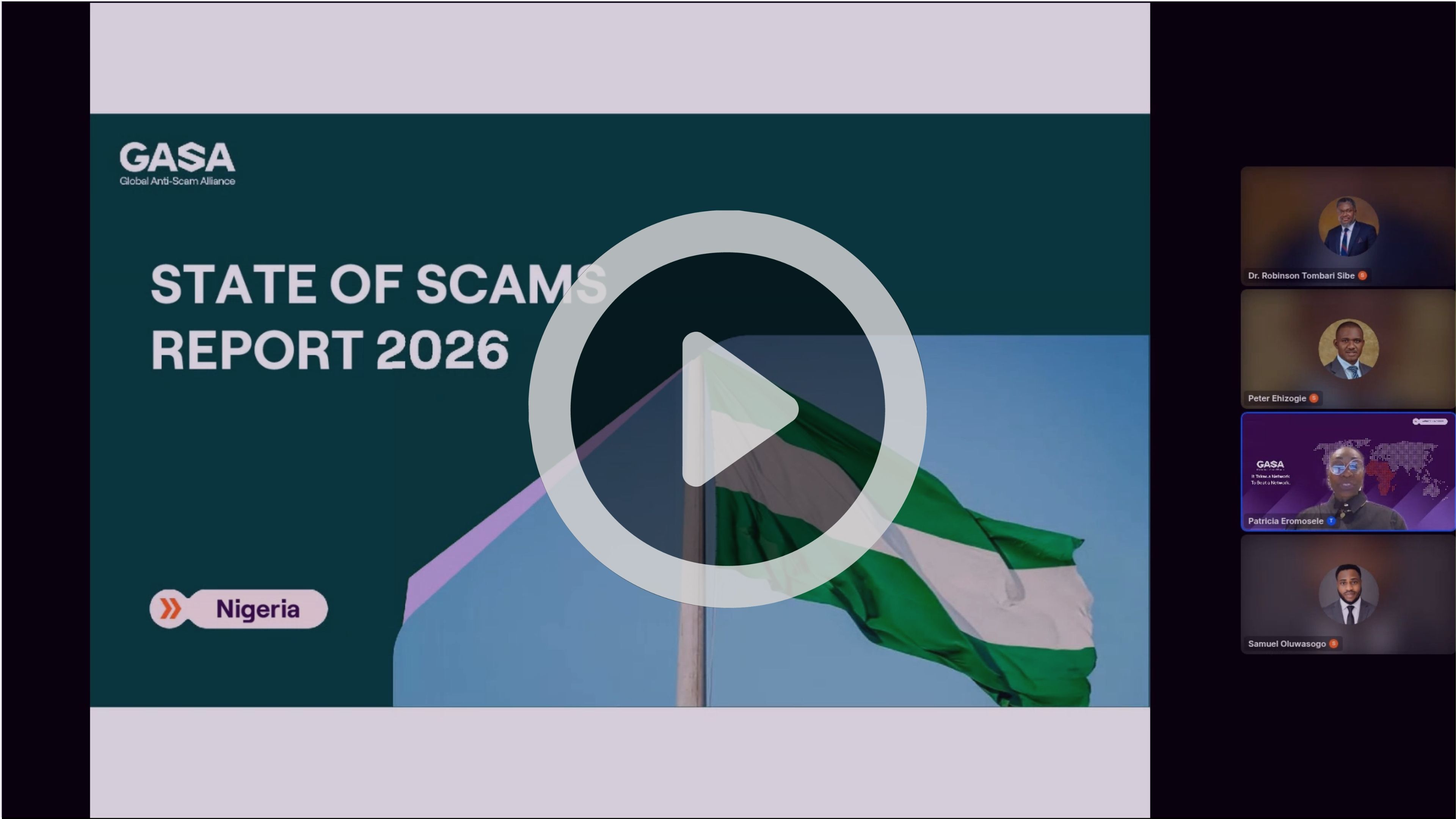
State of Scams in Nigeria 2026: A Comparative Review Across Africa
Nigerian experts examine scam trends, technology, consumer protection and the need for stronger cross-sector collaboration.
Nearly three in four Danish adults encountered scams as estimated losses reach DKK 10.1 billion
New State of Scams Denmark 2026 report finds scam exposure is rising, while victims face repeated financial and emotional harm.
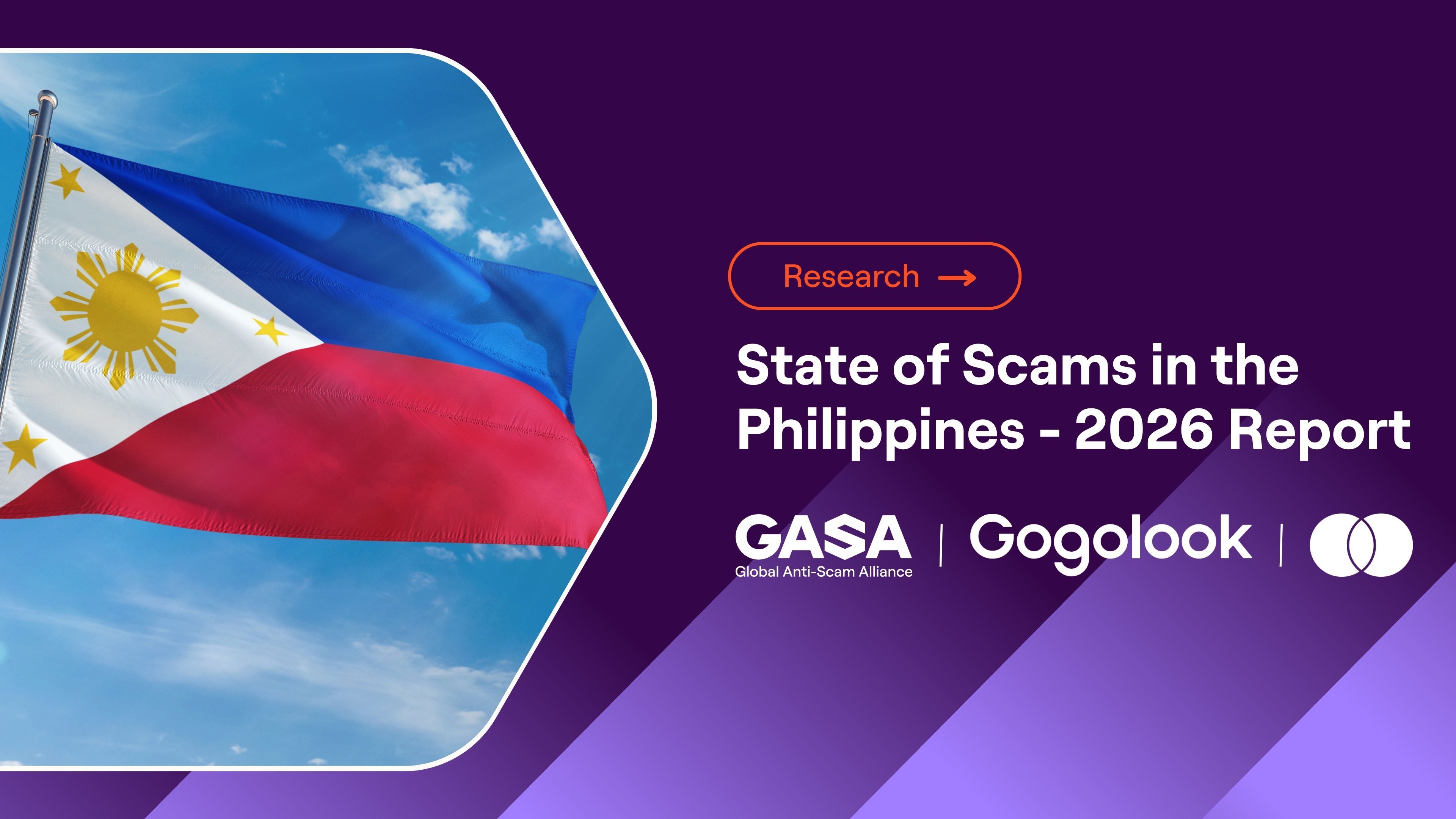
Building a More Trusted Digital Philippines: New Report Underscores the Need for Collective Action as Scam Exposure Continues to Rise
GASA’s State of Scams in the Philippines 2026 Report, in collaboration with Mastercard and Gogolook, highlights the growing scale of the scam challenge in the Philippines.
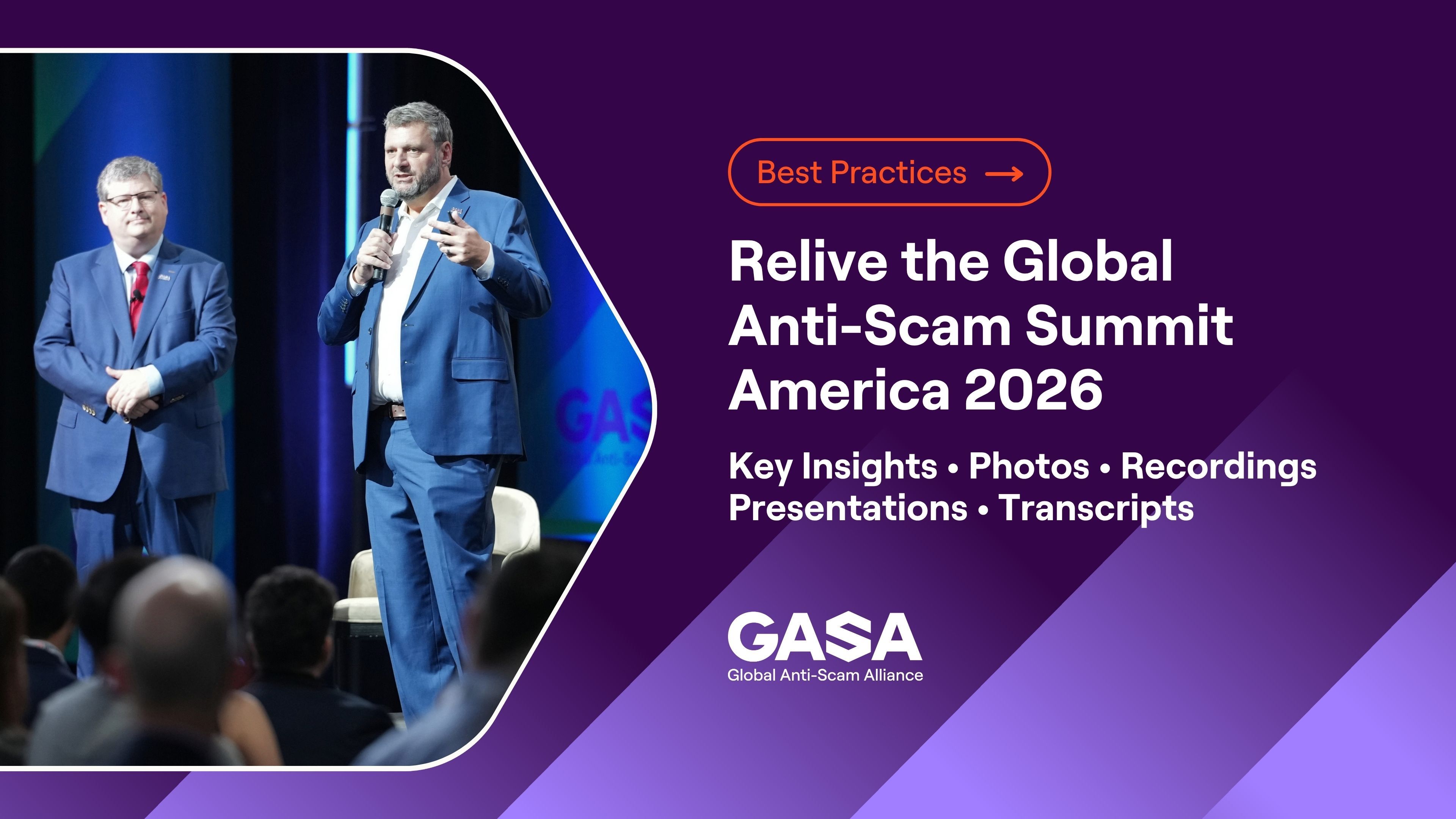
Global Anti-Scam Summit America 2026: Highlights, Insights and Resources
Explore GASS America 2026 highlights and insights, with the Summit summary, photos, presentation slides, transcripts and session recordings from San Francisco.
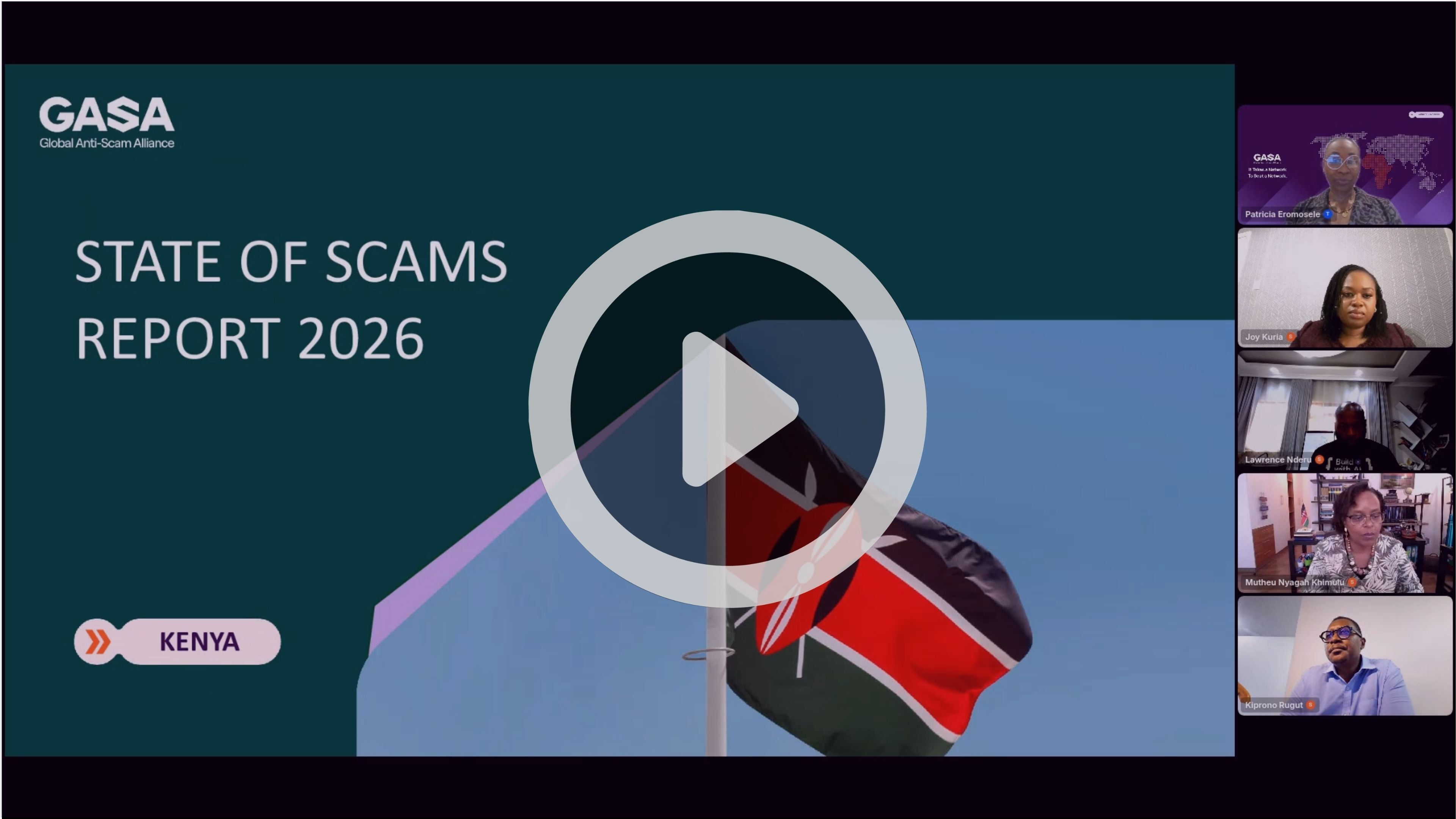
State of Scams in Kenya 2026: A Comparative Review Across Africa
Kenyan experts examine scam trends, data sharing, digital trust and the need for stronger cross-sector prevention.
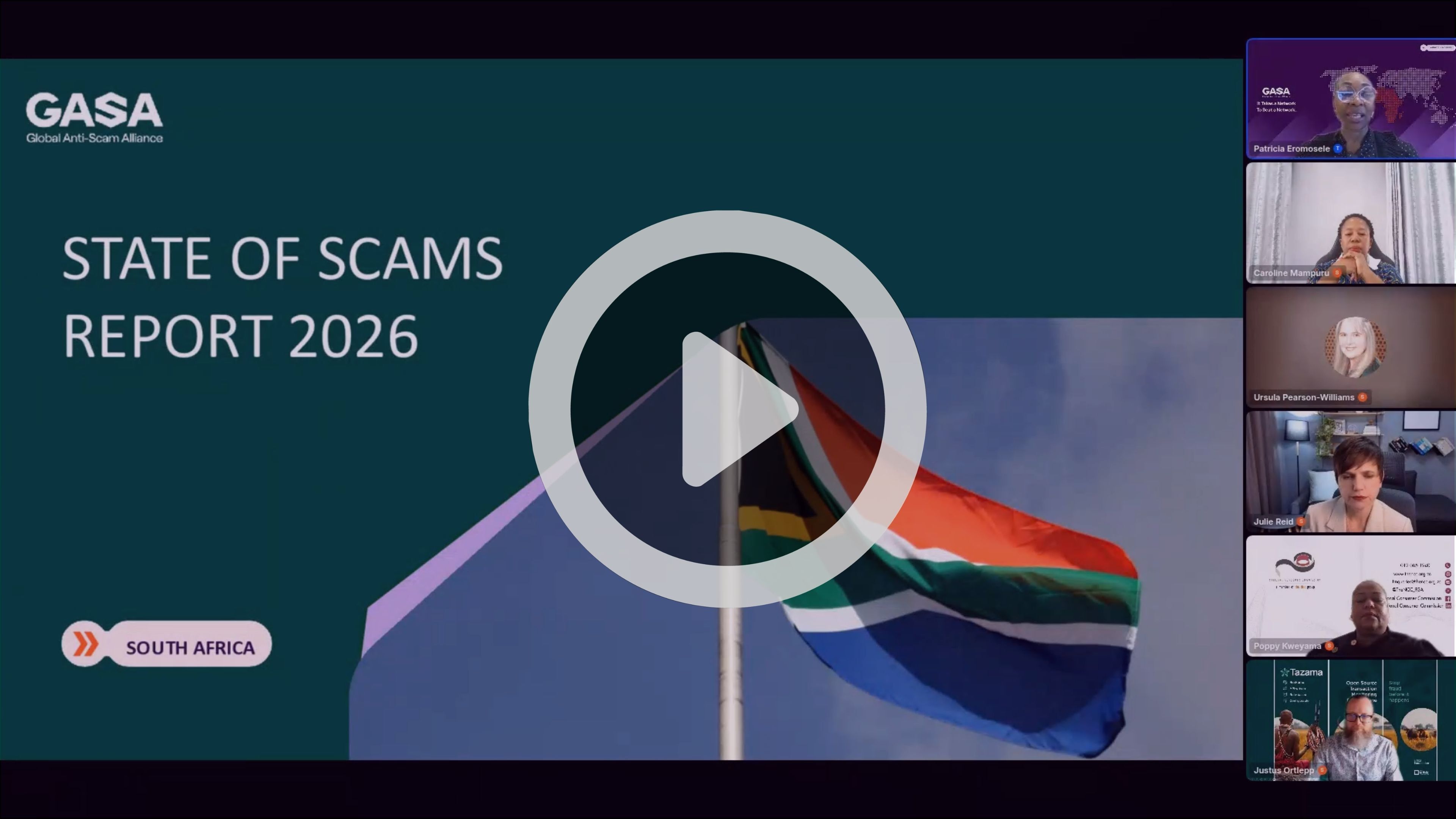
State of Scams in South Africa 2026: A Comparative Review Across Africa
South African experts examine scam trends, AI, consumer protection and the need for stronger cross-sector collaboration.
-3.jpg)
More than one in five adults in Japan encountered scams in the past year
New State of Scams Japan 2026 report examines how scams are reaching consumers and where stronger prevention and collaboration can make a difference