
Date of Event: 3 June 2025
Event: GASA Virtual Meet-up
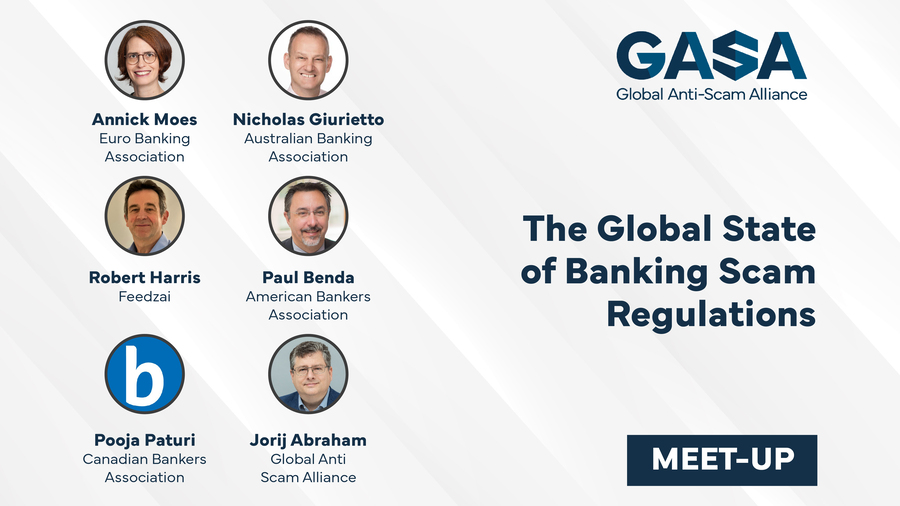
As scam-related losses continue to rise worldwide, banks and regulators are under pressure to strengthen protections and clarify liability. On the 3rd of June 2025, the Global Anti-Scam Alliance hosted The Global State of Banking Scam Regulations , a virtual roundtable bringing together leaders from five countries to compare regulatory strategies, cross-sector initiatives, and priorities for preventing financial scams.
Jorij Abraham, Managing Director of the Global Anti-Scam Alliance , opened the session by outlining GASA’s role in uniting stakeholders across banking, government, telecom, and tech. He highlighted the importance of shared intelligence, global collaboration, and public-private partnerships in reversing the rising tide of scams.
Representing Australia, Nicholas Giurietto, General Manager – Policy at the Australian Banking Association , presented the country's "ecosystem approach" to scam prevention. He outlined the role of the National Anti-Scam Centre, the use of biometric onboarding, intelligence sharing through the Australian Financial Crimes Exchange, and a national Confirmation of Payee rollout launching in July.
Annick Moes, Senior Policy Adviser at the Euro Banking Association , provided a European perspective, focusing on the upcoming mandatory introduction of real-time payments and verification of payee across the Eurozone. She highlighted friction and complexity in implementation, especially for corporates, and called for enhanced fraud data sharing and typology alignment across sectors.
From the UK, Robert Harris, Head of EMEA Fraud Market Planning at Feedzai , discussed the impact of new Payment Services Regulator rules making scam victim reimbursement mandatory and splitting liability between banks. Early results show increased collaboration, faster resolution of cases, and improved consistency in compensation.
Pooja Paturi, Director of Digital Payments and Fraud Prevention at the Canadian Bankers Association , described Canada’s voluntary alliance model. The initiative has brought together over 50 organisations across four sectors to focus on shared awareness campaigns, data-sharing protocols, and the development of a national scam reporting and intelligence platform.
Paul Benda, Executive Vice President at the American Bankers Association , highlighted the unique challenges faced by the United States. With no central authority on scams, a highly fragmented banking system, and minimal federal coordination, the U.S. is pushing for a national strategy and broader engagement with tech platforms and telecom providers.
Throughout the discussion, speakers emphasised the importance of data-sharing frameworks, global scam taxonomies, and coordinated responses across borders. While approaches differ, the collective goal is clear: stopping scams before the money leaves the account.
Watch the full discussion below.
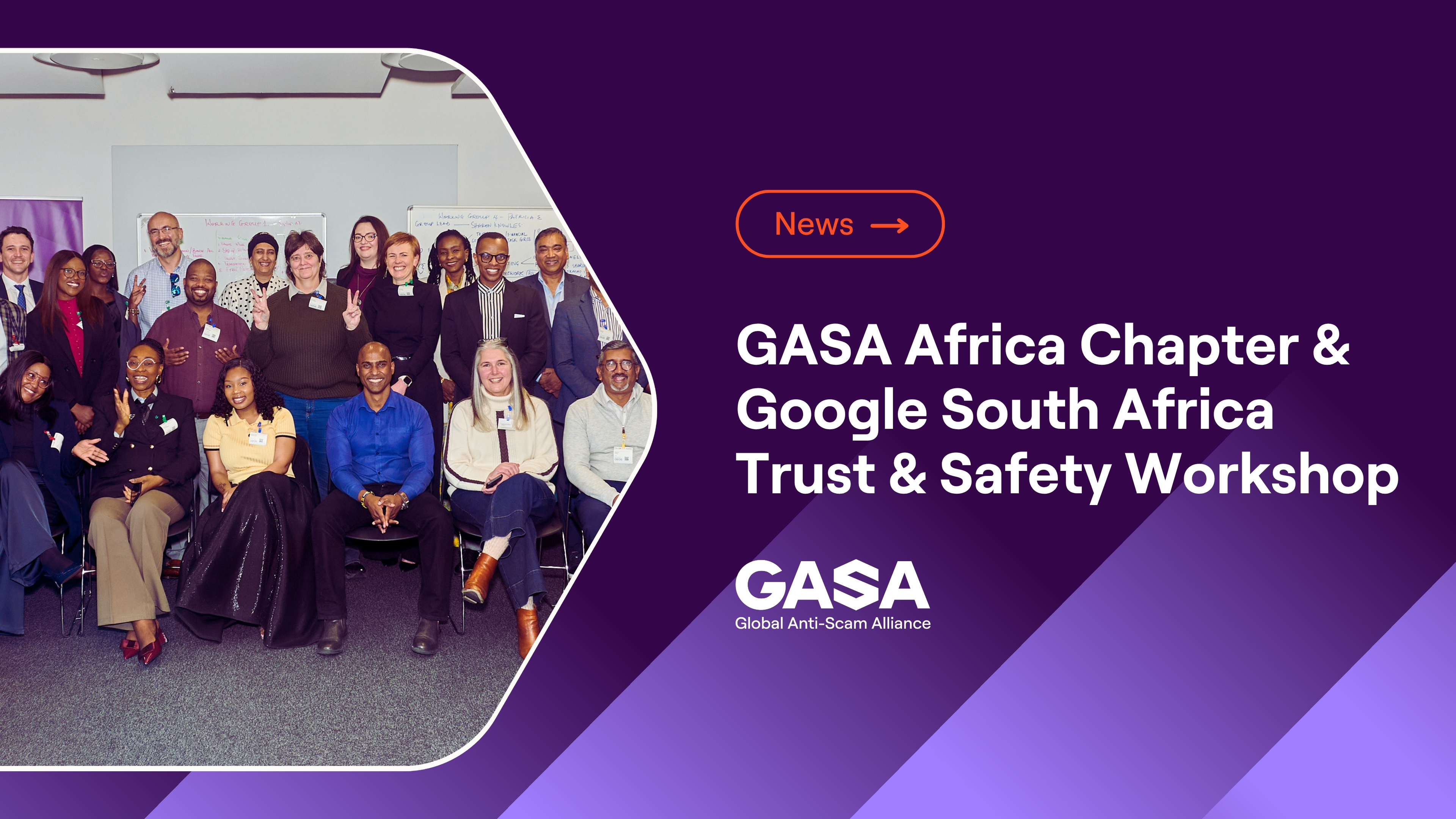
Accra Trust & Safety Workshop Turns Collaboration into Action Against Scams and Fraud in West Africa
GASA Africa Chapter and Google South Africa brought anti-fraud leaders together to strengthen cross-border cooperation and scam prevention.
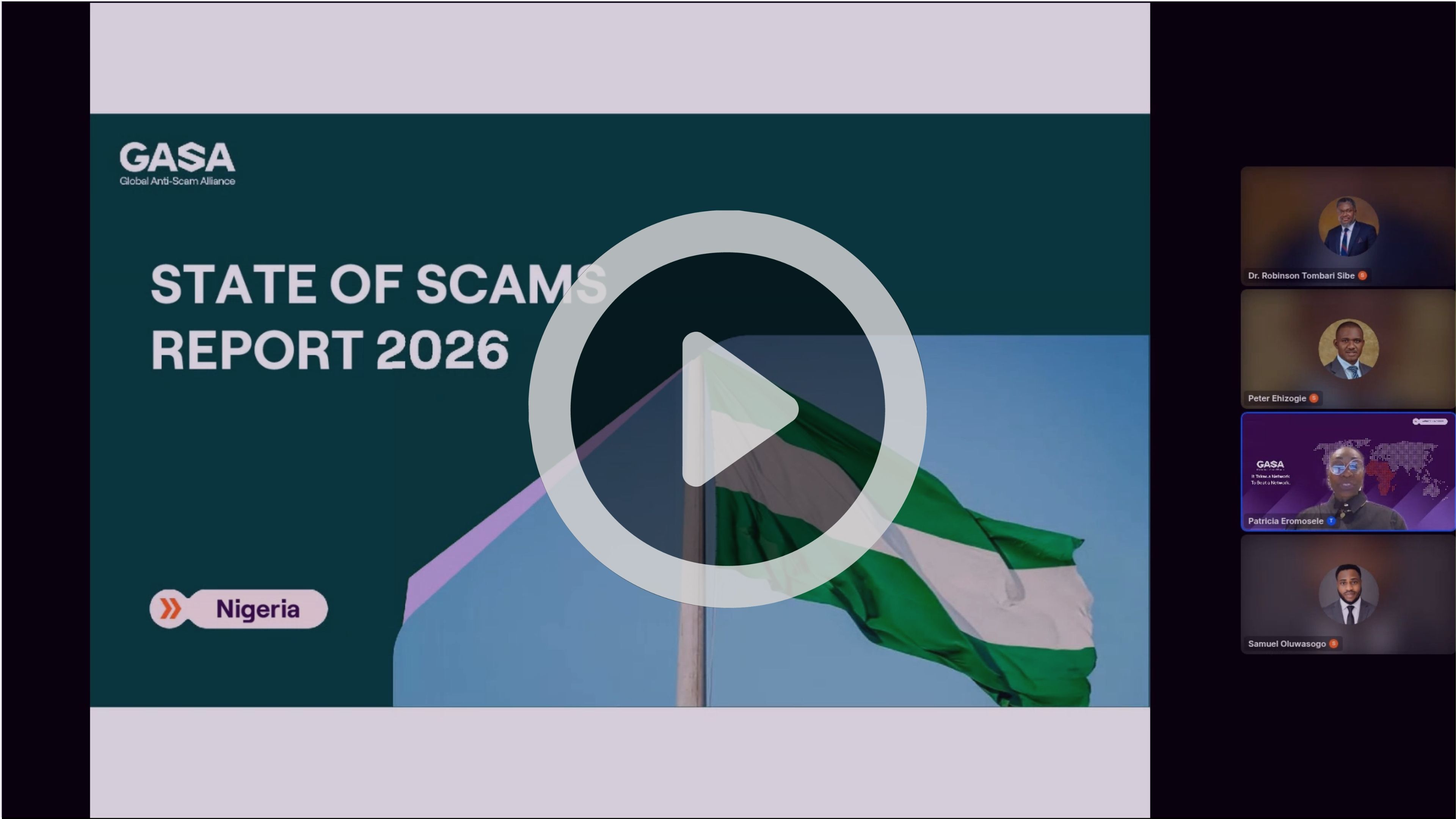
State of Scams in Nigeria 2026: A Comparative Review Across Africa
Nigerian experts examine scam trends, technology, consumer protection and the need for stronger cross-sector collaboration.
Nearly three in four Danish adults encountered scams as estimated losses reach DKK 10.1 billion
New State of Scams Denmark 2026 report finds scam exposure is rising, while victims face repeated financial and emotional harm.
Building a More Trusted Digital Philippines: New Report Underscores the Need for Collective Action as Scam Exposure Continues to Rise
GASA’s State of Scams in the Philippines 2026 Report, in collaboration with Mastercard and Gogolook, highlights the growing scale of the scam challenge in the Philippines.
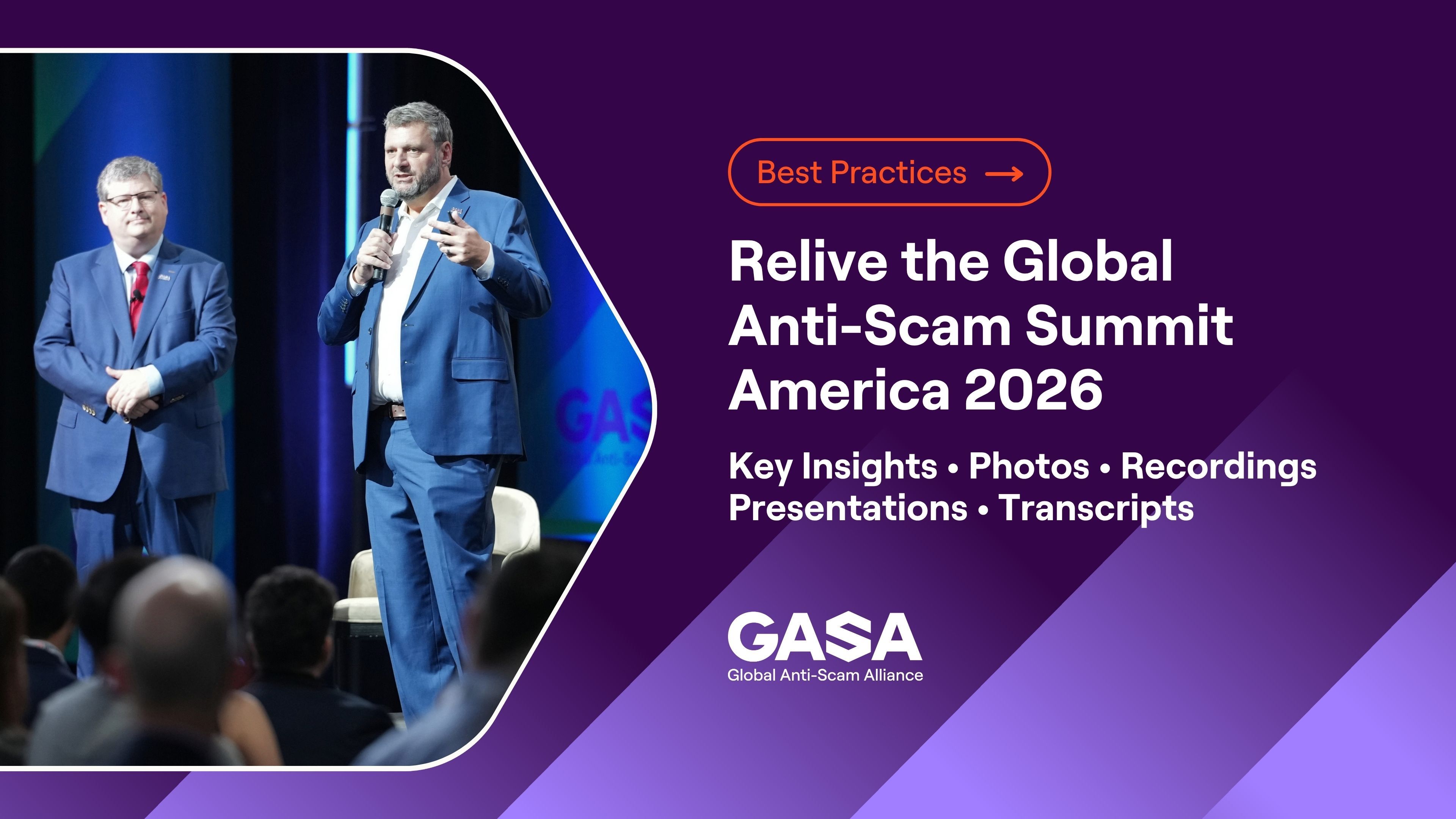
Global Anti-Scam Summit America 2026: Highlights, Insights and Resources
Explore GASS America 2026 highlights and insights, with the Summit summary, photos, presentation slides, transcripts and session recordings from San Francisco.
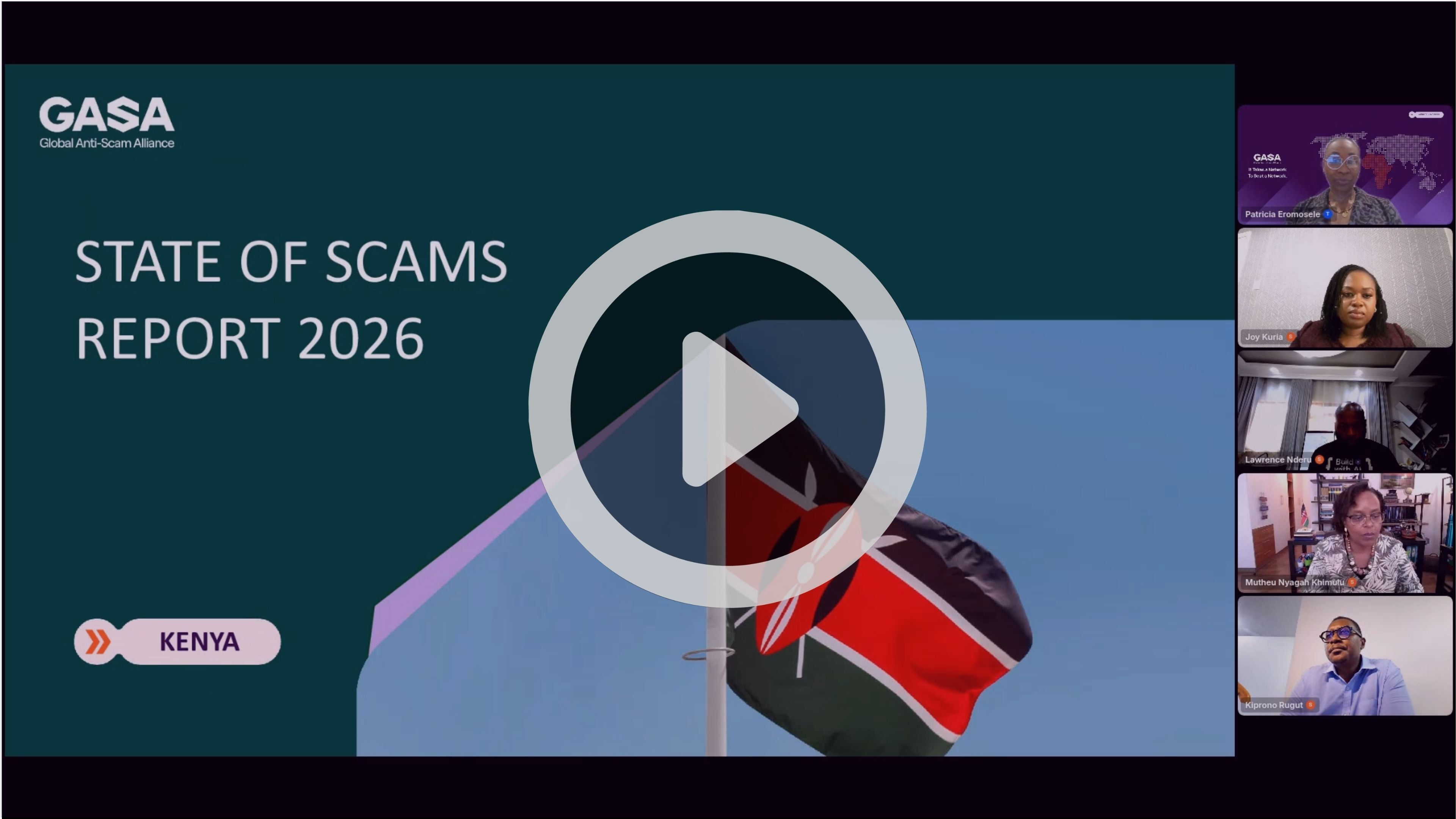
State of Scams in Kenya 2026: A Comparative Review Across Africa
Kenyan experts examine scam trends, data sharing, digital trust and the need for stronger cross-sector prevention.
State of Scams in South Africa 2026: A Comparative Review Across Africa
South African experts examine scam trends, AI, consumer protection and the need for stronger cross-sector collaboration.
-3.jpg)
More than one in five adults in Japan encountered scams in the past year
New State of Scams Japan 2026 report examines how scams are reaching consumers and where stronger prevention and collaboration can make a difference