
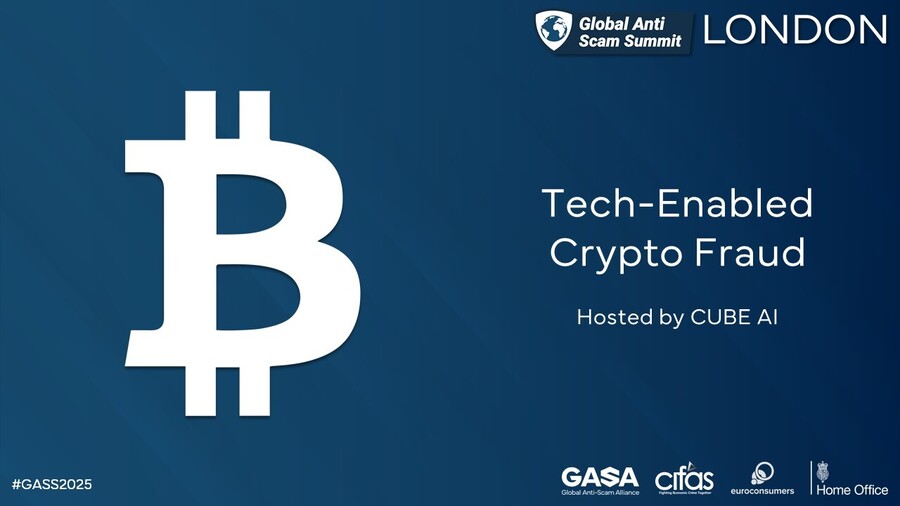
At the Global Anti-Scam Summit London 2025 , leading voices from regulatory, investigative, financial, and enforcement communities came together to assess the evolution of crypto-enabled fraud and the collaborative response required to stop it.
Victoria McLoughlin, Head of Department – Market Interventions – Digital Assets at the Financial Conduct Authority, opened the workshop with a powerful overview of how the UK is strengthening its regulatory regime to address crypto scams and safeguard consumers. She outlined the FCA’s efforts around licensing, enforcement, advertising oversight, and cross-sector engagement.
In the panel discussion that followed, moderator Jonathan Anastasia, President of CUBE3.AI , was joined by Peter Jones, Deputy Editor in Chief – Investigations at the Organized Crime and Corruption Reporting Project (OCCRP); Ben Weiss, Chief Executive Officer at CoinFlip; and Aaron Boyd, Vice President – Product Strategy and Engagement at Mastercard.
Together, they discussed scam typologies, weaknesses in the crypto and banking infrastructure, and how compliance, data-sharing, and user education can reduce victimisation.
The final session explored Operation Spincaster, a public-private initiative designed to prevent fraud by identifying scam patterns in blockchain data. Ruben van Well of the Dutch National Police and Phil Larratt, Director – Investigations at Chainalysis, detailed how their collaboration helped freeze assets and prevent victim losses before the scams could be completed.
This workshop underscored the need for a multi-layered response — combining technology, regulation, law enforcement, and real-time intelligence — to tackle crypto fraud at scale.
Watch the full session below.

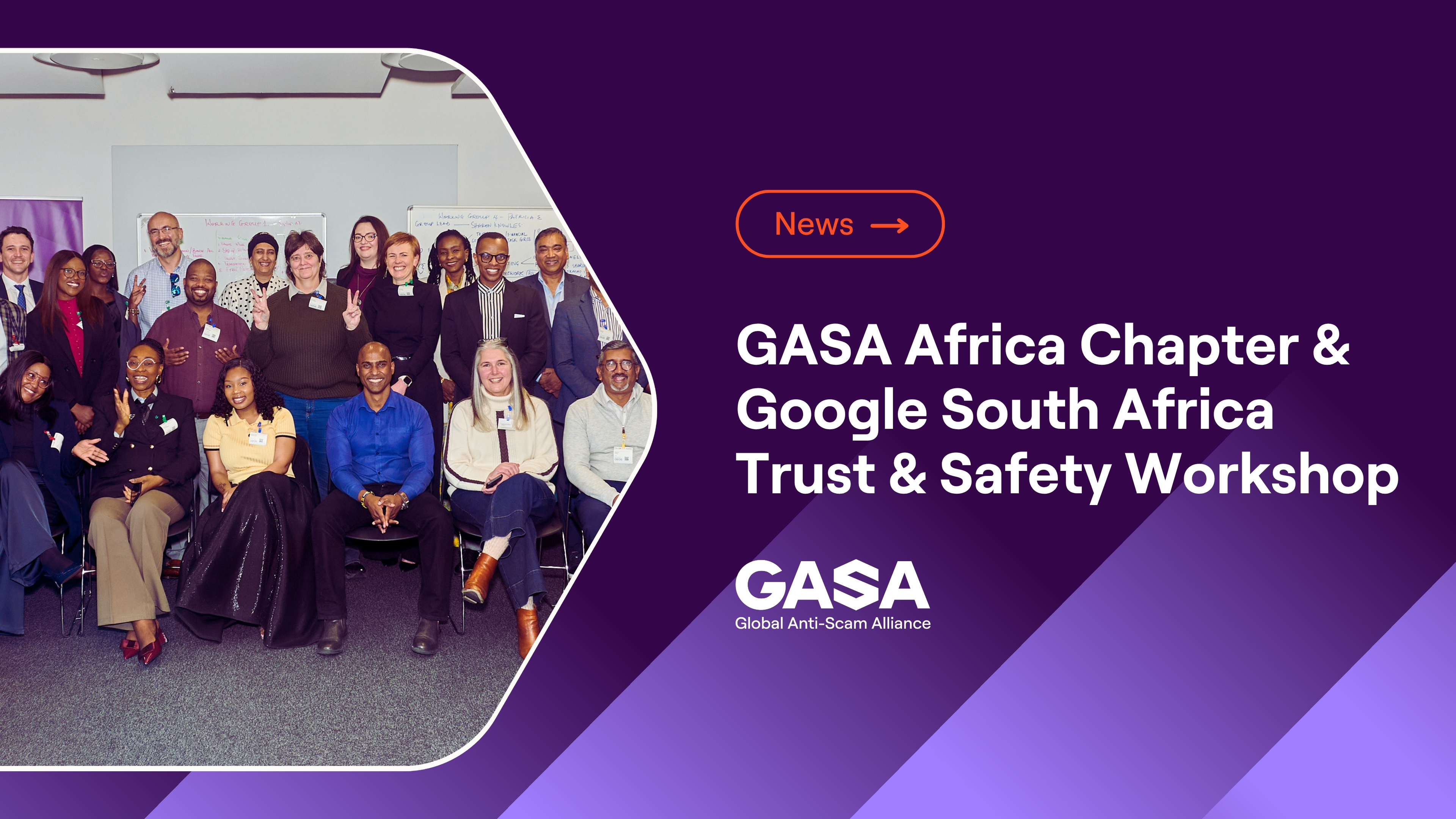
Accra Trust & Safety Workshop Turns Collaboration into Action Against Scams and Fraud in West Africa
GASA Africa Chapter and Google South Africa brought anti-fraud leaders together to strengthen cross-border cooperation and scam prevention.
State of Scams in Nigeria 2026: A Comparative Review Across Africa
Nigerian experts examine scam trends, technology, consumer protection and the need for stronger cross-sector collaboration.
Nearly three in four Danish adults encountered scams as estimated losses reach DKK 10.1 billion
New State of Scams Denmark 2026 report finds scam exposure is rising, while victims face repeated financial and emotional harm.
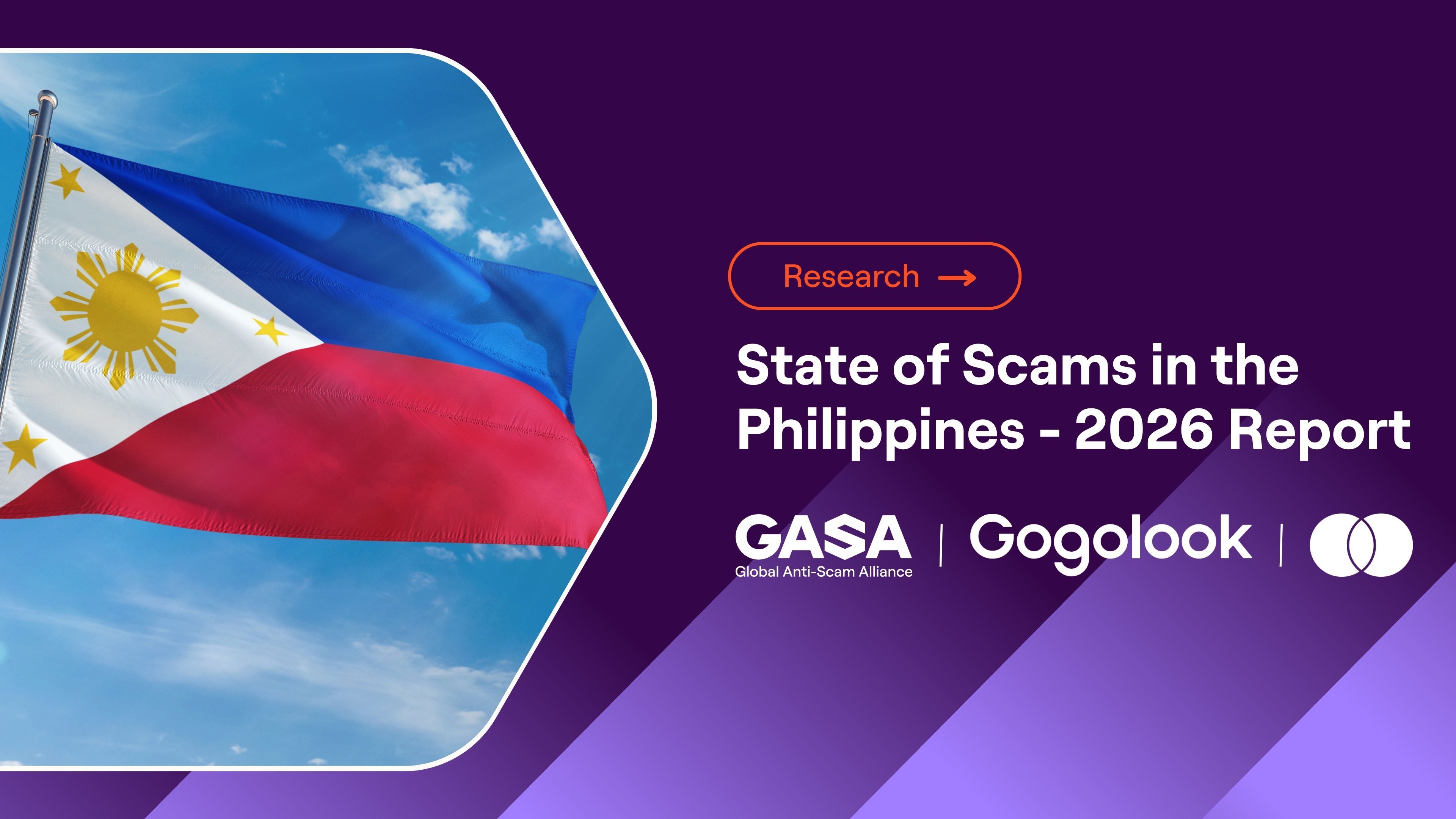
Building a More Trusted Digital Philippines: New Report Underscores the Need for Collective Action as Scam Exposure Continues to Rise
GASA’s State of Scams in the Philippines 2026 Report, in collaboration with Mastercard and Gogolook, highlights the growing scale of the scam challenge in the Philippines.
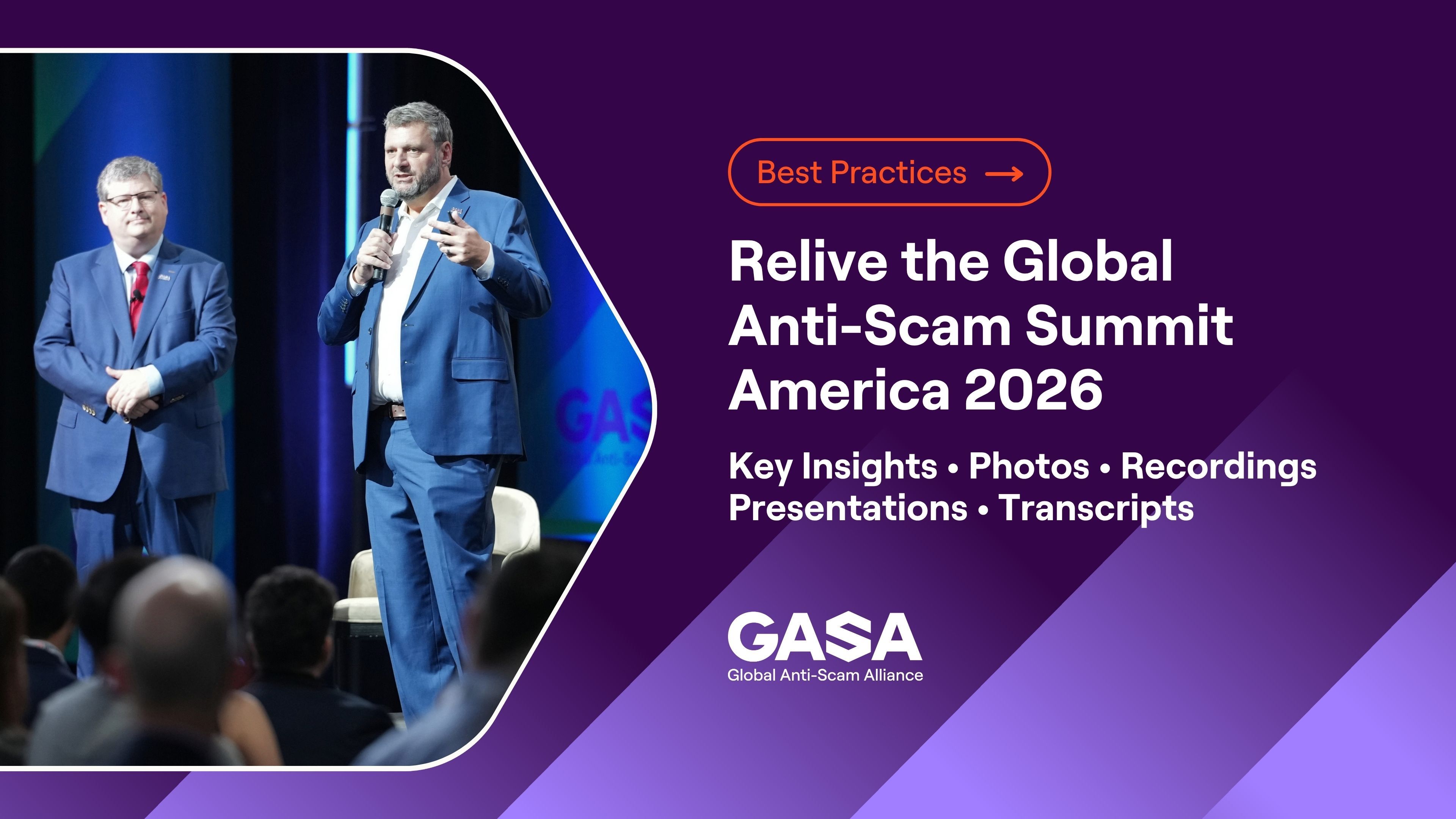
Global Anti-Scam Summit America 2026: Highlights, Insights and Resources
Explore GASS America 2026 highlights and insights, with the Summit summary, photos, presentation slides, transcripts and session recordings from San Francisco.
State of Scams in Kenya 2026: A Comparative Review Across Africa
Kenyan experts examine scam trends, data sharing, digital trust and the need for stronger cross-sector prevention.
State of Scams in South Africa 2026: A Comparative Review Across Africa
South African experts examine scam trends, AI, consumer protection and the need for stronger cross-sector collaboration.
-3.jpg)
More than one in five adults in Japan encountered scams in the past year
New State of Scams Japan 2026 report examines how scams are reaching consumers and where stronger prevention and collaboration can make a difference