
The Confidence Paradox: Even Scam-Aware Citizens Fall Victim
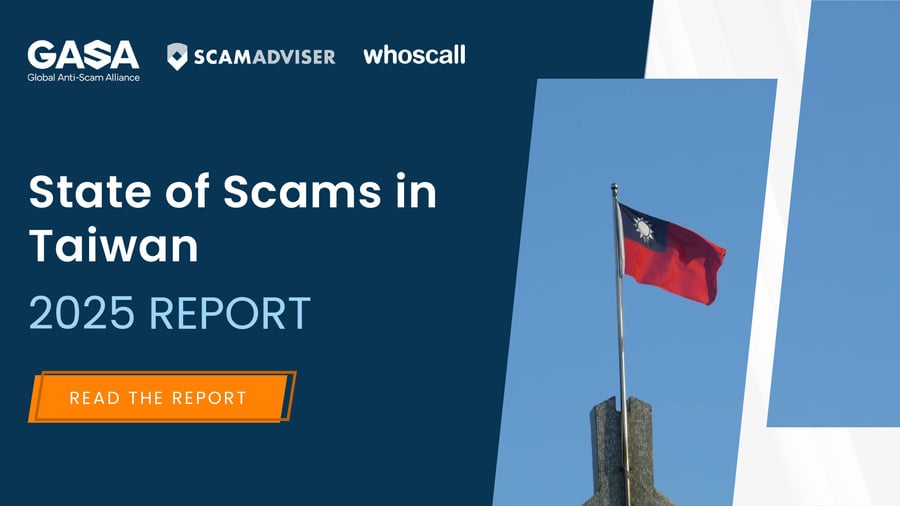
A comprehensive new study reveals a troubling paradox in Taiwan's digital security landscape: while 73% of adults express confidence in their ability to recognize scams, 65% of these same confident individuals still fell victim to fraud in the past year. This confidence-reality gap highlights the increasingly sophisticated nature of modern scam operations targeting Taiwanese consumers.
Daily Digital Danger: 149 Scam Encounters Per Person Annually
Taiwanese adults face an average of 149 scam encounters per year—effectively one every two to three days—making Taiwan one of the most heavily targeted populations globally. The research, conducted by the Global Anti-Scam Alliance and Gogolook, surveyed 1,000 adults and reveals the relentless nature of fraud attempts across multiple channels.
Critical Detection Delays Provide Scammers Dangerous Advantage
A concerning 32% of scam victims take longer than a day to recognize fraudulent activity, with Generation Z and suburban residents particularly vulnerable to extended exposure. This detection delay provides scammers crucial time to extract funds and personal information before victims realize the deception.
Platform Vulnerability: Direct Messaging Creates Perfect Storm
The study identifies a critical security gap: 75% of scam attempts occur on platforms with direct messaging capabilities, with phone calls (50%) leading as the primary contact method, followed by email (37%) and social media (34%). Facebook and Instagram emerge as the most exploited platforms, accounting for 52% and 42% of platform-based scams respectively.
Recovery Success Despite Reporting Challenges
Despite widespread victimization, the data reveals encouraging recovery trends: 85% of financial victims reported scams to payment services, with 38% successfully recovering at least partial losses. Wire transfers (32%), cash payments (17%), and gift cards (17%) remain the preferred methods for scammers to extract funds.
Expectations vs. Reality: Institutional Performance Gap
A significant disconnect exists between public expectations and institutional performance in scam prevention. While 26% of Taiwanese adults expect the government to lead anti-scam efforts, citizens rate banks and payment providers as most effective in actual prevention and resolution. This expectation-performance gap suggests the need for clearer role definition and improved cross-sector coordination.
Psychological Impact and Behavioral Changes
The human cost extends beyond financial losses: 52% of victims experienced significant stress, while 28% report increased vigilance as a lasting behavioral change. The psychological impact demonstrates how scams create ripple effects that alter digital behavior patterns across Taiwanese society.
Public Demands Severe Consequences
Reflecting public frustration with the scam epidemic, 37% of Taiwanese adults favor severe punishments for major scam crimes, including life imprisonment or capital punishment for perpetrators who steal an entire annual salary. This strong punitive sentiment indicates deep public concern about the current fraud environment.
Click here to access GASA’s complete The State of Scams in Taiwan 2025 report

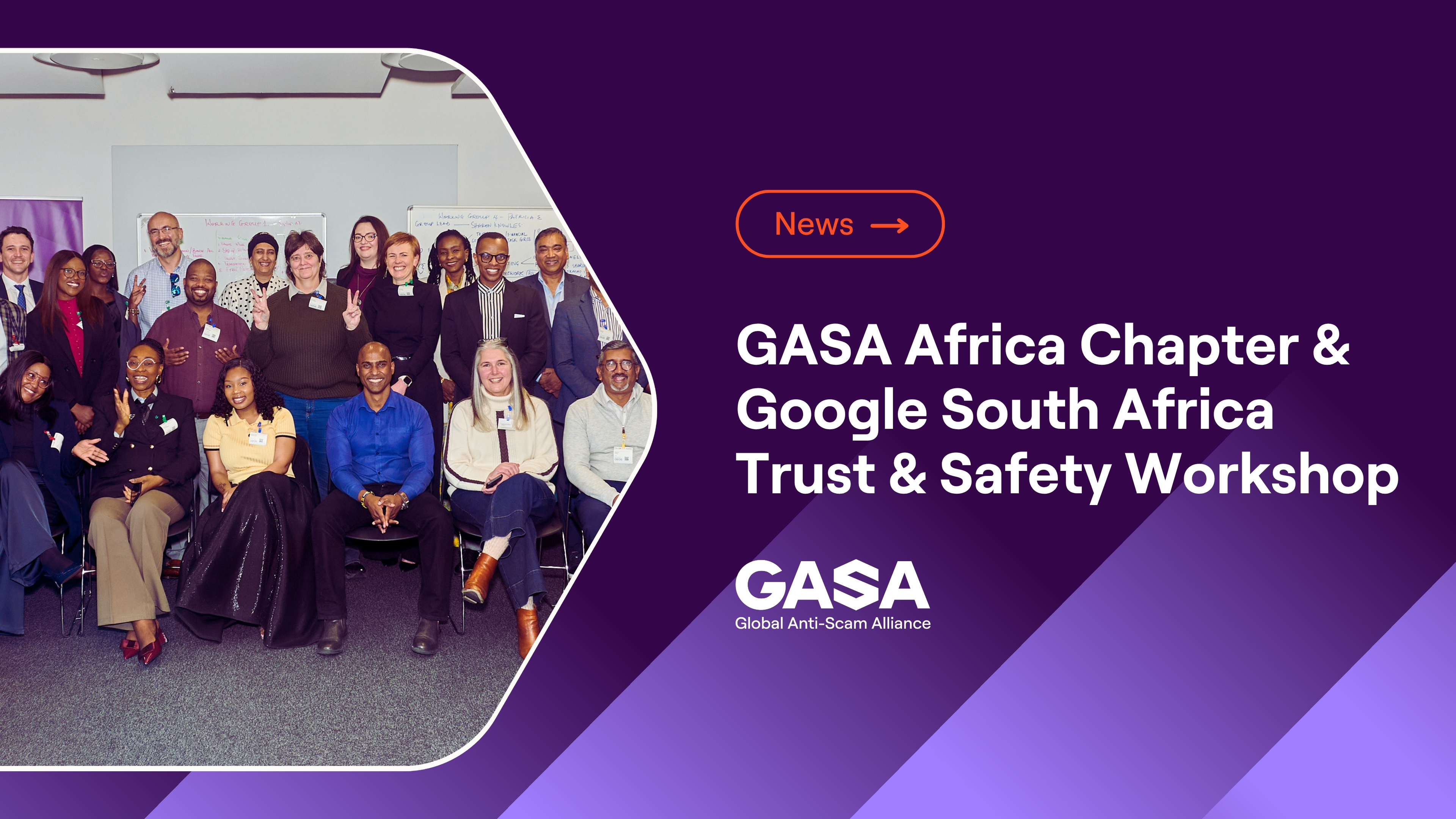
Accra Trust & Safety Workshop Turns Collaboration into Action Against Scams and Fraud in West Africa
GASA Africa Chapter and Google South Africa brought anti-fraud leaders together to strengthen cross-border cooperation and scam prevention.
State of Scams in Nigeria 2026: A Comparative Review Across Africa
Nigerian experts examine scam trends, technology, consumer protection and the need for stronger cross-sector collaboration.
Nearly three in four Danish adults encountered scams as estimated losses reach DKK 10.1 billion
New State of Scams Denmark 2026 report finds scam exposure is rising, while victims face repeated financial and emotional harm.
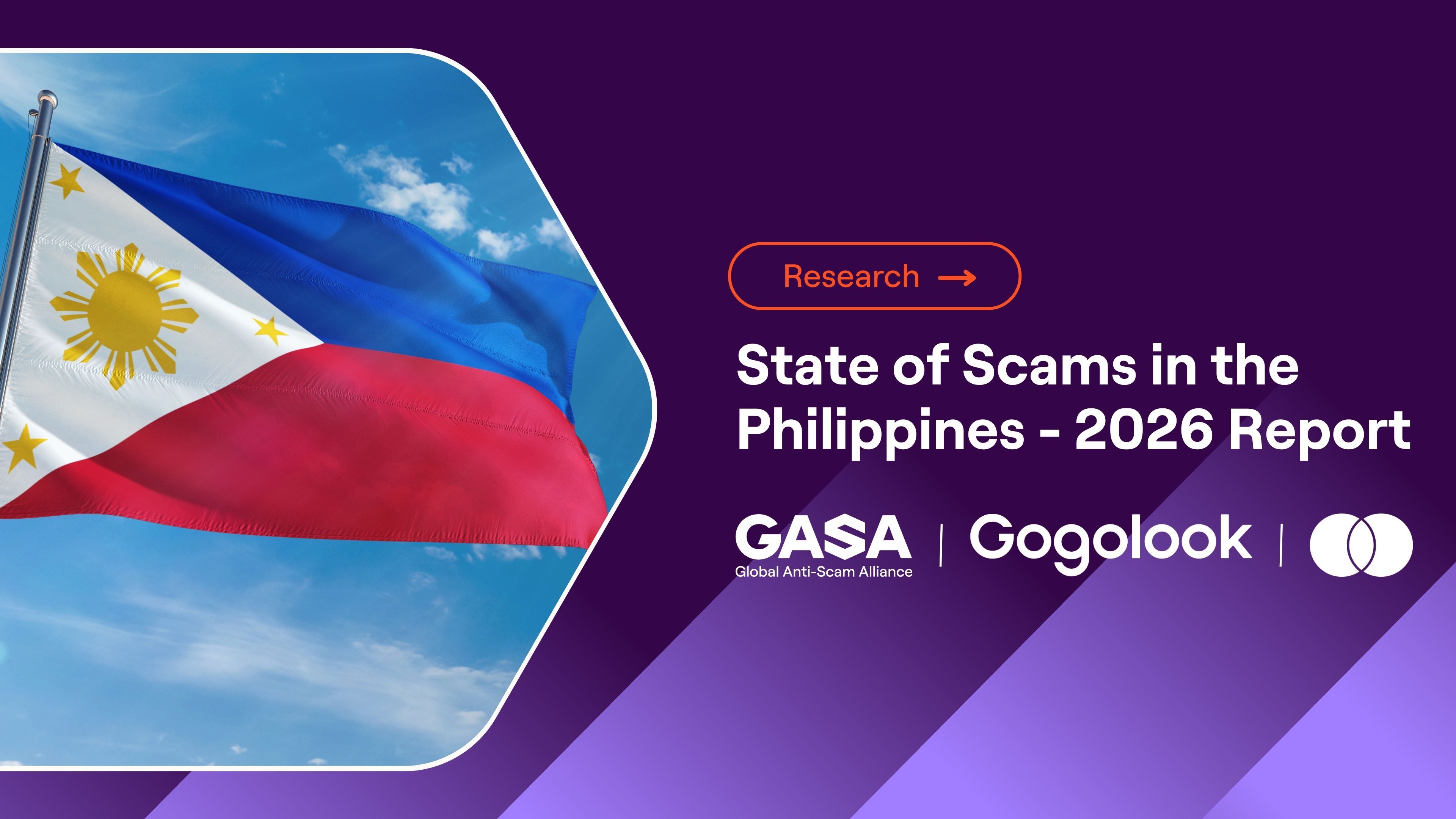
Building a More Trusted Digital Philippines: New Report Underscores the Need for Collective Action as Scam Exposure Continues to Rise
GASA’s State of Scams in the Philippines 2026 Report, in collaboration with Mastercard and Gogolook, highlights the growing scale of the scam challenge in the Philippines.
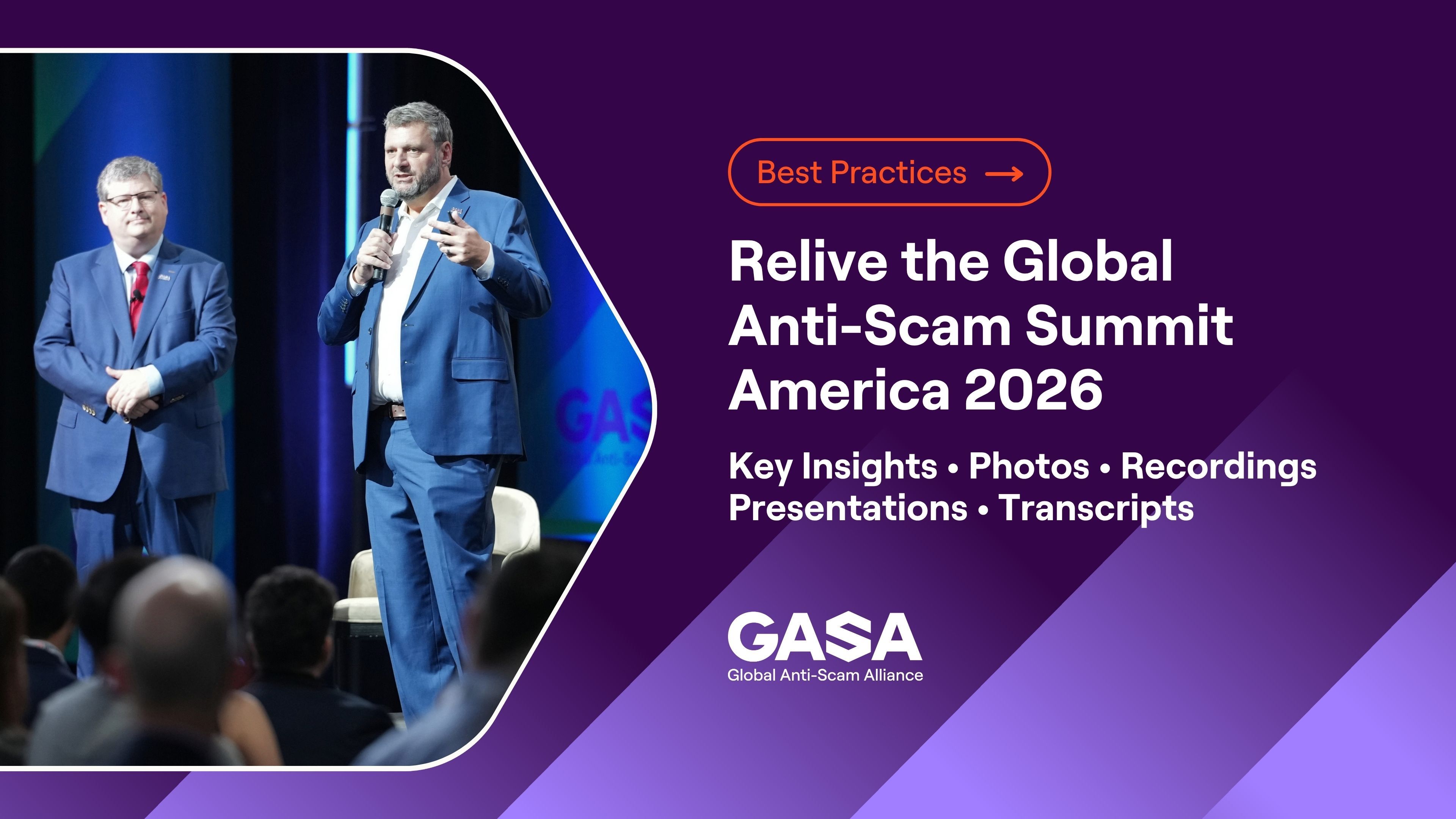
Global Anti-Scam Summit America 2026: Highlights, Insights and Resources
Explore GASS America 2026 highlights and insights, with the Summit summary, photos, presentation slides, transcripts and session recordings from San Francisco.
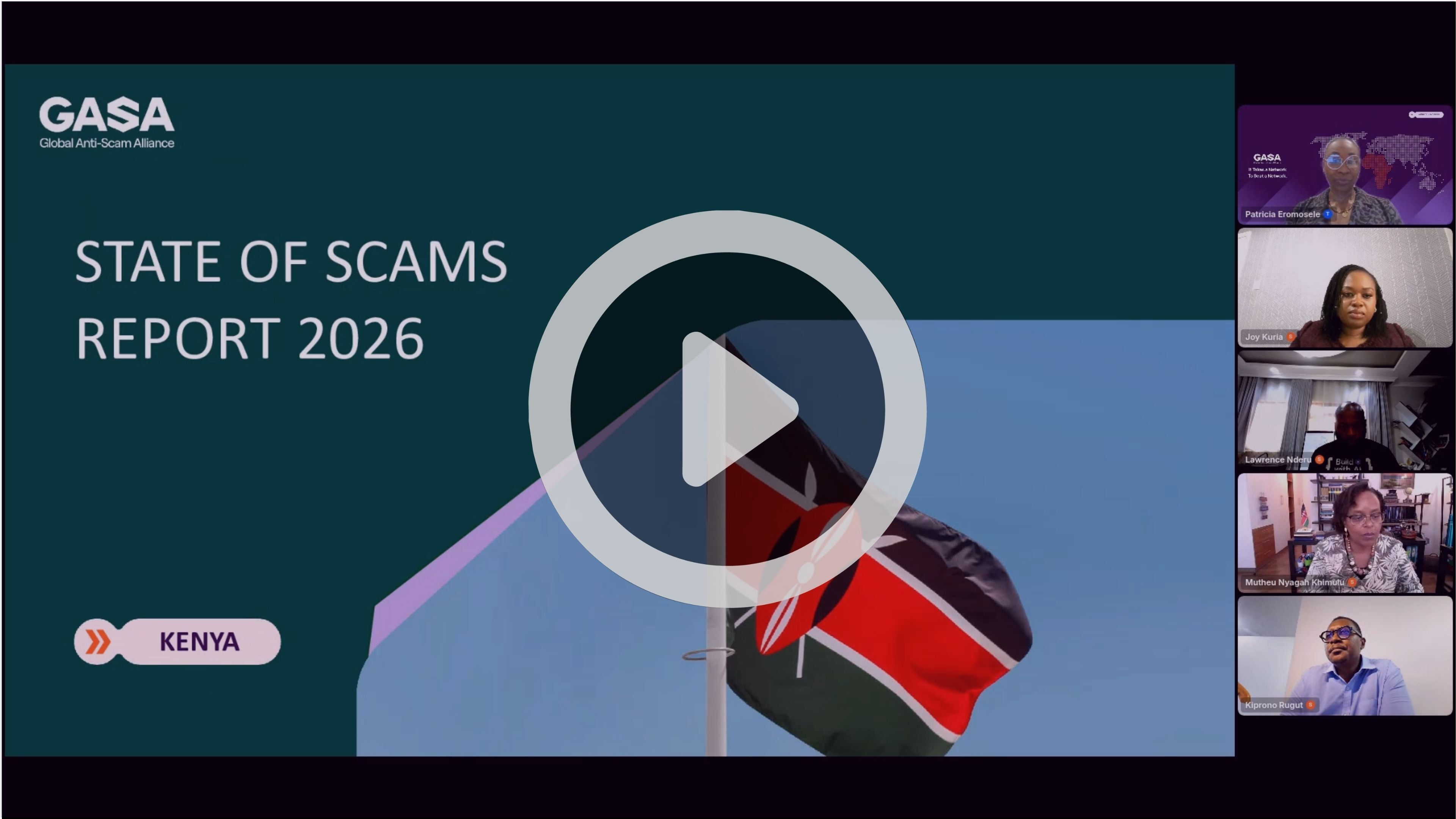
State of Scams in Kenya 2026: A Comparative Review Across Africa
Kenyan experts examine scam trends, data sharing, digital trust and the need for stronger cross-sector prevention.
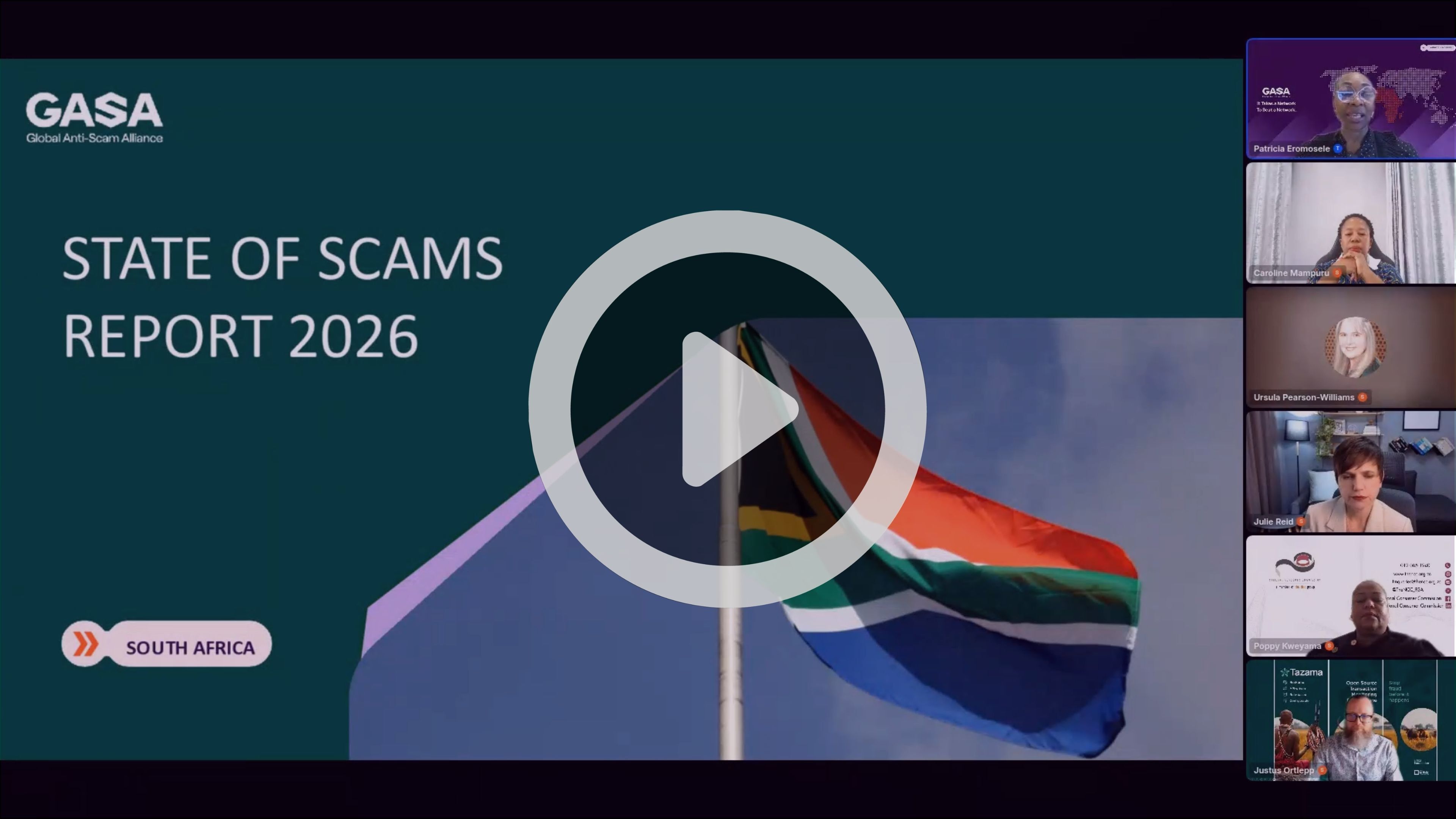
State of Scams in South Africa 2026: A Comparative Review Across Africa
South African experts examine scam trends, AI, consumer protection and the need for stronger cross-sector collaboration.
-3.jpg)
More than one in five adults in Japan encountered scams in the past year
New State of Scams Japan 2026 report examines how scams are reaching consumers and where stronger prevention and collaboration can make a difference