
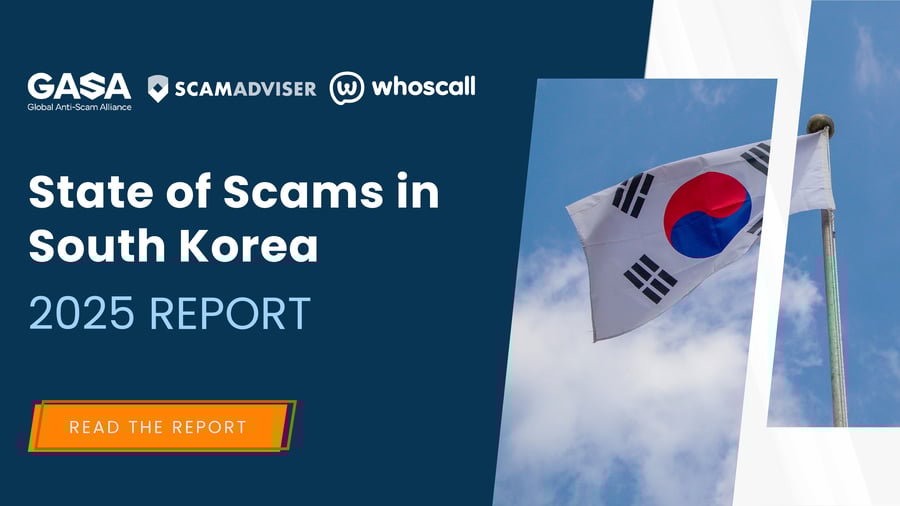
The Korean Financial Crime Prevention Association (KFCPA), Whoscall, ScamAdviser, and the Global Anti-Scam Alliance (GASA) have jointly released the
State of Scams in South Korea 2025
report. Based on a survey of 1,000 Korean adults, the report provides a comprehensive analysis of the prevalence, impact, and policy challenges of scams in South Korea.
According to the report, 44% of Korean adults encountered a scam in the past 12 months, with 26% experiencing actual victimization. Investment scams (50%) and impersonation scams (43%) emerged as the most common types, with the average adult exposed to 56 scam attempts annually.
The report also features a special contribution by KFCPA, titled
“Tackling Voice Phishing in South Korea: Emerging Threats and Policy Responses.”
In this article,
KFCPA President Wook Kang
highlighted that “voice phishing losses in just the first half of 2025 reached KRW 6.4 trillion (approx. USD 4.9 billion), representing a 98% surge from the previous year.” He warned that generative AI and deepfake technologies are making scams increasingly sophisticated and damaging.
As countermeasures, he proposed:
Establishing a Voice Phishing AI Platform linking financial institutions, telecom providers, and law enforcement,
Enabling real-time freezing of fraudulent accounts , and
Creating a centralized governance system to coordinate cybersecurity, prevention, enforcement, and recovery.
He stressed, “Fragmented systems cannot keep pace with the accelerating sophistication of scams. AI-driven innovation and centralized governance are the keys to effective prevention.”
Additionally, the Global Anti-Scam Alliance (GASA) outlined
ten key recommendations
,
including the creation of an international network of anti-scam centers, the establishment of a global scam data-sharing hub, and stronger accountability for platform providers. The report emphasizes that South Korea should actively participate in global cooperation to effectively combat scams.
Together, KFCPA, Whoscall, ScamAdviser and GASA urge policymakers, industry leaders, and global partners to take immediate and coordinated action against the rising tide of scams. The State of Scams in South Korea 2025 report serves as both a wake-up call and a roadmap for building a safer digital future.
Manwoo Joo, COO of Gogolook
, developer of Whoscall said: “South Korea is facing a scam pandemic fueled by AI and cross-border networks, and no single institution can fight this alone. The findings of this report show the urgent need for stronger data-sharing between industries, and centralized governance to protect citizens. Whoscall is committed to working hand in hand with Korean authorities, financial institutions, and global partners to stop scams before they spread, and to restore trust in the digital economy.”
Click here to access GASA’s complete The State of Scams in South Korea 2025 report
About The Global Anti-Scam Alliance (GASA)
The Global Anti-Scam Alliance (GASA) is a non-profit organization dedicated to protecting consumers worldwide from online scams. GASA unites governments, law enforcement, telecommunication providers, tech leaders, consumer protection agencies, and cybersecurity experts to share knowledge, foster cross-sector and cross-border collaboration, and promote effective solutions in the fight against online fraud. Through research, advocacy, education, and global events, GASA works to build a safer digital world for everyone. Learn more about GASA at https://www.gasa.org/ .
About KFCPA
The Korean Financial Crime Prevention Association (KFCPA) is a nonprofit organization dedicated to combating financial crimes and promoting a secure financial ecosystem in South Korea. Through strategic partnerships with government agencies, financial institutions, and international organizations, KFCPA develops countermeasures, conducts research, and delivers public education on fraud prevention, money laundering, and cybercrime. The association regularly hosts seminars, publishes expert materials, and advocates for policy innovation to address emerging threats in the financial landscape. Learn more about KFCPA at htps://kfcpa.pr.kr
About Whoscall
The Whoscall app, a digital anti-scam tool, is designed to protect users across various scenarios from scams and spams, including phone calls, text messages, and links. With over 100 million downloads worldwide, it boasts the most comprehensive database in East and Southeast Asia, encompassing over 2.6 billion phone numbers, and collects data from partner ScamAdviser to form a leading digital anti-scam database.
Whoscall has won multiple Google Play and App Store Best App of the Year awards. With the brand vision of ‘Innovating for Trust, Powered by People,’ it serves as a socially impactful digital innovation service, and recognized and chosen for partnerships by the Taiwan National Police Agency, Thai Royal Police and NCSA, Royal Malaysia Police and CyberSecurity Malaysia, the Philippines Cybercrime Investigation and Coordinating Center, and local governments in Japan.
About ScamAdviser
ScamAdviser
, a leading brand in global enterprise scam prevention solutions, based in Amsterdam, Netherlands. Leveraging AI and a comprehensive database network, ScamAdviser has developed its own website risk rating technology. Its Anti-Scam Intelligence is built on the world’s most comprehensive digital anti-scam database.
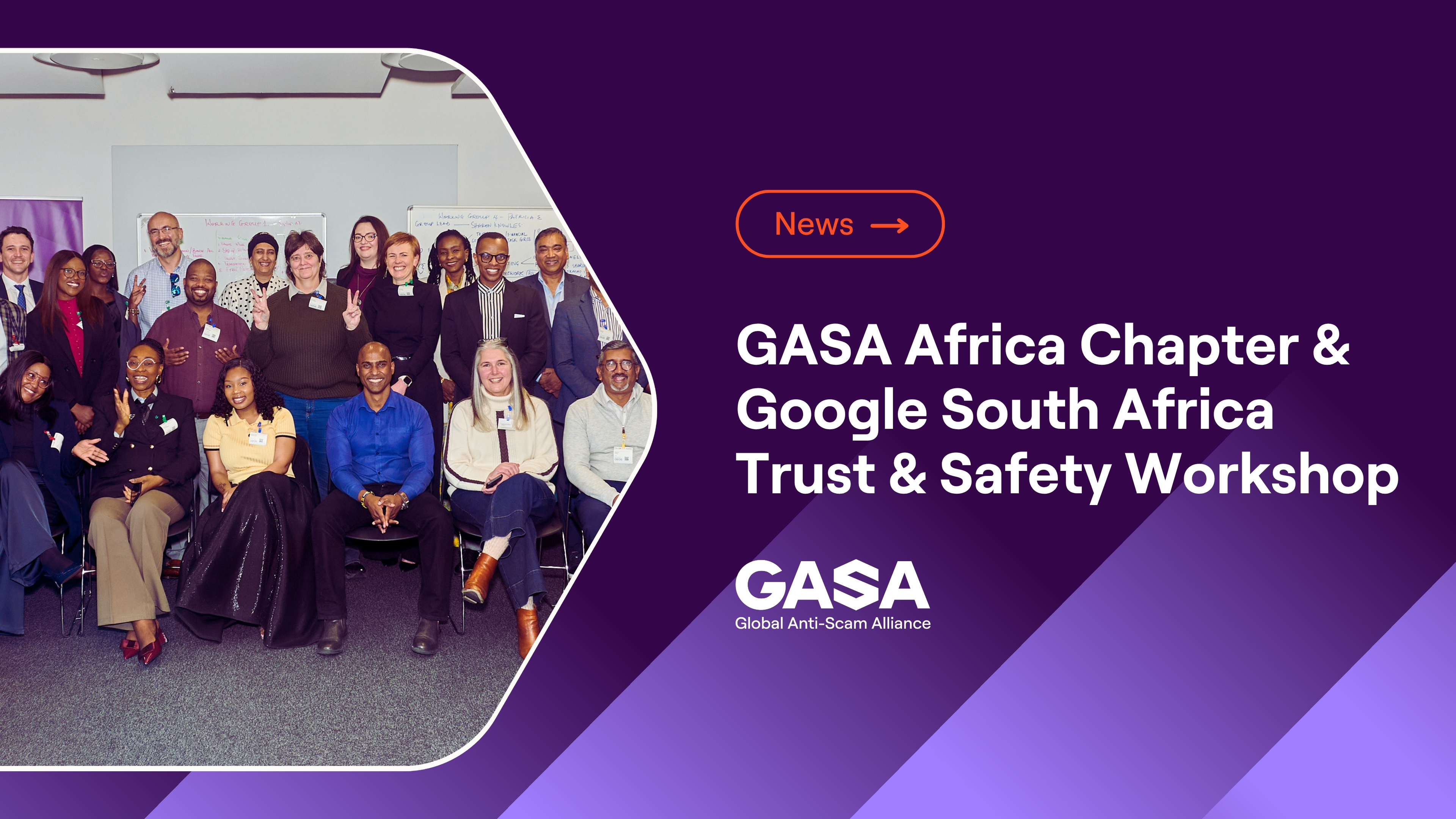
Accra Trust & Safety Workshop Turns Collaboration into Action Against Scams and Fraud in West Africa
GASA Africa Chapter and Google South Africa brought anti-fraud leaders together to strengthen cross-border cooperation and scam prevention.
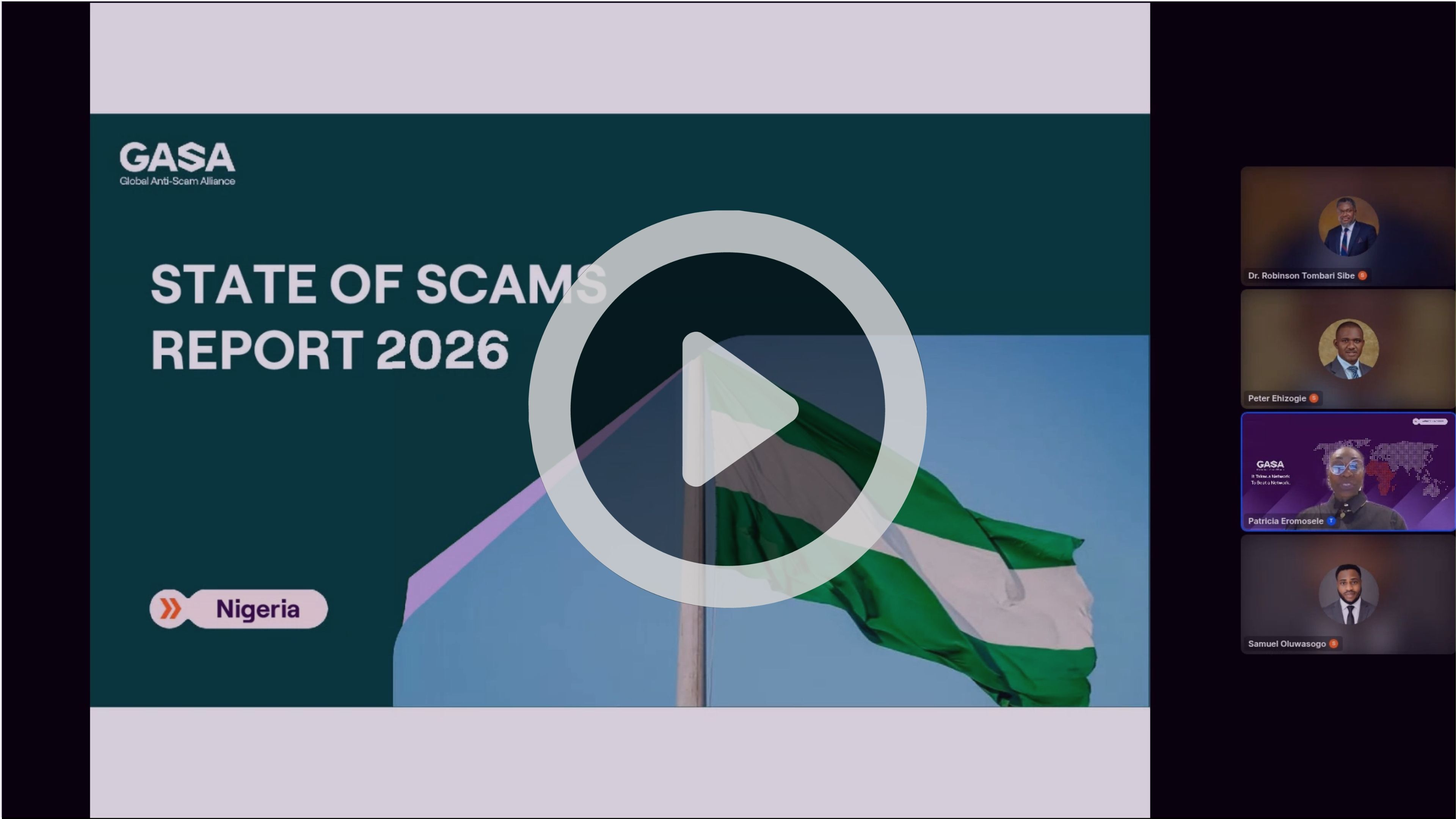
State of Scams in Nigeria 2026: A Comparative Review Across Africa
Nigerian experts examine scam trends, technology, consumer protection and the need for stronger cross-sector collaboration.
Nearly three in four Danish adults encountered scams as estimated losses reach DKK 10.1 billion
New State of Scams Denmark 2026 report finds scam exposure is rising, while victims face repeated financial and emotional harm.
Building a More Trusted Digital Philippines: New Report Underscores the Need for Collective Action as Scam Exposure Continues to Rise
GASA’s State of Scams in the Philippines 2026 Report, in collaboration with Mastercard and Gogolook, highlights the growing scale of the scam challenge in the Philippines.
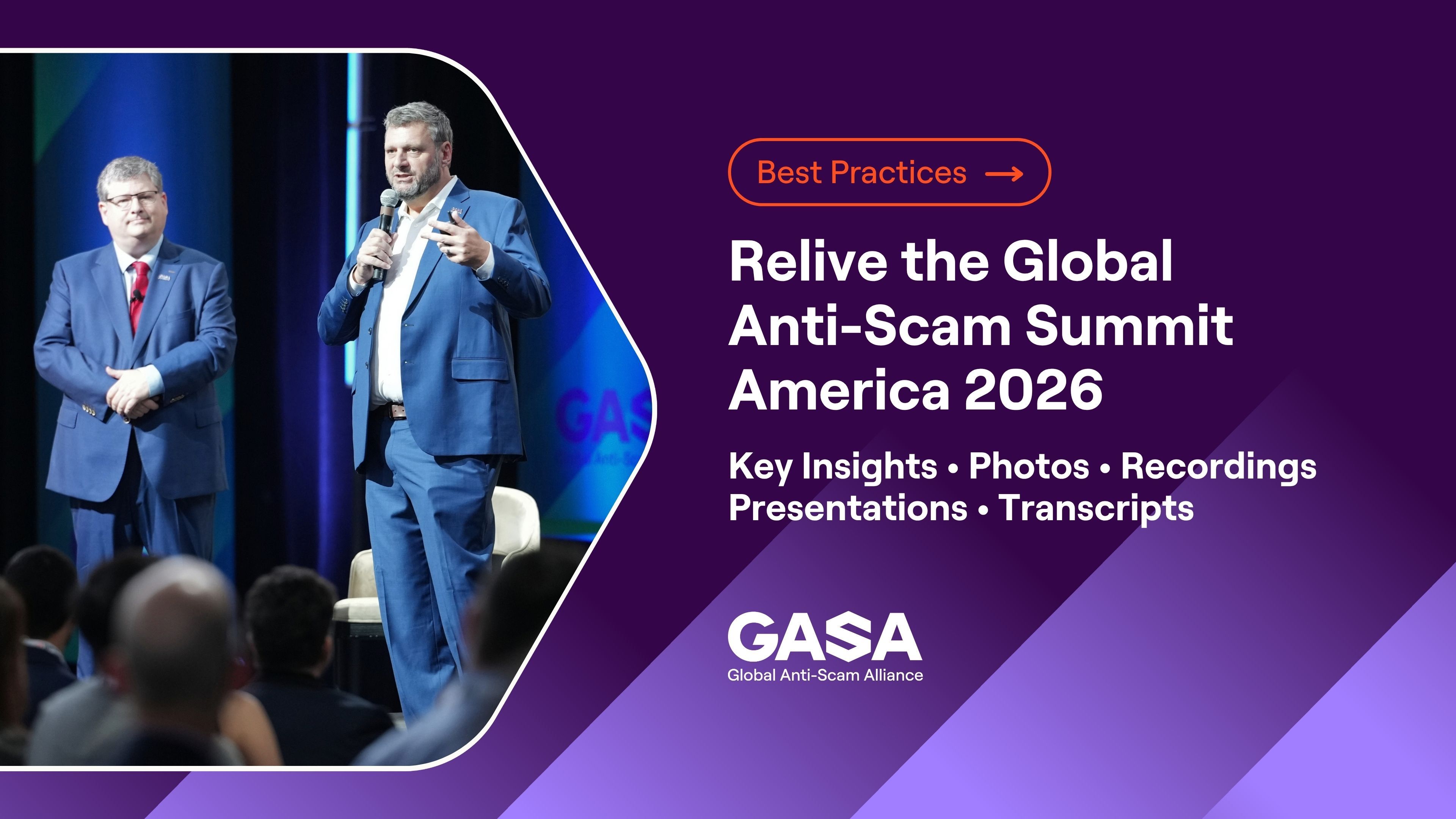
Global Anti-Scam Summit America 2026: Highlights, Insights and Resources
Explore GASS America 2026 highlights and insights, with the Summit summary, photos, presentation slides, transcripts and session recordings from San Francisco.
State of Scams in Kenya 2026: A Comparative Review Across Africa
Kenyan experts examine scam trends, data sharing, digital trust and the need for stronger cross-sector prevention.
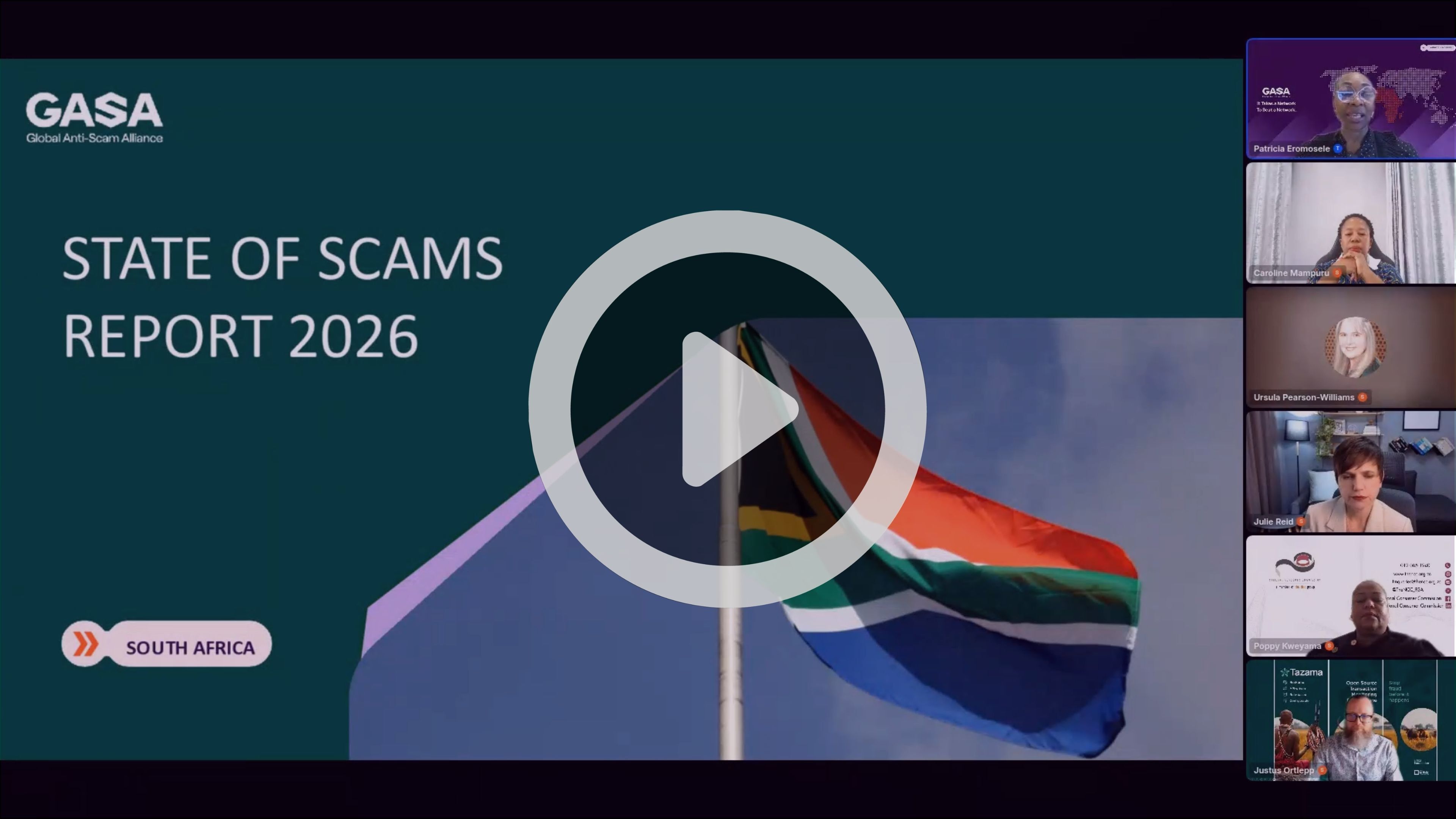
State of Scams in South Africa 2026: A Comparative Review Across Africa
South African experts examine scam trends, AI, consumer protection and the need for stronger cross-sector collaboration.
-3.jpg)
More than one in five adults in Japan encountered scams in the past year
New State of Scams Japan 2026 report examines how scams are reaching consumers and where stronger prevention and collaboration can make a difference