
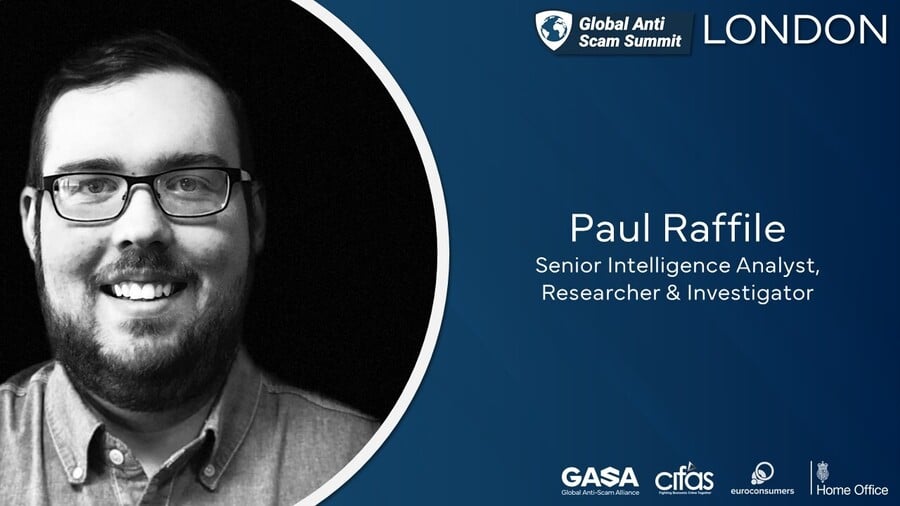
Date of Event: 26–27 March 2025
Event: Global Anti-Scam Summit London 2025
In a harrowing solo session, Paul Raffile, Senior Intelligence Analyst and Investigator, exposed the disturbing rise of sextortion scams targeting minors and the tragic outcomes that follow. Based on in-depth research and personal engagement with victims’ families, Raffile described how financial sextortion—often carried out by organised cybercriminal networks based in Nigeria—has led to a shocking wave of suicides among teenagers worldwide.
Raffile presented case studies of teens from the US, UK, Canada, and Australia who were manipulated, blackmailed, and driven to take their own lives within hours of being contacted. He showed how these scams follow near-identical scripts, indicating mass-scale industrialised exploitation by “Yahoo boys,” who openly share techniques via social media platforms like TikTok and Facebook.
Beyond highlighting the problem, Raffile pointed to promising progress: increased public awareness, policy changes at platforms such as Meta, safety enhancements on Snapchat, and the takedown of apps like Wizz. He also advocated for more proactive intervention from governments, banks, and tech firms—including improving content moderation, restricting underage access, and disrupting the financial flows enabling these crimes.
The session was a sobering reminder of the urgency of action. As Raffile concluded, sextortion is not only the most dangerous scam—it is the most deadly.


Accra Trust & Safety Workshop Turns Collaboration into Action Against Scams and Fraud in West Africa
GASA Africa Chapter and Google South Africa brought anti-fraud leaders together to strengthen cross-border cooperation and scam prevention.
State of Scams in Nigeria 2026: A Comparative Review Across Africa
Nigerian experts examine scam trends, technology, consumer protection and the need for stronger cross-sector collaboration.
Nearly three in four Danish adults encountered scams as estimated losses reach DKK 10.1 billion
New State of Scams Denmark 2026 report finds scam exposure is rising, while victims face repeated financial and emotional harm.
Building a More Trusted Digital Philippines: New Report Underscores the Need for Collective Action as Scam Exposure Continues to Rise
GASA’s State of Scams in the Philippines 2026 Report, in collaboration with Mastercard and Gogolook, highlights the growing scale of the scam challenge in the Philippines.
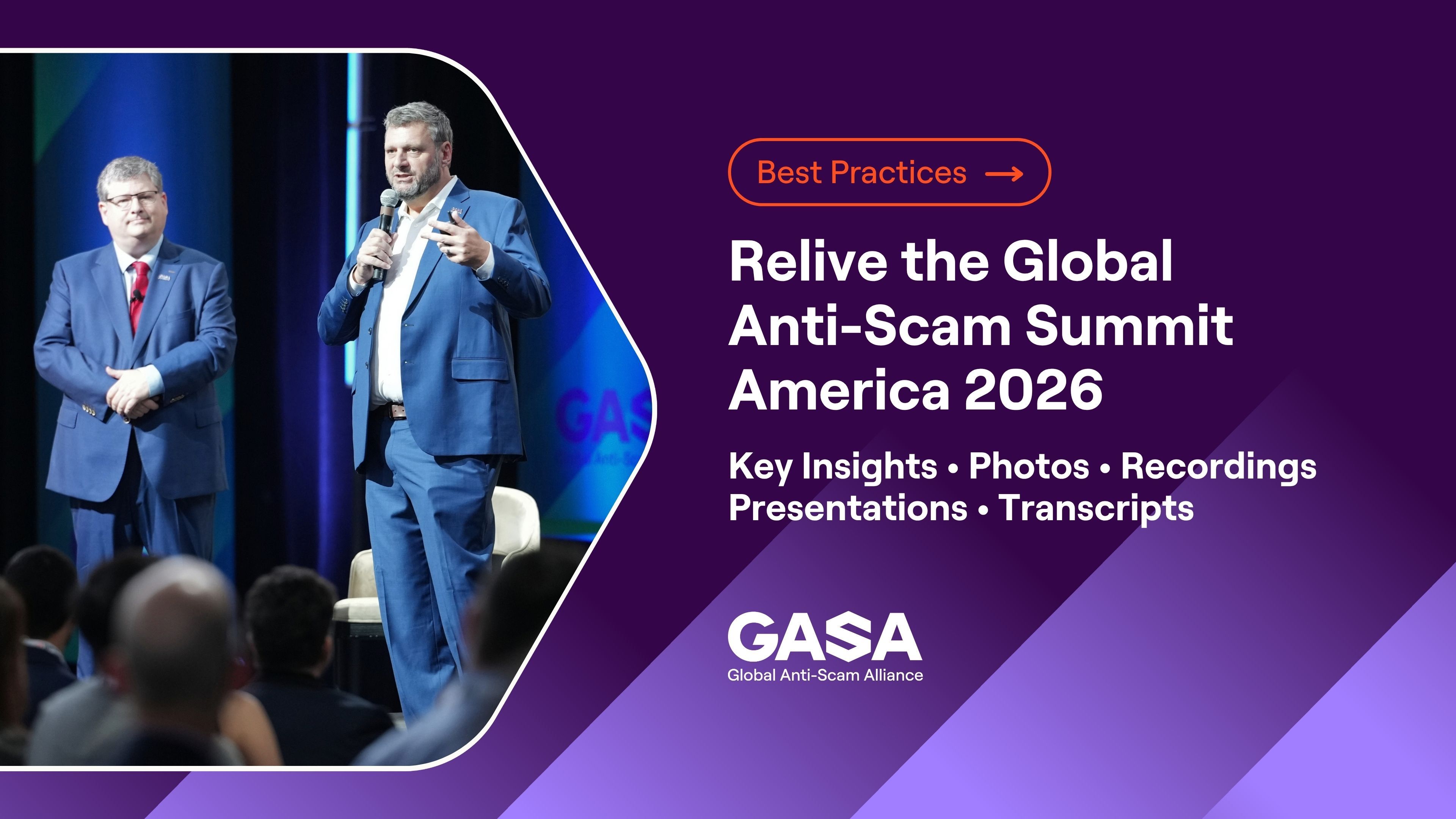
Global Anti-Scam Summit America 2026: Highlights, Insights and Resources
Explore GASS America 2026 highlights and insights, with the Summit summary, photos, presentation slides, transcripts and session recordings from San Francisco.
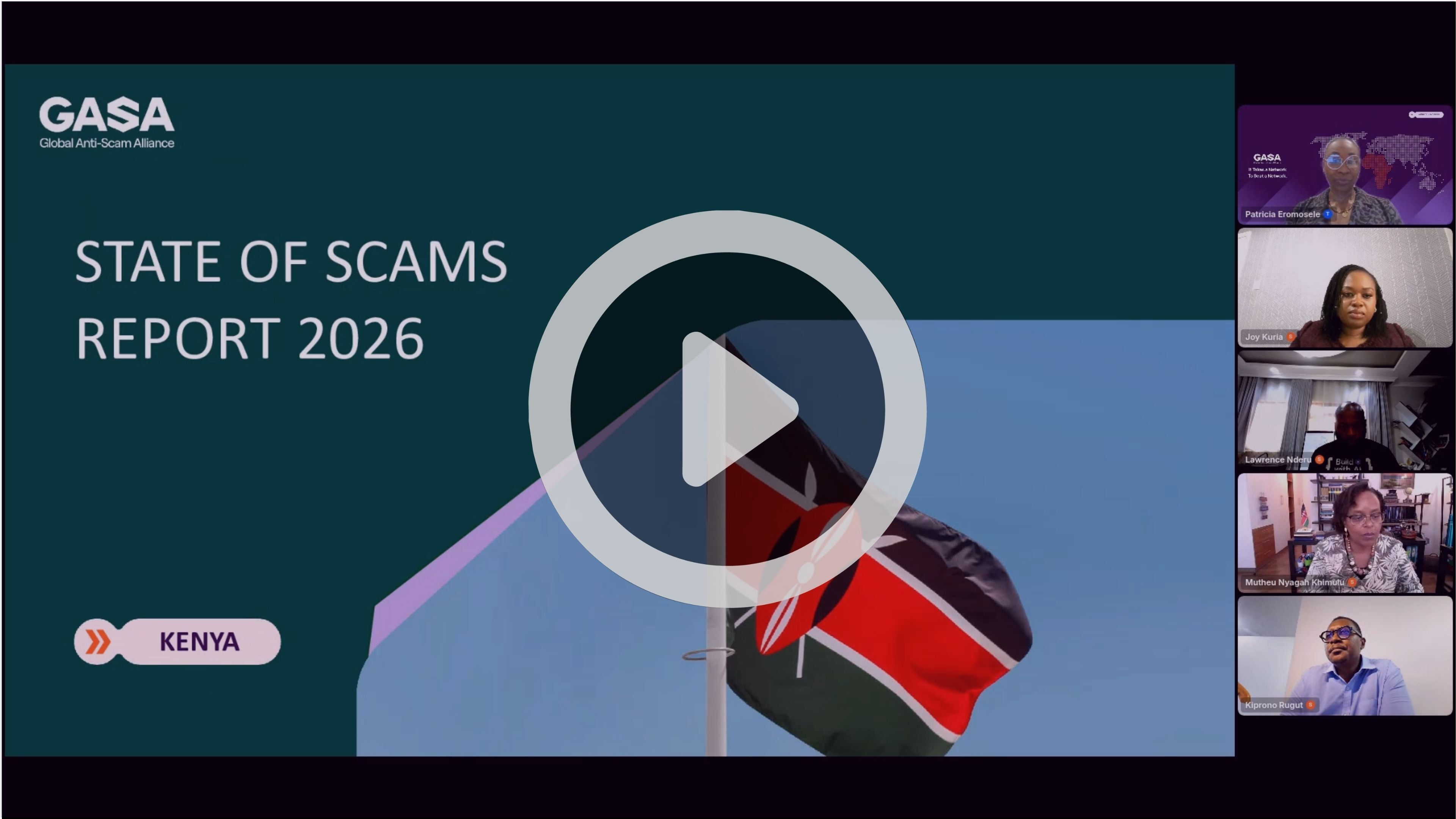
State of Scams in Kenya 2026: A Comparative Review Across Africa
Kenyan experts examine scam trends, data sharing, digital trust and the need for stronger cross-sector prevention.
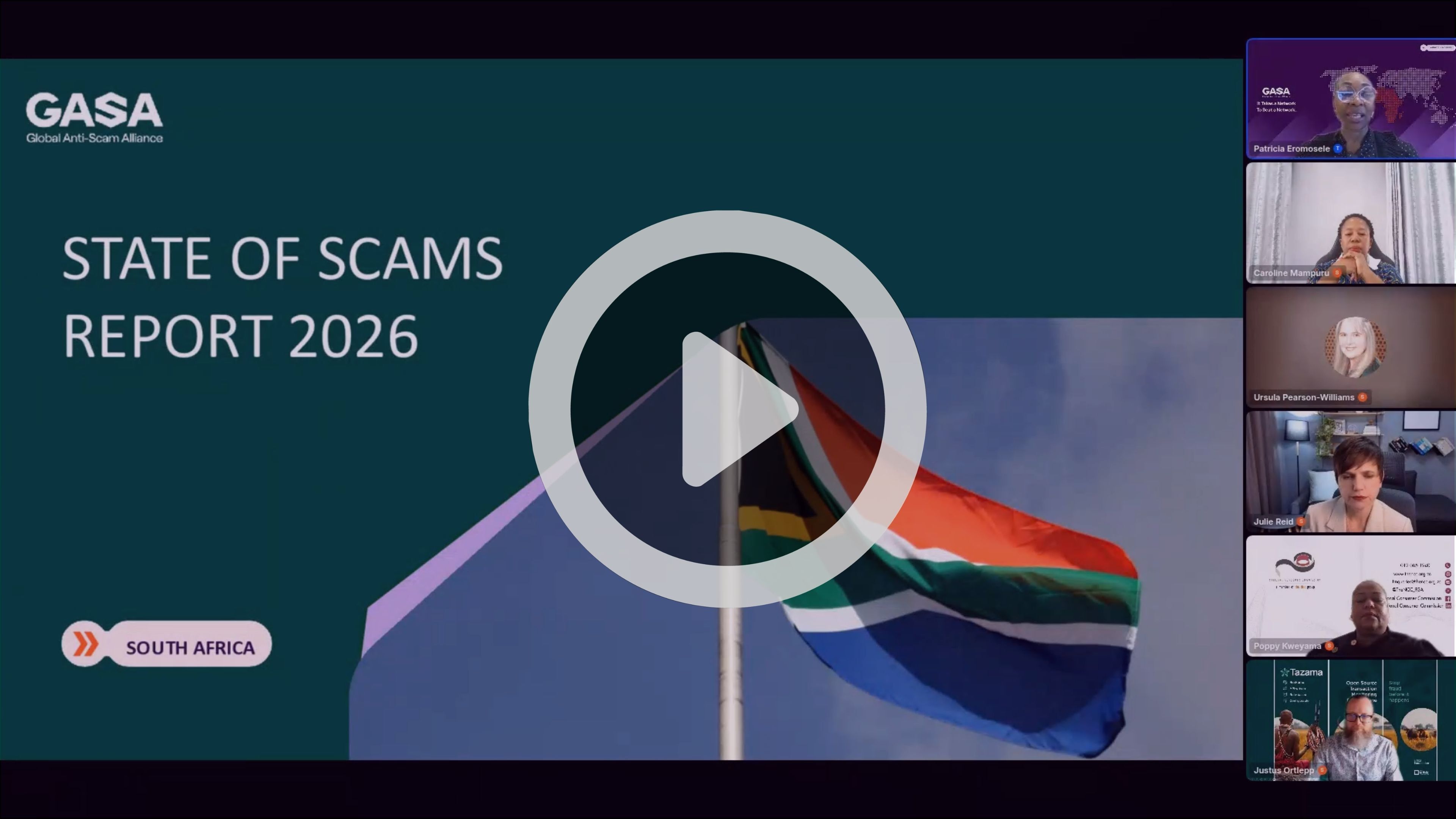
State of Scams in South Africa 2026: A Comparative Review Across Africa
South African experts examine scam trends, AI, consumer protection and the need for stronger cross-sector collaboration.
-3.jpg)
More than one in five adults in Japan encountered scams in the past year
New State of Scams Japan 2026 report examines how scams are reaching consumers and where stronger prevention and collaboration can make a difference