
The Hague, 3 November 2025 – This study of 1,000 Mexican adults reveals that over three quarters have encountered a scam, with an average of one scam encounter happening every four days, equating to 86 scam encounters on average per person per year in Mexico. Additionally, nearly three fifths of Mexican adults claim to have experienced a scam in the last year, with each scam victim being scammed on average 1.8 times.
With widespread financial losses
Shopping scams (55%), investment scams (48%) and unexpected money scams (47%) are the most common types of scams in Mexico, with some having money stolen via email while others received kidnapping threats. Additionally, over a third of Mexican adults claim to have lost money to scams in the last year. Wire or bank transfers (55%) and debit card payments (21%) are the most common methods used by scammers to receive payment. Of those who have experienced being scammed, two thirds have reported the scam to the payment service, and half of those were not able to recover any money lost.
And limited confidence in reporting
Scam encounters are frequent in Mexico, with 12% of Mexican adults encountering a scam multiple times a week. Over the past 12 months, over half of those who have encountered a scam have reported it at least once. However, those who reported the scam encounter said that either no action was taken (37%) or they are not sure what the outcome was (15%). Half of those who have never reported a scam encounter said they did not report it because they were not sure who to report the scam to, while over a third did not think it would make a difference/no action would be taken.
While mental strain increases
The impact of scams goes beyond financial losses, as over four fifths of those who have been scammed claimed they felt very or somewhat stressed when experiencing being scammed and nearly half said that the scam had a significant or moderate impact on their mental wellbeing. Additionally, 17% say they now have heightened tension and stress in the family unit as a result of experiencing a scam.
Leading to increased vigilance
97% of Mexican adults claim to take at least one step to check if an offer is legitimate or a scam. The most common step taken is searching for reviews on other websites (36%), reflecting high effectiveness against scams.
And rising calls for accountability
A third of Mexican adults believe full repayment to the victim should be the top penalty for scammers, however, 19% believe in more severe punishment such as jail time of 6 to 10 or more years.
Scams in Mexico continue to take a heavy toll, causing financial losses, emotional strain and prompting calls for greater protections and stricter consequences. “These findings show both the scale of the challenge and the resilience of the Mexican people. Despite facing scams every few days, most adults are taking steps to verify information and protect themselves. Now it is time for organizations, regulators, and companies to match that vigilance with concrete measures to make Mexico a safer place online,” said Sissi de la Peña , Director of GASA Chapter Mexico.
Methodology
Research was conducted by Opinium Research, on behalf of the Global Anti-Scam Alliance (GASA), between 26 February and 14 March 2025. Opinium surveyed 1,000 adults (18+) living in Mexico, nationally representative of the Mexican adult population. The data was weighted to be nationally representative by age, gender, and region.
This year’s survey used an updated and more rigorous methodology. Stricter data cleansing was applied, excluding the top 2–5% of the highest loss reports to remove outliers. Quotas based on age, gender, and region ensured a more representative sample across all 42 markets surveyed.
The research also discontinued global extrapolations — results now reflect only the surveyed markets, a change that will continue in future reports to ensure greater consistency and accuracy.
Click here to access GASA’s complete The State of Scams in Mexico 2025 report
About The Global Anti-Scam Alliance (GASA)
The
Global Anti-Scam Alliance (GASA)
is a non-profit organization dedicated to protecting consumers worldwide from online scams. GASA unites governments, law enforcement, telecommunication providers, tech leaders, consumer protection agencies, and cybersecurity experts to share knowledge, foster cross-sector and cross-border collaboration, and promote effective solutions in the fight against online fraud. Through research, advocacy, education, and global events, GASA works to build a safer digital world for everyone. Learn more about GASA at
https://www.gasa.org/
.

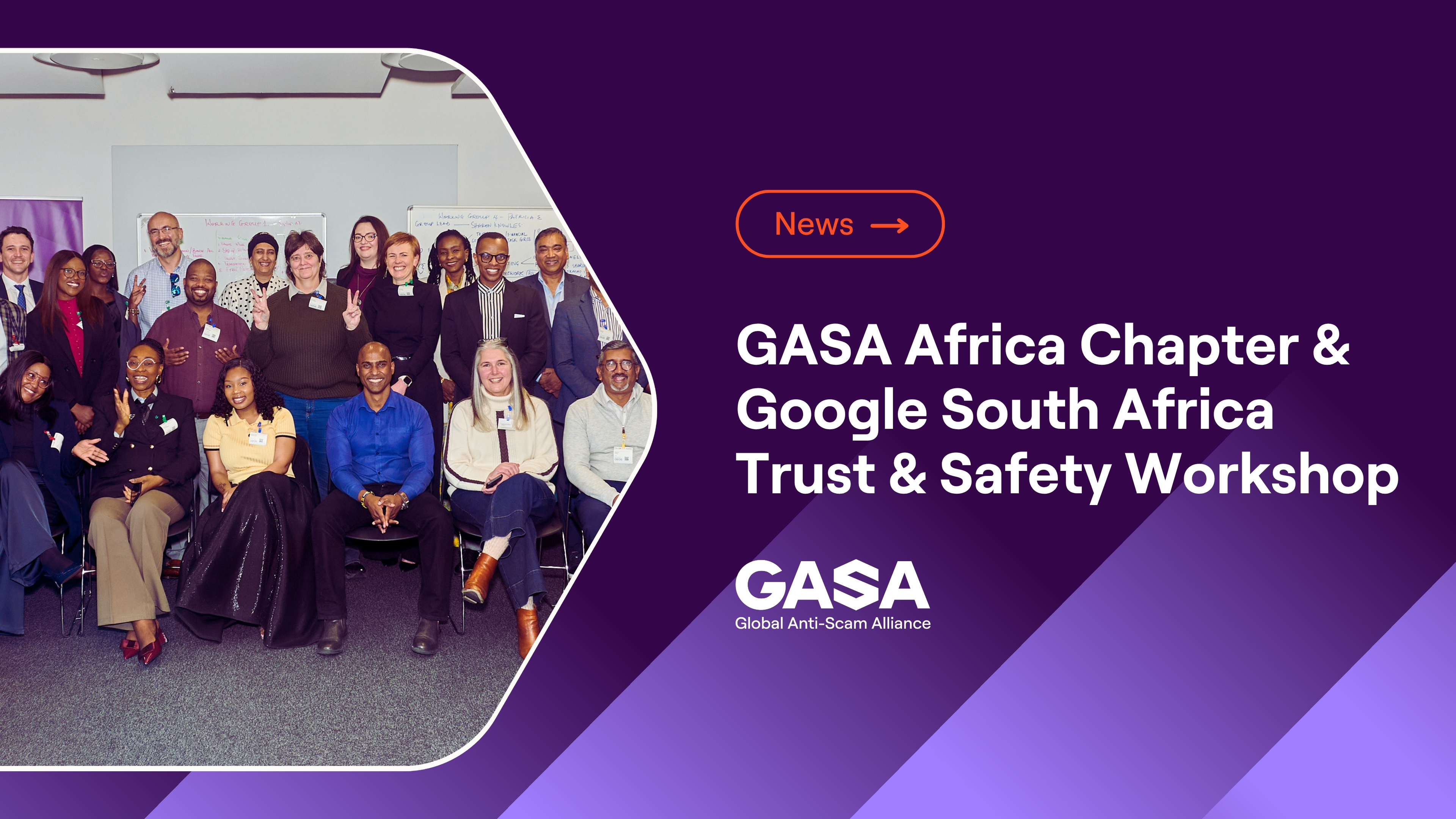
Accra Trust & Safety Workshop Turns Collaboration into Action Against Scams and Fraud in West Africa
GASA Africa Chapter and Google South Africa brought anti-fraud leaders together to strengthen cross-border cooperation and scam prevention.
State of Scams in Nigeria 2026: A Comparative Review Across Africa
Nigerian experts examine scam trends, technology, consumer protection and the need for stronger cross-sector collaboration.
Nearly three in four Danish adults encountered scams as estimated losses reach DKK 10.1 billion
New State of Scams Denmark 2026 report finds scam exposure is rising, while victims face repeated financial and emotional harm.
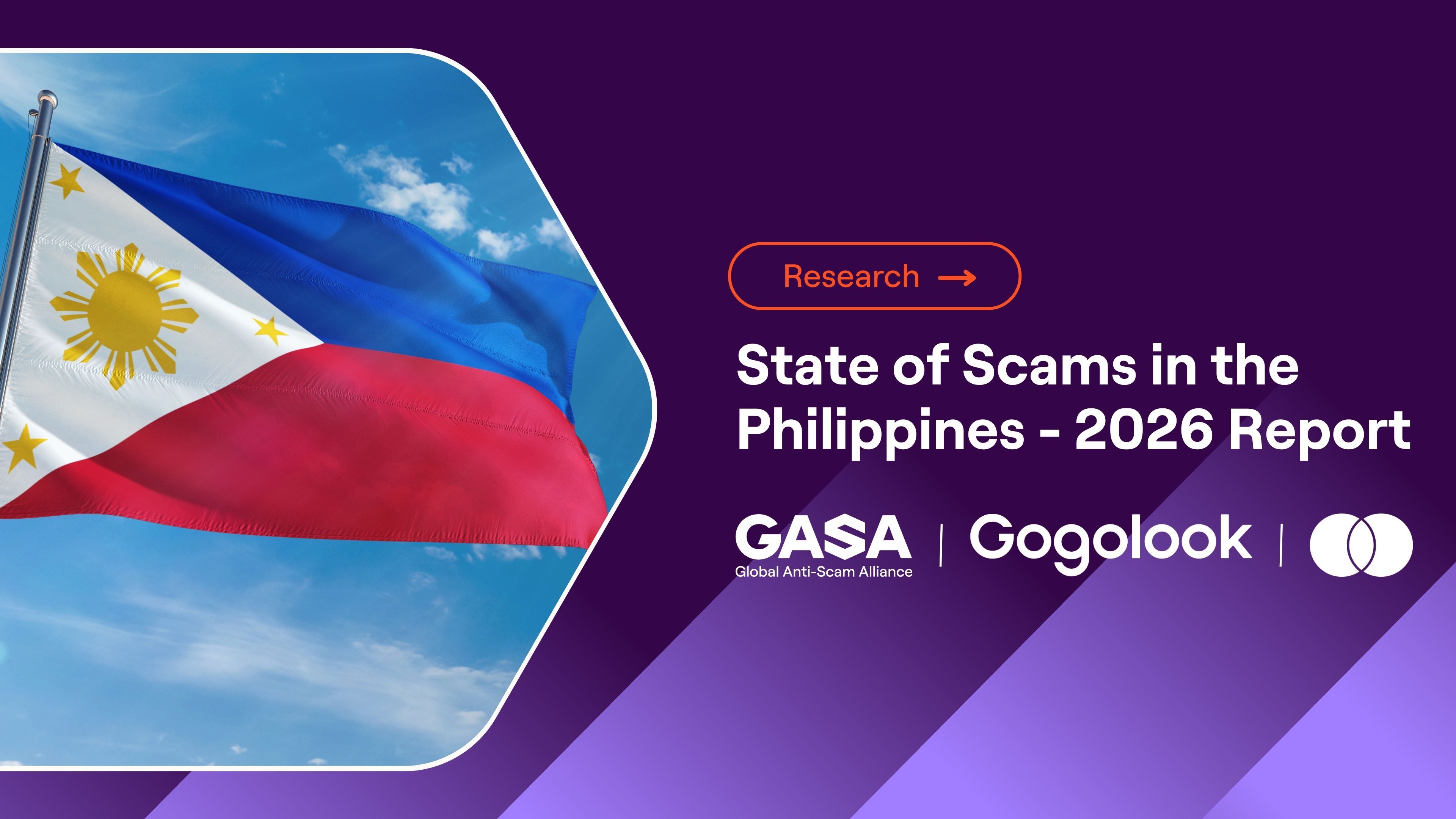
Building a More Trusted Digital Philippines: New Report Underscores the Need for Collective Action as Scam Exposure Continues to Rise
GASA’s State of Scams in the Philippines 2026 Report, in collaboration with Mastercard and Gogolook, highlights the growing scale of the scam challenge in the Philippines.
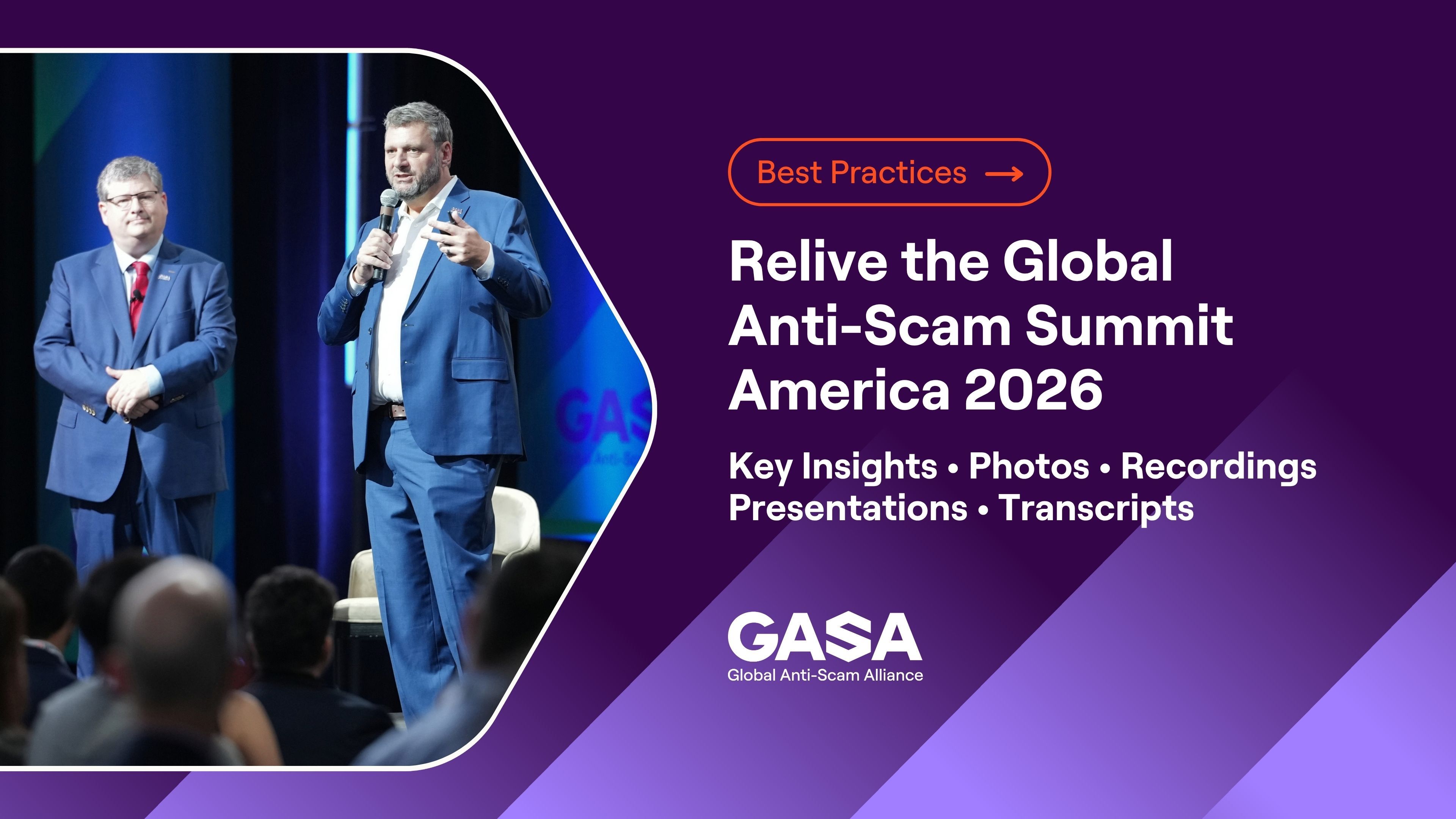
Global Anti-Scam Summit America 2026: Highlights, Insights and Resources
Explore GASS America 2026 highlights and insights, with the Summit summary, photos, presentation slides, transcripts and session recordings from San Francisco.
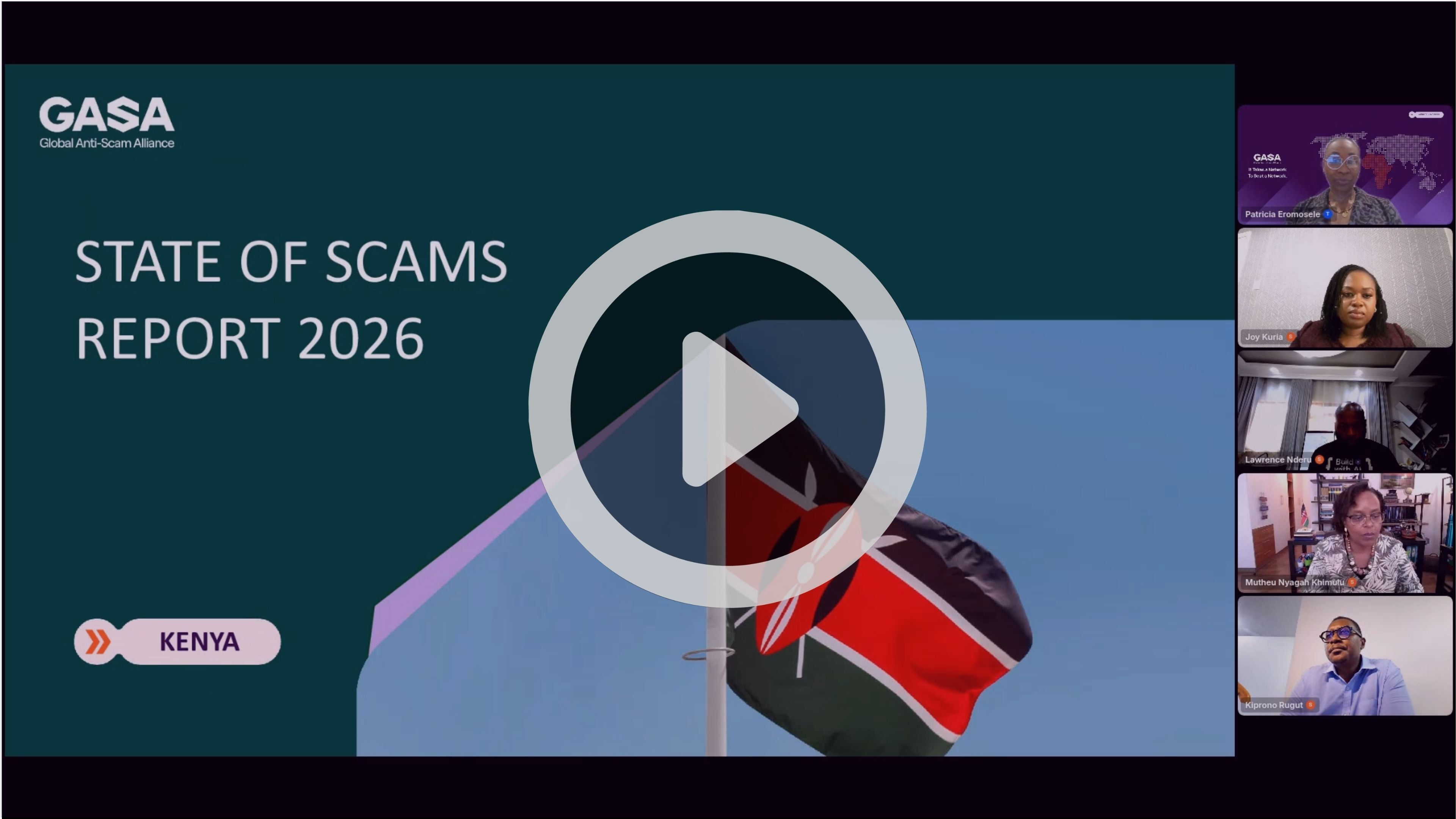
State of Scams in Kenya 2026: A Comparative Review Across Africa
Kenyan experts examine scam trends, data sharing, digital trust and the need for stronger cross-sector prevention.
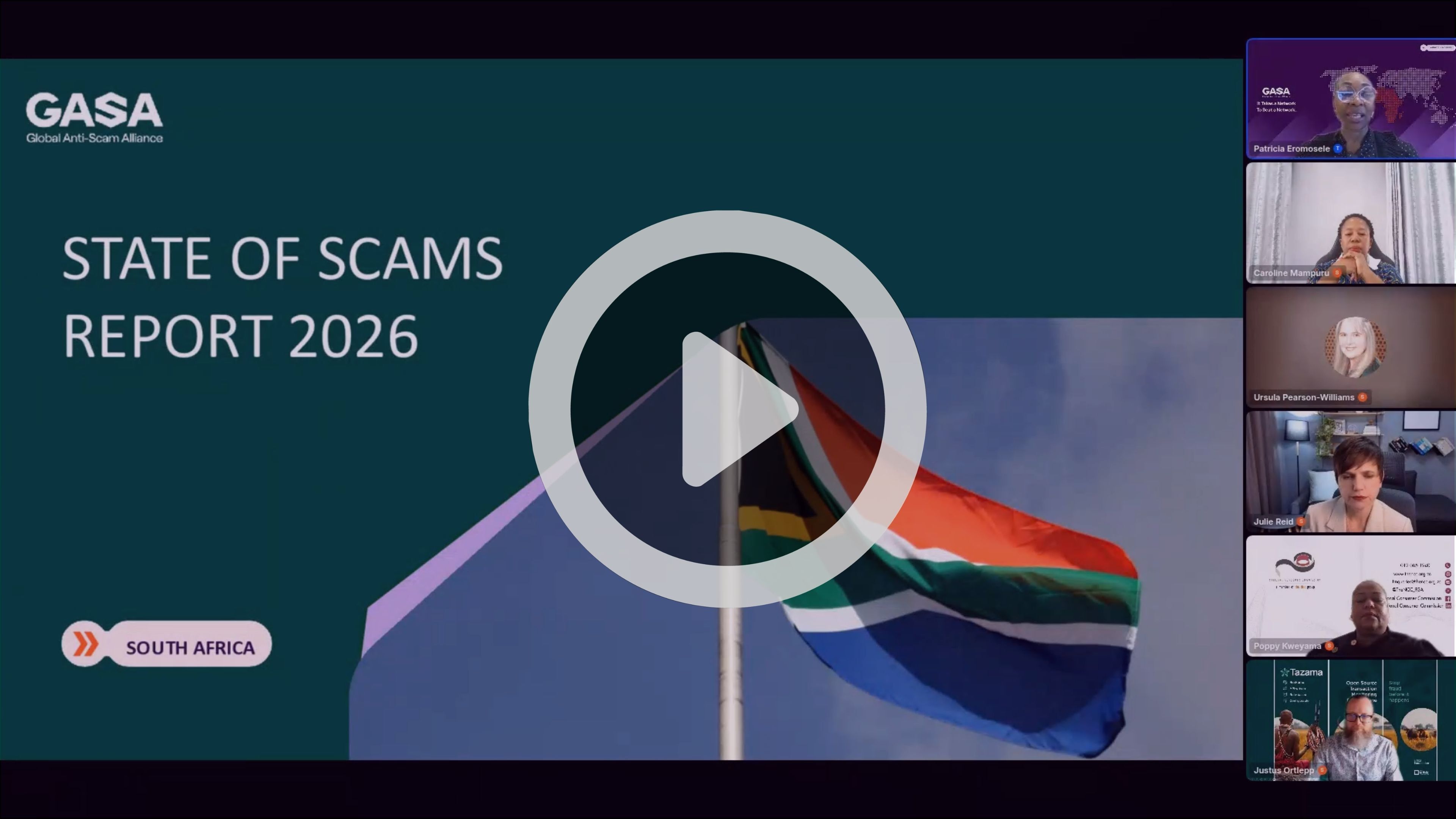
State of Scams in South Africa 2026: A Comparative Review Across Africa
South African experts examine scam trends, AI, consumer protection and the need for stronger cross-sector collaboration.
-3.jpg)
More than one in five adults in Japan encountered scams in the past year
New State of Scams Japan 2026 report examines how scams are reaching consumers and where stronger prevention and collaboration can make a difference