

Earlier this year, Westpac – One of Australia’s major ‘Big Four’ banks – introduced new AI-powered call assistant technology to help tackle scams as they happen.
The Global Anti-Scam Alliance (GASA) calls attention to Westpac's new technology for anti-fraud and scam operations and investigative teams across the banking and financial services sector. This tool is currently being piloted by Westpac’s fraud and scams team as part of a broader effort to enhance scam prevention and customer support.
Westpac’s AI-enabled call assistant analyzes multiple conversation elements simultaneously. The technology doesn't rely on a single indicator, but instead monitors various aspects of customer calls, including:
Verbal cues that suggest potential money transfers to scammers
Background audio analysis to detect if customers are being coached
Real-time conversation patterns that indicate coercion or manipulation
This best practice is an example of the use of AI in an effort not to replace human interaction or judgement, but rather to augment the power of agent-to-customer interaction. These benefits have clear application in fraud operations, investigations, or general customer care.
According to Benjamin Young, Westpac’s Head of Fraud Prevention , the new AI-powered technology is improving the way the bank supports customers and helping to stop more scams. “Our team are often taking calls from customers and trying to analyse a lot of information at once. Our new AI tool is helping our people identify signs of a scam during live customer calls, helping them to respond quickly with the right information."
Fraud operations and investigations professionals will also recognize a proactive approach to the offering of ‘AI Copilots’ in this manner, as these tools can be important safety nets and force multipliers against fraud and scams when used consistently in real-time customer interactions. With new fraud and scams methods developing daily, these tools help close gaps in the identification of customer vulnerability to fraud and scams. For newer fraud analysts and customer care associates, these tools also greatly benefit the ongoing endeavor of training and employee recognition of fraud and scams, as this speeds up determinations of what is unusual and suspicious behaviors.
This human-AI collaboration model ensures that technology enhances decision-making, without removing the empathy and contextual understanding human interaction provides. The red flags the AI-enabled call assistants are identifying also help the human agents to accomplish another goal with consumers – pause and more careful consideration of the transaction at hand.
These tools also benefit the measurement and quantification of the effectiveness of a bank or financial institution’s fraud and scams prevention program. Westpac maintains detailed metrics on their fraud and scam prevention efforts, including the identification and blocking of 94,000 phone numbers associated to impersonation attempts. That’s an obviously positive metric in the effort to measure the success and ROI of anti-fraud and scam efforts.
Westpac's initiative reflects a crucial industry evolution. As scammers become more sophisticated, financial institutions must leverage advanced technology to stay ahead. The success of AI-powered real-time fraud prevention could influence regulatory expectations and customer standards across the industry (and not exclusive to the Australian market, but globally).
Westpac's AI-powered call assistant offers a blueprint for the future of fraud prevention. By combining advanced technology with human expertise, investing substantially in comprehensive security ecosystems, and shifting focus from reactive to proactive prevention, financial institutions can significantly improve their ability to protect us all, customer and consumer alike.

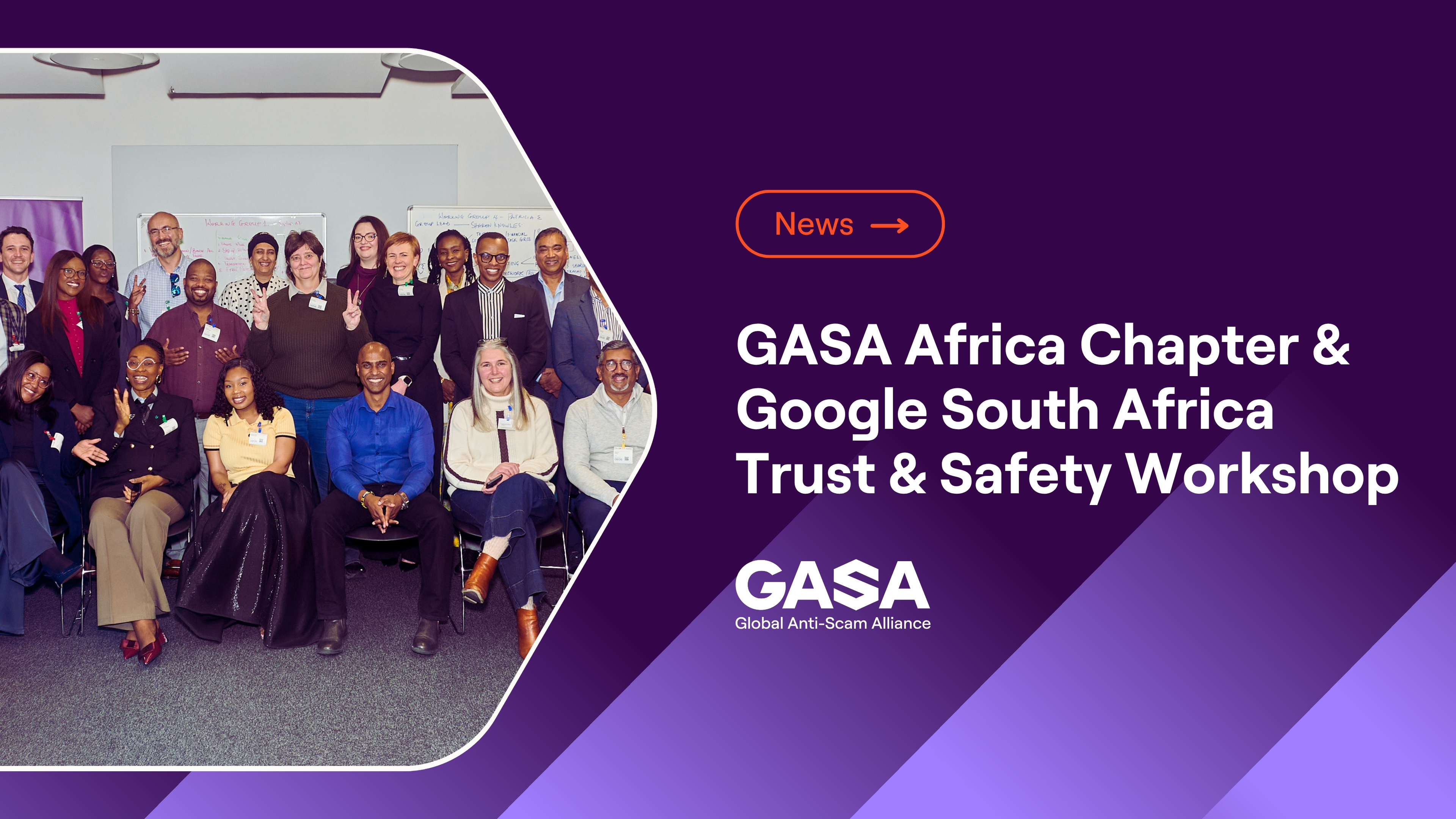
Accra Trust & Safety Workshop Turns Collaboration into Action Against Scams and Fraud in West Africa
GASA Africa Chapter and Google South Africa brought anti-fraud leaders together to strengthen cross-border cooperation and scam prevention.
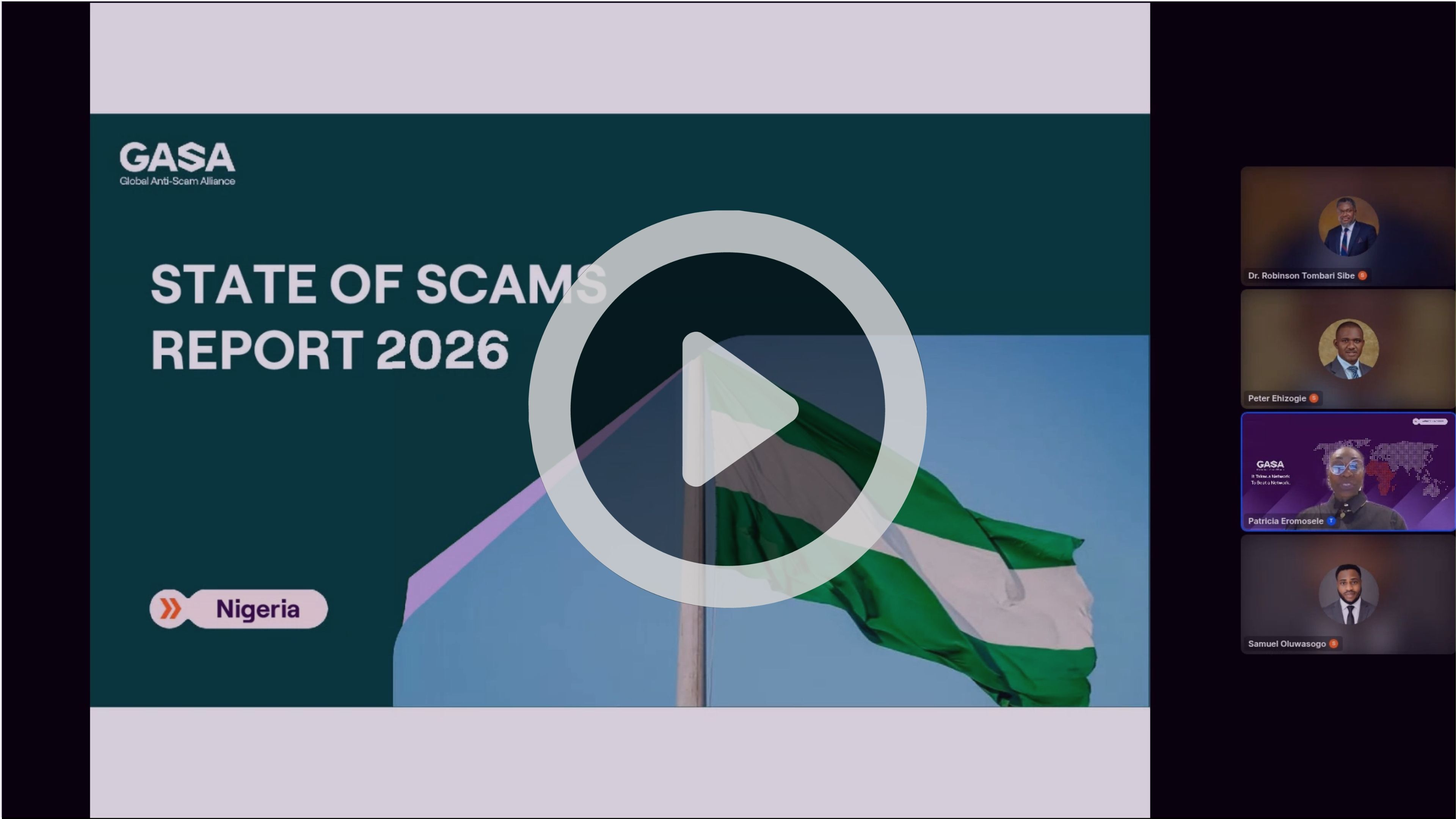
State of Scams in Nigeria 2026: A Comparative Review Across Africa
Nigerian experts examine scam trends, technology, consumer protection and the need for stronger cross-sector collaboration.
Nearly three in four Danish adults encountered scams as estimated losses reach DKK 10.1 billion
New State of Scams Denmark 2026 report finds scam exposure is rising, while victims face repeated financial and emotional harm.
Building a More Trusted Digital Philippines: New Report Underscores the Need for Collective Action as Scam Exposure Continues to Rise
GASA’s State of Scams in the Philippines 2026 Report, in collaboration with Mastercard and Gogolook, highlights the growing scale of the scam challenge in the Philippines.
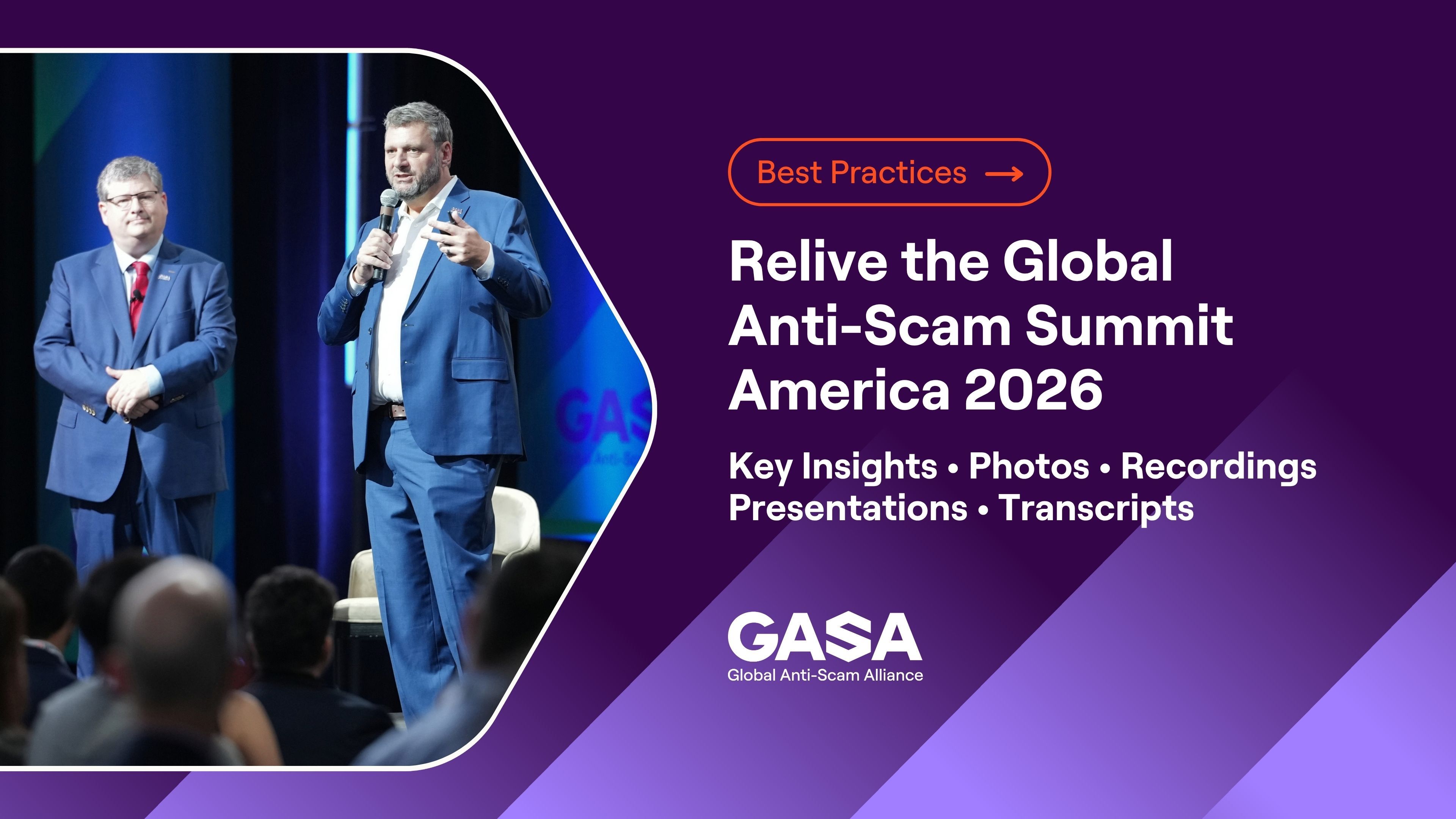
Global Anti-Scam Summit America 2026: Highlights, Insights and Resources
Explore GASS America 2026 highlights and insights, with the Summit summary, photos, presentation slides, transcripts and session recordings from San Francisco.
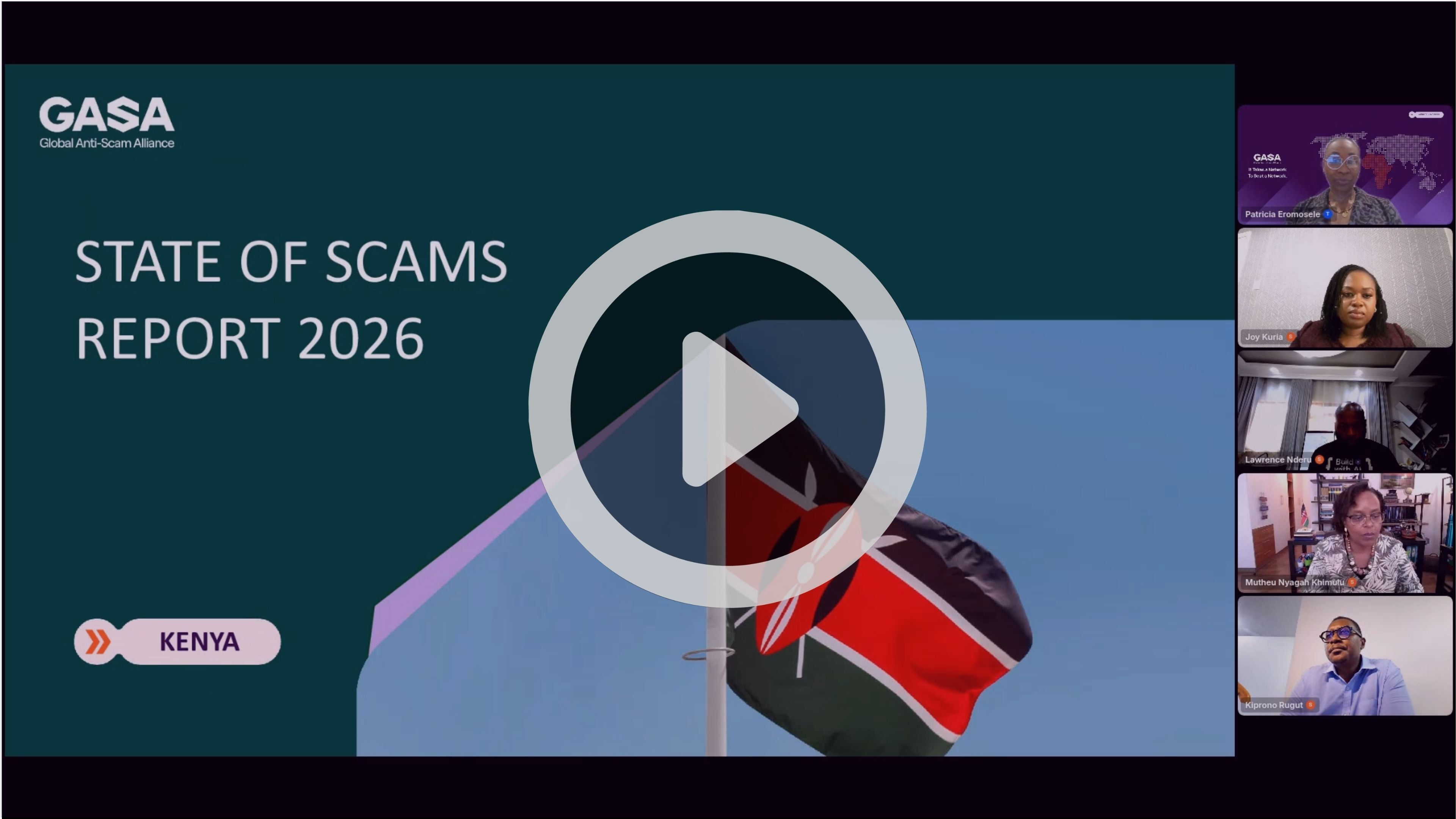
State of Scams in Kenya 2026: A Comparative Review Across Africa
Kenyan experts examine scam trends, data sharing, digital trust and the need for stronger cross-sector prevention.
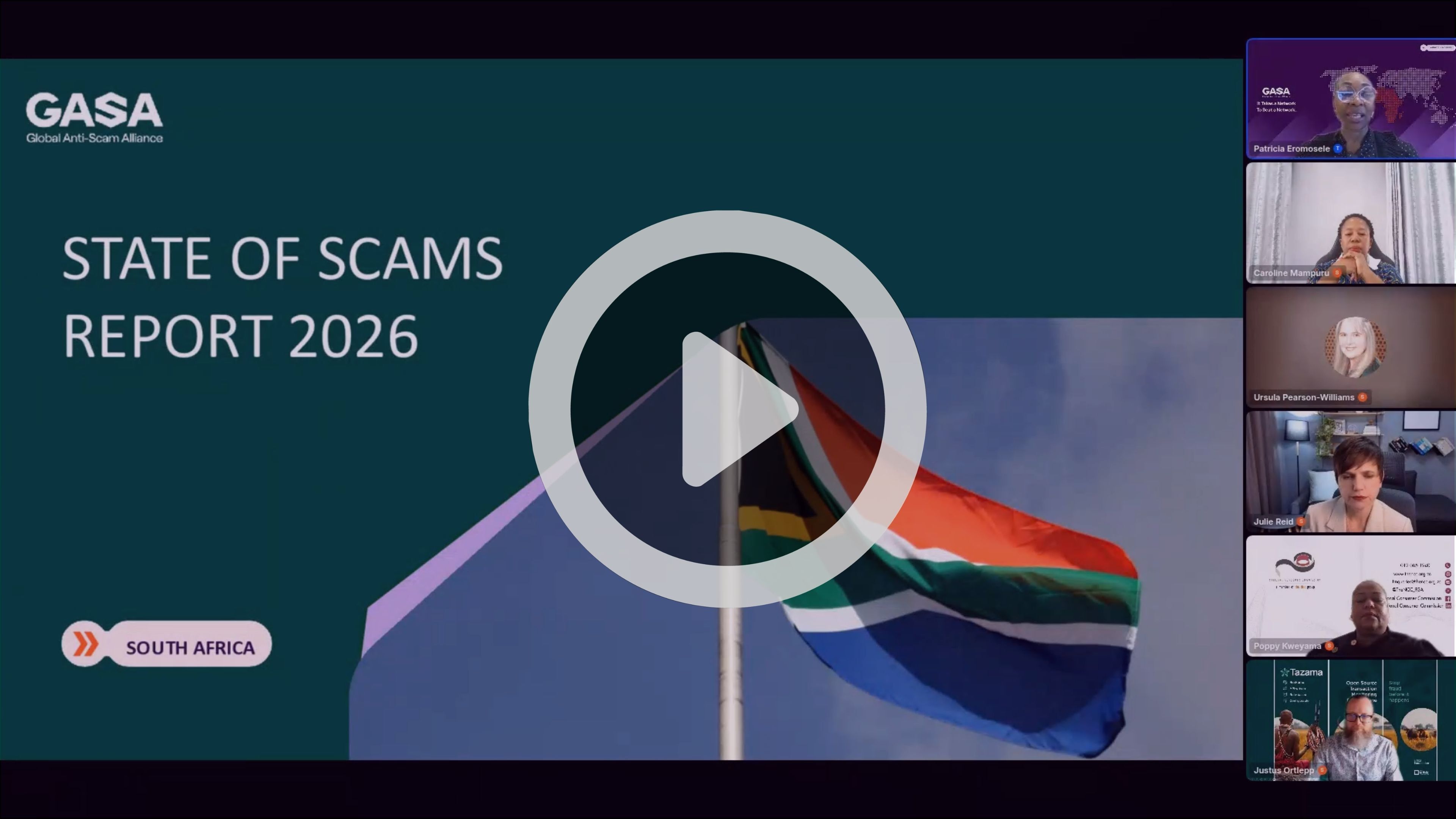
State of Scams in South Africa 2026: A Comparative Review Across Africa
South African experts examine scam trends, AI, consumer protection and the need for stronger cross-sector collaboration.
-3.jpg)
More than one in five adults in Japan encountered scams in the past year
New State of Scams Japan 2026 report examines how scams are reaching consumers and where stronger prevention and collaboration can make a difference