

Date of Event: 26–27 March 2025
Event: Global Anti-Scam Summit London 2025
This workshop focused on how leading organisations are building scam prevention directly into the design of digital products, payment systems, and telecom networks.
Edward Cunningham from Google presented Android’s latest safety features aimed at stopping scams that exploit screen-sharing and call-based manipulation. He walked through user interface changes, call-based restrictions, and notification blocking, all aimed at preventing fraud before it starts.
Melene Morsing of Sydbank shared Denmark’s layered response to rising investment fraud. From limiting online banking transfers to introducing a free citizen alert app and national biometric login systems, she detailed how cross-sector collaboration is driving results.
Niamh Lewis of G2 Risk Solutions explained how scam operators use transaction laundering to disguise scam payments behind legitimate-looking websites. She outlined how G2 maps scam networks and helps financial institutions cut off processing services for bad actors.
Eric Goautier from Orange closed the session by highlighting telco efforts to address scam threats from the infrastructure up—via open standards, SIM card security, legacy protocol hardening, and network monitoring. He called for more cross-industry data sharing and consumer education at every contact point.
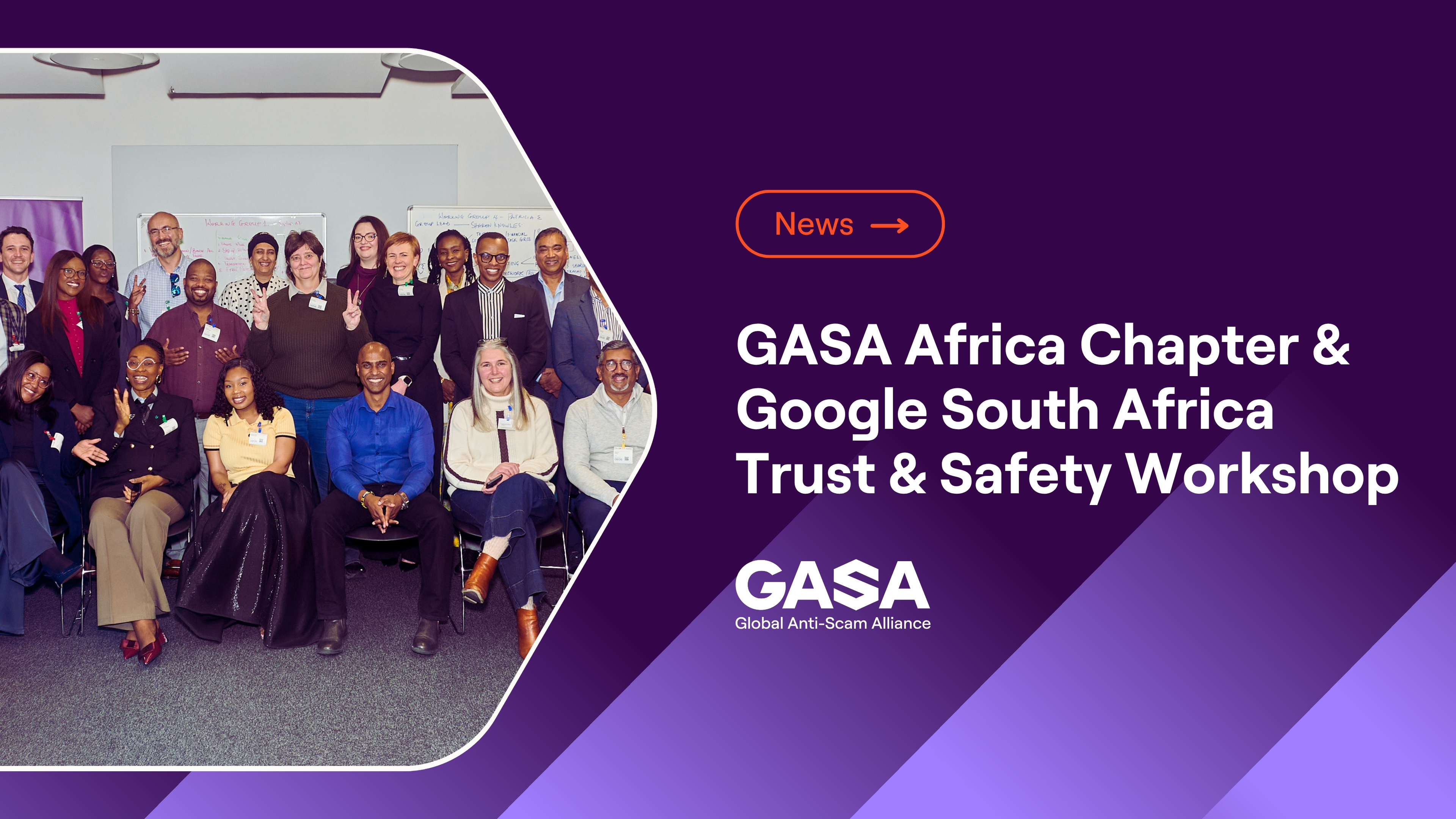
Accra Trust & Safety Workshop Turns Collaboration into Action Against Scams and Fraud in West Africa
GASA Africa Chapter and Google South Africa brought anti-fraud leaders together to strengthen cross-border cooperation and scam prevention.
State of Scams in Nigeria 2026: A Comparative Review Across Africa
Nigerian experts examine scam trends, technology, consumer protection and the need for stronger cross-sector collaboration.
Nearly three in four Danish adults encountered scams as estimated losses reach DKK 10.1 billion
New State of Scams Denmark 2026 report finds scam exposure is rising, while victims face repeated financial and emotional harm.
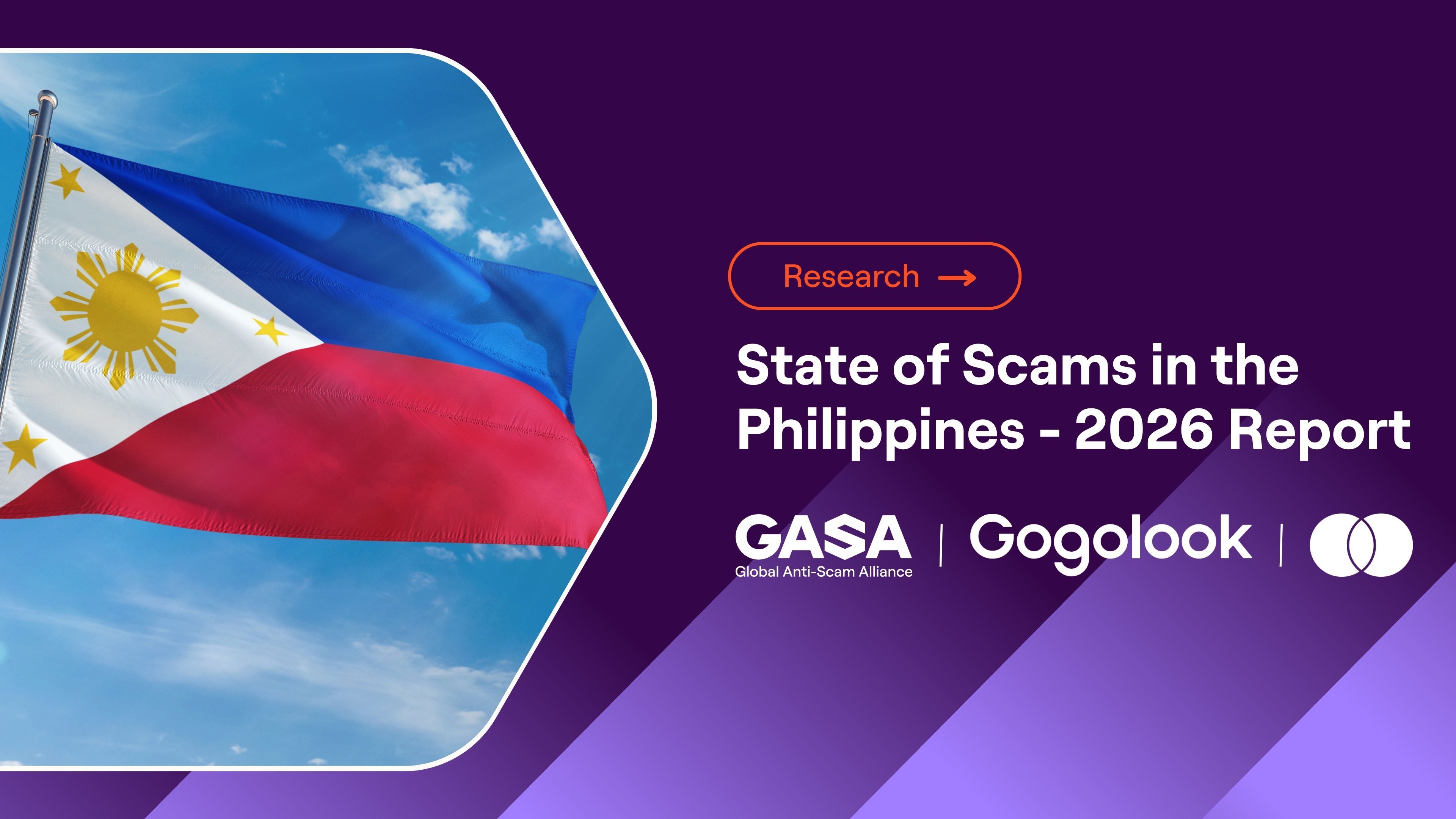
Building a More Trusted Digital Philippines: New Report Underscores the Need for Collective Action as Scam Exposure Continues to Rise
GASA’s State of Scams in the Philippines 2026 Report, in collaboration with Mastercard and Gogolook, highlights the growing scale of the scam challenge in the Philippines.
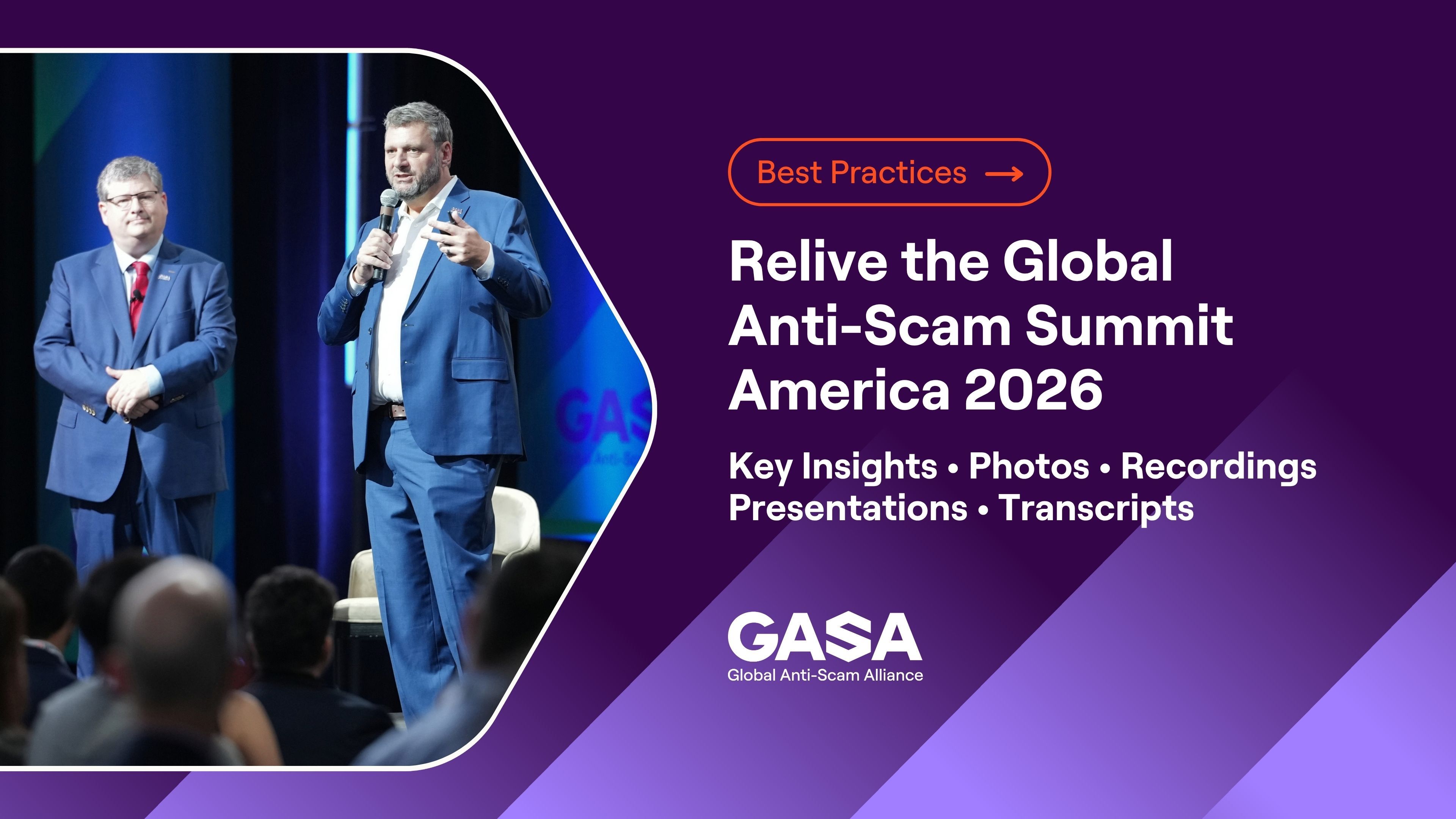
Global Anti-Scam Summit America 2026: Highlights, Insights and Resources
Explore GASS America 2026 highlights and insights, with the Summit summary, photos, presentation slides, transcripts and session recordings from San Francisco.
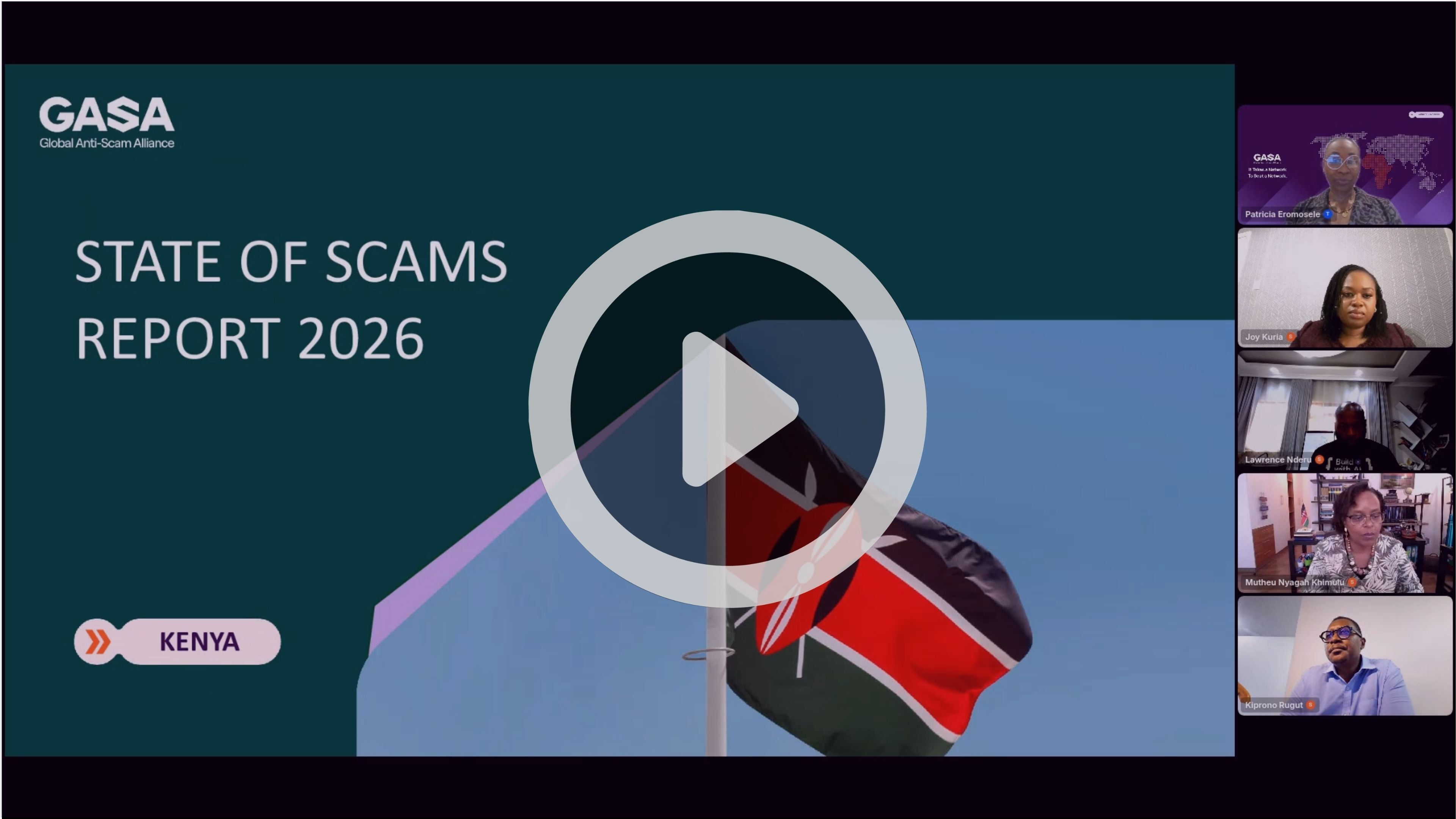
State of Scams in Kenya 2026: A Comparative Review Across Africa
Kenyan experts examine scam trends, data sharing, digital trust and the need for stronger cross-sector prevention.
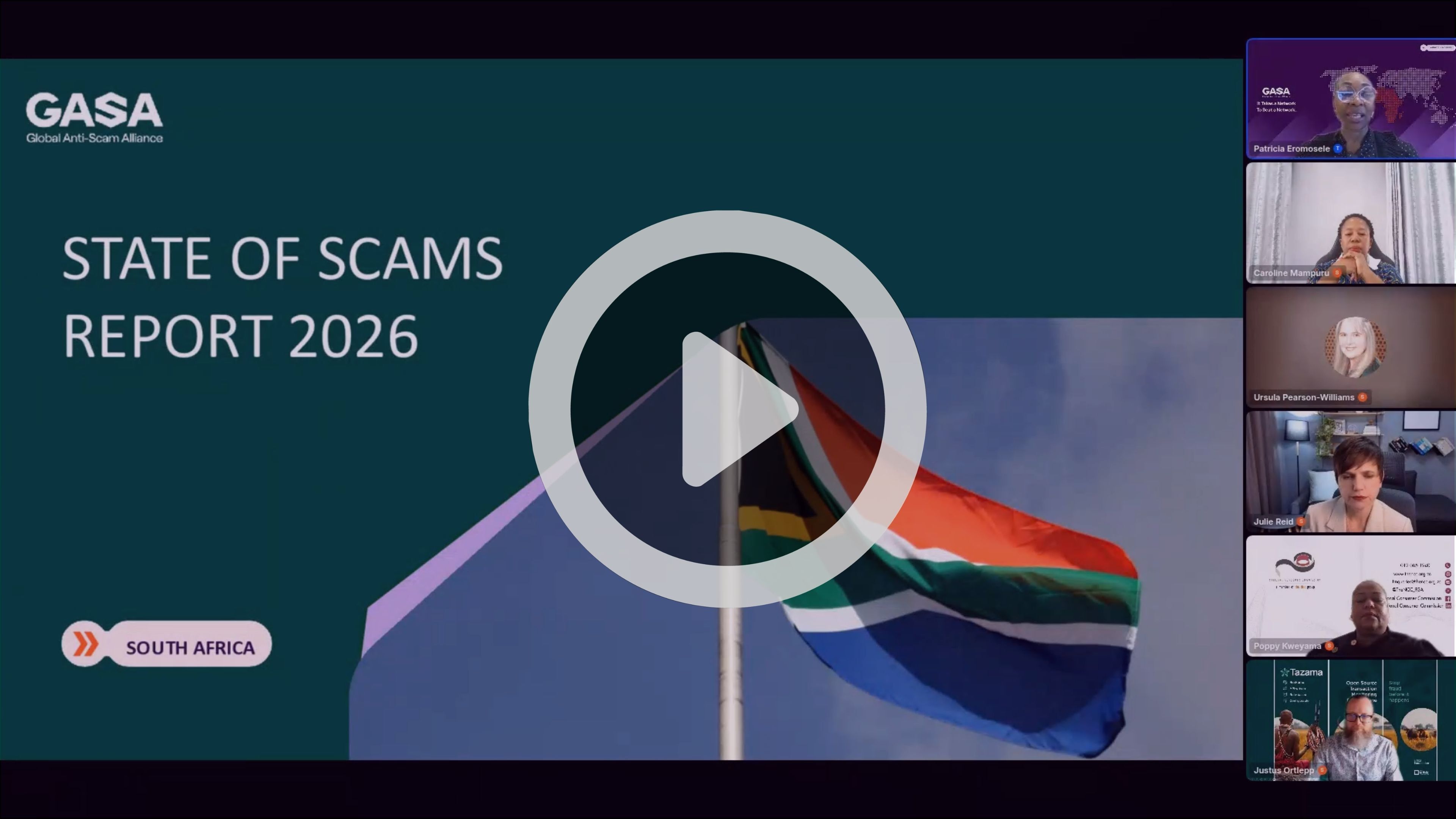
State of Scams in South Africa 2026: A Comparative Review Across Africa
South African experts examine scam trends, AI, consumer protection and the need for stronger cross-sector collaboration.
-3.jpg)
More than one in five adults in Japan encountered scams in the past year
New State of Scams Japan 2026 report examines how scams are reaching consumers and where stronger prevention and collaboration can make a difference