
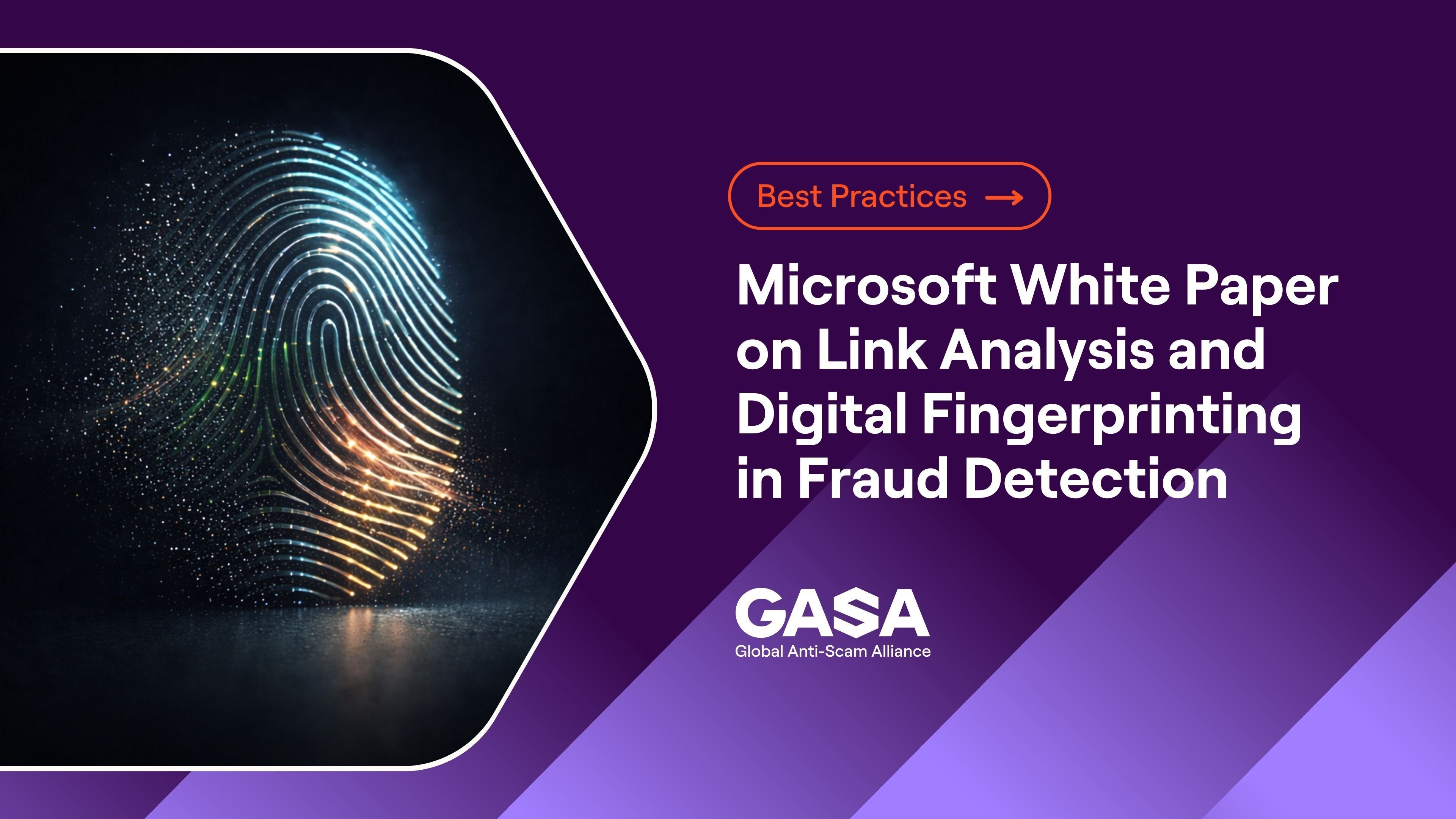
Fraud detection systems are designed to assess risk at the level of individual transactions or accounts. However, this approach is becoming less effective as fraud becomes more complex.
Fraud is often spread across multiple accounts, devices, and interactions rather than appearing as a single event, making it difficult for traditional detection models to capture this kind of activity.
A white paper from Microsoft, Reinventing Link Analysis: How Digital Fingerprinting and LLMs Are Transforming Enterprise Fraud Detection, authored by Akhil Singhal and Sadhana Viswanathan, explores how combining digital fingerprinting with link analysis can shift fraud detection from isolated events to network intelligence across systems.
From Isolated Detection to Network Intelligence
Traditional approaches work well for known patterns, but are less effective when fraud is distributed across multiple entities.
This has led to a shift towards network intelligence, where relationships between entities are analysed to uncover hidden connections. Rather than asking whether a single transaction is fraudulent, this approach focuses on how multiple interactions relate to one another across time and systems.
Identifying the User Behind Fraud Activity
A central component of this approach is digital fingerprinting, which creates a probabilistic representation of a user based on device, network, and behavioural signals.
These signals can include device characteristics, IP attributes, environmental configurations, and interaction patterns. By analysing how a user behaves, rather than relying solely on static identifiers, organisations can move closer to identifying the individual operating the system.
Identifying the “user at the keyboard” enables more accurate classification of risk, particularly in cases where fraudsters rotate accounts or reuse infrastructure to evade detection.
Connecting Fraud Through Link Analysis
Once suspicious activity is identified, link analysis is used to uncover relationships across historical and real-time data.
By connecting shared attributes such as device identifiers, login credentials, IP addresses, and behavioural patterns, systems can construct a network of related entities. This allows organisations to identify not only the initial fraud signal but also other accounts and transactions that may be connected.
This approach supports earlier detection by enabling organisations to reassess previously approved activity and prevent further abuse. It also shifts detection from identifying individual events to exposing broader fraud networks.
The Role of LLMs in Detection
The paper also outlines how LLMs can enhance link analysis by introducing a reasoning layer on top of traditional rule-based systems.
Instead of relying solely on predefined rules, LLMs can interpret patterns across complex datasets, identifying relationships that may not be captured through static logic. This allows detection systems to adapt more effectively to evolving fraud behaviours while reducing the need for continuous manual rule updates.
Importantly, this layer operates alongside existing controls, supporting decision-making while maintaining governance and oversight.
What This Changes for Fraud Prevention
Together, digital fingerprinting and link analysis enable a shift from reactive detection to preventive disruption of fraud activity.
By identifying connections across users, devices, and transactions, organisations can detect coordinated behaviour earlier and respond at scale.
This approach also delivers clear operational benefits:
- Higher fraud coverage by detecting coordinated networks
- Reduced false positives through probabilistic fingerprinting
- Faster response through automated linkage and blocking
- Greater scalability across large datasets
- Improved explainability through connected fraud relationships
Network-level intelligence offers a more resilient model for detecting and disrupting organised fraud.
From Detection to Disruption
The approach outlined in the paper reflects a broader transition in fraud prevention, where detection is no longer limited to individual events but extends to understanding how activity is connected across systems.
This allows organisations to act earlier and more consistently, addressing fraud patterns before they scale.
The full white paper explores these concepts in greater detail, including the underlying architecture and practical considerations for implementation.


Accra Trust & Safety Workshop Turns Collaboration into Action Against Scams and Fraud in West Africa
GASA Africa Chapter and Google South Africa brought anti-fraud leaders together to strengthen cross-border cooperation and scam prevention.
State of Scams in Nigeria 2026: A Comparative Review Across Africa
Nigerian experts examine scam trends, technology, consumer protection and the need for stronger cross-sector collaboration.
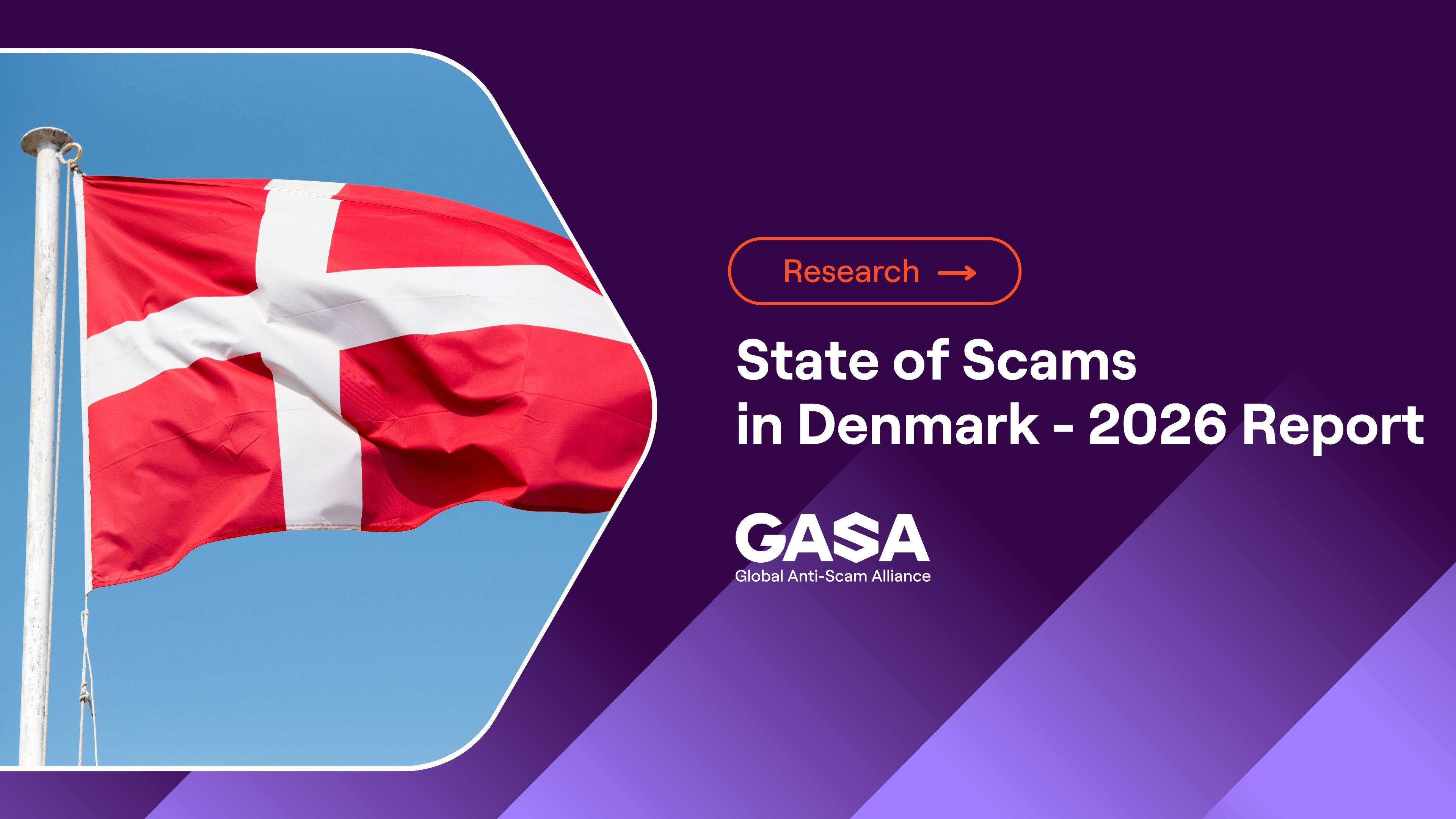
Nearly three in four Danish adults encountered scams as estimated losses reach DKK 10.1 billion
New State of Scams Denmark 2026 report finds scam exposure is rising, while victims face repeated financial and emotional harm.

Building a More Trusted Digital Philippines: New Report Underscores the Need for Collective Action as Scam Exposure Continues to Rise
GASA’s State of Scams in the Philippines 2026 Report, in collaboration with Mastercard and Gogolook, highlights the growing scale of the scam challenge in the Philippines.

Global Anti-Scam Summit America 2026: Highlights, Insights and Resources
Explore GASS America 2026 highlights and insights, with the Summit summary, photos, presentation slides, transcripts and session recordings from San Francisco.
State of Scams in Kenya 2026: A Comparative Review Across Africa
Kenyan experts examine scam trends, data sharing, digital trust and the need for stronger cross-sector prevention.
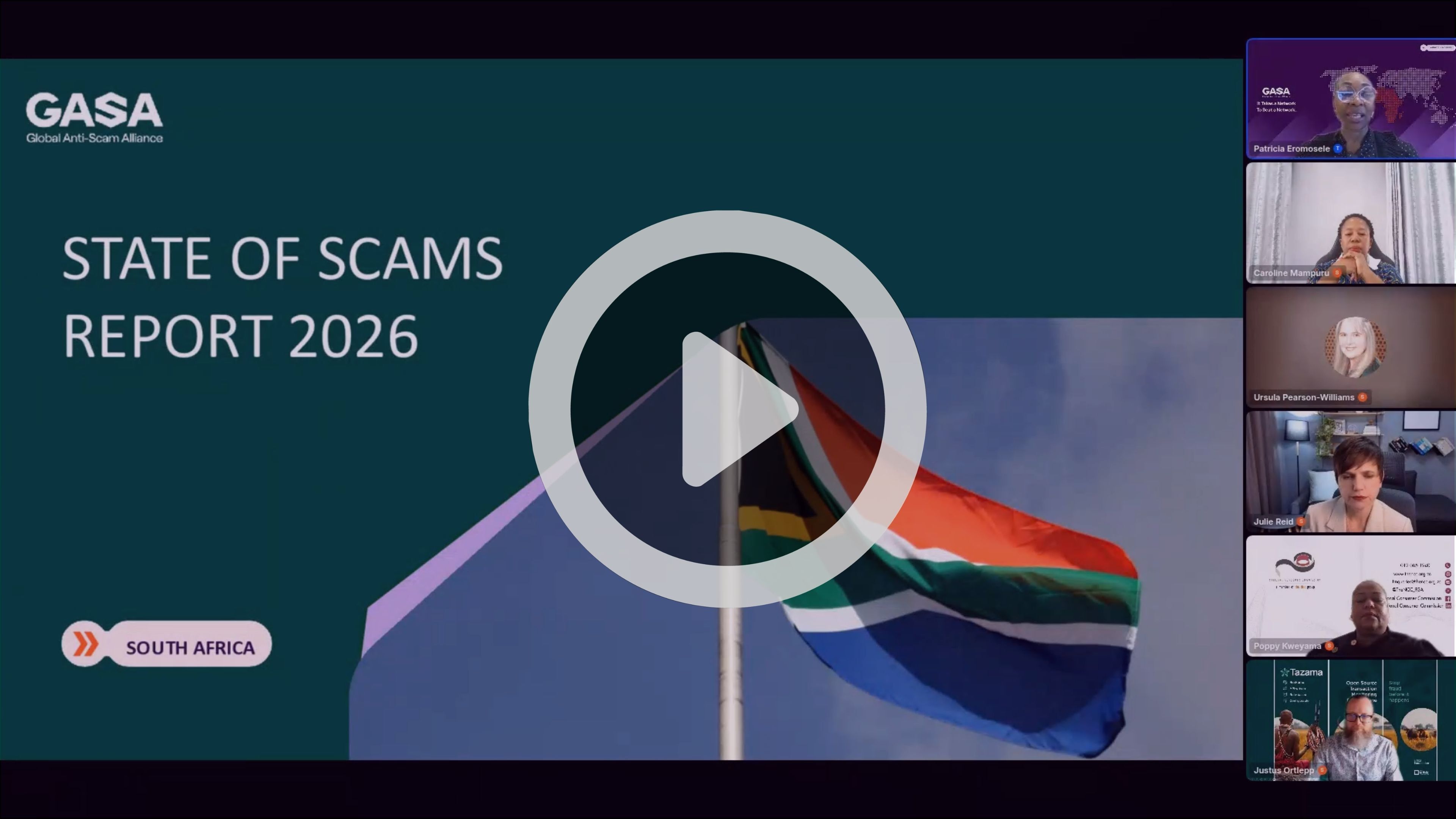
State of Scams in South Africa 2026: A Comparative Review Across Africa
South African experts examine scam trends, AI, consumer protection and the need for stronger cross-sector collaboration.
-3.jpg)
More than one in five adults in Japan encountered scams in the past year
New State of Scams Japan 2026 report examines how scams are reaching consumers and where stronger prevention and collaboration can make a difference