
Date of Event: 26–27 March 2025
Event: Global Anti-Scam Summit London 2025
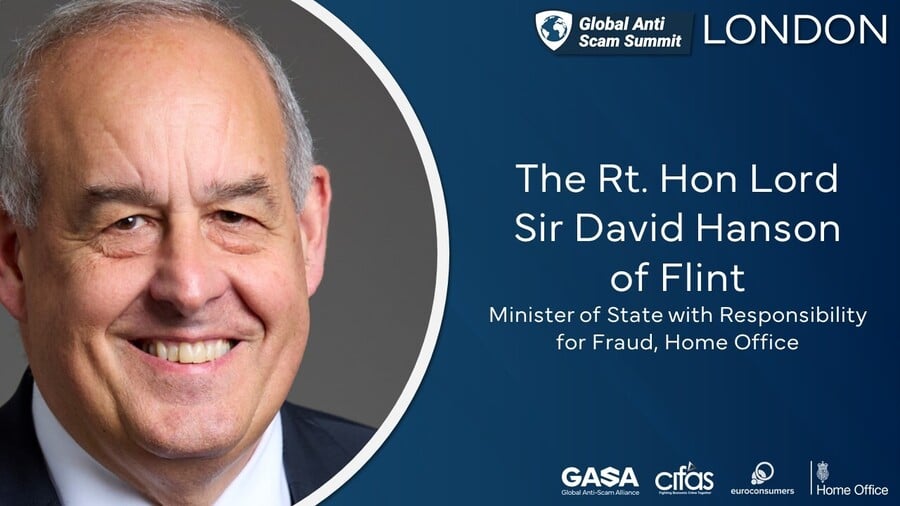
The Global Anti-Scam Summit London 2025 opened with a compelling keynote from The Rt. Hon Lord Sir David Hanson of Flint, the UK’s first Minister of State with Responsibility for Fraud. Addressing an international audience both in person and online, Lord Hanson issued a clear call: fraud is a growing transnational threat, and we must meet it with coordinated, global action.
He outlined the UK government’s expanded fraud strategy, which will guide national efforts from 2026 to 2029. The strategy focuses on six key areas: data sharing, tech and telecom company accountability, international cooperation, economic impact, public awareness, and emerging threats such as AI. He also emphasised that fraud is not a victimless crime—it affects individuals, businesses, and national security alike.
Crucially, Lord Hanson announced that the UK will co-host the next Global Fraud Summit in 2026, in partnership with the UN Office on Drugs and Crime and INTERPOL. The event will aim to secure political leadership, forge public-private partnerships, and support global law enforcement efforts to tackle fraud at scale.
In a speech that balanced urgency with optimism, Lord Hanson welcomed the work of the summit and encouraged attendees to contribute to the UK’s ongoing fraud strategy development. His message was clear: defeating fraud requires international solidarity, shared innovation, and collective responsibility.
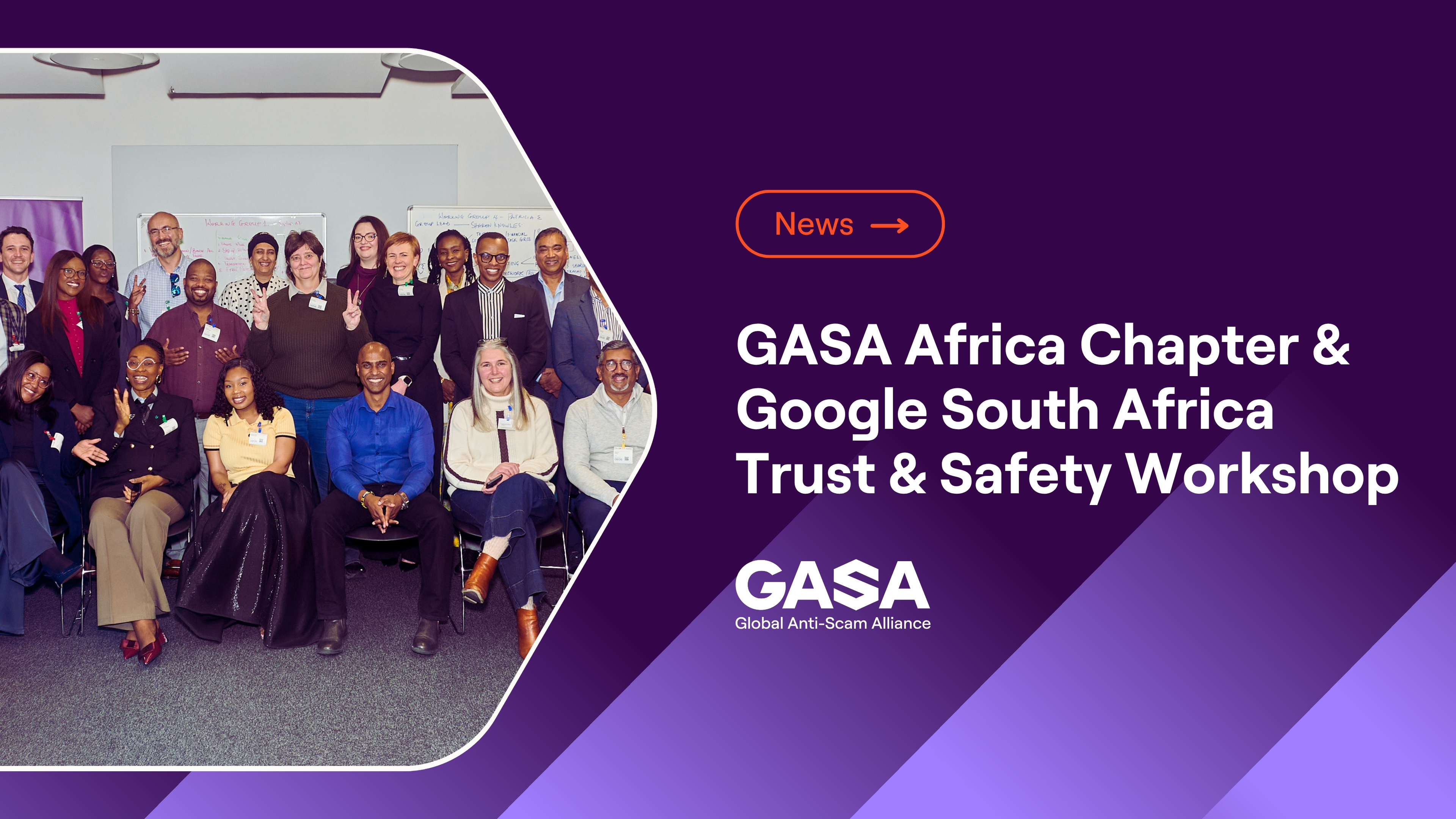
Accra Trust & Safety Workshop Turns Collaboration into Action Against Scams and Fraud in West Africa
GASA Africa Chapter and Google South Africa brought anti-fraud leaders together to strengthen cross-border cooperation and scam prevention.
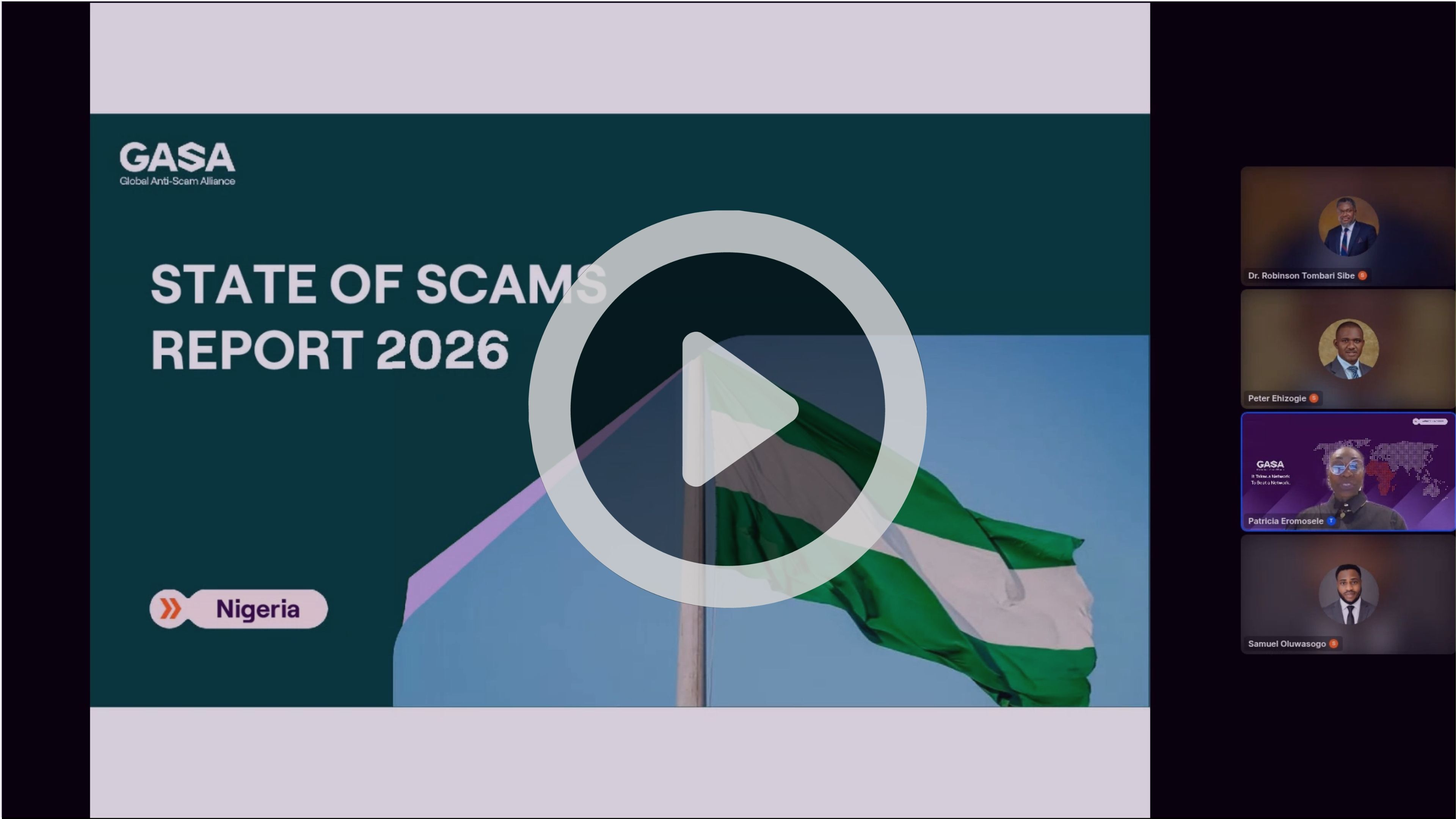
State of Scams in Nigeria 2026: A Comparative Review Across Africa
Nigerian experts examine scam trends, technology, consumer protection and the need for stronger cross-sector collaboration.
Nearly three in four Danish adults encountered scams as estimated losses reach DKK 10.1 billion
New State of Scams Denmark 2026 report finds scam exposure is rising, while victims face repeated financial and emotional harm.
Building a More Trusted Digital Philippines: New Report Underscores the Need for Collective Action as Scam Exposure Continues to Rise
GASA’s State of Scams in the Philippines 2026 Report, in collaboration with Mastercard and Gogolook, highlights the growing scale of the scam challenge in the Philippines.
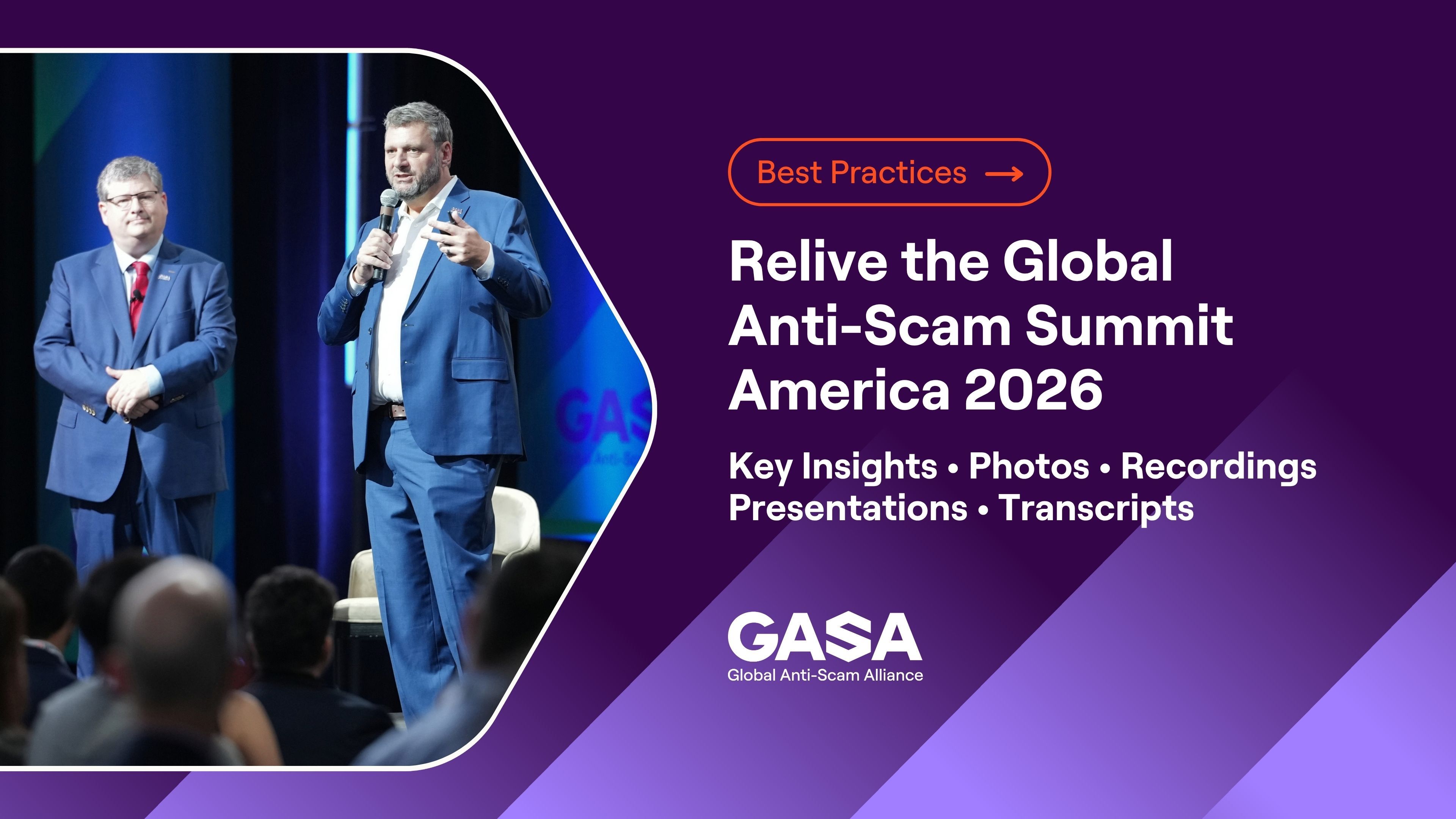
Global Anti-Scam Summit America 2026: Highlights, Insights and Resources
Explore GASS America 2026 highlights and insights, with the Summit summary, photos, presentation slides, transcripts and session recordings from San Francisco.
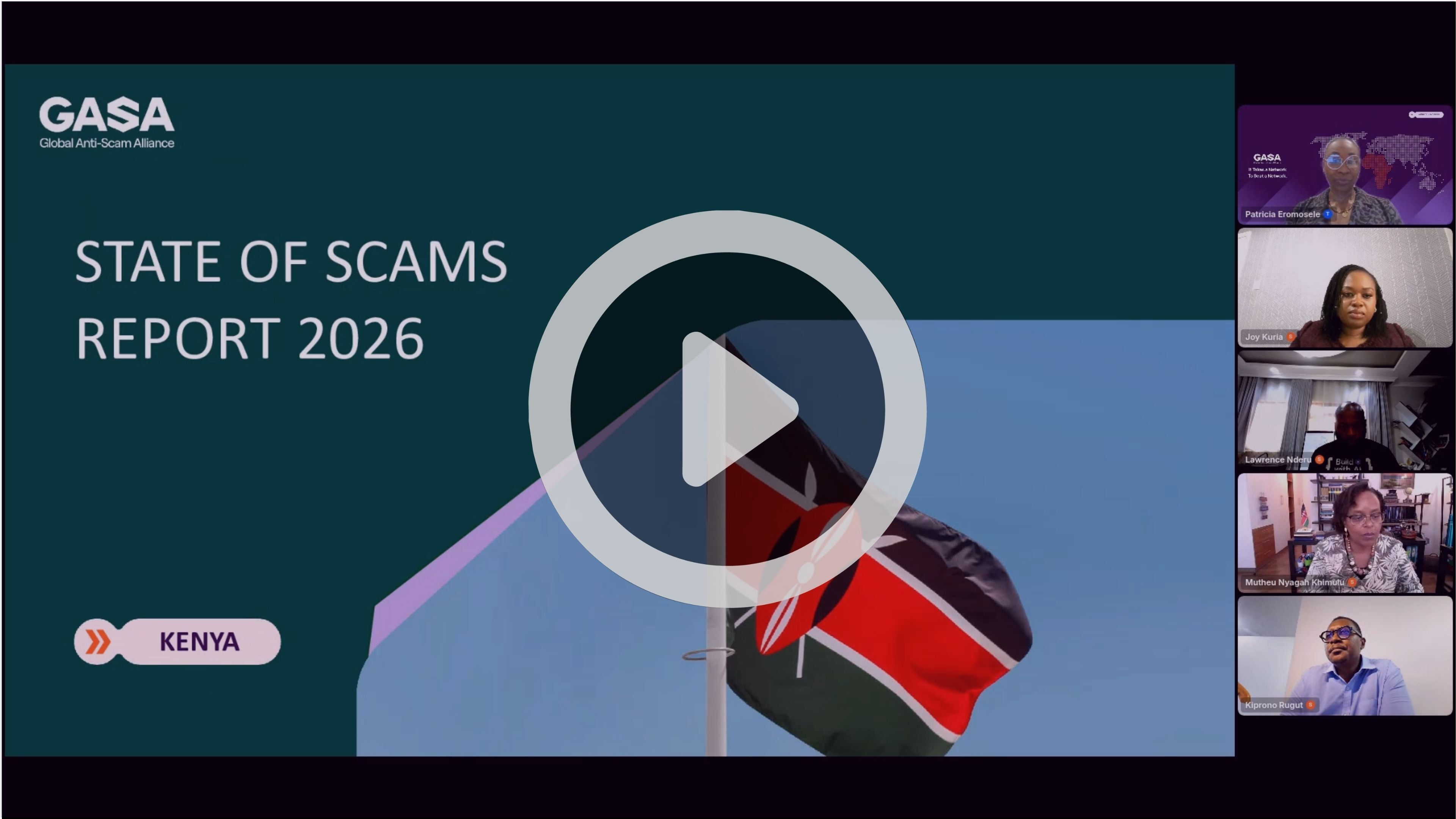
State of Scams in Kenya 2026: A Comparative Review Across Africa
Kenyan experts examine scam trends, data sharing, digital trust and the need for stronger cross-sector prevention.
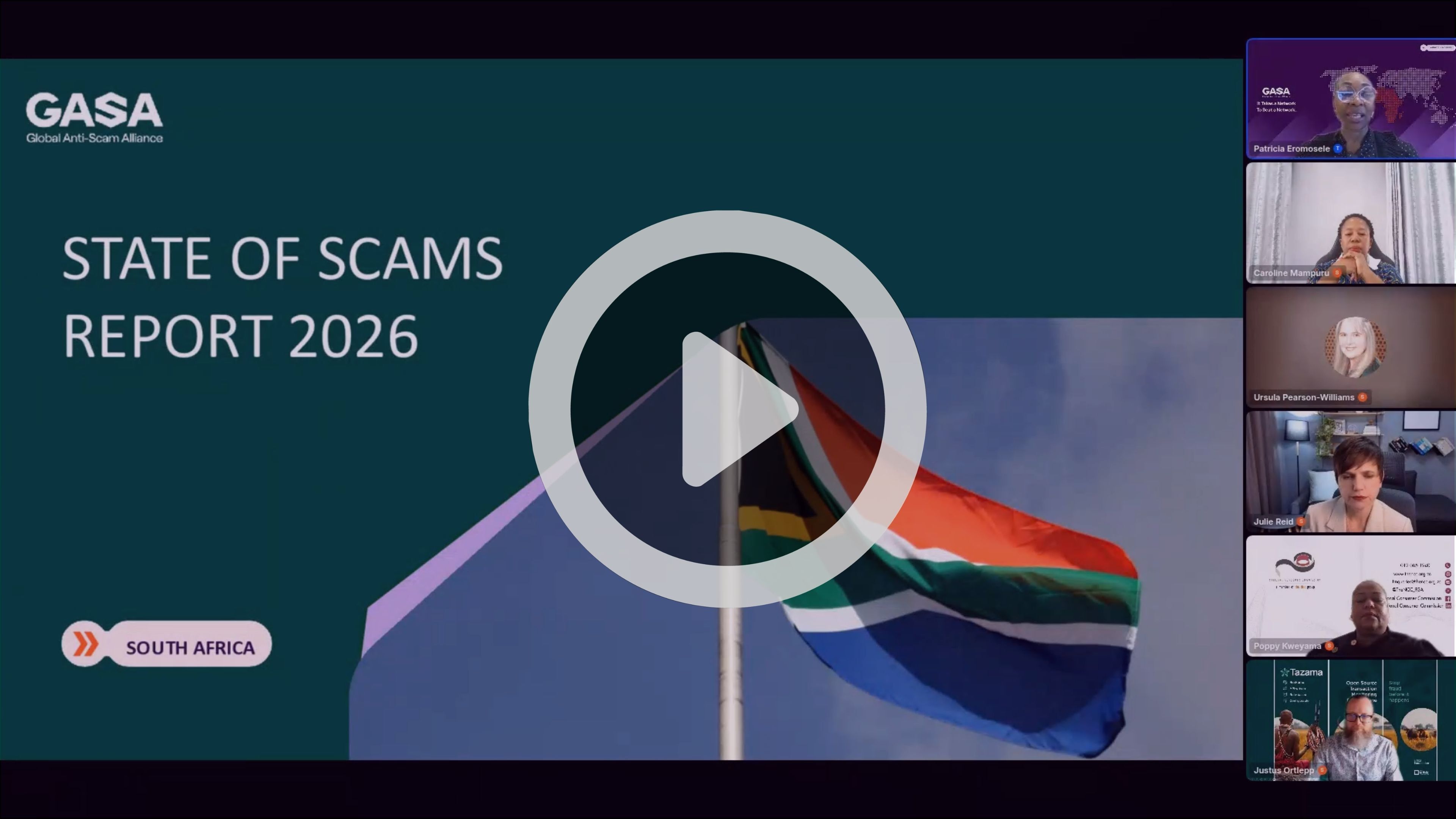
State of Scams in South Africa 2026: A Comparative Review Across Africa
South African experts examine scam trends, AI, consumer protection and the need for stronger cross-sector collaboration.
-3.jpg)
More than one in five adults in Japan encountered scams in the past year
New State of Scams Japan 2026 report examines how scams are reaching consumers and where stronger prevention and collaboration can make a difference