
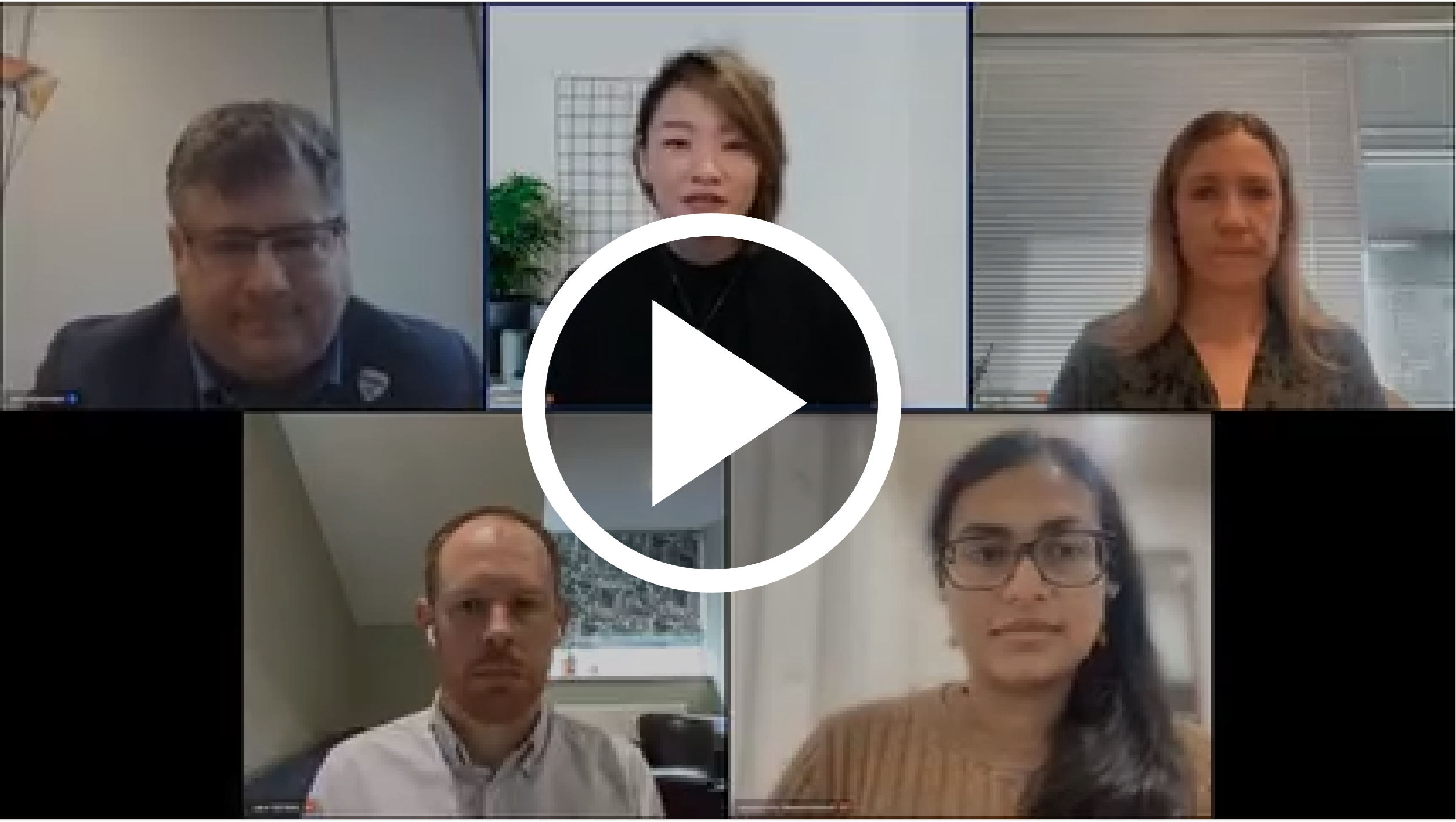
Date of Event: 14 April 2026
Event: GASA Meet-Up
Scammers are rapidly adopting artificial intelligence to scale and refine their operations, making fraud more convincing, targeted, and difficult to detect. While much of the public conversation focuses on deepfakes, the reality is far broader. This GASA meet-up explored how AI is being actively used across the scam ecosystem, and what organisations can do to stay ahead of these evolving threats.
The session brought together experts from leading technology companies and research organisations to share frontline insights. Drawing on real-world intelligence from platforms and investigations, the discussion focused on how fraudsters are operationalising AI today, and how the same technologies can be leveraged to strengthen detection, prevention, and response.
Speakers
- Dora Cheng, Principal Product Manager – Microsoft
-
Jack Stubbs, Intelligence & Investigations – OpenAI
-
Aparajitha Vadlamannati, Public Policy Manager, Search Quality – Google
- Mollie Zapata, Senior Director of Analysis – C4ADS
- Jorij Abraham, Managing Director – Global Anti-Scam Alliance (Moderator)
At the same time, the panel underscored that AI is also a critical part of the solution. Advanced detection systems, behavioural analysis, and cross-platform intelligence sharing are already helping organisations disrupt fraud networks more effectively. However, no single organisation can address this challenge alone. Collaboration between technology companies, governments, and industry stakeholders remains essential to counter increasingly sophisticated scam operations.
The session reinforced a central theme: as scammers continue to operate like coordinated global networks, defenders must do the same. By combining intelligence, technology, and shared expertise, organisations can build stronger, more adaptive defences against AI-driven fraud.
Watch the full discussion below to learn how organisations are tackling AI-powered scams on the frontlines.

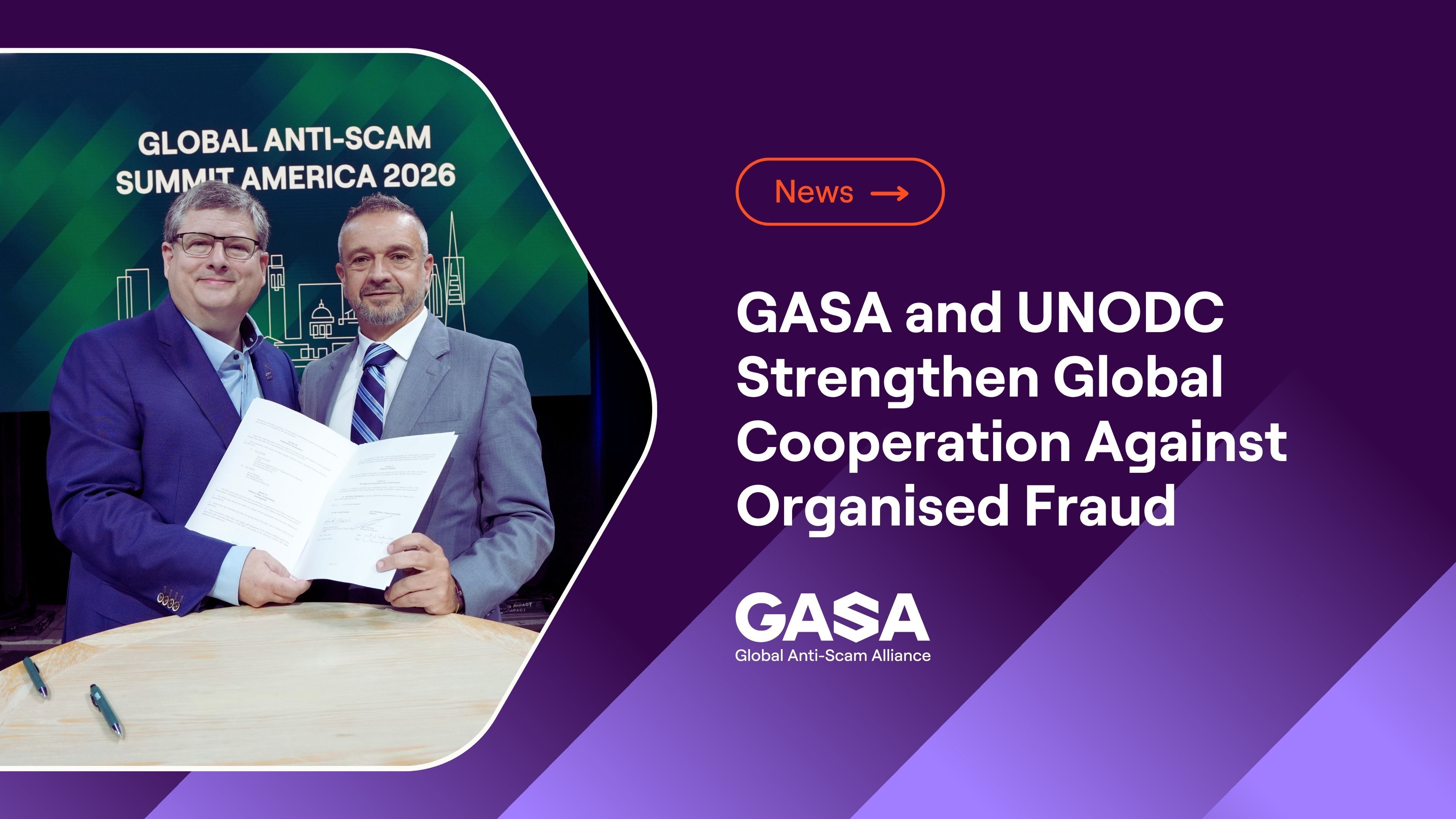
GASA and UNODC Partner to Strengthen Global Response to Organised Fraud
GASA and UNODC sign an MoU to strengthen international cooperation on fraud prevention, research, criminal justice responses and awareness.
Meet the Winners – Scam Fighter Awards at the Global Anti-Scam Summit America 2026
Meet the winners of the Scam Fighter Awards at the Global Anti-Scam Summit America 2026 and learn about their work in education, research, collaboration and technology.
From Information Sharing to Intelligence Production: GASA Mexico in Forbes
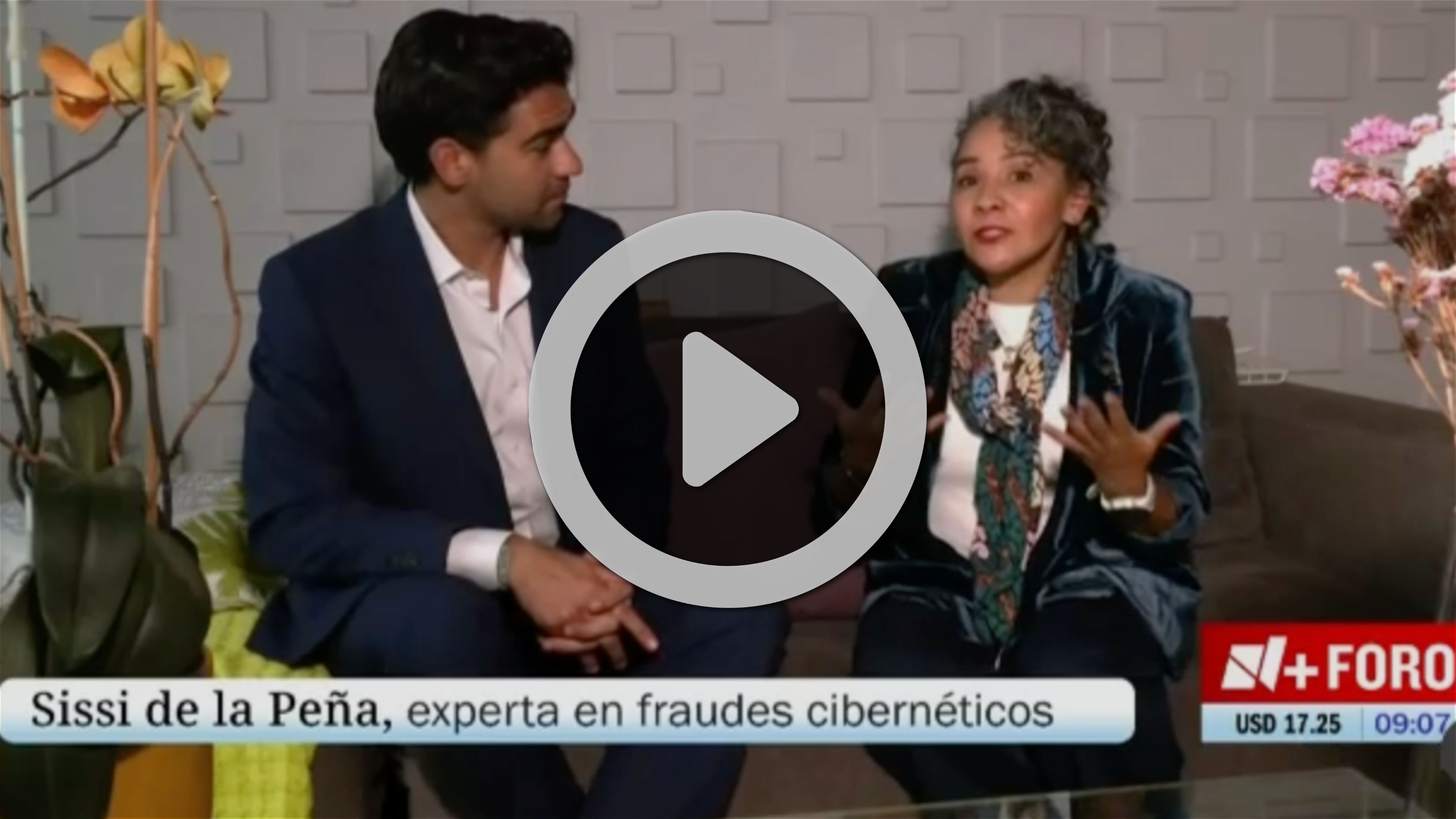
Sissi de la Peña, Director of the GASA Mexico Chapter, examines in Forbes México what the U.S. memorandum on cyber operations against fraud networks means for the country.
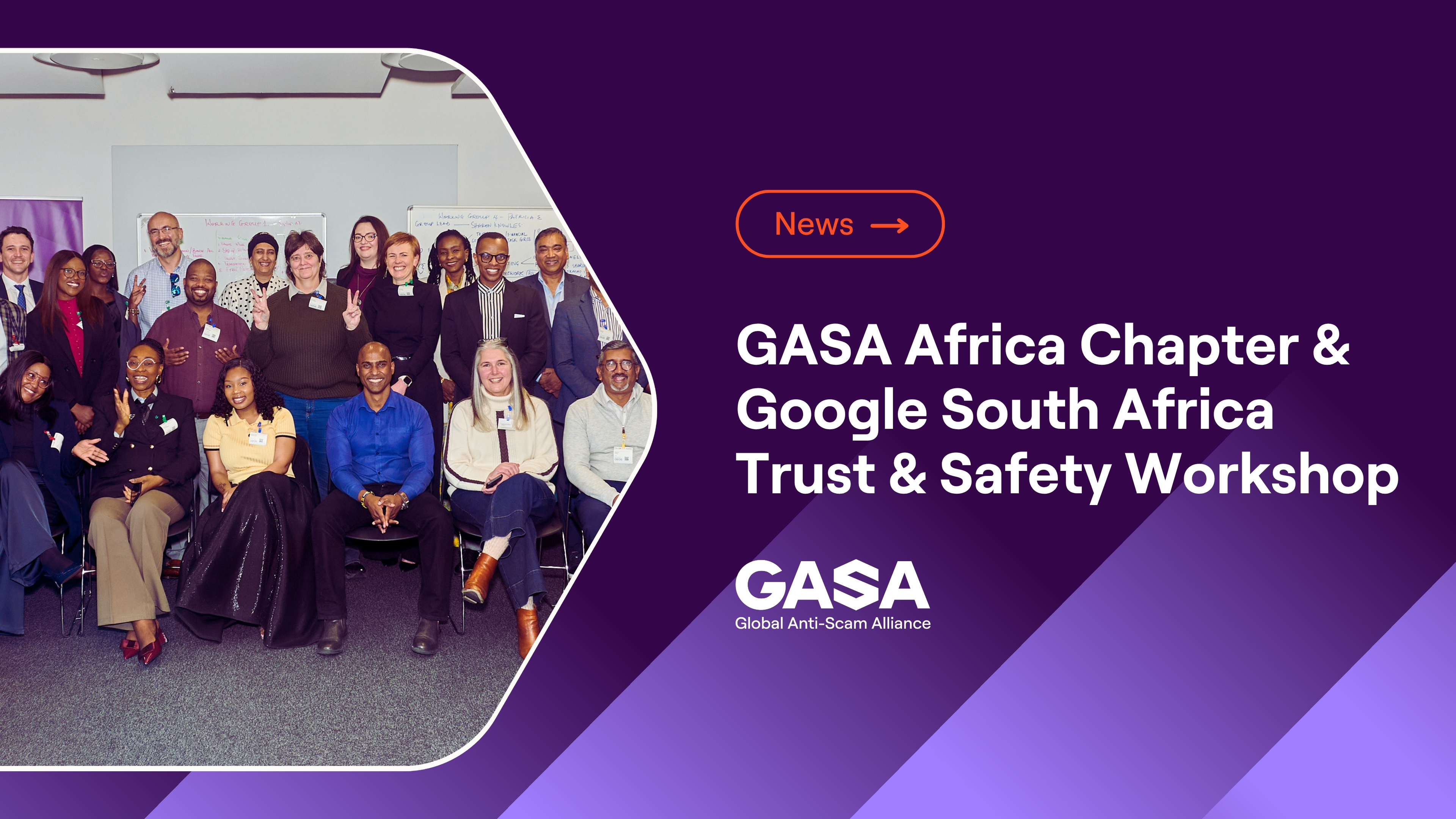
GASA and Google Trust & Safety Workshop Sets Priorities for Anti-Scam Cooperation Across Africa
GASA Africa Chapter and Google South Africa brought anti-fraud leaders together to strengthen cross-border cooperation and scam prevention.
Allstate Identity Protection Joins the Global Anti-Scam Alliance to Strengthen the Fight Against Scams and Identity Theft
Allstate Identity Protection has joined the Global Anti-Scam Alliance (GASA) as a Corporate Member within the North America Chapter.
GASA and Whoscall Release 2026 Asia Scam Report – Taiwan
The 2026 Asia Scam Report – Taiwan, provides an in-depth look at scam exposure, channels, victim experiences, and scam awareness among people in Taiwan.
BanCoppel joins the Global Anti-Scam Alliance to bolster fraud prevention and safeguard individuals entering the banking system.
BanCoppel has joined the Global Anti-Scam Alliance (GASA) as a Corporate Member of the GASA Mexico Chapter.
The emotions scammers exploit: how social engineering influences our decisions
How scammers use fear, urgency, excitement and trust to influence decisions, and how recognising these tactics can help people prevent fraud.