
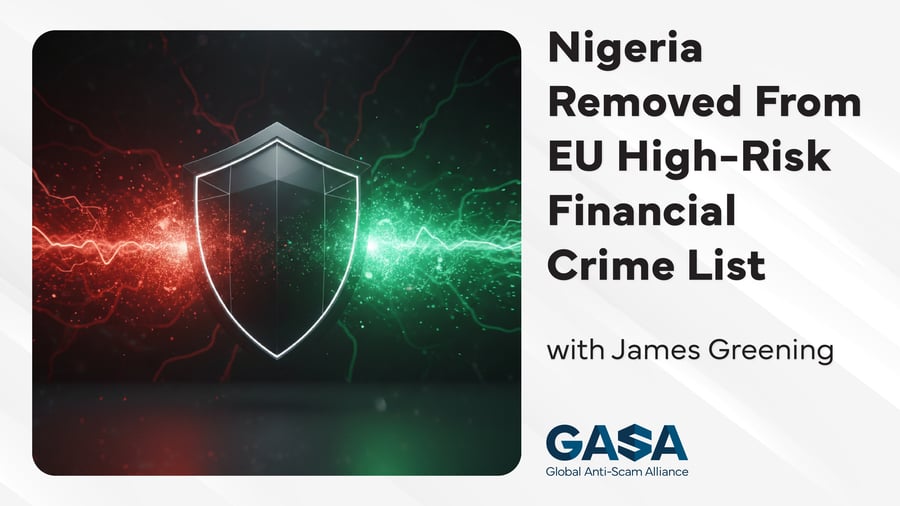
The European Union has removed Nigeria from its list of high-risk third countries for anti-money laundering and counter-terrorist financing, following confirmation that the country addressed deficiencies identified during the Financial Action Task Force monitoring process. The decision changes how EU-regulated entities assess Nigeria-linked financial activity, removing the automatic assumption of elevated country risk.
Nigeria’s Exit From the FATF Grey List as the Precondition for EU Delisting
Nigeria’s removal from the EU high-risk list followed its exit from the FATF grey list in October 2025, after completing a time-bound action plan under FATF’s framework for jurisdictions under increased monitoring. According to the Federal Ministry of Finance , Nigeria’s exit from the FATF grey list reflected sustained reforms across government, regulators, and financial institutions, following two years of coordinated efforts to address weaknesses in anti-money laundering and counter-terrorist financing controls.
These reforms focused on closing technical gaps and demonstrating operational impact in practice , including improvements in supervision, financial intelligence use, and coordination between competent authorities. The FATF decision confirmed that Nigeria had met the agreed conditions for removal from increased monitoring, creating the basis for subsequent changes in how international partners assessed Nigeria’s jurisdictional risk.
What Changes With EU Delisting in Practice
Removal from the EU high-risk list has direct operational implications. While Nigeria was listed, EU-obliged entities were required to apply automatic, country-based enhanced due diligence to Nigerian-linked transactions. Delisting removes that default requirement.
In practice, this means that Nigeria-linked transactions no longer trigger enhanced due diligence solely on the basis of country risk. EU-regulated firms continue to apply enhanced controls where customer behaviour, transaction patterns, or product risk justify it, but decisions are no longer driven by jurisdiction alone.
"Delisting is a major milestone, and it raises the bar for sustained performance. Keeping lower-risk treatment depends on consistent, coordinated intelligence, effective supervision, and credible enforcement. This ensures that risks are managed early, before they escalate and become headlines."
Patricia Eromosele
Director – Africa Chapter, Global Anti-Scam Alliance
Institutional Actions That Supported Delisting
EU and FATF assessments focus on effectiveness rather than formal compliance, including whether financial intelligence is generated, shared, and used in ways that support investigation and enforcement outcomes.
A central role in this process was played by the Nigeria Financial Intelligence Unit , which has been responsible for strengthening the collection, analysis, and dissemination of financial intelligence and improving coordination across supervisory, investigative, and prosecutorial authorities.
Enforcement capability also formed part of the broader effectiveness assessment. International monitoring increasingly focuses on whether financial intelligence leads to investigation, prosecution, and disruption outcomes, including in cases involving complex and digitally facilitated financial crime such as online fraud and cross-border scam networks. In Nigeria, this has involved the work of law enforcement bodies such as the Economic and Financial Crimes Commission , operating within a wider inter-agency framework rather than as a standalone driver of reform.
What This Development Demonstrates
Nigeria’s removal from the EU high-risk list reflects a shift in how the country is assessed within international AML and counter-terrorist financing frameworks. The decision shows how progress under FATF monitoring can translate into tangible changes in regulatory treatment where reforms demonstrate effectiveness in practice.
At the same time, the delisting does not represent a permanent reclassification. EU risk assessments remain dynamic , and continued access to lower-risk treatment depends on the sustained operation of supervisory, intelligence, and enforcement mechanisms.
For regulators and market participants, the decision reduces automatic compliance friction linked to country risk, while preserving expectations around proportionate, risk-based controls. Nigeria’s position within the EU AML framework will therefore continue to be shaped by outcomes over time, rather than by milestones alone.
Sign up to the GASA newsletter for regular updates on scam prevention, research, and best practices.
About the Author
James Greening is a Digital Content Manager at the Global Anti-Scam Alliance (GASA), where he writes on cyber-enabled fraud and developments in the global fight against online scams. He previously founded Fake Website Buster, a project dedicated to identifying and raising awareness of fraudulent websites.

Accra Trust & Safety Workshop Turns Collaboration into Action Against Scams and Fraud in West Africa
GASA Africa Chapter and Google South Africa brought anti-fraud leaders together to strengthen cross-border cooperation and scam prevention.
State of Scams in Nigeria 2026: A Comparative Review Across Africa
Nigerian experts examine scam trends, technology, consumer protection and the need for stronger cross-sector collaboration.
Nearly three in four Danish adults encountered scams as estimated losses reach DKK 10.1 billion
New State of Scams Denmark 2026 report finds scam exposure is rising, while victims face repeated financial and emotional harm.
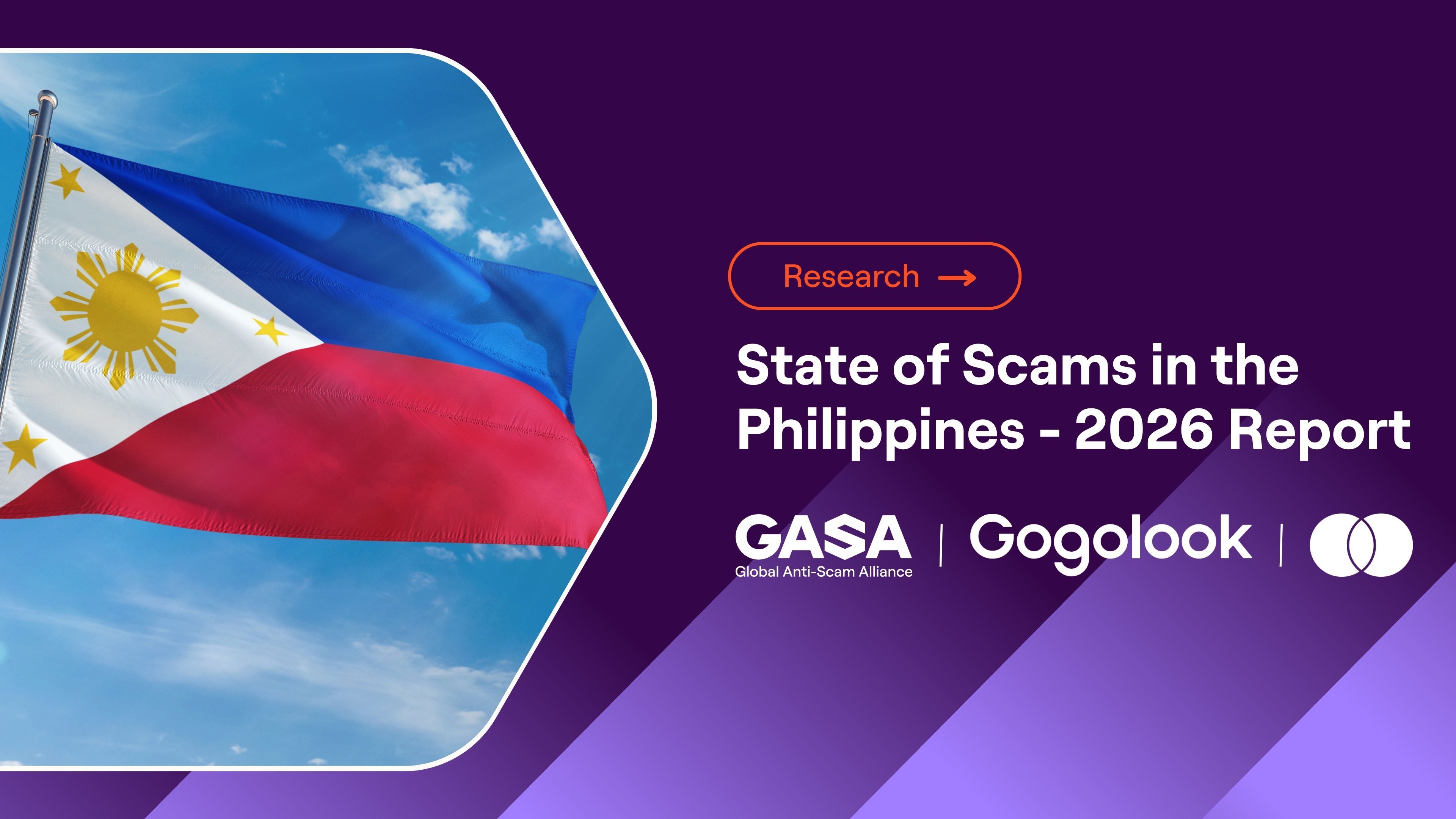
Building a More Trusted Digital Philippines: New Report Underscores the Need for Collective Action as Scam Exposure Continues to Rise
GASA’s State of Scams in the Philippines 2026 Report, in collaboration with Mastercard and Gogolook, highlights the growing scale of the scam challenge in the Philippines.
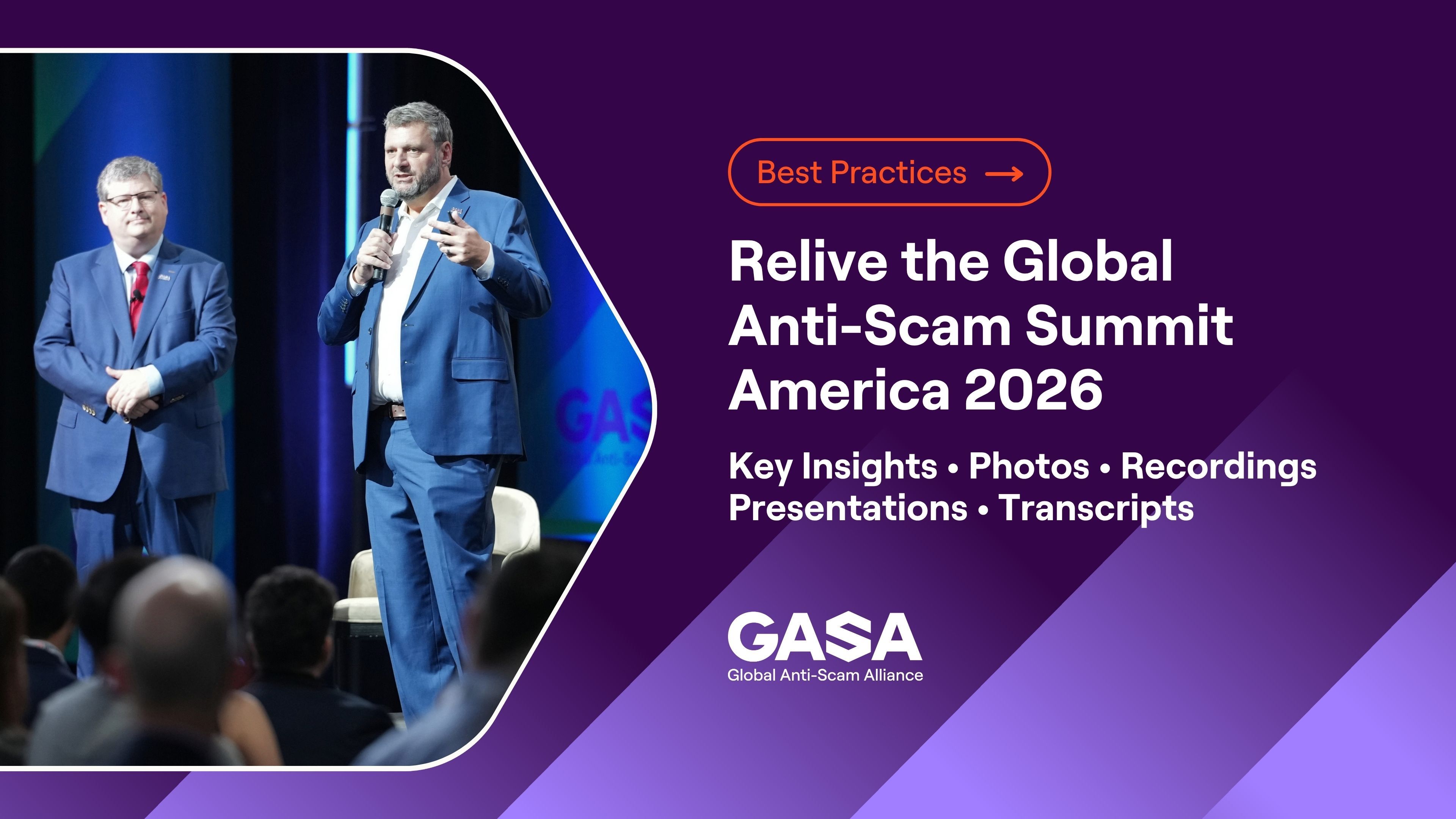
Global Anti-Scam Summit America 2026: Highlights, Insights and Resources
Explore GASS America 2026 highlights and insights, with the Summit summary, photos, presentation slides, transcripts and session recordings from San Francisco.
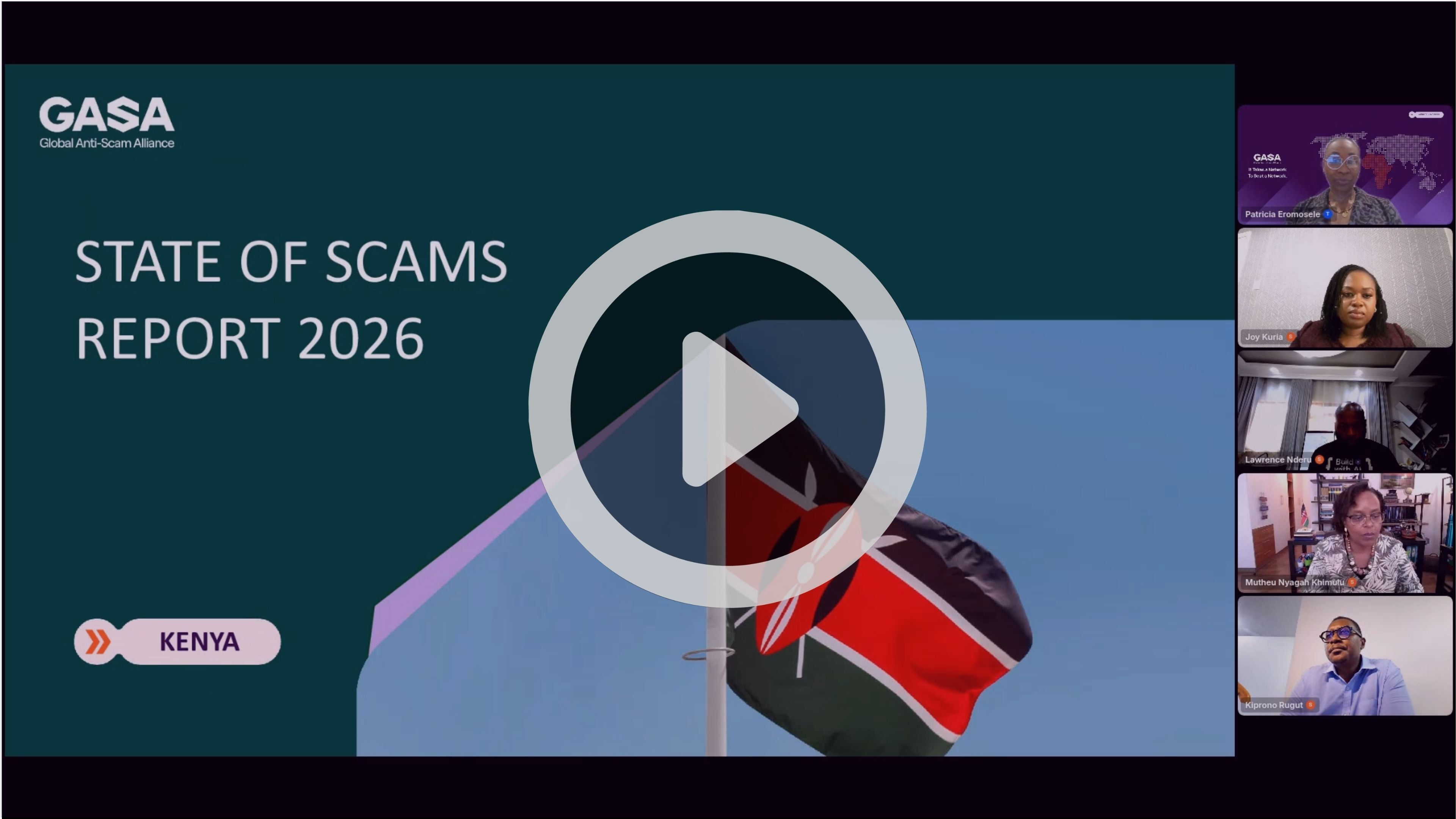
State of Scams in Kenya 2026: A Comparative Review Across Africa
Kenyan experts examine scam trends, data sharing, digital trust and the need for stronger cross-sector prevention.
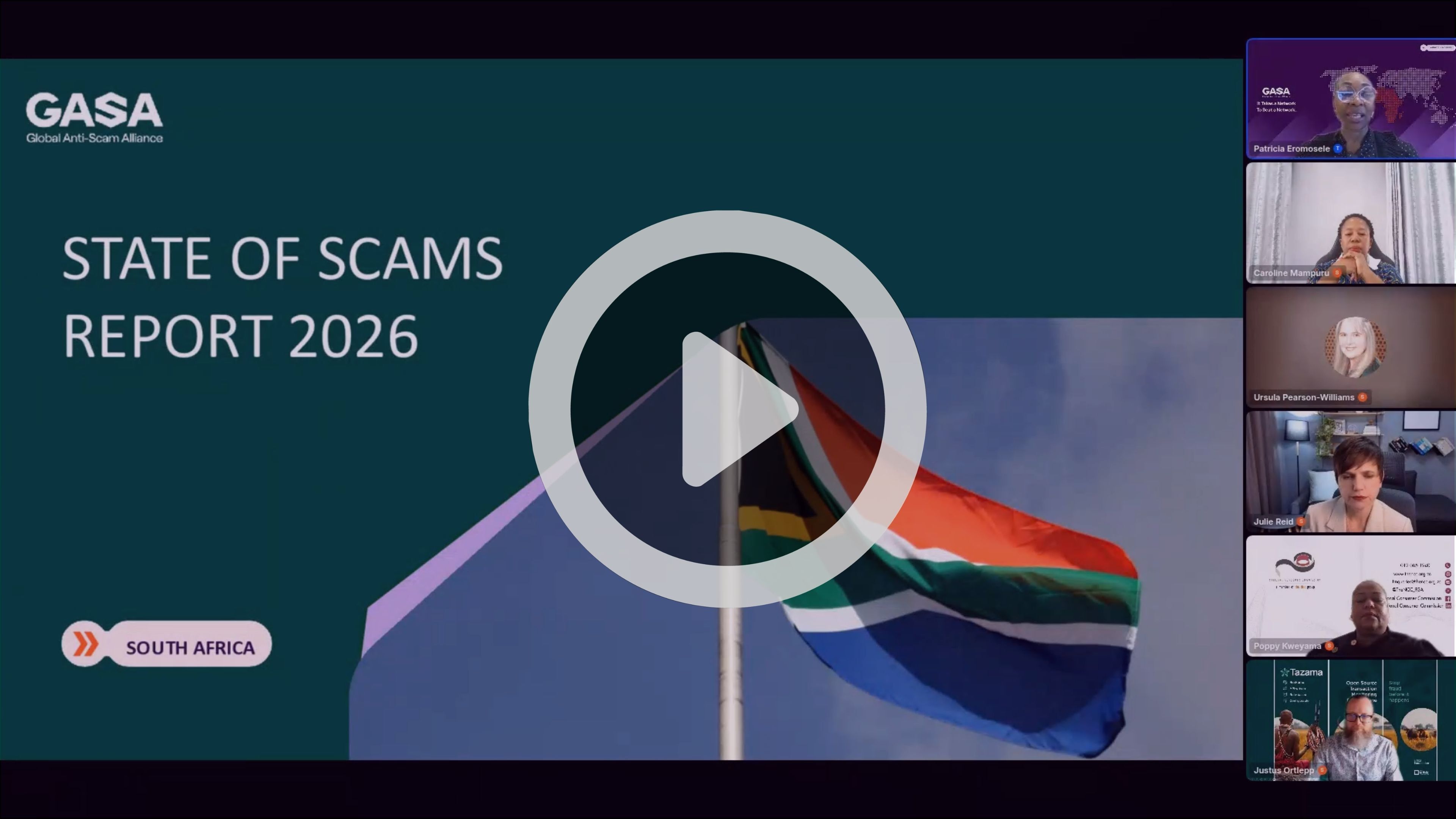
State of Scams in South Africa 2026: A Comparative Review Across Africa
South African experts examine scam trends, AI, consumer protection and the need for stronger cross-sector collaboration.
-3.jpg)
More than one in five adults in Japan encountered scams in the past year
New State of Scams Japan 2026 report examines how scams are reaching consumers and where stronger prevention and collaboration can make a difference