
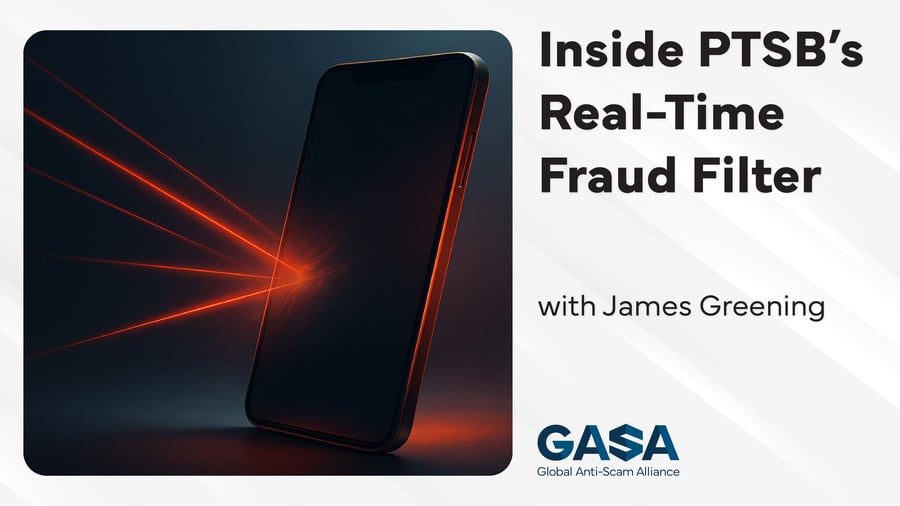
As scam tactics increasingly target users on their smartphones, financial institutions are responding with more proactive, device-level protections. One standout initiative is PTSB Protect , a feature built into the PTSB banking app that filters incoming texts and website links for fraud in real time on the customer’s device.
The feature, introduced in 2023 , is believed to be the first of its kind globally. It alerts users when a text contains a fraudulent link or blocks access to scam websites. These are checked against a blocklist maintained and updated daily, enabling the app to catch phishing attempts, impersonation links and scam phone numbers at the point of delivery.
A Platform-Specific Approach
PTSB Protect is implemented differently across Android and iOS to reflect platform-level capabilities.
On Android, the app uses accessibility services to scan incoming SMS messages in real time. If a suspicious message is detected, users receive a pop-up warning, and the message thread is marked in red to indicate risk. Detection includes flagged URLs, phone numbers and common scam-related phrases.
On iOS, the feature operates through Safari by enabling a content blocker that prevents users from accessing known fraudulent websites. The app is also designed to support message-level protection where possible, helping identify risks earlier in the communication flow.
This platform-specific approach ensures scam detection happens seamlessly, without disrupting how users interact with their devices.
Privacy by Design
PTSB Protect was developed with a strong focus on privacy. All scanning takes place locally on the customer’s device. No personal data, message content or browsing history is shared with the bank. Even while the app inspects messages and web activity, it does not access or store message content .
Because the feature requires certain device permissions such as accessibility access on Android or content blocker activation on iOS, it is offered as an opt-in service. This gives users full control over activation and usage while aligning with mobile security standards.
Lessons for Other Banks
According to research cited by the bank , 75 percent of Irish consumers have experienced an attempted fraud, and 27 percent have fallen victim.
PTSB Protect offers a practical model for mobile-first scam detection across platforms. Instead of reacting to fraudulent activity after it occurs, the app intercepts threats as soon as they are received or accessed.
What began as an internal innovation initiative has become a widely recognised example of in-app scam filtering done right. With careful platform integration, local data protection and a preventative mindset, PTSB has shown how financial institutions can help users avoid fraud without adding complexity to their digital experience.
About the Author
James Greening , operating under a pseudonym, brings a wealth of experience to his role. Formerly the sole driving force behind Fake Website Buster, James leverages his expertise to raise awareness about online scams. He currently serves as a Content Marketing & Design Specialist for the Global Anti-Scam Alliance (GASA).
James’s mission aligns with GASA’s mission to protect consumers worldwide from scams. He is committed to empowering professionals with the insights necessary to detect and mitigate online scams, ensuring the security and integrity of their operations and digital ecosystems.


Accra Trust & Safety Workshop Turns Collaboration into Action Against Scams and Fraud in West Africa
GASA Africa Chapter and Google South Africa brought anti-fraud leaders together to strengthen cross-border cooperation and scam prevention.
State of Scams in Nigeria 2026: A Comparative Review Across Africa
Nigerian experts examine scam trends, technology, consumer protection and the need for stronger cross-sector collaboration.
Nearly three in four Danish adults encountered scams as estimated losses reach DKK 10.1 billion
New State of Scams Denmark 2026 report finds scam exposure is rising, while victims face repeated financial and emotional harm.
Building a More Trusted Digital Philippines: New Report Underscores the Need for Collective Action as Scam Exposure Continues to Rise
GASA’s State of Scams in the Philippines 2026 Report, in collaboration with Mastercard and Gogolook, highlights the growing scale of the scam challenge in the Philippines.
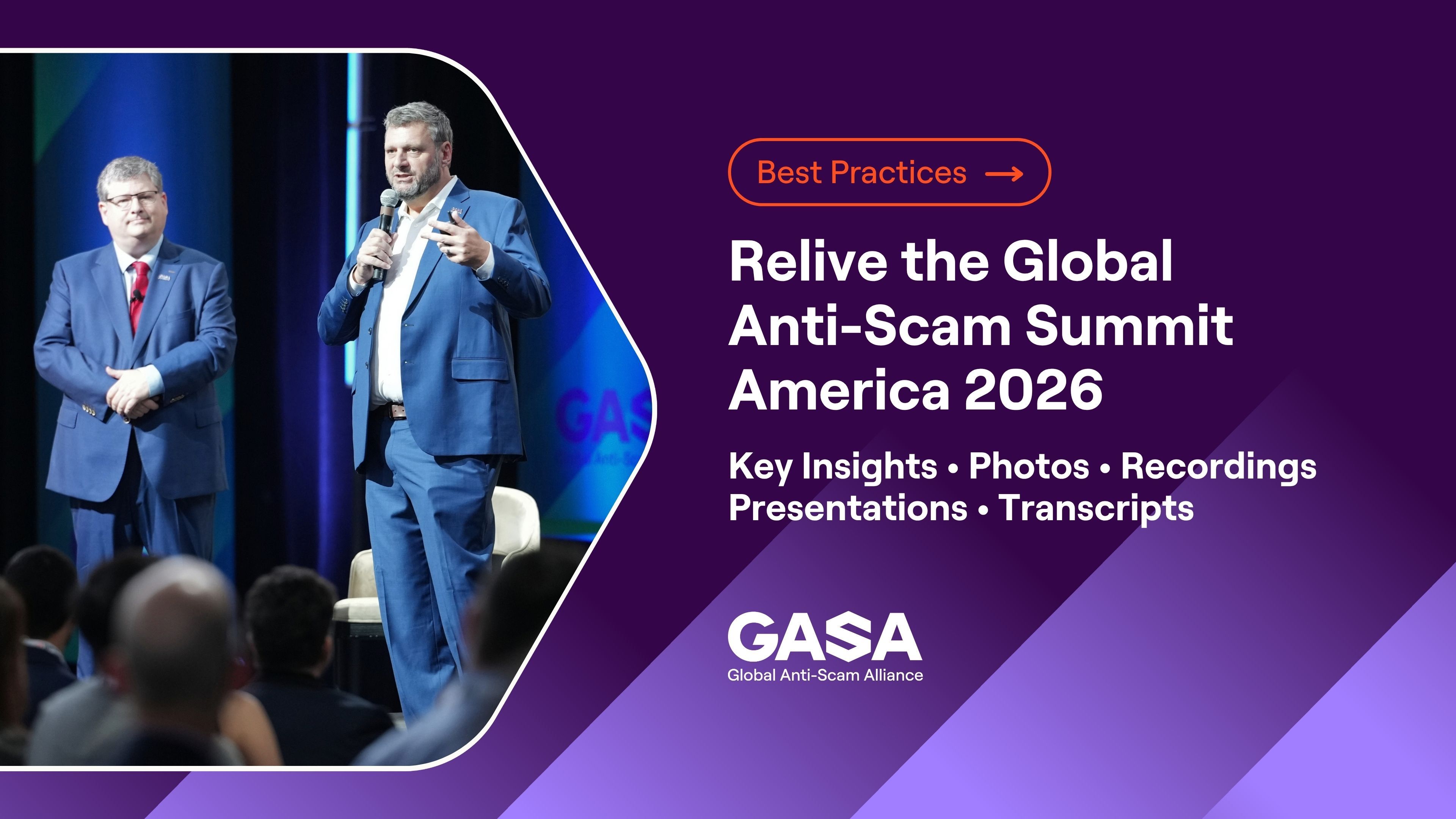
Global Anti-Scam Summit America 2026: Highlights, Insights and Resources
Explore GASS America 2026 highlights and insights, with the Summit summary, photos, presentation slides, transcripts and session recordings from San Francisco.
State of Scams in Kenya 2026: A Comparative Review Across Africa
Kenyan experts examine scam trends, data sharing, digital trust and the need for stronger cross-sector prevention.
State of Scams in South Africa 2026: A Comparative Review Across Africa
South African experts examine scam trends, AI, consumer protection and the need for stronger cross-sector collaboration.
-3.jpg)
More than one in five adults in Japan encountered scams in the past year
New State of Scams Japan 2026 report examines how scams are reaching consumers and where stronger prevention and collaboration can make a difference