

Scam phone calls often impersonate government or financial institution callers, and to avoid being traced, these scam phone calls frequently use VOIP (Voice Over Internet Protocol) technology originating from overseas and display caller’s phone number with Taiwan's country code, +886.
To reduce the risk of the public falling victim to international phone call scams, Chunghwa Telecom (CHT) has introduced the "International Fraud Calls Alerting Service" (IFCAS). When an international phone call is received, the callee will hear a warning message reminding them that this call is international.
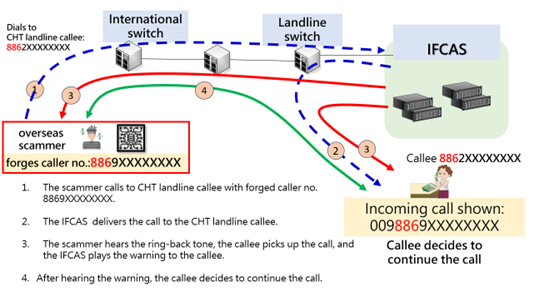
In Taiwan, incoming calls with caller’s number starting with +8862 to +8868 are recognized as local landline calls, while those with caller’s number starting with +8869 are seen as roaming mobile calls. International calls with caller’s number starting with +8862 to +8868 are blocked by international switches because Taiwan's landline calls do not originate from abroad. However, international calls with caller’s number starting with +8869 could be genuine international roaming mobile calls or potentially scam calls with spoofed caller number .
On July 17, 2023, IFCAS was launched, providing a voice warning for overseas incoming calls with caller’s number starting with +8869 to landline callee. This warning states, "This is an international call, please be cautious, beware of scams". Hearing the alert, callees can decide whether to terminate the call or continue. After the launching of the service, there has been a 90% drop in the daily amount of +8869 international incoming calls compared to the value before the service was launched , and effectively reduced the risk of international scam phone calls for the public.
Therefore, on September 15, 2023, the "International Fraud Calls Alerting Service" was expanded to provide voice warnings for all international calls to the landline provider's customers and international calls with caller’s number starting with +8869 to the firm’s mobile numbers.
The "International Fraud Calls Alerting Service" is a free service provided only to Chunghwa Telecom landline users, and offers two functions: "skip warning" and "disable warning". During the warning message playback, users can interrupt the alert and proceed with the call by pressing any number key (0-9) on the phone. Additionally, users can activate or deactivate the alert service by accessing the IVR (Interactive Voice Response) by dialing 12165.
Once the call is directed to the IFCAS service by the landline switch, it is connected to the callee 02XXXXXXXX. At this point, the caller hears a normal ring-back tone. Upon the callee answering the call, IFCAS plays a warning message to the callee 02XXXXXXXX. After the callee listens to the warning message, and does not hang up the call, they can proceed the conversation.
Due to the successful implementation of the international incoming call alerting service for Chunghwa Telecom's landline users, the warning service had been extended to their mobile users to screen international incoming calls with different country codes worldwide. Compared to the data before the warning service was launched, there was a significant 72% decrease in the number of international incoming calls. Thus, this service significantly reduces the probability of individuals falling victim to scams.
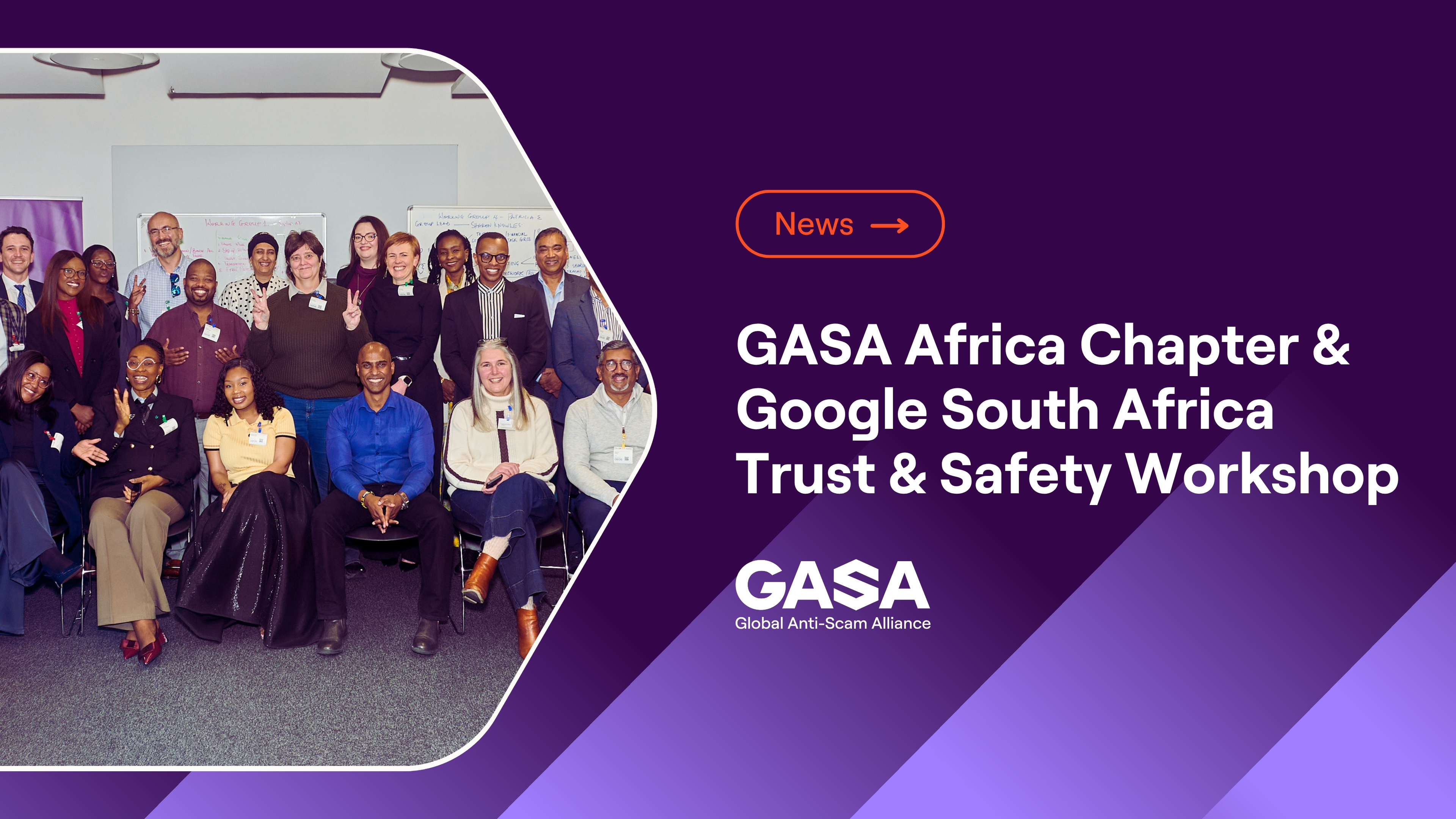
Accra Trust & Safety Workshop Turns Collaboration into Action Against Scams and Fraud in West Africa
GASA Africa Chapter and Google South Africa brought anti-fraud leaders together to strengthen cross-border cooperation and scam prevention.
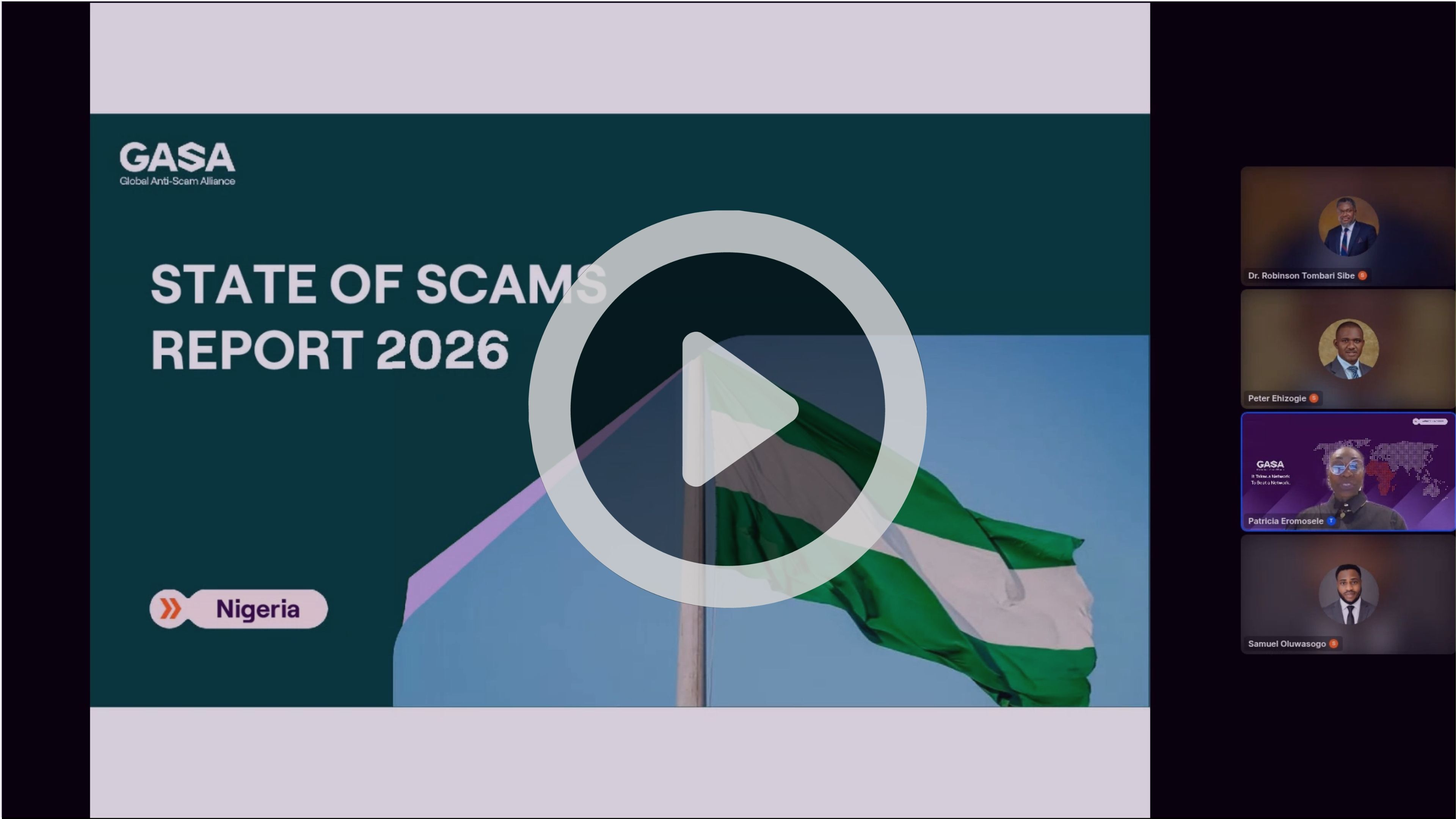
State of Scams in Nigeria 2026: A Comparative Review Across Africa
Nigerian experts examine scam trends, technology, consumer protection and the need for stronger cross-sector collaboration.
Nearly three in four Danish adults encountered scams as estimated losses reach DKK 10.1 billion
New State of Scams Denmark 2026 report finds scam exposure is rising, while victims face repeated financial and emotional harm.
Building a More Trusted Digital Philippines: New Report Underscores the Need for Collective Action as Scam Exposure Continues to Rise
GASA’s State of Scams in the Philippines 2026 Report, in collaboration with Mastercard and Gogolook, highlights the growing scale of the scam challenge in the Philippines.
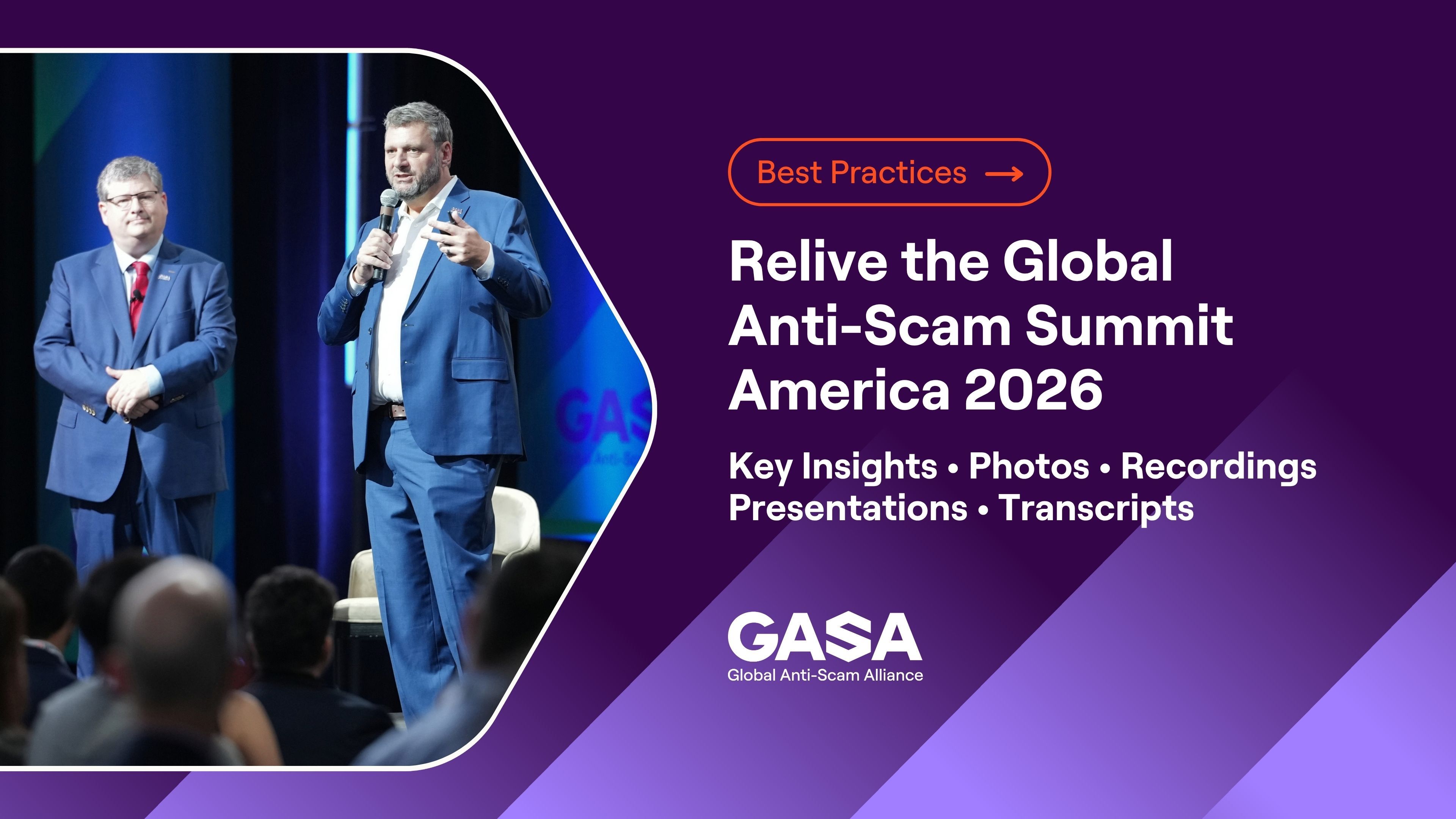
Global Anti-Scam Summit America 2026: Highlights, Insights and Resources
Explore GASS America 2026 highlights and insights, with the Summit summary, photos, presentation slides, transcripts and session recordings from San Francisco.
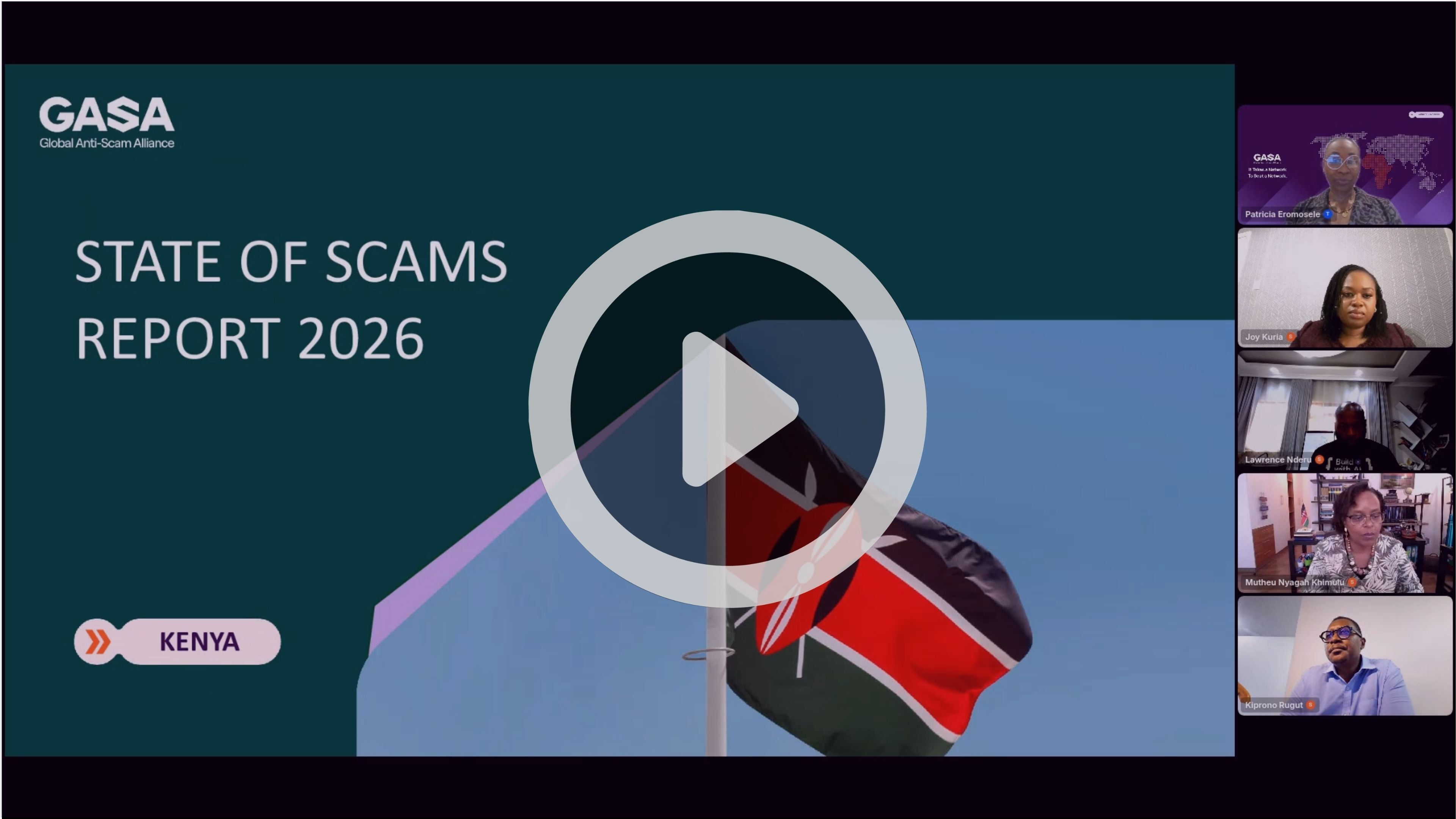
State of Scams in Kenya 2026: A Comparative Review Across Africa
Kenyan experts examine scam trends, data sharing, digital trust and the need for stronger cross-sector prevention.
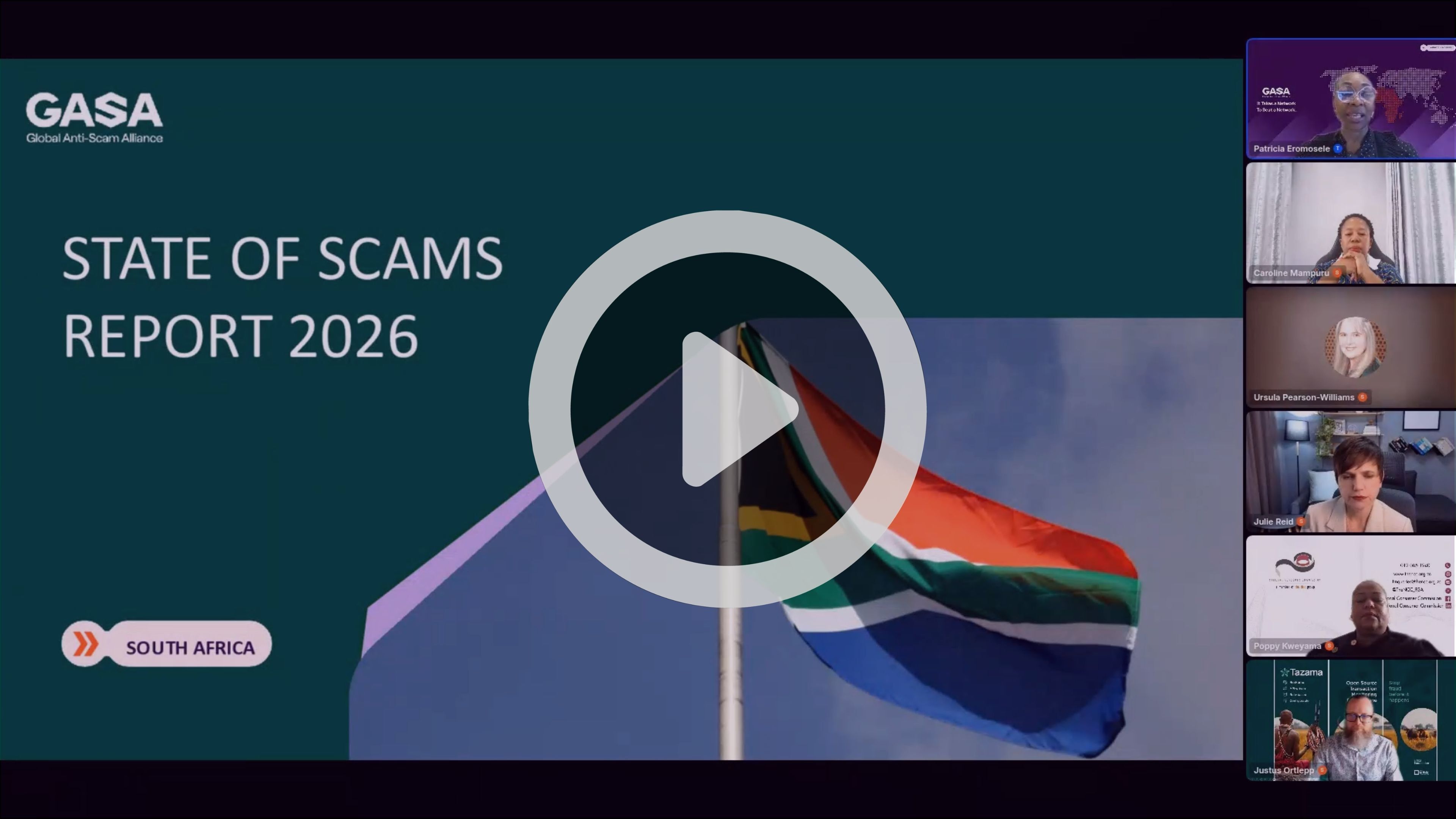
State of Scams in South Africa 2026: A Comparative Review Across Africa
South African experts examine scam trends, AI, consumer protection and the need for stronger cross-sector collaboration.
-3.jpg)
More than one in five adults in Japan encountered scams in the past year
New State of Scams Japan 2026 report examines how scams are reaching consumers and where stronger prevention and collaboration can make a difference