
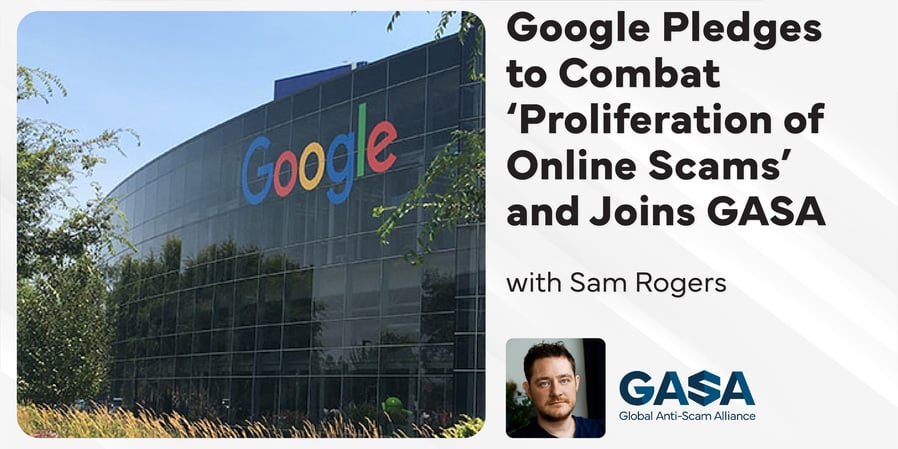
GASA’s fast-growing international network unites stakeholders against fraudsters
Google has formally joined the Global Anti-Scam Alliance (GASA) , a large network of organizations committed to protecting consumers from the activities of online fraudsters. The decision to sign as a foundation member of GASA signals the Internet heavyweight’s commitment to enhancing cybersecurity and consumer protection on a worldwide scale. Angela McKay , Google’s Director of Trust and Safety will take a place on the GASA advisory board, amid rising fears that the proliferation of fraud continues to spiral out of control. Ms. McKay will sit alongside GASA foundation member representatives, including Amazon , Feedzai , Gogolook , ScamAdviser , and Trend Micro .
Following its annual Global State of Scams report , which recently uncovered consumer losses of over $1 trillion, GASA is leading the formation of a cross-sector network to mitigate the online threats targeting consumers. Google joins Global Anti-Scam Alliance to link up with over 100 organizations within the alliance, including governments, law enforcement, consumer protection, financial authorities and services, social media, internet service providers and cybersecurity professionals.
Tech giant’s expertise bolsters GASA’s unified approach to scam mitigation strategies as Google joins Global Anti-Scam Alliance
Announcing the partnership in Singapore, Amanda Storey , Managing Director of Trust & Safety at Google, emphasized the collaborative nature of this initiative: "The proliferation of online scams fraud has become a pressing concern globally. To effectively address this intricate challenge, a collaborative approach is of paramount importance. Joining hands with the Global Anti-Scam Alliance and its members aligns with our vision in creating a safer internet for everyone. We can synergistically advance best practices and collectively combat scams and fraud together."
Jorij Abraham , Managing Director of GASA said, "The decision of Google to commit their support to the Global Anti-Scam Alliance marks a significant shift. Google’s involvement shows that tech companies are convinced of the critical need for cross-sector collaboration to address online scams effectively. Together, we aim to set new standards in the protection of consumers and businesses alike, making the digital world a safer place for everyone."
As it welcomes Google to the alliance, GASA will continue to focus on developing innovative strategies to address online fraud, sharing best practices, and enhancing consumer awareness about scams. The next Global Anti-Scam Summit will take place on June 24–25, in Brussels.
About the Global Anti-Scam Alliance (GASA)
The Global Anti-Scam Alliance is a non-profit organization dedicated to combating scams worldwide. By uniting cross-sector stakeholders, GASA fosters a collaborative environment to share insights, research, and solutions to protect consumers from fraud and scams.
PR Contact: Sam Rogers, Marketing Director, Global Anti-Scam Alliance. sam.rogers@gasa.org
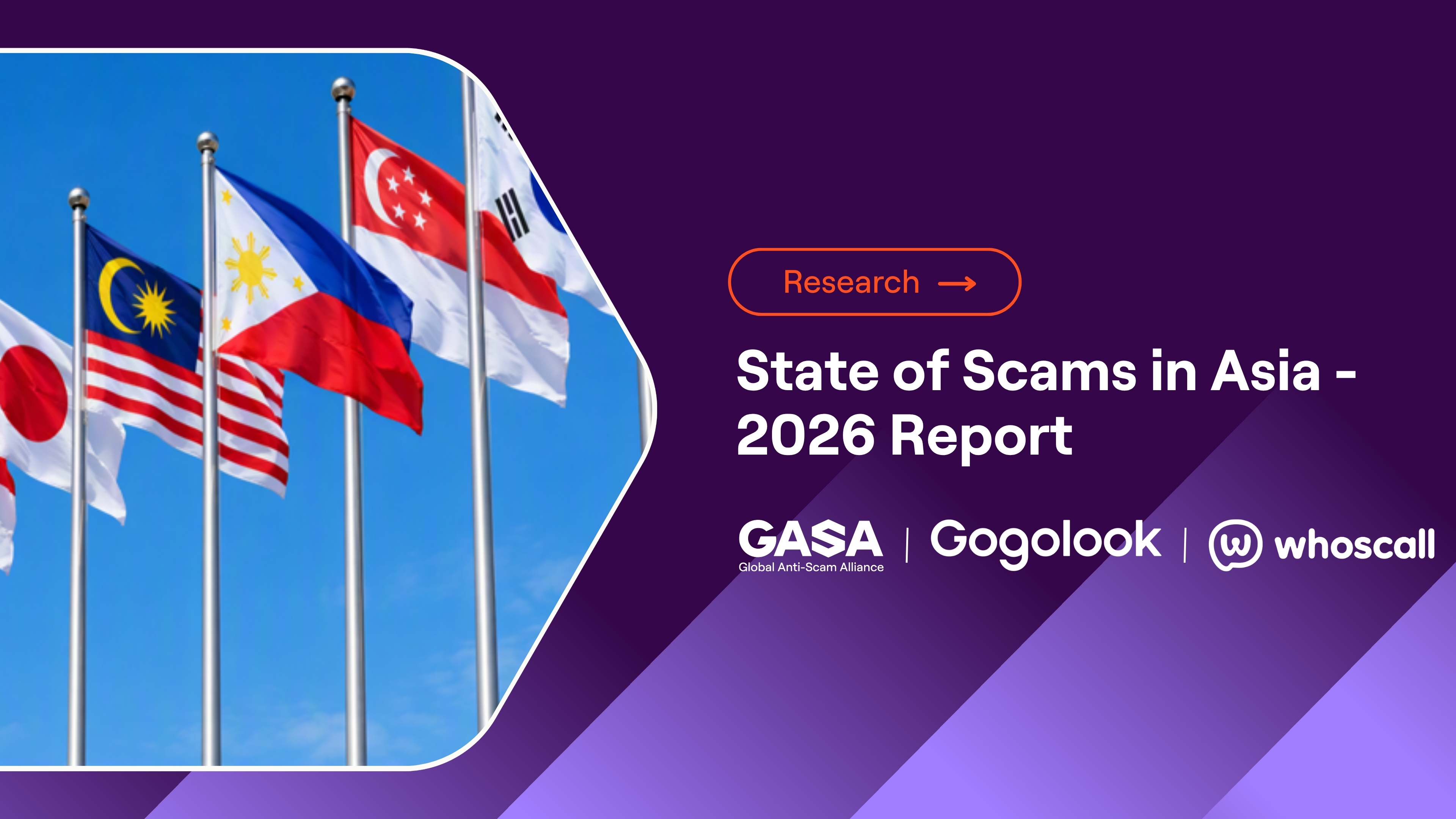
71% of Adults Surveyed Across 13 Asian Markets Encountered Scams, with Estimated Losses of US$136.5 Billion
This study of 17,460 adults across 13 Asian markets shows that scam exposure is widespread, with 71% of participants encountering a scam in the past year. While 66% say they are confident in recognizing scams, 62% of those exposed went on to interact with a scammer. Ultimately, 9% lost money or personal information that led to financial loss, while only 4% reported a scam to the authorities. The findings highlight a significant gap between perceived scam awareness and real-world resilience.
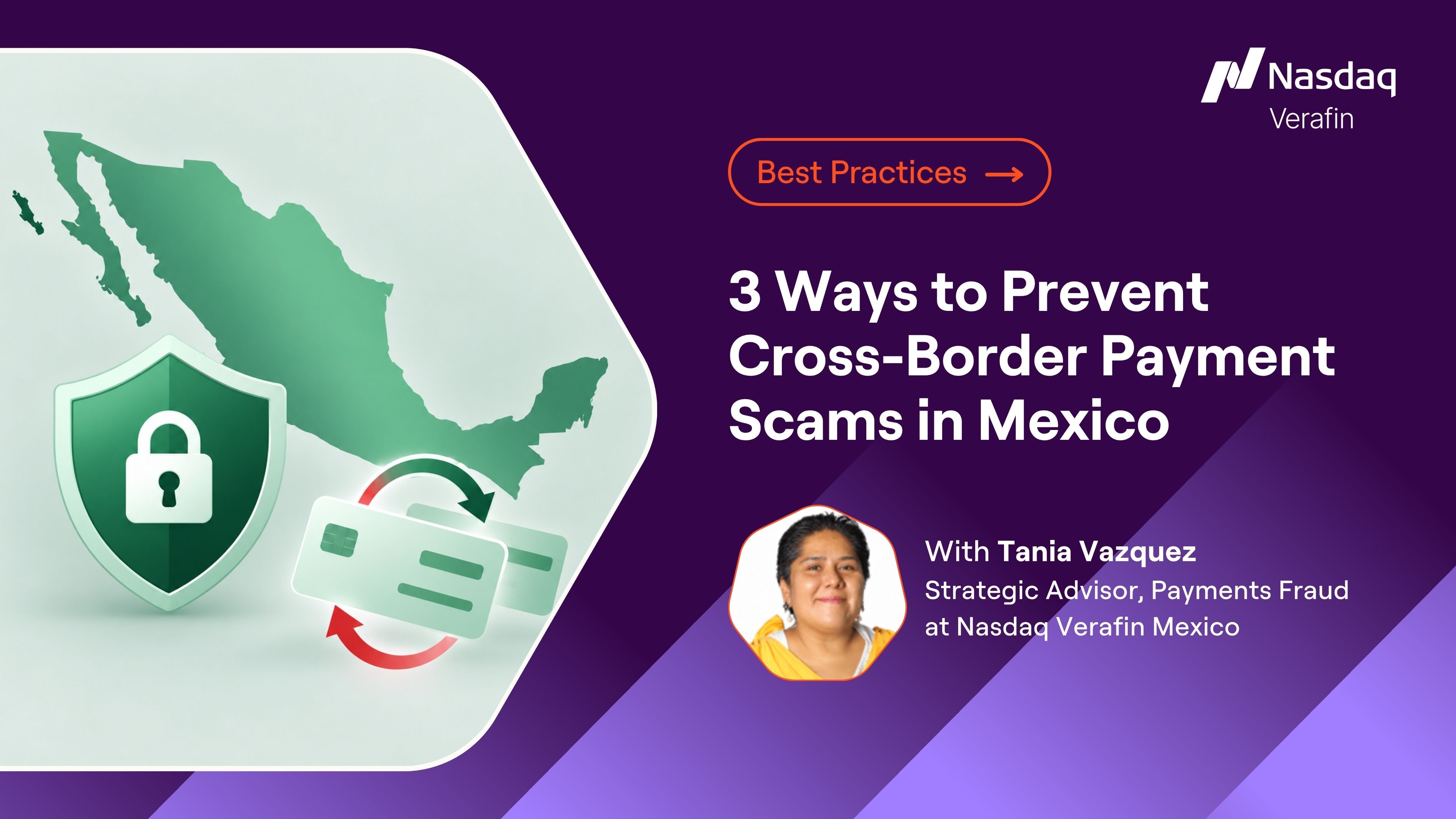
3 Ways to Prevent Cross-Border Payment Scams in Mexico
Learn three ways financial institutions can prevent cross-border payment scams in Mexico through intelligence sharing, payee transparency and real-time analysis.
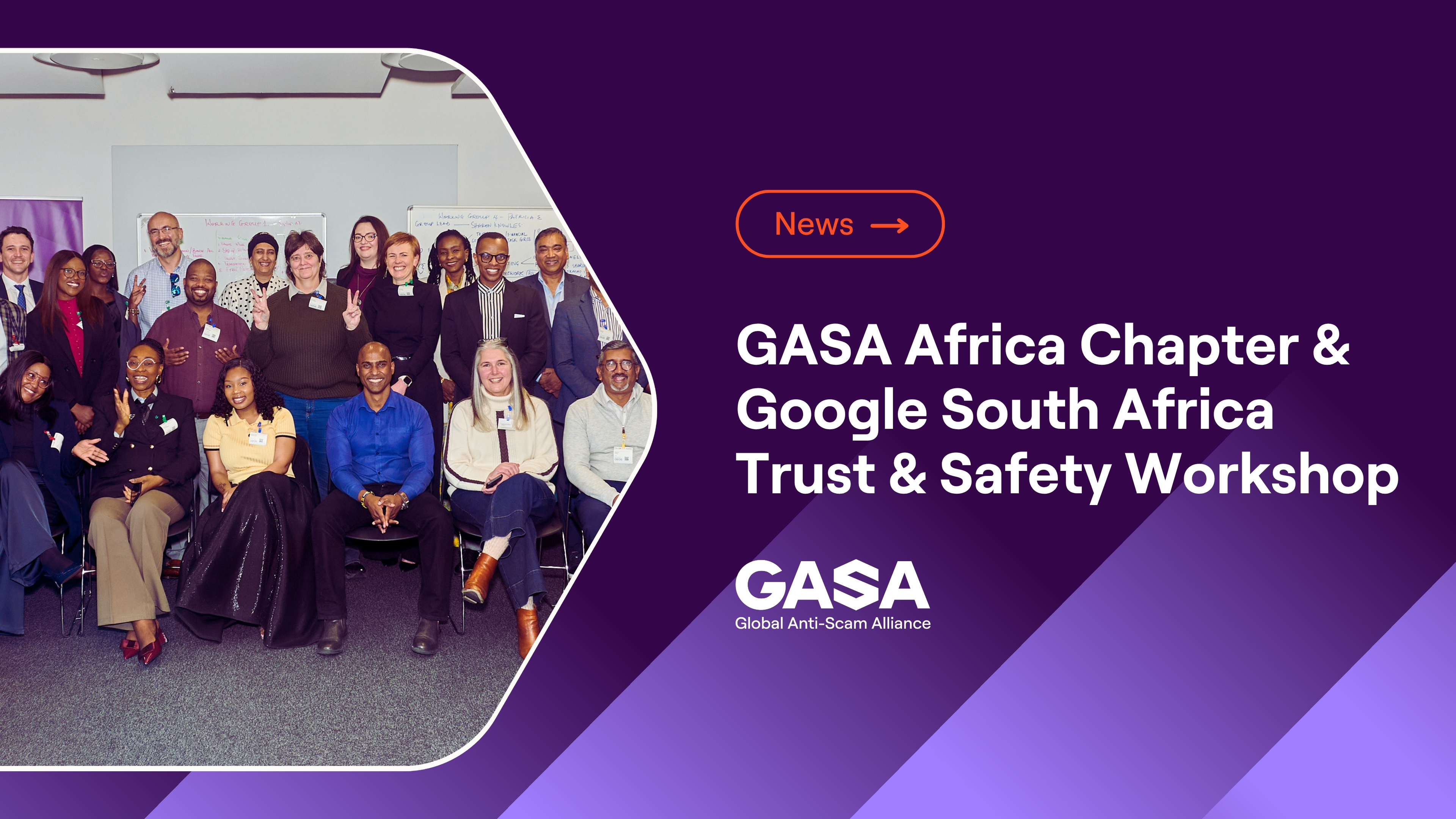
Accra Trust & Safety Workshop Turns Collaboration into Action Against Scams and Fraud in West Africa
GASA Africa Chapter and Google South Africa brought anti-fraud leaders together to strengthen cross-border cooperation and scam prevention.
State of Scams in Nigeria 2026: A Comparative Review Across Africa
Nigerian experts examine scam trends, technology, consumer protection and the need for stronger cross-sector collaboration.
Nearly three in four Danish adults encountered scams as estimated losses reach DKK 10.1 billion
New State of Scams Denmark 2026 report finds scam exposure is rising, while victims face repeated financial and emotional harm.
Building a More Trusted Digital Philippines: New Report Underscores the Need for Collective Action as Scam Exposure Continues to Rise
GASA’s State of Scams in the Philippines 2026 Report, in collaboration with Mastercard and Gogolook, highlights the growing scale of the scam challenge in the Philippines.
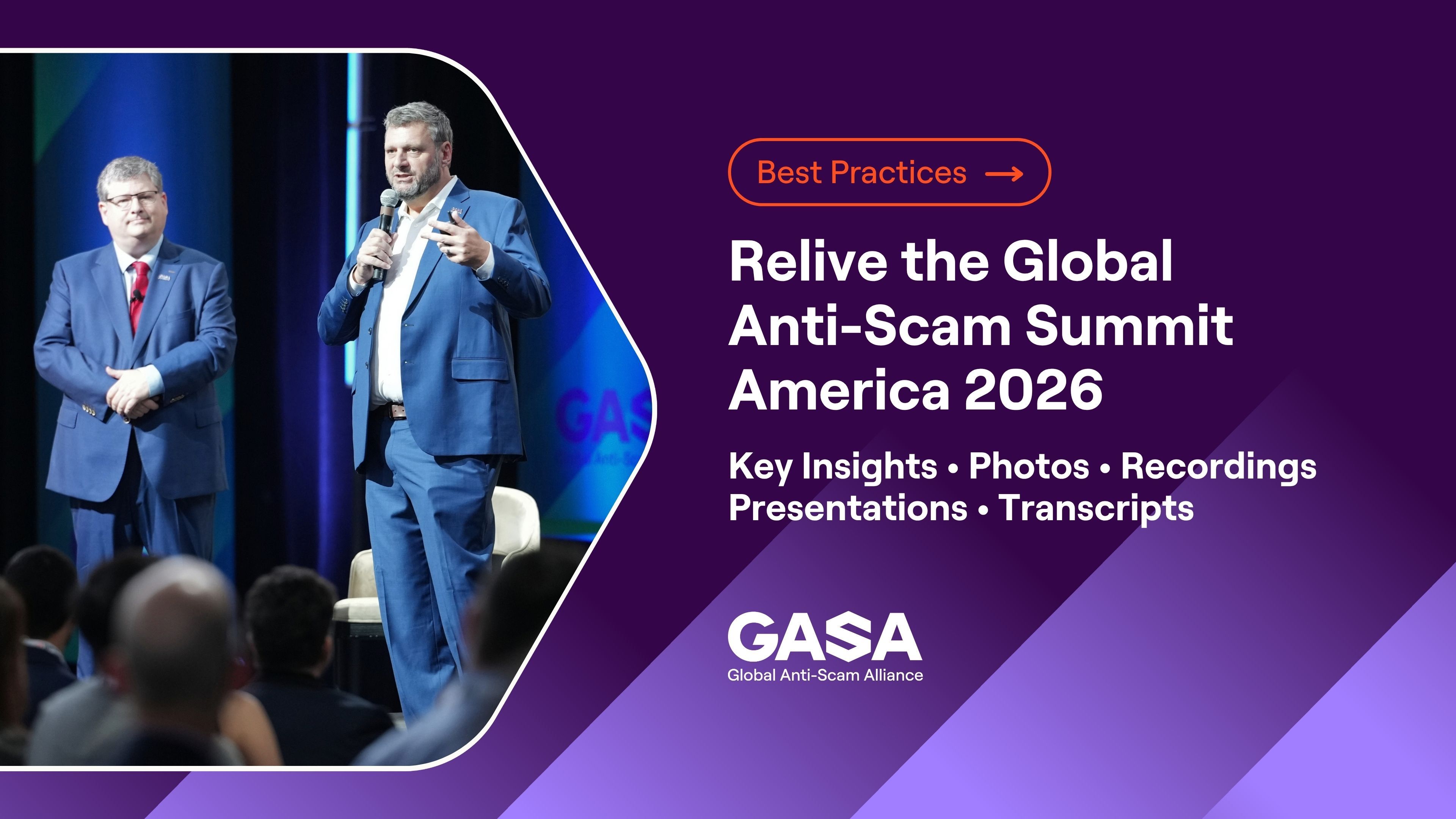
Global Anti-Scam Summit America 2026: Highlights, Insights and Resources
Explore GASS America 2026 highlights and insights, with the Summit summary, photos, presentation slides, transcripts and session recordings from San Francisco.
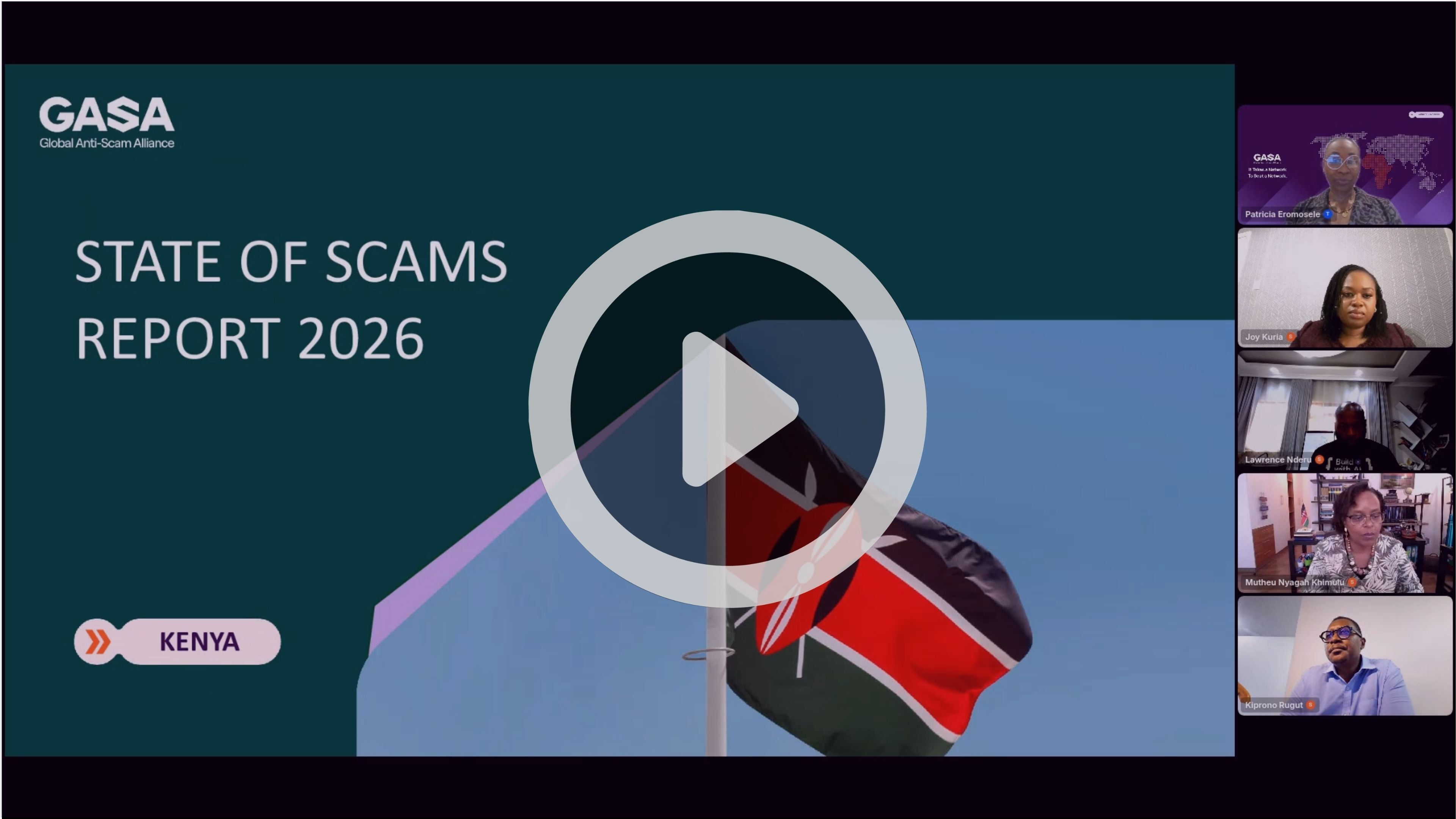
State of Scams in Kenya 2026: A Comparative Review Across Africa
Kenyan experts examine scam trends, data sharing, digital trust and the need for stronger cross-sector prevention.