
Date of Event: 26–27 March 2025
Event: Global Anti-Scam Summit London 2025
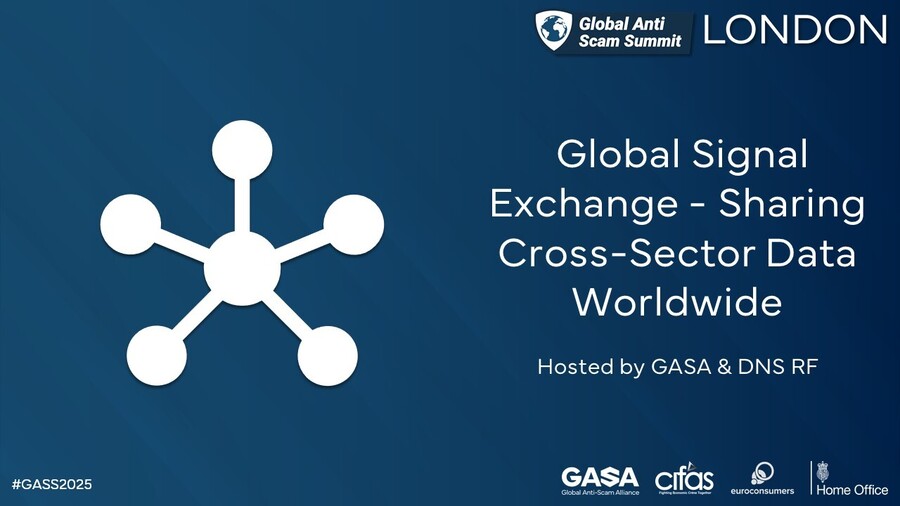
The Global Signal Exchange (GSE) session at the Global Anti-Scam Summit London 2025 showcased the powerful potential of global data collaboration in disrupting scam networks. With participation from major tech platforms, banking associations, law enforcement, and government representatives, this workshop demonstrated how sharing signals across sectors can significantly reduce coordination barriers and accelerate fraud prevention.
André Naumann of Google opened with a deep dive into the company’s support for the GSE, highlighting how the initiative streamlines internal processes, shrinks signal acquisition time, and enhances multi-sector intelligence sharing. He also shared details of a successful bilateral signal-sharing pilot between Google and Meta, where shared scam signals resulted in rapid enforcement actions.
Emily Taylor of DNS Research Federation myth-busted the notion that privacy laws obstruct fraud prevention. Instead, she emphasised how privacy and data sharing can co-exist within legal frameworks, with appropriate controls and clear governance.
Lucien Taylor followed with a technical walkthrough of the GSE’s capabilities, including real-time threat ingestion, league tables, and feedback mechanisms. He noted that the GSE now ingests up to one million new threat signals daily, with a growing partner base and over 135 million signals shared to date. He stressed the importance of data quality, velocity, and shared intelligence in stopping scams faster and more effectively.
The panel discussion brought in perspectives from Meta, Spamhaus, the UK Home Office, the American Bankers Association, 5OH Consulting, and others. Speakers underscored the need for industry-wide participation, creative use cases, and brave leadership to tackle cross-border fraud threats. The workshop ended with a call to action: “It takes a network to defeat a network.”
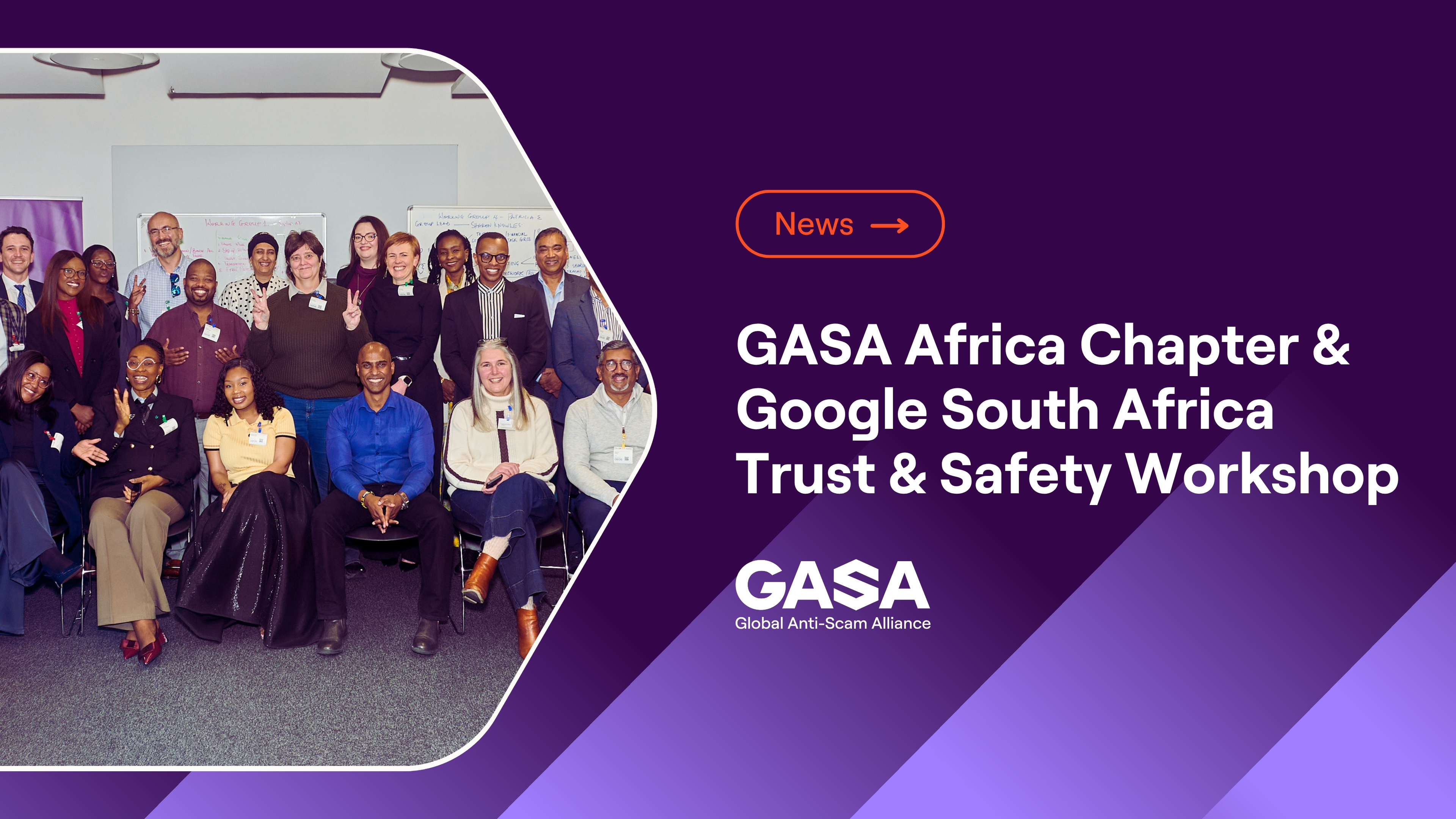
Accra Trust & Safety Workshop Turns Collaboration into Action Against Scams and Fraud in West Africa
GASA Africa Chapter and Google South Africa brought anti-fraud leaders together to strengthen cross-border cooperation and scam prevention.
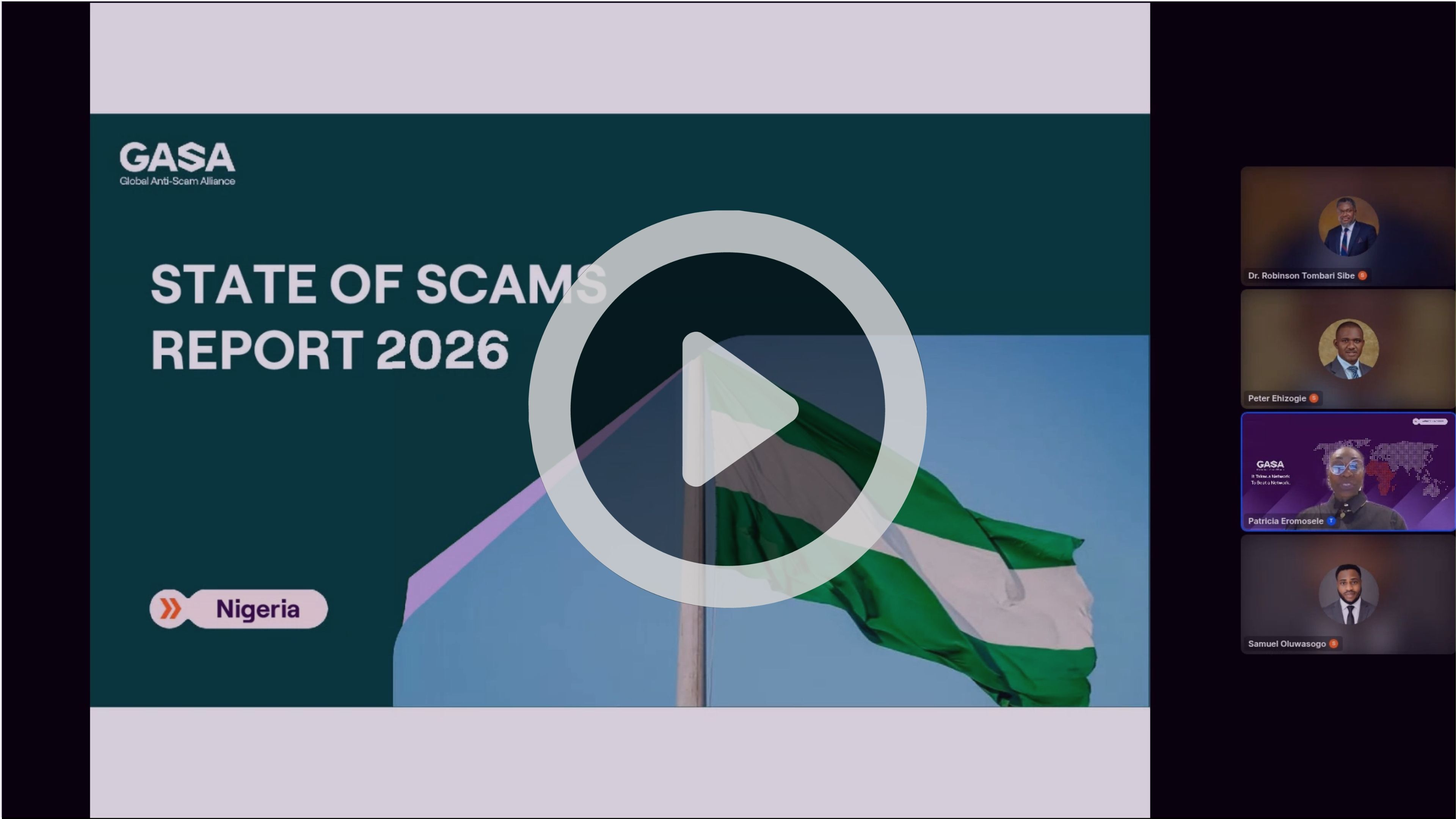
State of Scams in Nigeria 2026: A Comparative Review Across Africa
Nigerian experts examine scam trends, technology, consumer protection and the need for stronger cross-sector collaboration.
Nearly three in four Danish adults encountered scams as estimated losses reach DKK 10.1 billion
New State of Scams Denmark 2026 report finds scam exposure is rising, while victims face repeated financial and emotional harm.
Building a More Trusted Digital Philippines: New Report Underscores the Need for Collective Action as Scam Exposure Continues to Rise
GASA’s State of Scams in the Philippines 2026 Report, in collaboration with Mastercard and Gogolook, highlights the growing scale of the scam challenge in the Philippines.
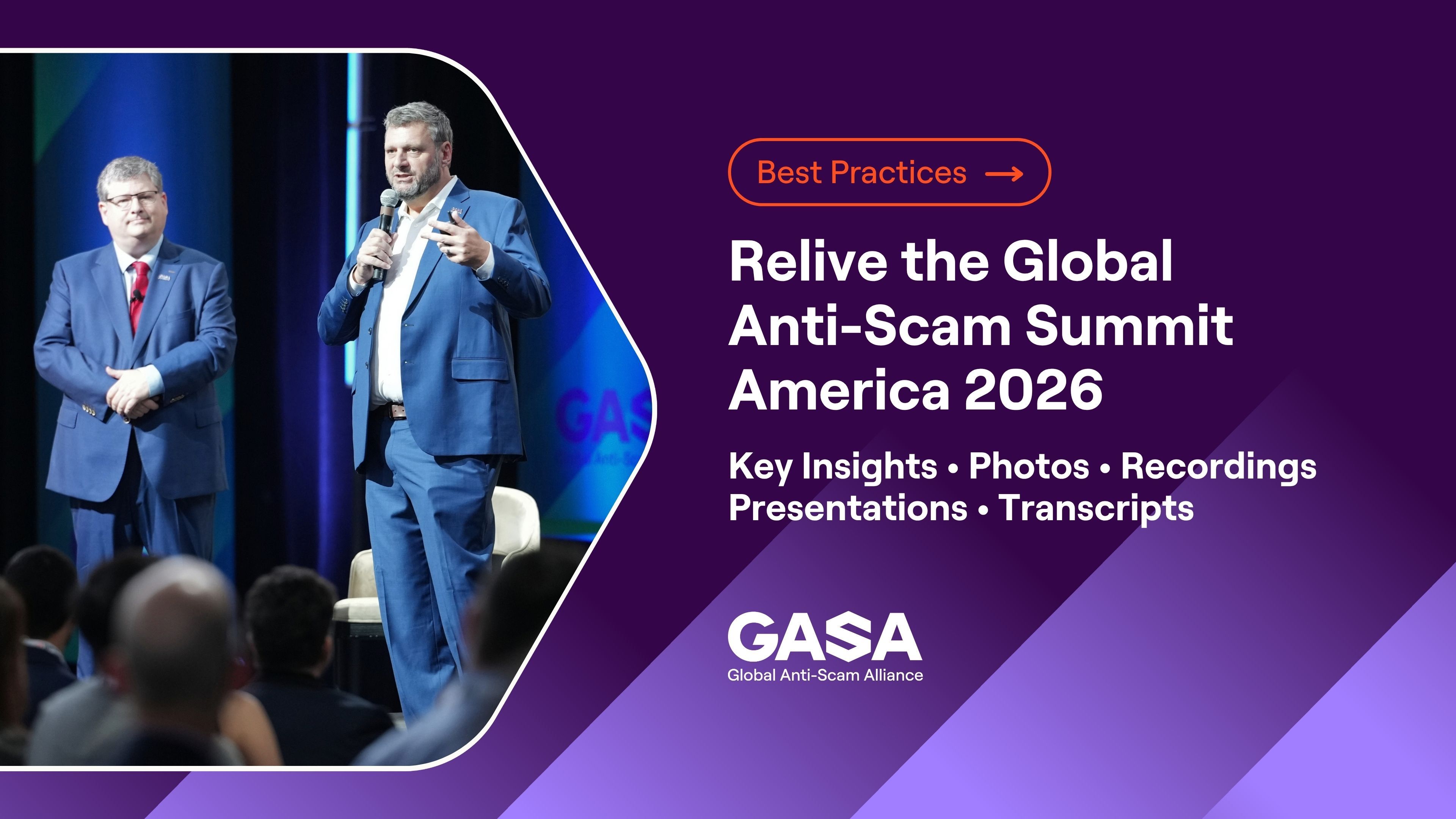
Global Anti-Scam Summit America 2026: Highlights, Insights and Resources
Explore GASS America 2026 highlights and insights, with the Summit summary, photos, presentation slides, transcripts and session recordings from San Francisco.
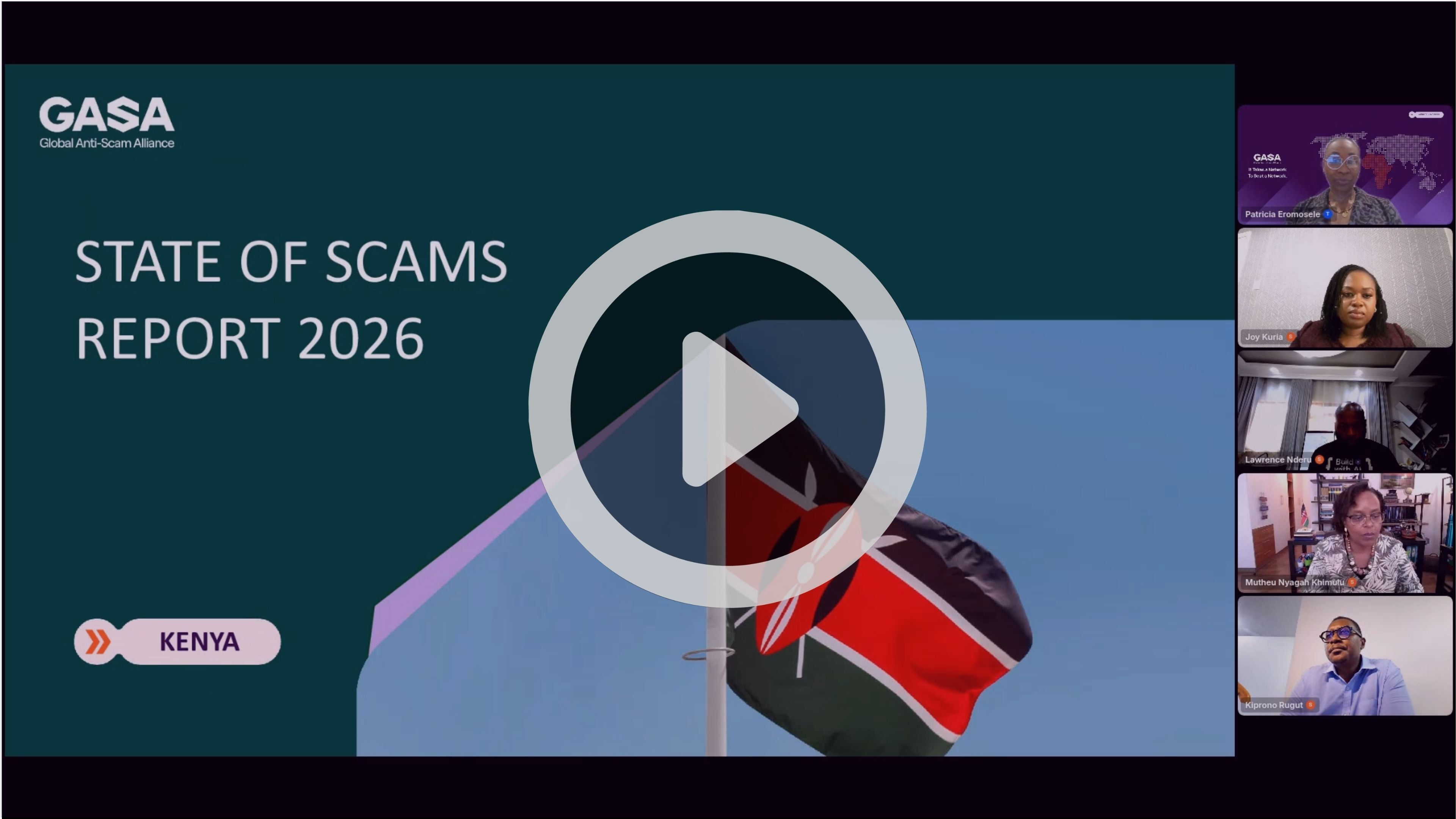
State of Scams in Kenya 2026: A Comparative Review Across Africa
Kenyan experts examine scam trends, data sharing, digital trust and the need for stronger cross-sector prevention.
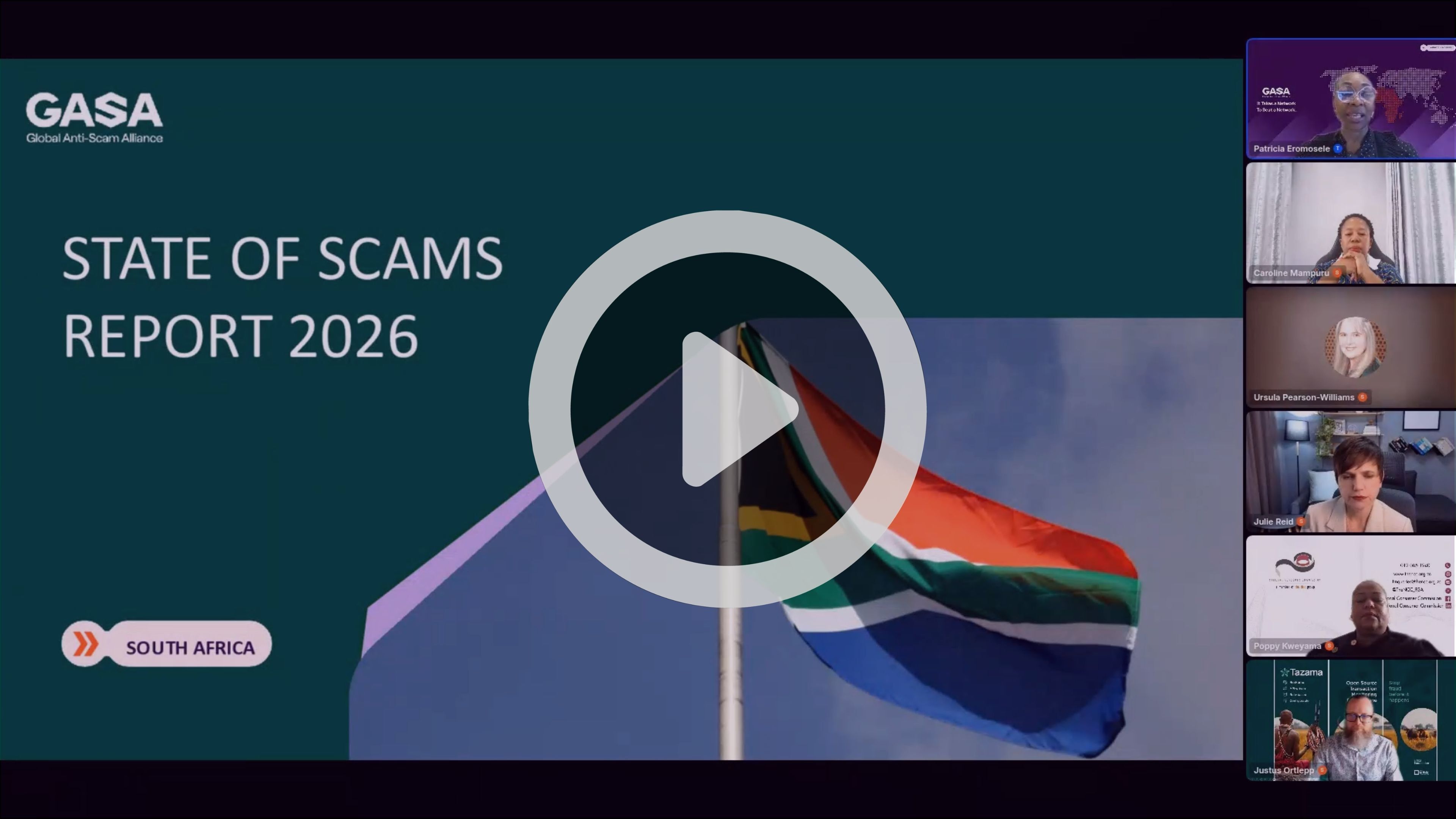
State of Scams in South Africa 2026: A Comparative Review Across Africa
South African experts examine scam trends, AI, consumer protection and the need for stronger cross-sector collaboration.
-3.jpg)
More than one in five adults in Japan encountered scams in the past year
New State of Scams Japan 2026 report examines how scams are reaching consumers and where stronger prevention and collaboration can make a difference