
Date of Event: 26–27 March 2025
Event: Global Anti-Scam Summit London 2025
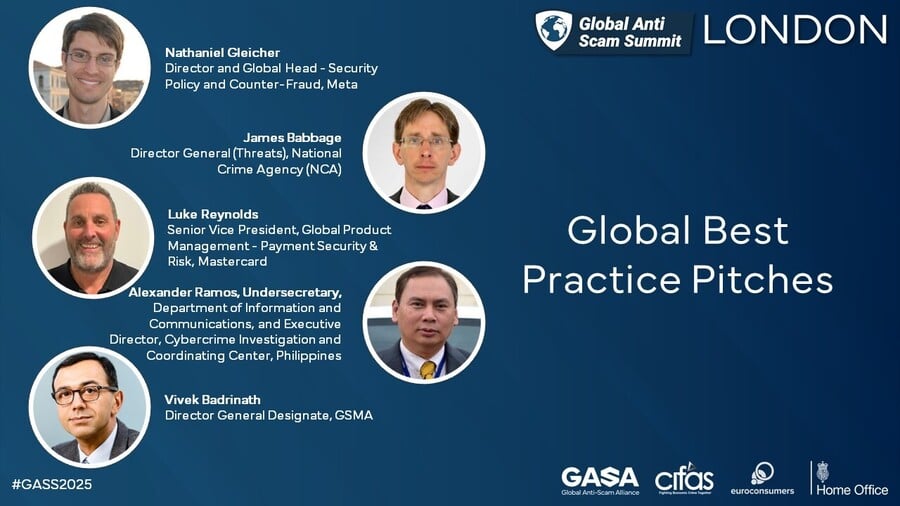
At the Global Anti-Scam Summit London 2025 , the Global Best Practice Pitches session brought together international leaders for a fast-paced series of insights into how businesses, governments, and law enforcement are stepping up the fight against scams.
Nathaniel Gleicher, Director and Global Head of Security Policy and Counter-Fraud at Meta, opened the session by showcasing new tools such as facial recognition for detecting misuse of public figures and video selfie verification for account recovery. He emphasised the importance of intelligence sharing across industries to stay ahead of evolving threats.
James Babbage, Director General (Threats) at the National Crime Agency, followed with a powerful update on law enforcement’s response to fraud in the UK. He highlighted coordinated operations resulting in hundreds of arrests and discussed how international collaboration is essential to disrupting scam networks at scale.
Luke Reynolds, Senior Vice President, Global Product Management - Payment Security & Risk at Mastercard, explained how real-time data analysis and network-level insights are helping banks detect fraudulent transactions earlier. He stressed the need for cross-sector collaboration to counter increasingly complex scams.
Alexander Ramos, Undersecretary at the Philippines' Department of Information and Communications and Executive Director of the Cybercrime Investigation and Coordinating Center, shared the country’s aggressive action against scam hubs and the development of new national strategies to empower the public and fight misinformation.
Finally, Vivek Badrinath, Director General Designate of GSMA, highlighted how global mobile operators are deploying real-time fraud detection tools and creating unified frameworks to support seamless collaboration with financial institutions worldwide.
Watch the full session below to hear how global collaboration is turning the tide against scams.
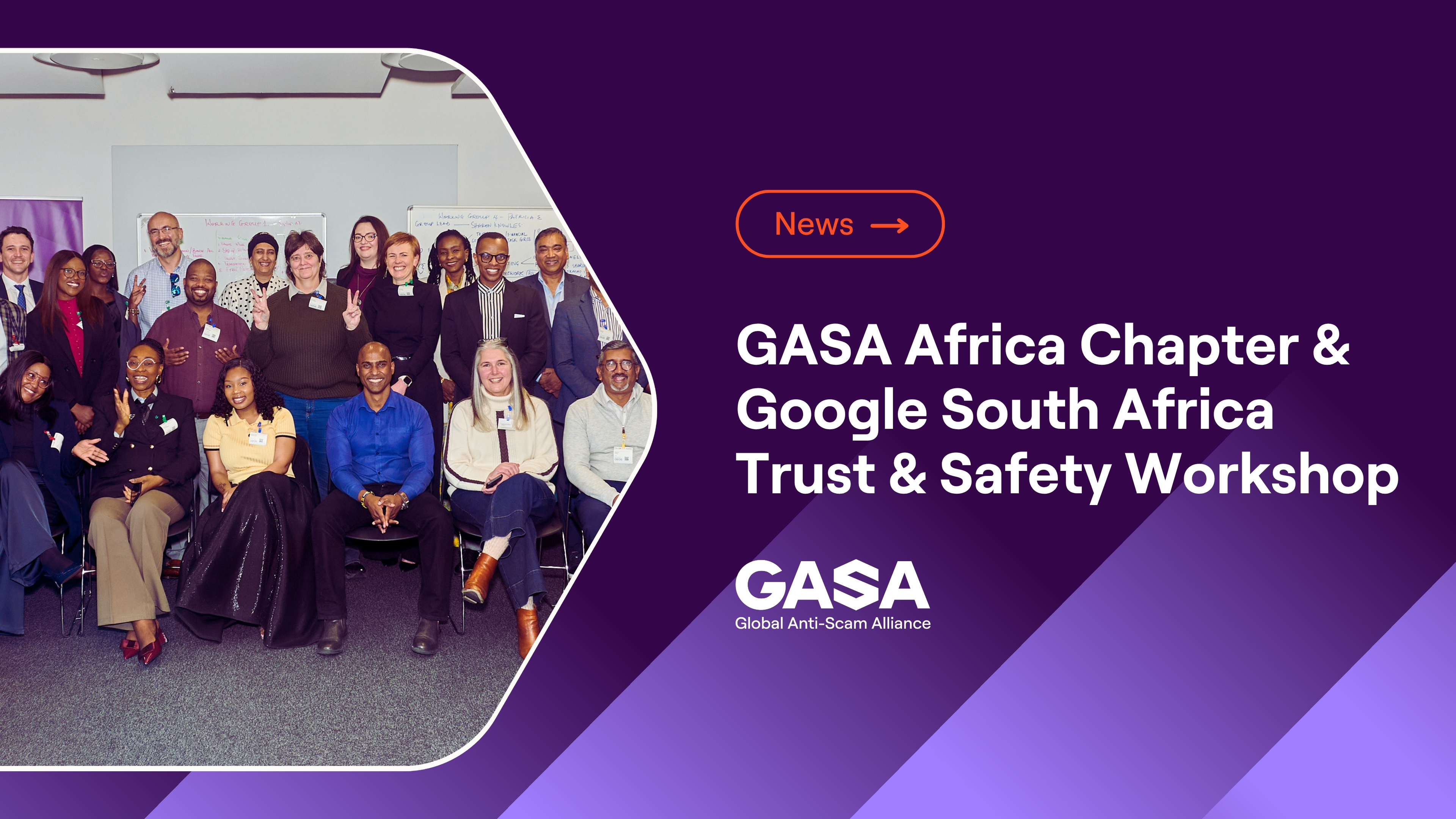
Accra Trust & Safety Workshop Turns Collaboration into Action Against Scams and Fraud in West Africa
GASA Africa Chapter and Google South Africa brought anti-fraud leaders together to strengthen cross-border cooperation and scam prevention.
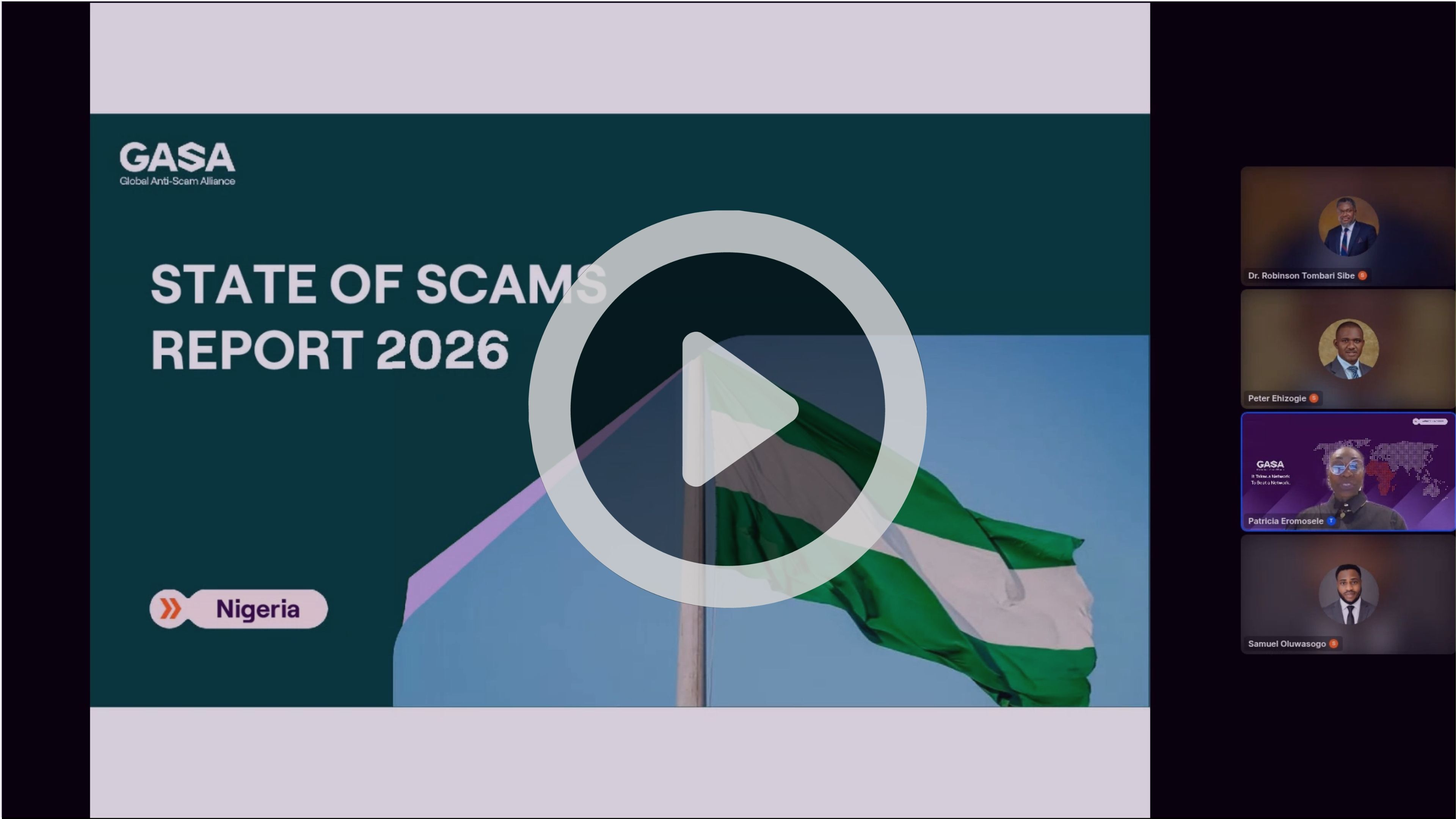
State of Scams in Nigeria 2026: A Comparative Review Across Africa
Nigerian experts examine scam trends, technology, consumer protection and the need for stronger cross-sector collaboration.
Nearly three in four Danish adults encountered scams as estimated losses reach DKK 10.1 billion
New State of Scams Denmark 2026 report finds scam exposure is rising, while victims face repeated financial and emotional harm.
Building a More Trusted Digital Philippines: New Report Underscores the Need for Collective Action as Scam Exposure Continues to Rise
GASA’s State of Scams in the Philippines 2026 Report, in collaboration with Mastercard and Gogolook, highlights the growing scale of the scam challenge in the Philippines.
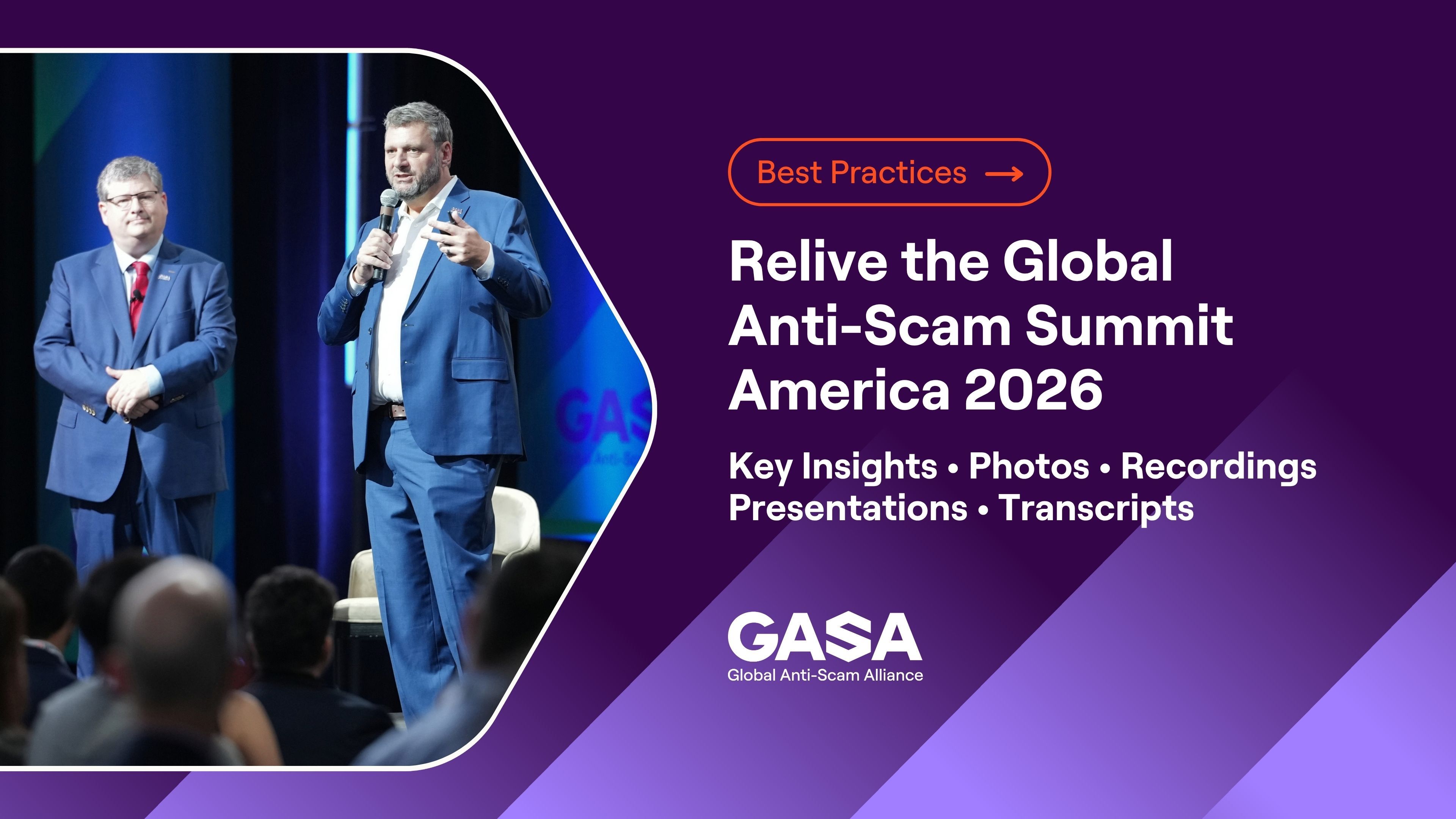
Global Anti-Scam Summit America 2026: Highlights, Insights and Resources
Explore GASS America 2026 highlights and insights, with the Summit summary, photos, presentation slides, transcripts and session recordings from San Francisco.
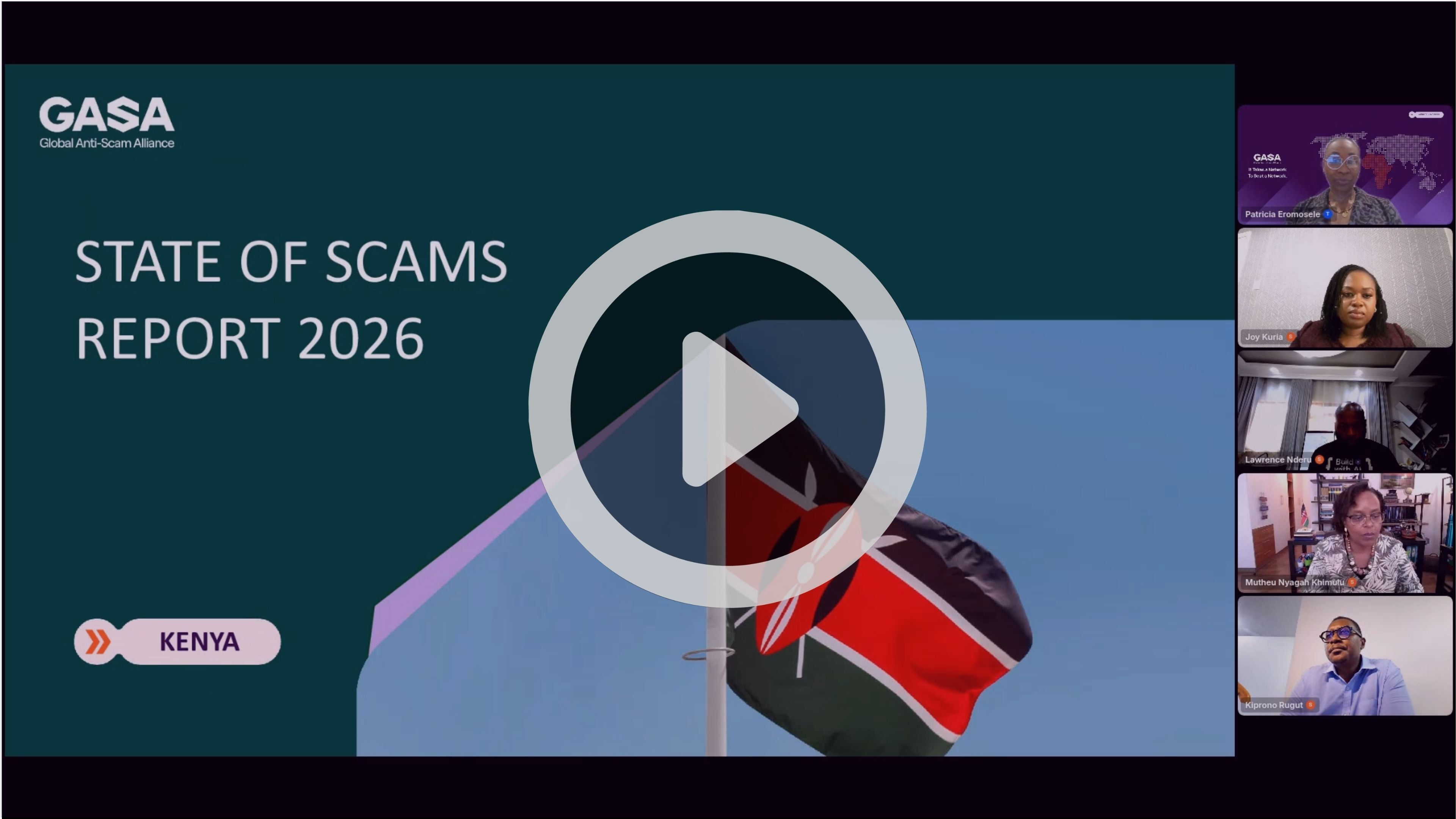
State of Scams in Kenya 2026: A Comparative Review Across Africa
Kenyan experts examine scam trends, data sharing, digital trust and the need for stronger cross-sector prevention.
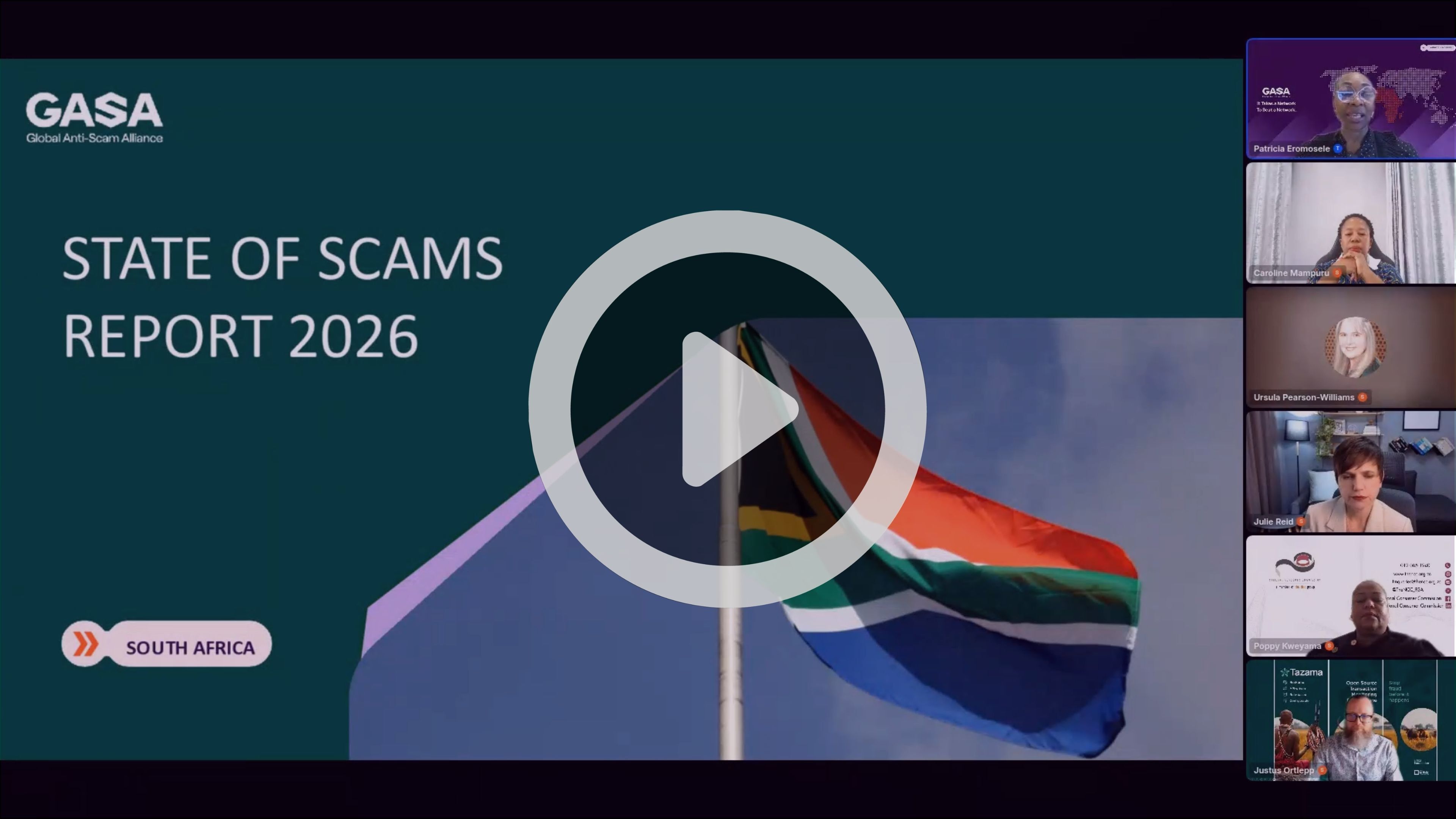
State of Scams in South Africa 2026: A Comparative Review Across Africa
South African experts examine scam trends, AI, consumer protection and the need for stronger cross-sector collaboration.
-3.jpg)
More than one in five adults in Japan encountered scams in the past year
New State of Scams Japan 2026 report examines how scams are reaching consumers and where stronger prevention and collaboration can make a difference