
AI technology meets on-the-ground expertise from leading organizations across five continents, accessible to billions of consumers in 50+ languages covering 97% of global internet users.
 Amsterdam, 12 March 2026 - The Global Anti-Scam Alliance (GASA) launched today Scam.org, an AI-powered platform that provides scam education, prevention, detection, reporting, and victim support in over 50 languages, making it a new global hub, accessible to 97% of the world's internet users.
Scam.org is powered by partnerships with OpenAI and leading cybersecurity organizations, AnyTech365, CUBE AI, Falkin, Malwarebytes, Netcraft, ReasonLabs, ScamAdviser, Scamnetic, Seraph Secure and Spamhaus. For personal victim support, Scam.org collaborates with other victim support organizations such as AARP in the USA and ANVINT in Brazil. The platform expects more organizations to join, with plans to build an even stronger and broader coalition, creating a world where people are safer from the financial and emotional trauma caused by online scams.
The launch comes just days before the UN Fraud Summit in Vienna, Austria (March 16-17), as scams continue to surge in scale and sophistication worldwide, costing individuals and businesses an estimate of $442 billion USD annually (according to the Global State of Scams Report 2025 by GASA). Scam.org brings together AI technology with on-the-ground expertise from trusted organizations across the globe, creating a collaborative defense system where reported scam data strengthens protection for users globally.
Scam.org Unifies Fragmented Response System into Single Global Hub
Until now, scam victims have faced a maze of disconnected resources, separate websites for fraud reporting, utilizing different support hotlines, and scattered educational materials. GASA hopes to unify all these efforts into one global hub making it easier for scam victims to report and get help.
Scam.org covers five critical areas:
- Education
Providing free learning material and continuous anti-scam education to spot scams - Verification
Instant AI analysis paired with threat intelligence expertise of suspicious messages, websites, calls, or offers to determine legitimacy - Prevention
Immediate access to protective tools and best practices tailored to individual risk profiles - Reporting
Streamlined scam reporting (to be rolled out in the coming months) that will feed into the Global Signal Exchange, enabling faster global disruption of criminal operations - Victim Support
Direct online and by connecting victims to verified assistance organizations in the user's country and language
Scam.org is dedicated to growing the features and functionality of the platform to ensure continuous consolidation of the entire response cycle into one AI-powered platform.
We've spent years tracking scam trends across continents, and the data is clear: this is getting worse, not better. Every report we publish shows rising numbers, new tactics, more victims. As an alliance, we stand for more than just documenting and connecting. Our members and partners are committed to acting, that's what Scam.org stands for.
Jorij Abraham, General Manager of the Global Anti-Scam Alliance.
AI Assistant Provides Instant Guidance in 50+ Languages
The platform is optimized for the use of mobile phones in over 50 languages, addressing a critical gap in developing nations where smartphones are the primary means of internet access and where scam victims often have nowhere to turn.
The tool helps users check suspicious messages, websites, calls, or offers in real-time, and directs them to appropriate reporting channels and victim support services in their country and language.
"AI can meaningfully empower people to better protect themselves from scams," said Jack Stubbs, Lead Scams Investigator at OpenAI. “We already see millions of people use ChatGPT to stay safe from scams. Now, our models will help the Global Anti Scam Alliance and scam.org extend that protection to everyday people around the world.”
The AI assistant serves as a triage system, quickly assessing situations and connecting users to the right resources within the Scam.org network, eliminating the confusion victims often face when seeking help.
Scam.org operates through a coalition of organizations bringing complementary expertise:
Technology Partners: OpenAI provides the AI models powering scam.org
Cybersecurity Partners: AnyTech365, Cube AI, Falkin, Malwarebytes, Netcraft, ReasonLabs, ScamAdviser, Scamnetic, Seraph Secure, and Spamhaus contribute threat intelligence and scam detection capabilities, feeding real-time data into the system.
Victim Support: AARP, ANVINT and Australia Victim Support Alliance connect victims with verified assistance resources and counseling services.
Scam.org is built to serve as a free global resource for anyone affected by scams.
About the Global Anti-Scam Alliance
The Global Anti-Scam Alliance (GASA) is an international organization dedicated to protecting consumers worldwide from scams and online fraud. By uniting governments, law enforcement, consumer protection agencies, financial institutions, technology companies, cybersecurity firms, and victim support organizations, GASA works to reduce the global impact of scams worldwide.
Scam.org is now live at www.scam.org
Media Contact:
Metje van der Meer,
Marketing Director, Global Anti-Scam Alliance
metje.vandermeer@gasa.org
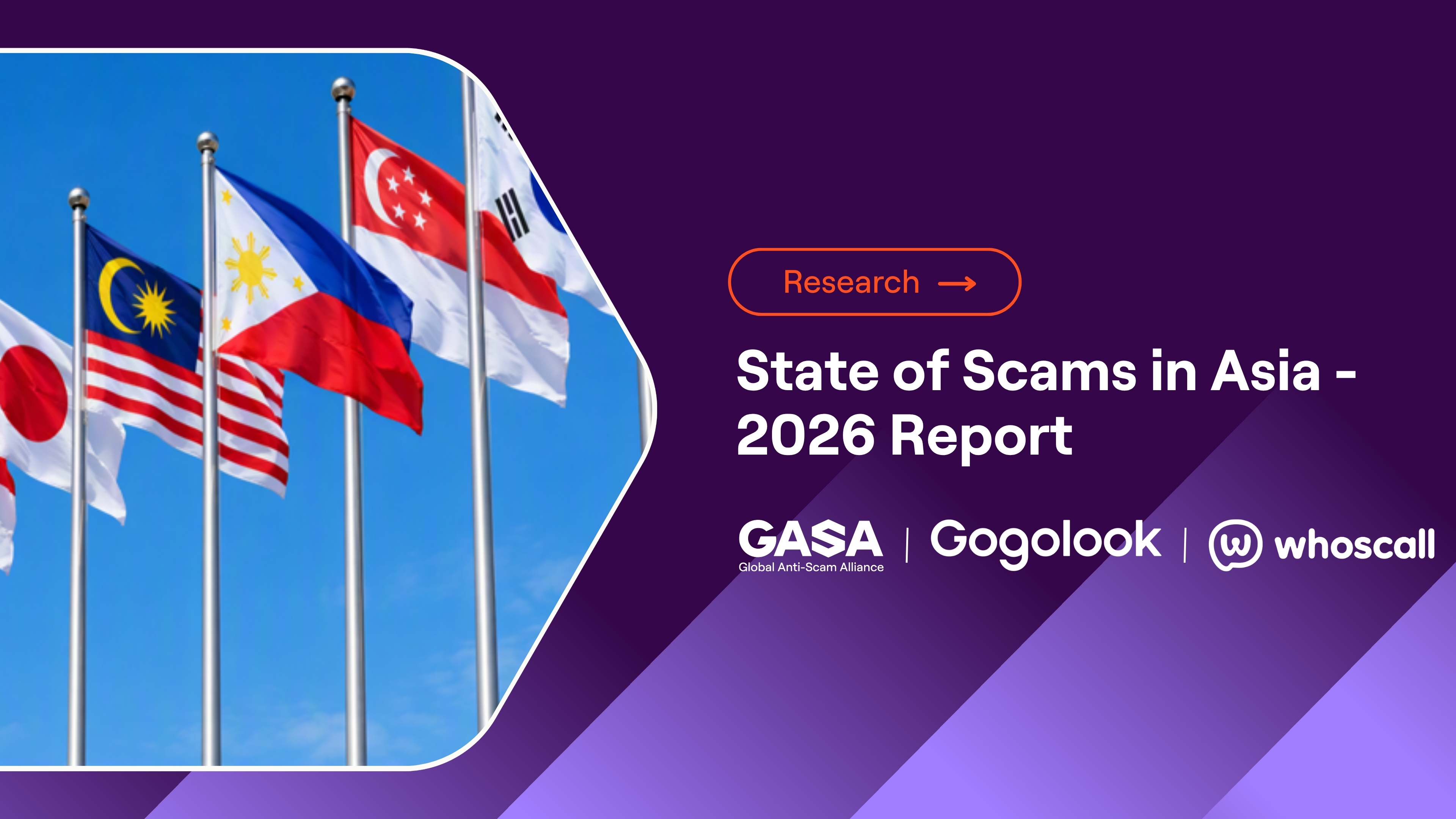
71% of Adults Surveyed Across 13 Asian Markets Encountered Scams, with Estimated Losses of US$136.5 Billion
This study of 17,460 adults across 13 Asian markets shows that scam exposure is widespread, with 71% of participants encountering a scam in the past year. While 66% say they are confident in recognizing scams, 62% of those exposed went on to interact with a scammer. Ultimately, 9% lost money or personal information that led to financial loss, while only 4% reported a scam to the authorities. The findings highlight a significant gap between perceived scam awareness and real-world resilience.
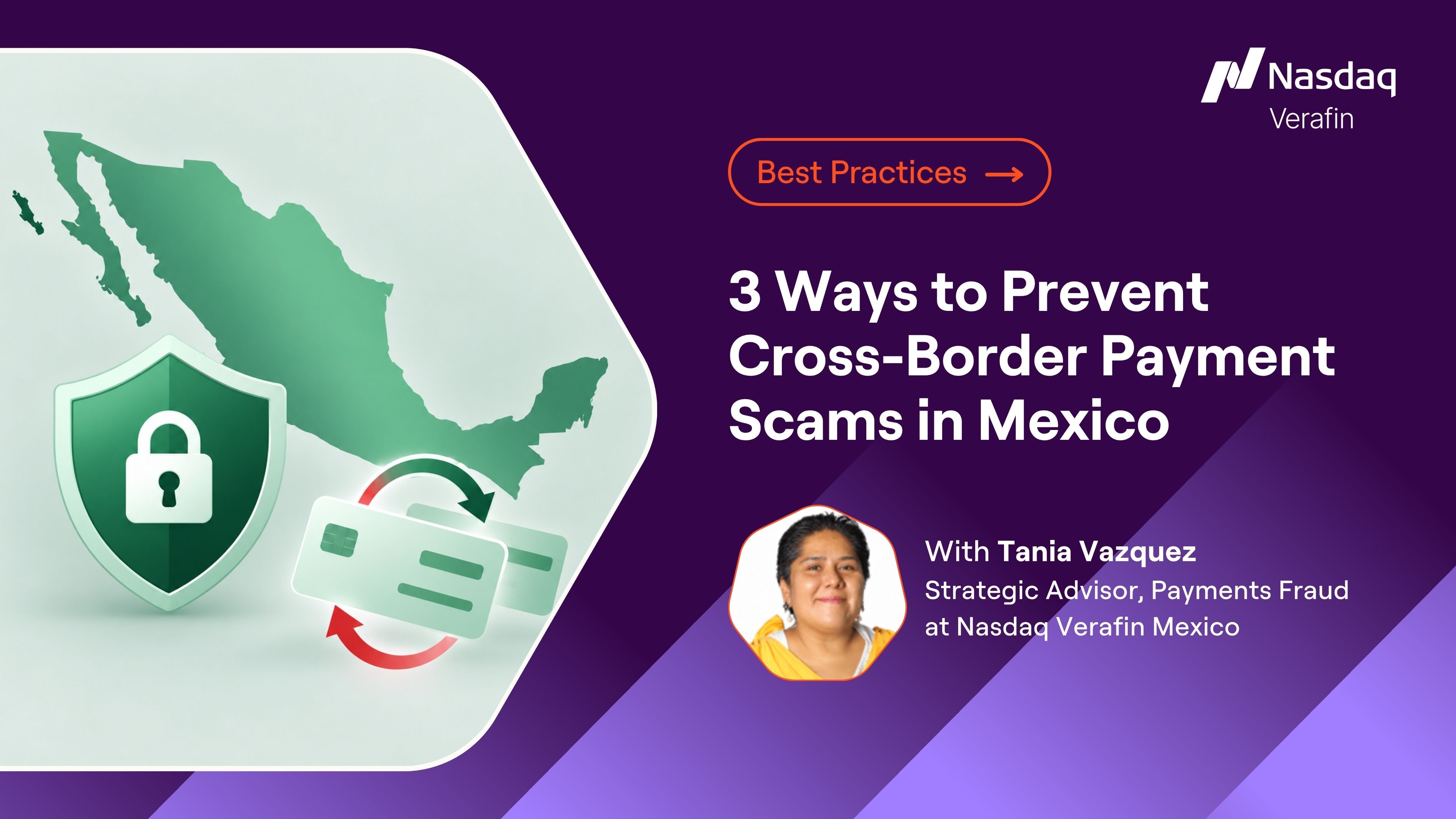
3 Ways to Prevent Cross-Border Payment Scams in Mexico
Learn three ways financial institutions can prevent cross-border payment scams in Mexico through intelligence sharing, payee transparency and real-time analysis.
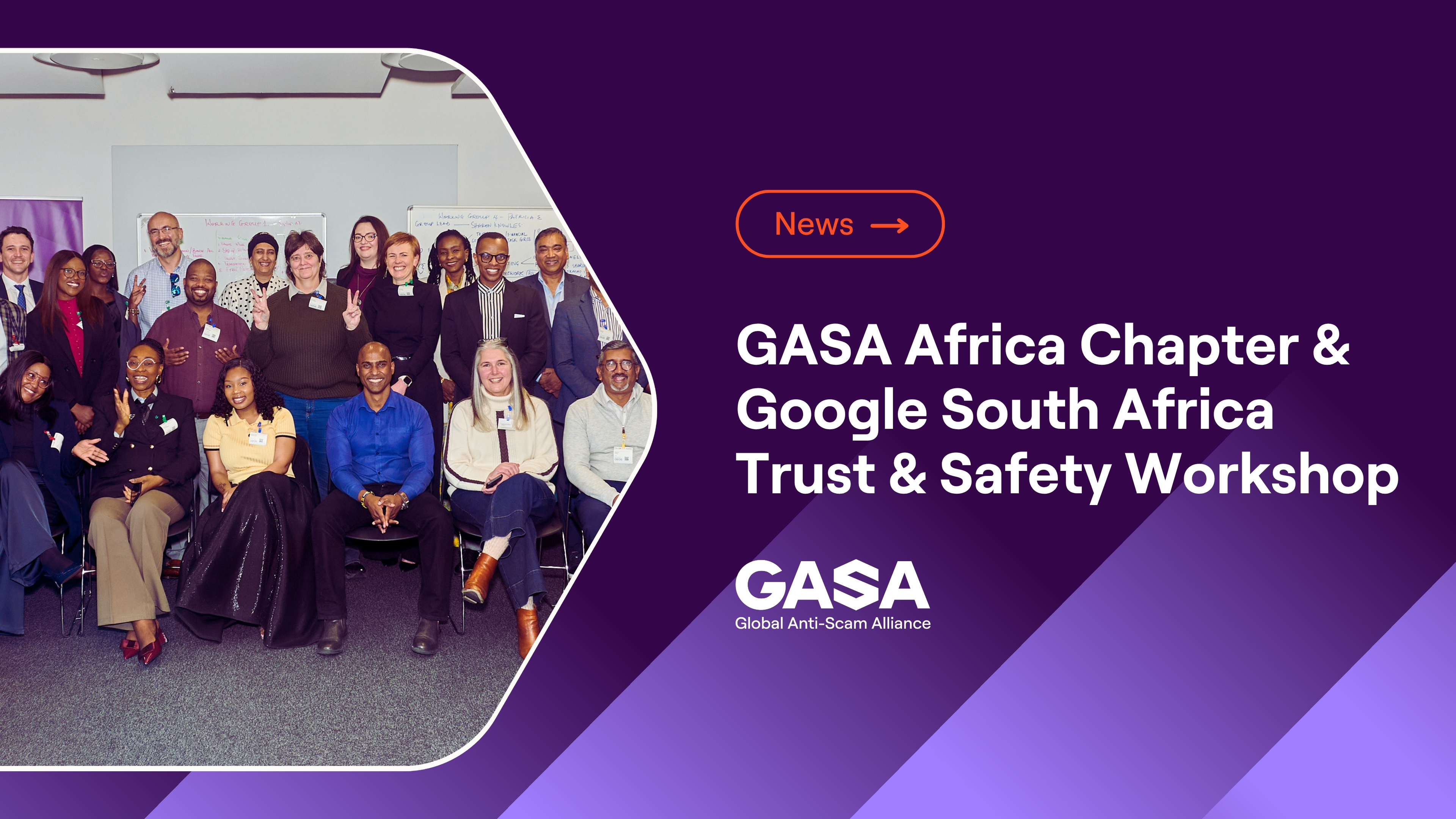
Accra Trust & Safety Workshop Turns Collaboration into Action Against Scams and Fraud in West Africa
GASA Africa Chapter and Google South Africa brought anti-fraud leaders together to strengthen cross-border cooperation and scam prevention.
State of Scams in Nigeria 2026: A Comparative Review Across Africa
Nigerian experts examine scam trends, technology, consumer protection and the need for stronger cross-sector collaboration.
Nearly three in four Danish adults encountered scams as estimated losses reach DKK 10.1 billion
New State of Scams Denmark 2026 report finds scam exposure is rising, while victims face repeated financial and emotional harm.
Building a More Trusted Digital Philippines: New Report Underscores the Need for Collective Action as Scam Exposure Continues to Rise
GASA’s State of Scams in the Philippines 2026 Report, in collaboration with Mastercard and Gogolook, highlights the growing scale of the scam challenge in the Philippines.
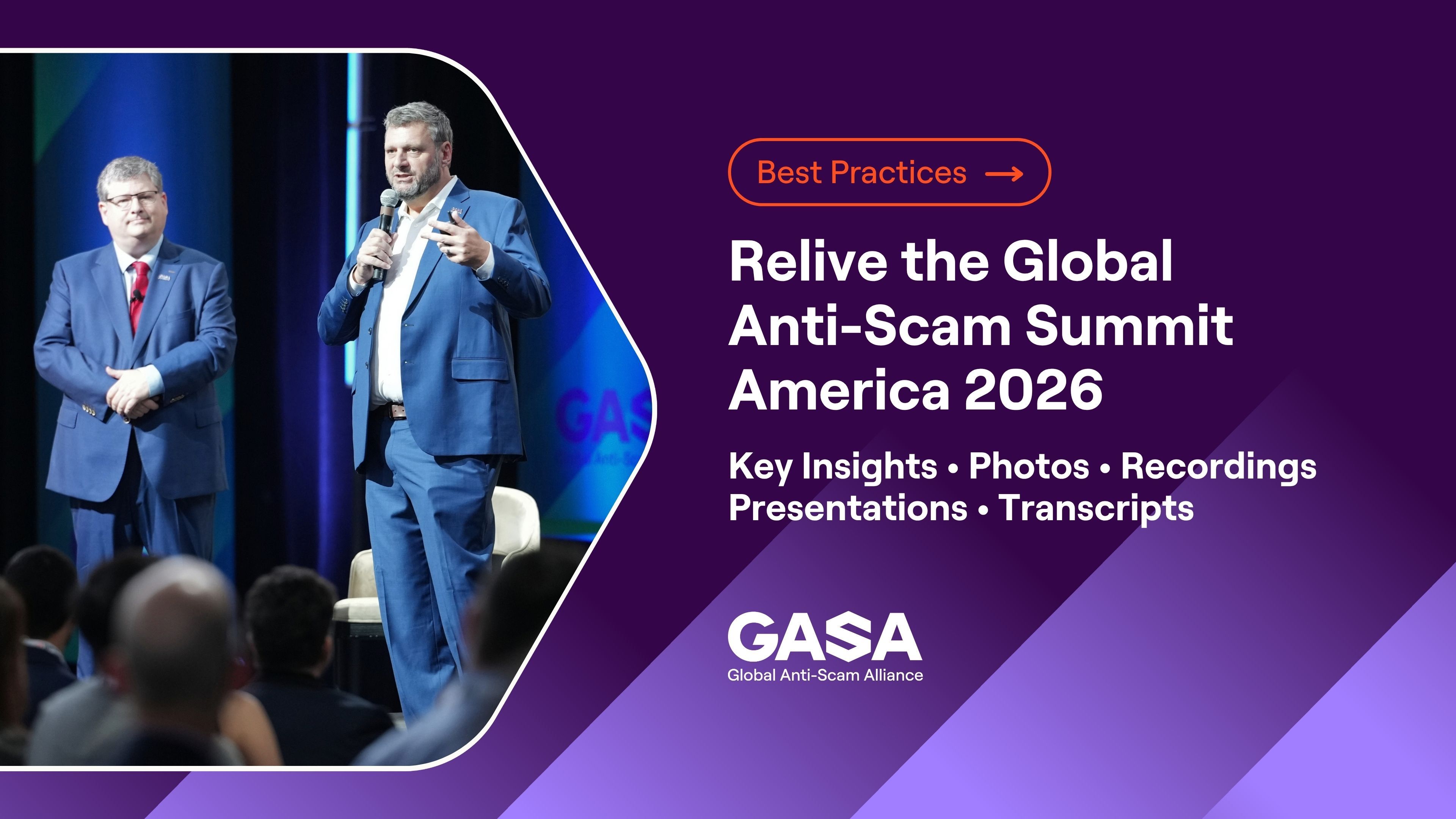
Global Anti-Scam Summit America 2026: Highlights, Insights and Resources
Explore GASS America 2026 highlights and insights, with the Summit summary, photos, presentation slides, transcripts and session recordings from San Francisco.
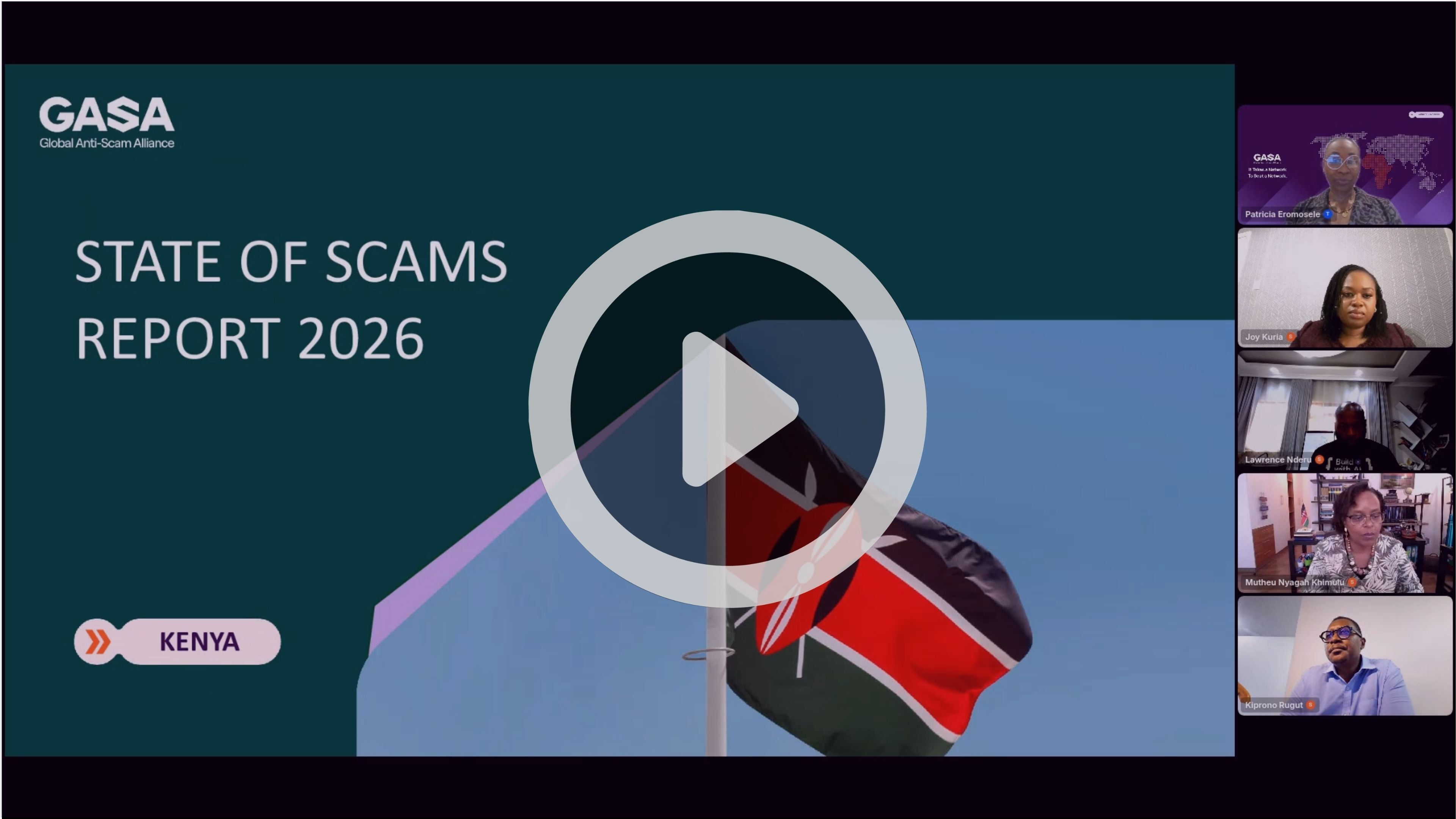
State of Scams in Kenya 2026: A Comparative Review Across Africa
Kenyan experts examine scam trends, data sharing, digital trust and the need for stronger cross-sector prevention.