
Nearly half of German adults say they’ve fallen victim
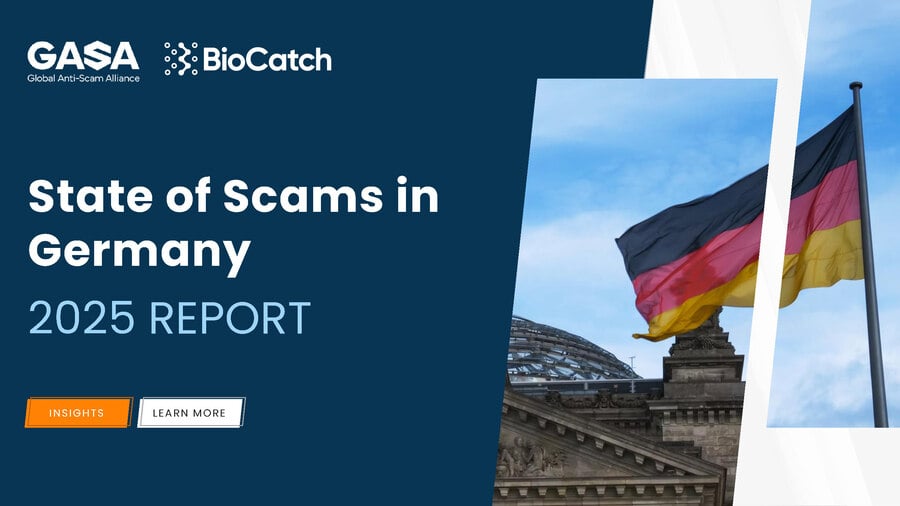
A new survey of 2,000 German consumers conducted by the Global Anti-Scam Alliance (GASA) and BioCatch , which prevents financial crime by recognizing patterns in human behavior, found total scam losses in Germany totaled €10.6 billion ($11.5 billion) in the last 12 months alone, with the average loss per victim exceeding €800 ($891). Nearly half of those surveyed reported falling victim to a scam in the last year, and the majority of those victims (55%) lost money to a shopping scam.
“Interestingly, we see that the Germans most likely to take longer to recognize a scam are both younger (24% are Gen-Zers) and highly educated (21%),” BioCatch Country Manager for Germany Mathias Schollmeyer said. “This reflects a trend we’ve seen elsewhere in continental Europe and bucks stereotypes recognizing the elderly and least educated among us as somehow both more and most vulnerable to scams.”
The survey also found the majority (84%) of scam attempts in Germany in the last 12 months took place on platforms with a direct message function, with WhatsApp (59%), Gmail (33%), Instagram (27%), Facebook (27%), and TikTok (21%) the primary platforms on which respondents had encountered at least one scam.
“Our data shows, just as they are elsewhere in Europe, online marketplaces are popular with Germans,” GASA Managing Director Jorij Abraham said. “ With typology-specific fraud defenses and increased data-sharing between these platforms, Germans and Europeans alike will be better protected against scams.”
Other key report findings:
Avid reporting: More than 80% of those surveyed who say they’ve fallen victim to a scam in the last 12 months also say they did report the experience to their payment service provider. And yet, 58% of those who filed these reports either saw zero action taken or still weren’t sure on what the outcome of their reporting was.
Some partially refunded: Only 35% of German scam victims say they were able to recover at least some of their losses.
Children also targeted: A quarter of German parents surveyed say their children had also been targeted by a scammer in the last year.
More than financial damages: Nearly two-thirds of German scam victims experienced emotional stress from the ordeal, while 38% say the experience impacted their mental wellbeing.
Click here to access GASA’s complete The State of Scams in Germany 2025 report
In the video below, GASA Research Manager Jake Emry breaks down the key findings from the State of Scams in Germany 2025 report. He highlights four urgent priorities: holding platforms accountable, improving how financial institutions respond to scams, strengthening protections for younger users, and building robust support systems for victims.
He also reflects on the emotional toll scams take on consumers and the importance of national legislation alongside EU reforms.
For the full data, analysis, and recommendations, explore the complete report below.
Click here to access GASA’s complete The State of Scams in Germany 2025 report
About BioCatch
BioCatch prevents financial crime by recognizing patterns in human behavior, continuously collecting more than 3,000 anonymized data points – keystroke and mouse activity, touch screen behavior, physical device attributes, and more – as people interact with their digital banking platforms. With these inputs, BioCatch's machine-learning models reveal patterns in user behavior and provide device intelligence that, together, distinguish the criminal from the legitimate. The company’s Client Innovation Board – an industry-led initiative in partnership with American Express, Barclays, Citi Ventures, HSBC, National Australia Bank, and others – collaborates to pioneer innovative ways of leveraging customer relationships for improved fraud detection. Today, more than 30 of the world's largest 100 banks and 267 total financial institutions deploy BioCatch solutions, analyzing 14.9 billion user sessions per month and protecting 511 million people around the world from fraud and financial crime.
About GASA
The Global Anti-Scam Alliance (GASA ) is a non-profit organization dedicated to protecting worldwide consumers from scams. With more than 100 member organizations, GASA unites governments, law enforcement, consumer protection organizations, financial authorities & providers, brand protection agencies, social media, Internet service providers, and cybersecurity companies in a collaborative environment to share insights, research, and solutions to protect consumers from fraud and scams. Additional information can be found at www.gasa.org .

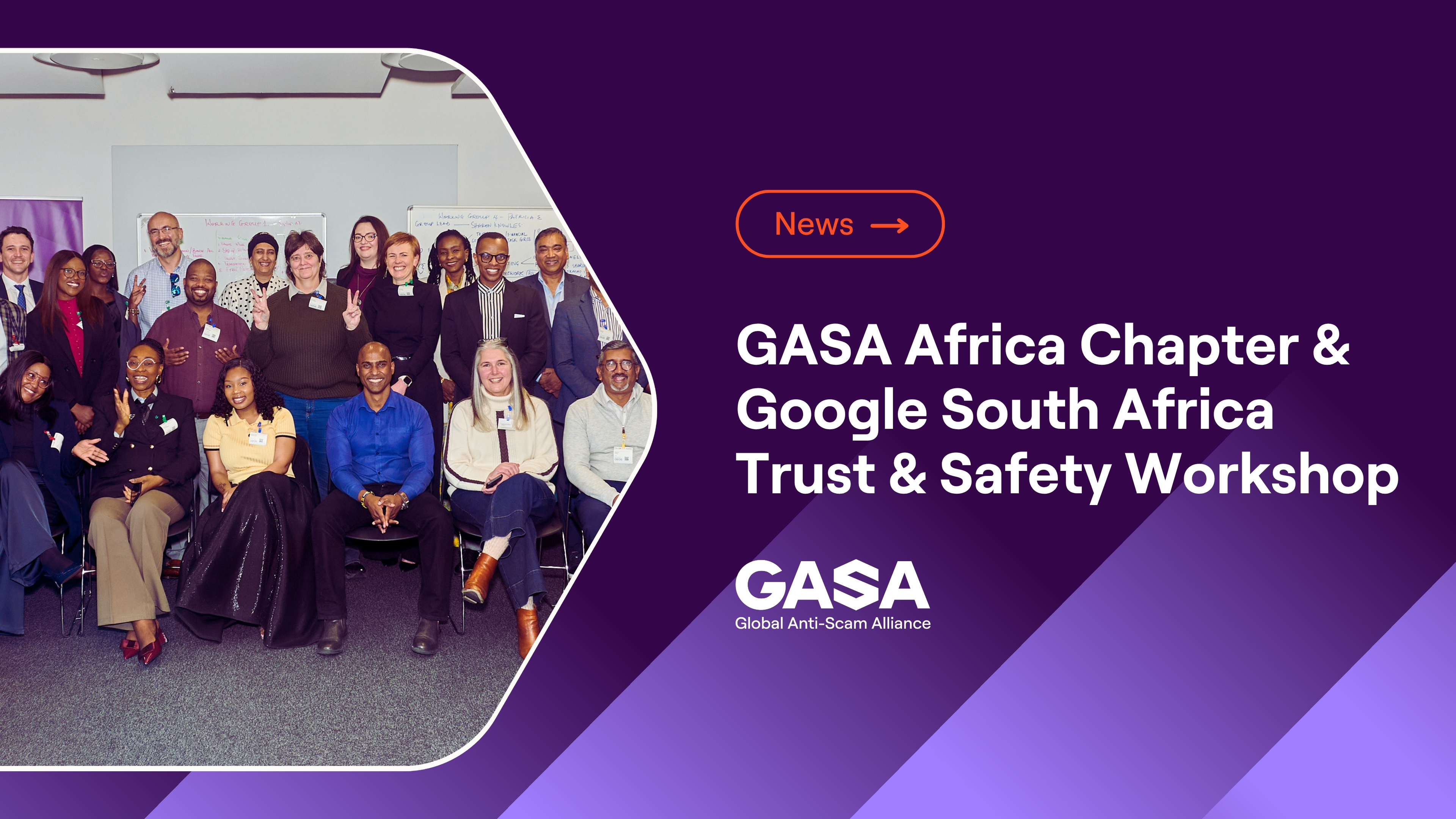
Accra Trust & Safety Workshop Turns Collaboration into Action Against Scams and Fraud in West Africa
GASA Africa Chapter and Google South Africa brought anti-fraud leaders together to strengthen cross-border cooperation and scam prevention.
State of Scams in Nigeria 2026: A Comparative Review Across Africa
Nigerian experts examine scam trends, technology, consumer protection and the need for stronger cross-sector collaboration.
Nearly three in four Danish adults encountered scams as estimated losses reach DKK 10.1 billion
New State of Scams Denmark 2026 report finds scam exposure is rising, while victims face repeated financial and emotional harm.
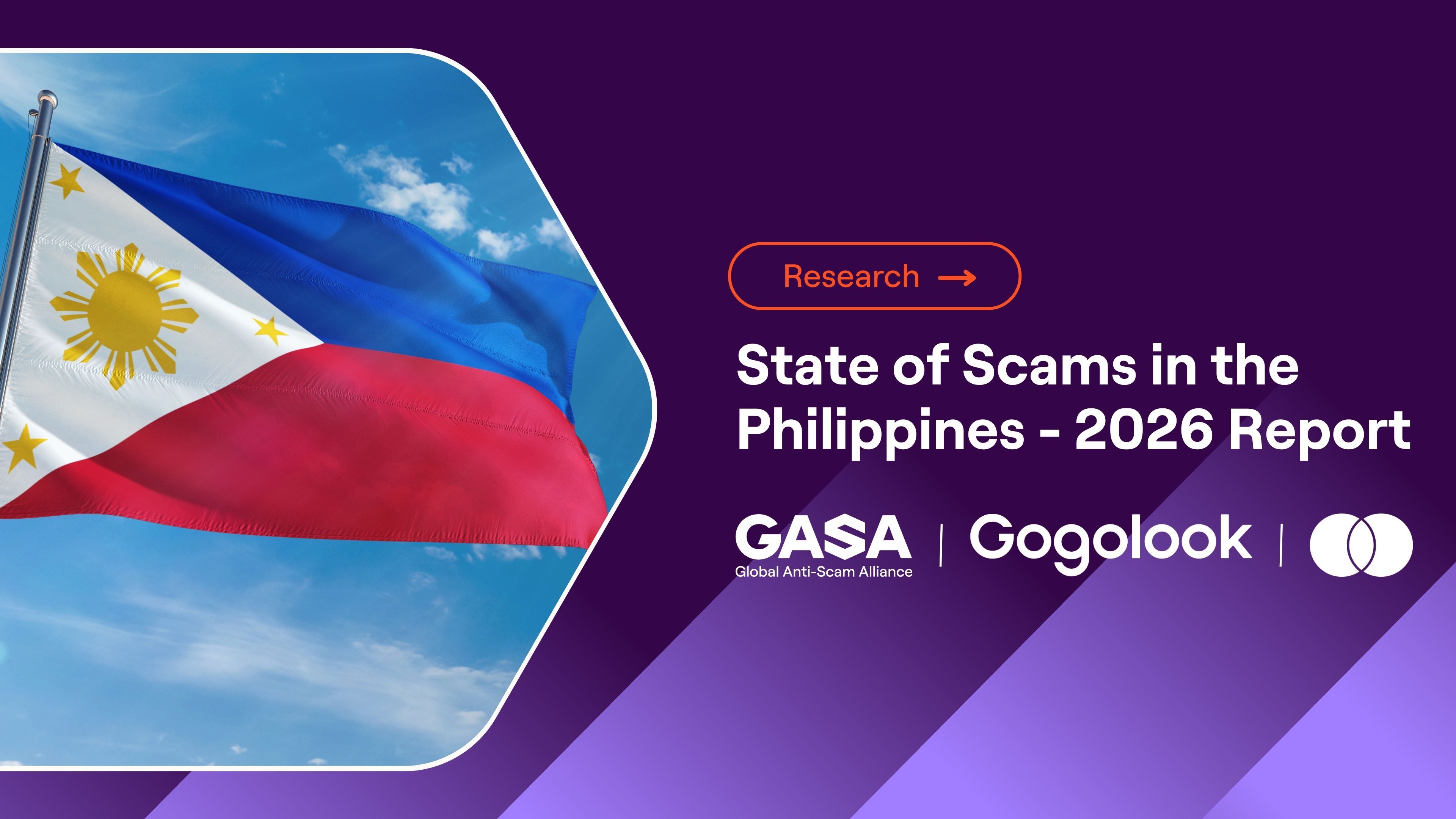
Building a More Trusted Digital Philippines: New Report Underscores the Need for Collective Action as Scam Exposure Continues to Rise
GASA’s State of Scams in the Philippines 2026 Report, in collaboration with Mastercard and Gogolook, highlights the growing scale of the scam challenge in the Philippines.
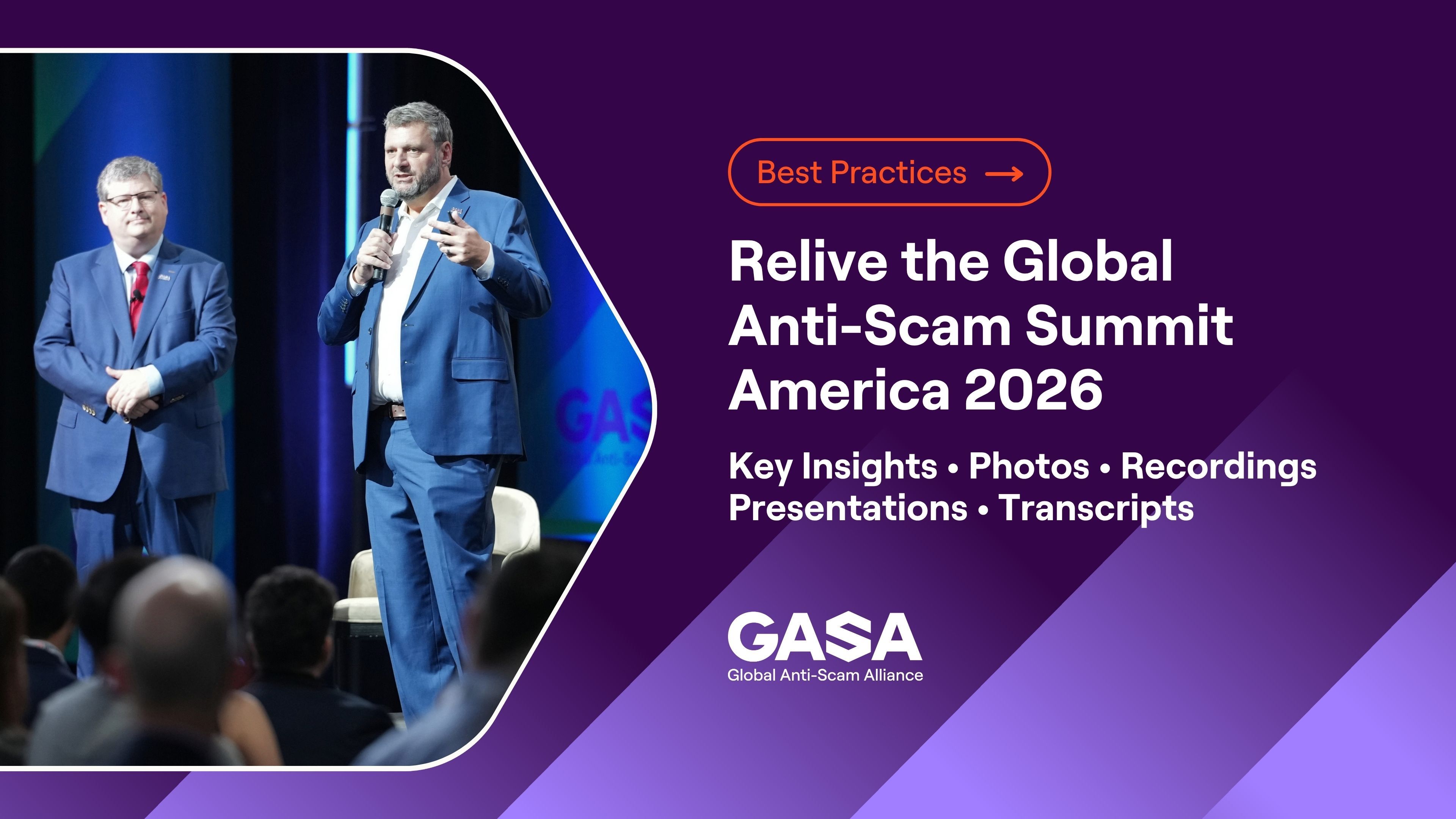
Global Anti-Scam Summit America 2026: Highlights, Insights and Resources
Explore GASS America 2026 highlights and insights, with the Summit summary, photos, presentation slides, transcripts and session recordings from San Francisco.
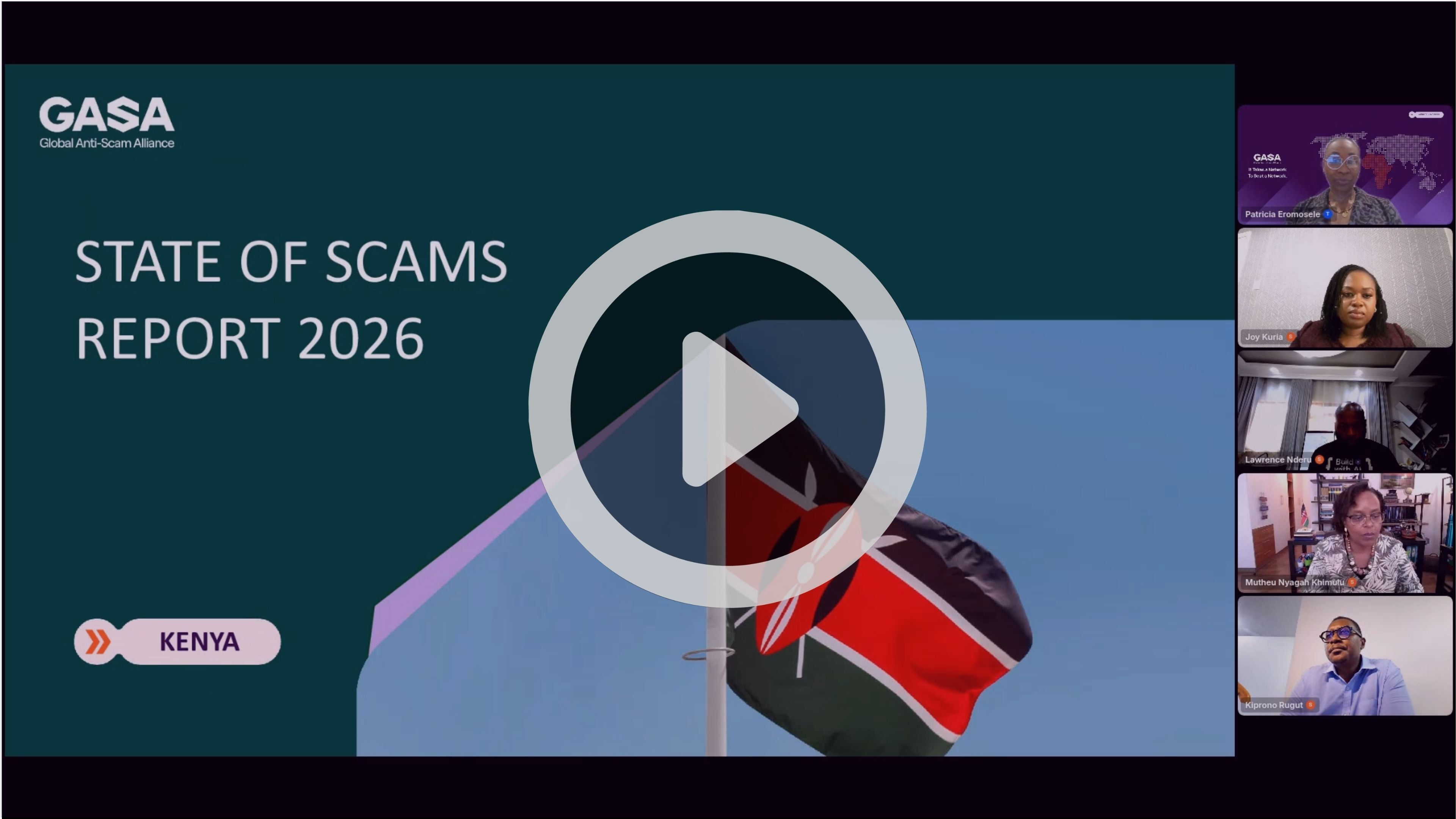
State of Scams in Kenya 2026: A Comparative Review Across Africa
Kenyan experts examine scam trends, data sharing, digital trust and the need for stronger cross-sector prevention.
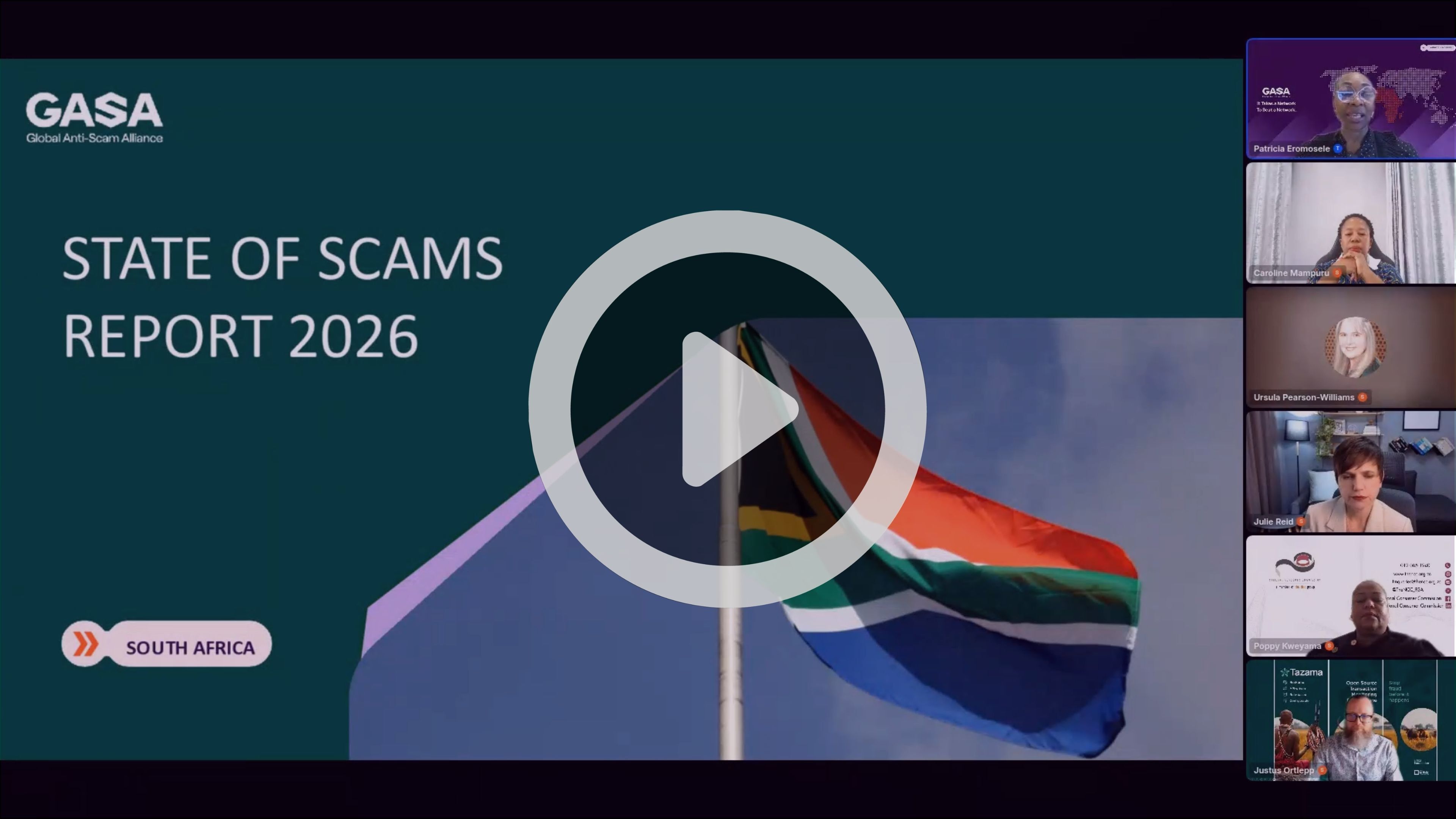
State of Scams in South Africa 2026: A Comparative Review Across Africa
South African experts examine scam trends, AI, consumer protection and the need for stronger cross-sector collaboration.
-3.jpg)
More than one in five adults in Japan encountered scams in the past year
New State of Scams Japan 2026 report examines how scams are reaching consumers and where stronger prevention and collaboration can make a difference