
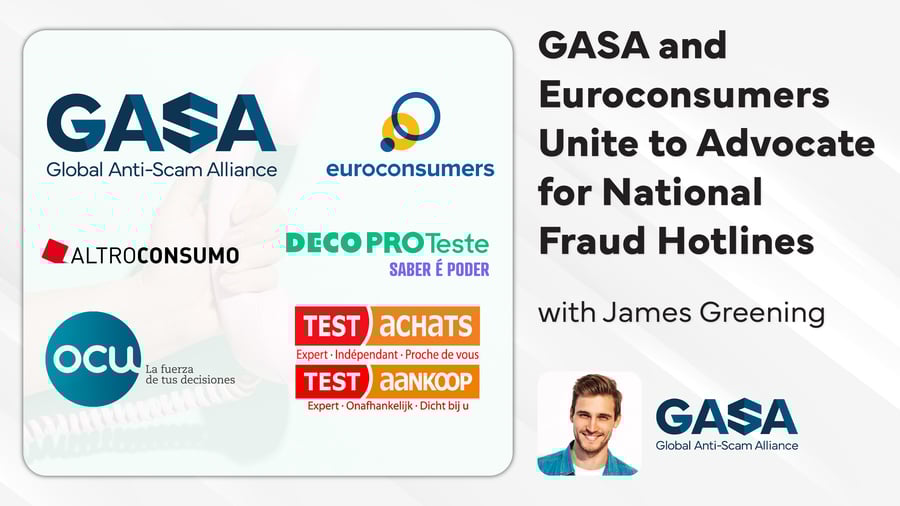
In a groundbreaking initiative, the Global Anti-Scam Alliance (GASA) and Euroconsumers ’ member organizations – Altroconsumo (Italy) , Deco Proteste (Portugal), OCU (Spain), and Testachats / Testaankoop (Belgium) – are calling on national governments to establish dedicated fraud hotlines for scam victims. This collective appeal, announced at Euroconsumers’ International Forum in Brussels on December 5, 2024, emphasizes the urgent need for centralized solutions to provide victims with the support, guidance, and resources they require after falling victim to cybercrime.
A United Front Against Scams
This collaboration between GASA and Euroconsumers’ member organizations marks a major step forward in the global fight against scams. Together, they are advocating for national fraud hotlines as a single point of contact for scam victims, streamlining the recovery process and offering critical emotional and financial support.
Els Bruggeman , Head of Policy and Enforcement at Euroconsumers , highlighted the need for a more unified approach, “Instead of sending scam victims on a lonely journey through police, banks, platforms,... in pursuit of help and redress, a single fraud hotline could at least take that burden of their shoulders. It also allows for the specialized approach scam survivors require to address the shame and emotional impact that comes with a scam.”
The Scale of the Problem: Key Findings from Euroconsumers and GASA
Insights from Euroconsumers
The findings from Euroconsumers’ “ Caught in the Web: Navigating the Digital Maze of Scams ” reveal the urgent need for better victim support systems:
92% of respondents experienced fraud or scams in the last two years, with 78% occurring in the past 12 months .
Over half of scam victims did not seek support, while only 47% felt they had access to clearly defined procedures for dealing with cybercrime.
Among those who sought help, one in four cases reported to the police were closed without follow-up, and one in five victims received no response at all.
Just 3% of scam victims managed to recover their stolen money.
These figures highlight the frustration and helplessness many victims face due to fragmented systems and insufficient enforcement.
Insights from GASA
GASA’s " Global State of Scams Report 2024 " paints a similarly troubling picture on a global scale:
Over $1 trillion stolen globally by scammers in the past year, highlighting the immense financial impact of scams.
Nearly 50% of global consumers report being targeted by scams at least once a week, with regions like Brazil, Hong Kong, and South Korea experiencing near-daily exposure.
Only 4% of global scam victims were able to fully recover their money.
These insights demonstrate the global nature of the scam epidemic and the necessity of coordinated, large-scale responses.
Coordinated Efforts to Combat Scams
GASA and Euroconsumers stress that better collaboration between stakeholders – including law enforcement, victim support networks, banks, telecom providers, and online platforms – is essential to help victims and improve the ability to track and prosecute scammers.
Jorij Abraham , Managing Director of GASA , explained, “A better coordination between stakeholders in support of scam survivors will facilitate better coordination among different stakeholders to pursue scammers and bring them to justice.”
National fraud hotlines could help restore trust in the digital ecosystem by addressing enforcement gaps and providing victims with clear and effective support systems. By simplifying the process for victims and facilitating collaboration among stakeholders, these hotlines would serve as a crucial tool in combating scams.
About GASA and Euroconsumers
The Global Anti-Scam Alliance (GASA) is an international organization committed to uniting stakeholders in the fight against scams and supporting victims worldwide.
Euroconsumers represents five national consumer organizations and over 1.5 million members across Italy, Belgium, Spain, Portugal, and Brazil, advocating for consumer rights and innovative solutions to address digital fraud.
Together, GASA and Euroconsumers are paving the way for a more victim-focused and effective approach to combating scams.
3 Ways to Prevent Cross-Border Payment Scams in Mexico
Learn three ways financial institutions can prevent cross-border payment scams in Mexico through intelligence sharing, payee transparency and real-time analysis.
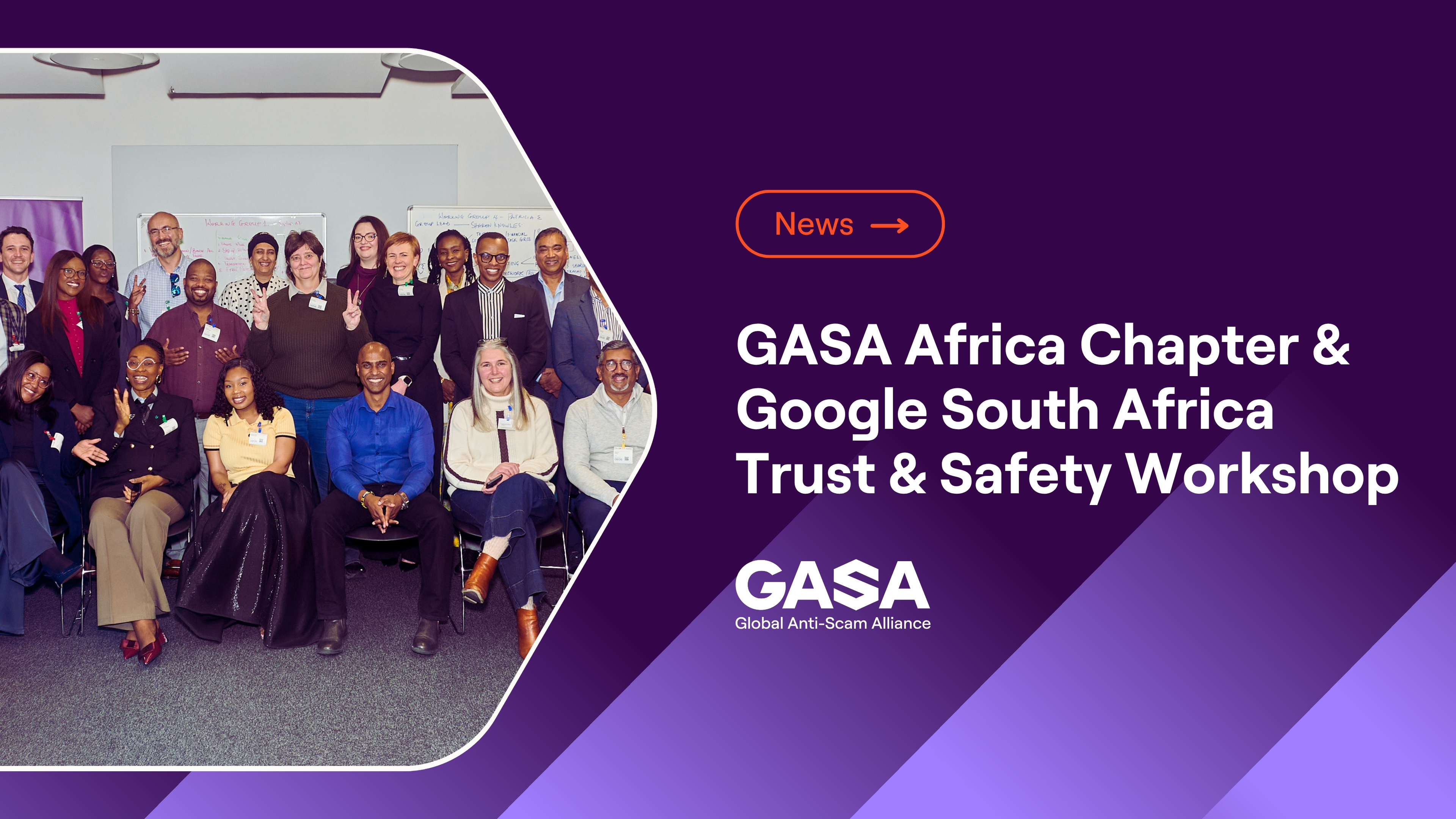
Accra Trust & Safety Workshop Turns Collaboration into Action Against Scams and Fraud in West Africa
GASA Africa Chapter and Google South Africa brought anti-fraud leaders together to strengthen cross-border cooperation and scam prevention.
State of Scams in Nigeria 2026: A Comparative Review Across Africa
Nigerian experts examine scam trends, technology, consumer protection and the need for stronger cross-sector collaboration.
Nearly three in four Danish adults encountered scams as estimated losses reach DKK 10.1 billion
New State of Scams Denmark 2026 report finds scam exposure is rising, while victims face repeated financial and emotional harm.
Building a More Trusted Digital Philippines: New Report Underscores the Need for Collective Action as Scam Exposure Continues to Rise
GASA’s State of Scams in the Philippines 2026 Report, in collaboration with Mastercard and Gogolook, highlights the growing scale of the scam challenge in the Philippines.
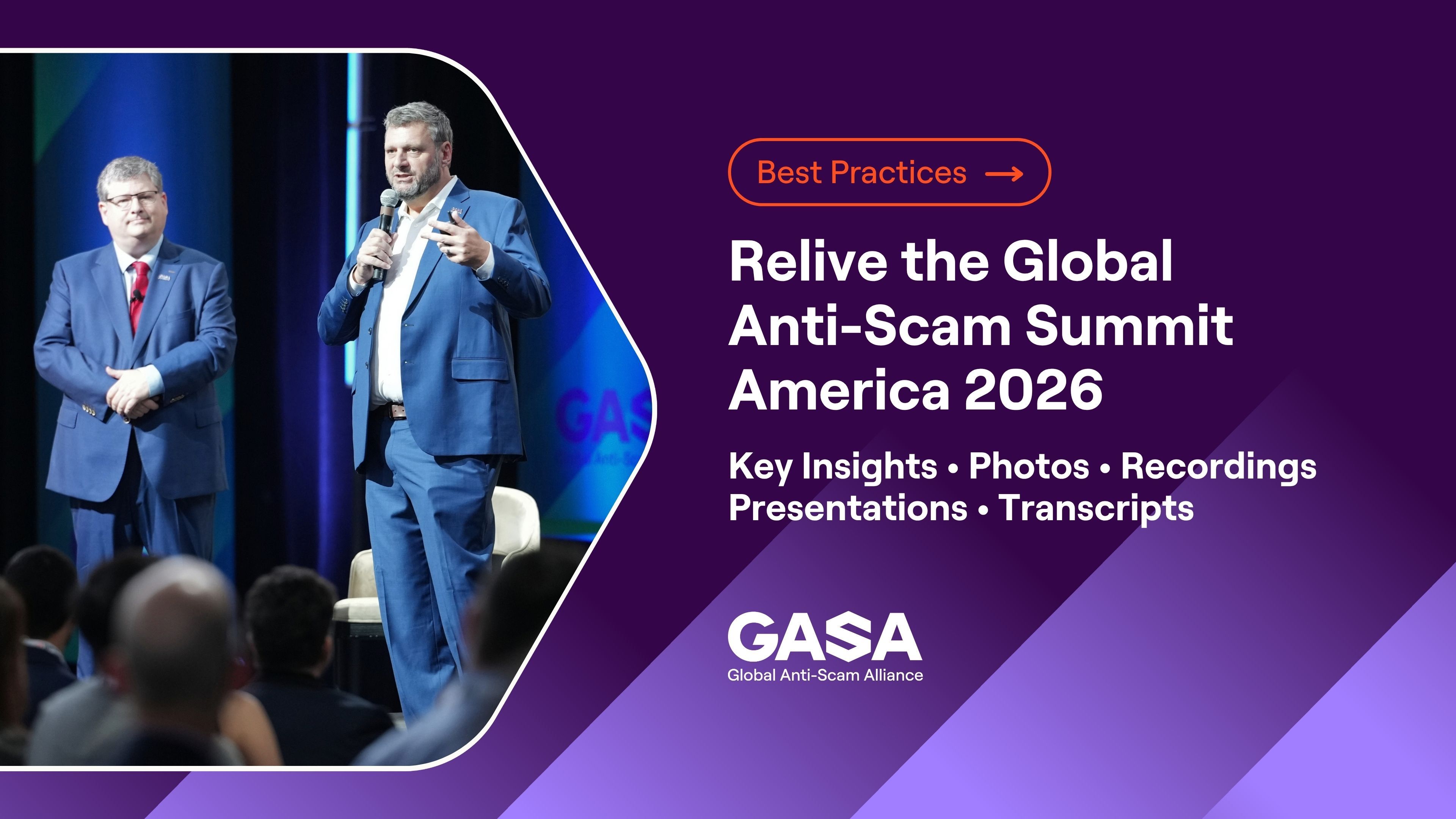
Global Anti-Scam Summit America 2026: Highlights, Insights and Resources
Explore GASS America 2026 highlights and insights, with the Summit summary, photos, presentation slides, transcripts and session recordings from San Francisco.
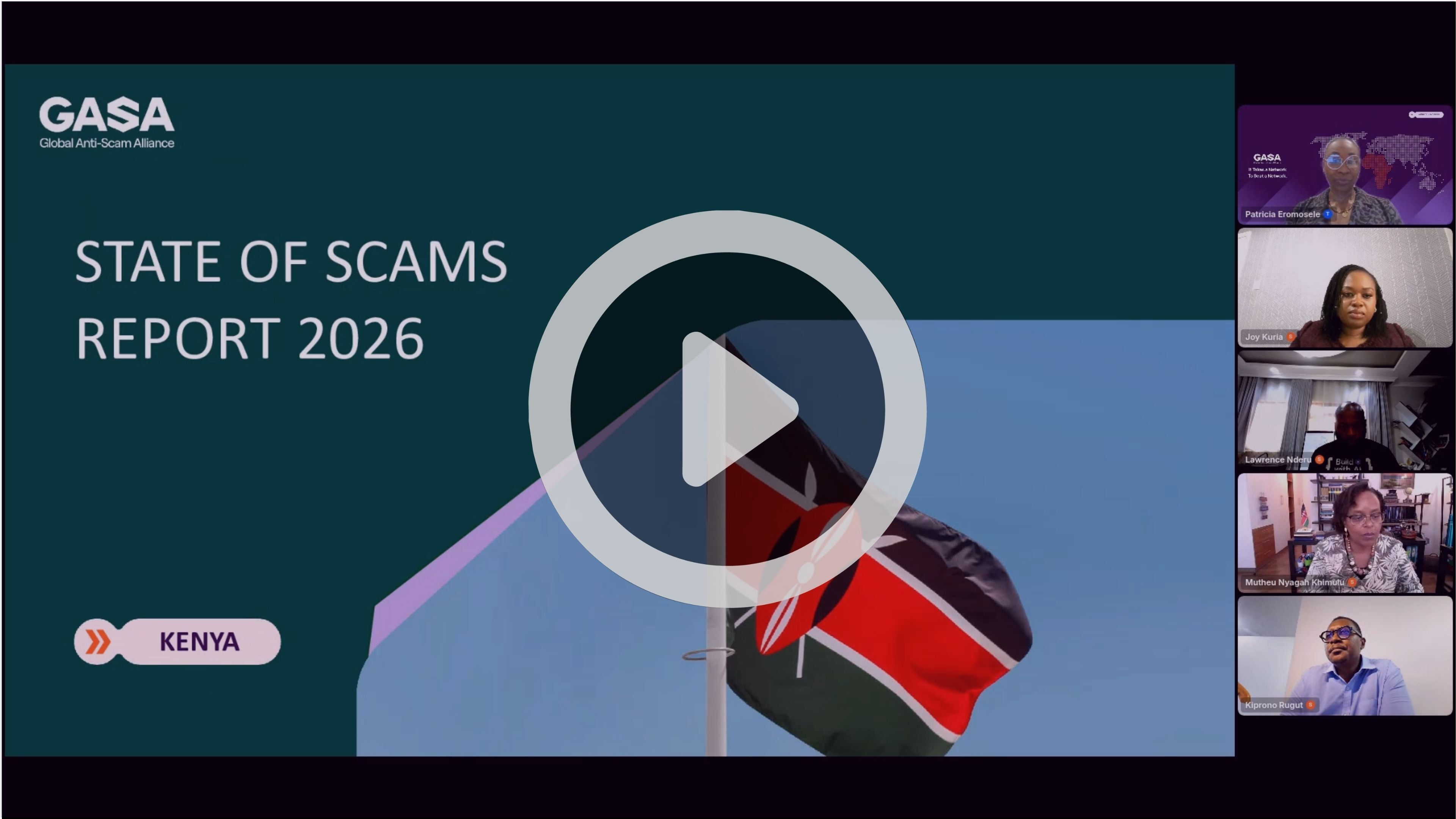
State of Scams in Kenya 2026: A Comparative Review Across Africa
Kenyan experts examine scam trends, data sharing, digital trust and the need for stronger cross-sector prevention.
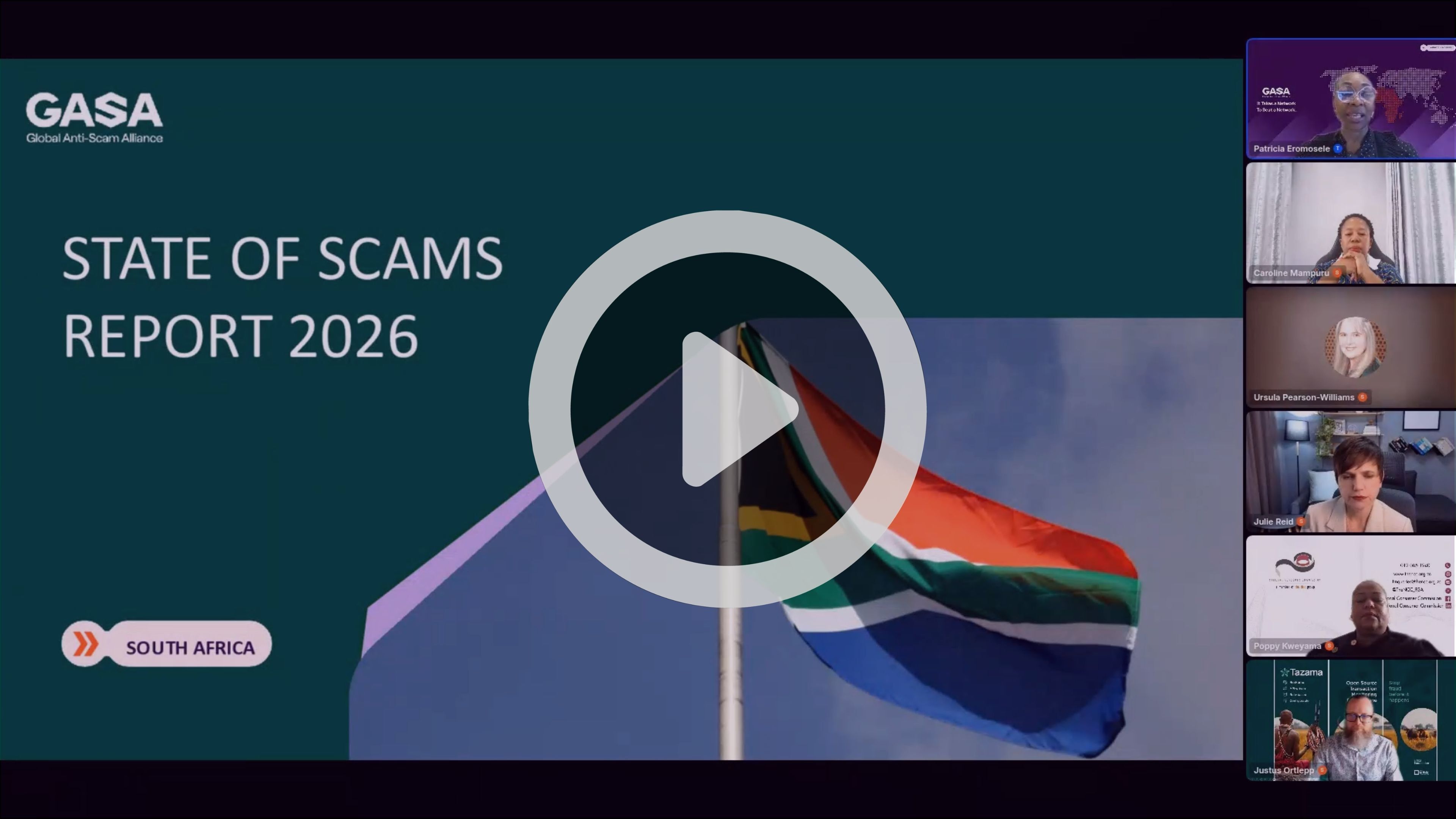
State of Scams in South Africa 2026: A Comparative Review Across Africa
South African experts examine scam trends, AI, consumer protection and the need for stronger cross-sector collaboration.