
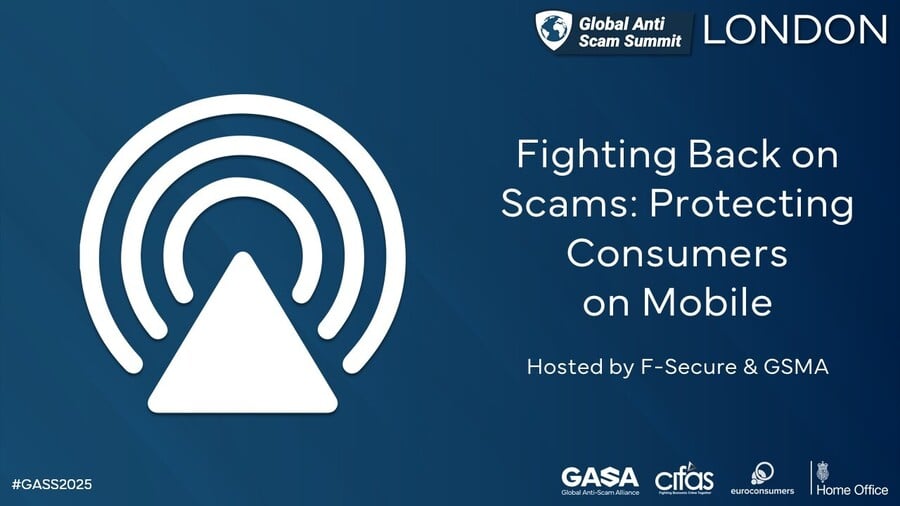
Date of Event: 26–27 March 2025
Event: Global Anti-Scam Summit London 2025
In this focused workshop hosted by F-Secure and GSMA, four organisations at the forefront of scam prevention shared their latest mobile-led efforts to protect consumers.
Olli Bliss, Business Development Manager at F-Secure, introduced the session with an overview of the scam landscape and why traditional consumer security measures are no longer sufficient. He described how F-Secure is helping telcos and banks shift their defences earlier in the attack cycle—"left on the kill chain"—to stop scams before they even reach the end user. Through SDKs, AI-powered filtering, and shopping protection, F-Secure is offering embedded solutions that block scam messages and fake websites at scale.
James Harwood from Virgin Media O2 shared the story behind Daisy, an AI-powered virtual granny who ties up scam callers to educate the public. Harwood also highlighted Virgin Media O2’s Call Defense system, which labels suspicious calls. In just three months, it flagged over 150 million calls, leading to a significant drop in consumer response rates.
Brian Webb, Consumer Security Lead at BT, detailed how BT responded to the scam crisis by building a cross-channel, company-wide strategy. This includes blocking spoofed international calls, enhancing SMS protections, and partnering with UK banks and aggregators to create trusted communication channels. BT has also shared valuable threat intelligence across industries to tackle evolving scam tactics.
Richard Cockle of GSMA closed the session with a global perspective, discussing the Open Gateway initiative to create standardised telecom APIs that support fraud prevention. Already in use across multiple markets, the platform enables telcos to collaborate with banks in real-time using common signals like call verification and SIM swap detection.
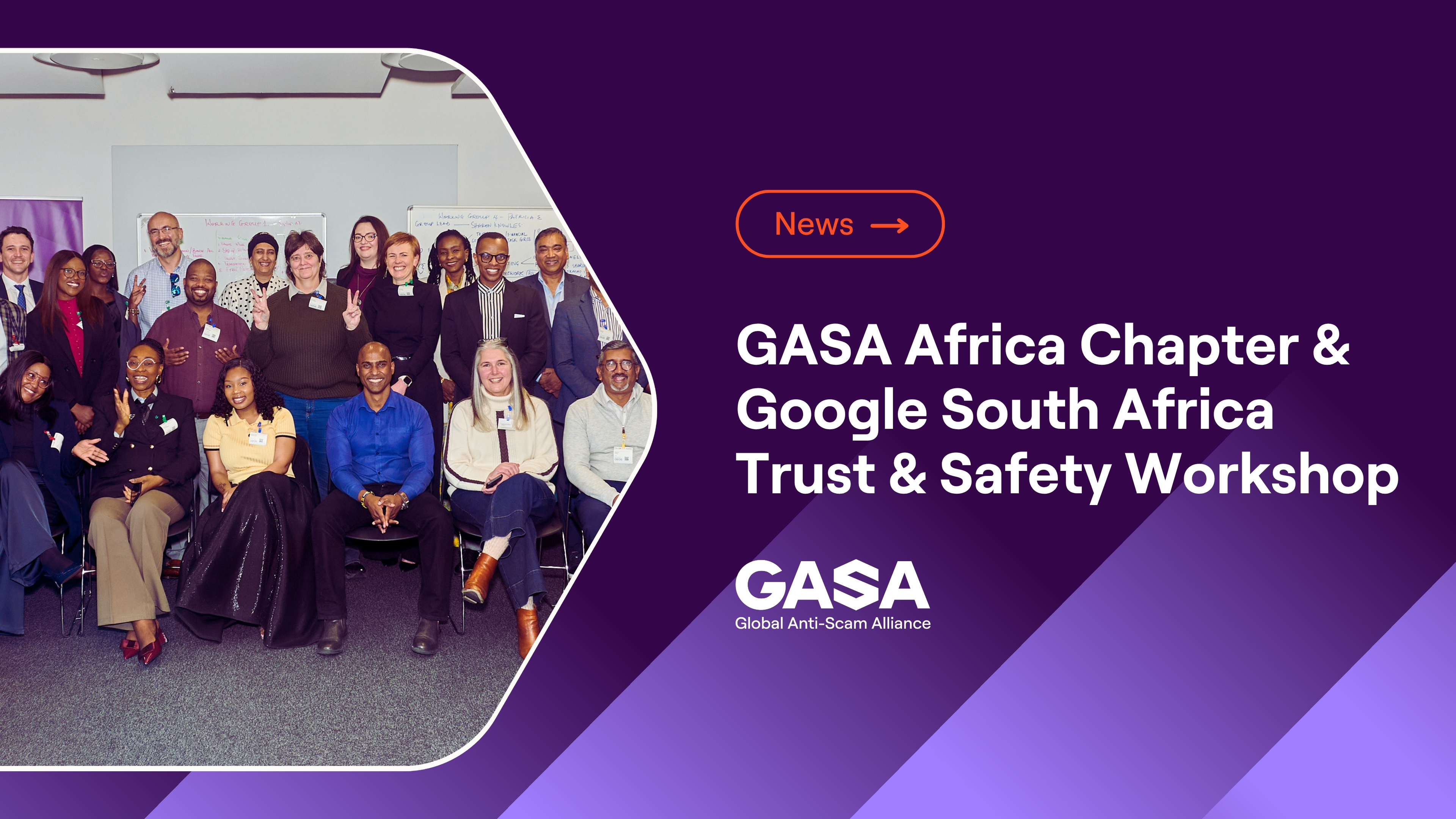
Accra Trust & Safety Workshop Turns Collaboration into Action Against Scams and Fraud in West Africa
GASA Africa Chapter and Google South Africa brought anti-fraud leaders together to strengthen cross-border cooperation and scam prevention.
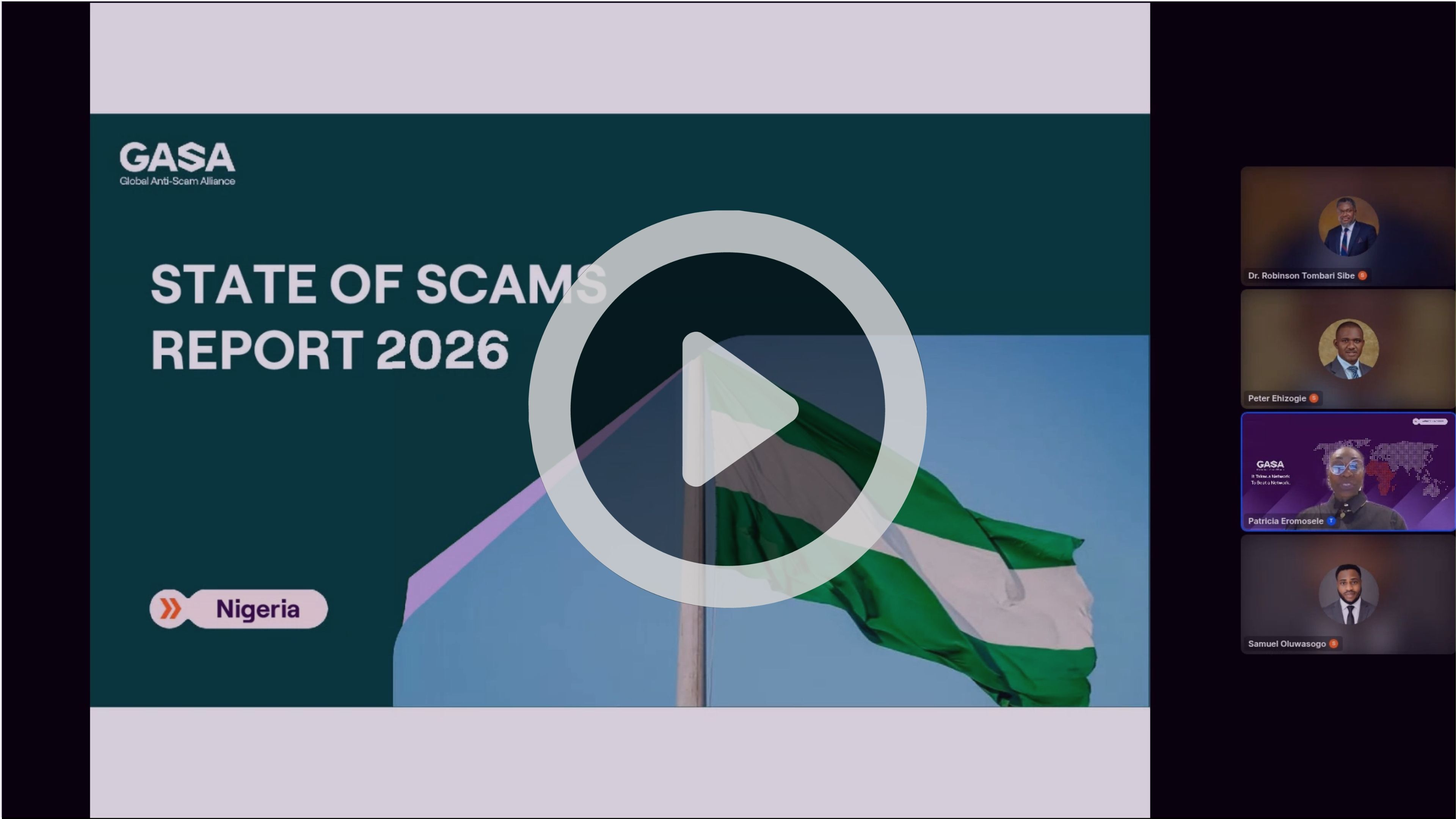
State of Scams in Nigeria 2026: A Comparative Review Across Africa
Nigerian experts examine scam trends, technology, consumer protection and the need for stronger cross-sector collaboration.
Nearly three in four Danish adults encountered scams as estimated losses reach DKK 10.1 billion
New State of Scams Denmark 2026 report finds scam exposure is rising, while victims face repeated financial and emotional harm.
Building a More Trusted Digital Philippines: New Report Underscores the Need for Collective Action as Scam Exposure Continues to Rise
GASA’s State of Scams in the Philippines 2026 Report, in collaboration with Mastercard and Gogolook, highlights the growing scale of the scam challenge in the Philippines.
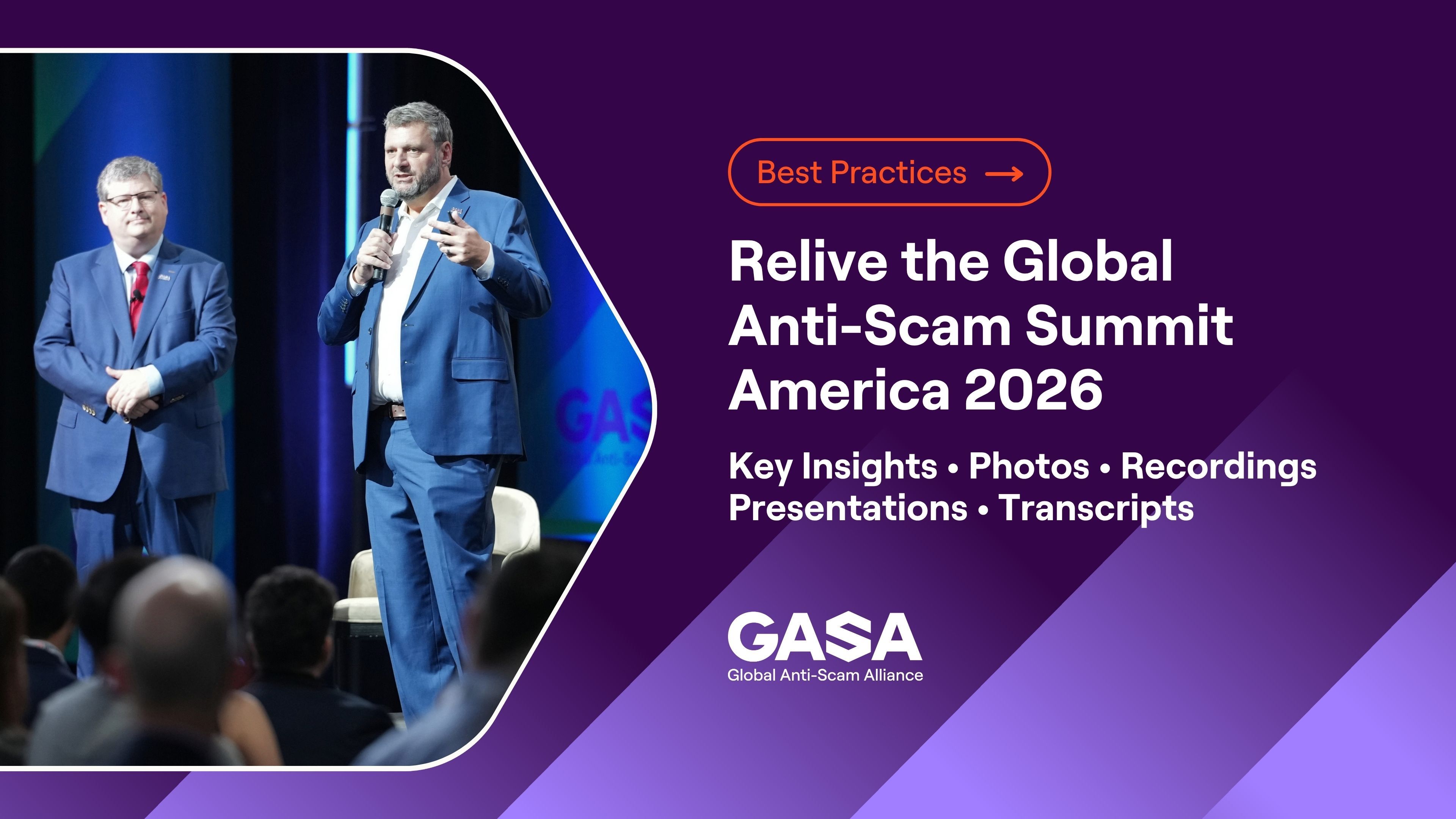
Global Anti-Scam Summit America 2026: Highlights, Insights and Resources
Explore GASS America 2026 highlights and insights, with the Summit summary, photos, presentation slides, transcripts and session recordings from San Francisco.
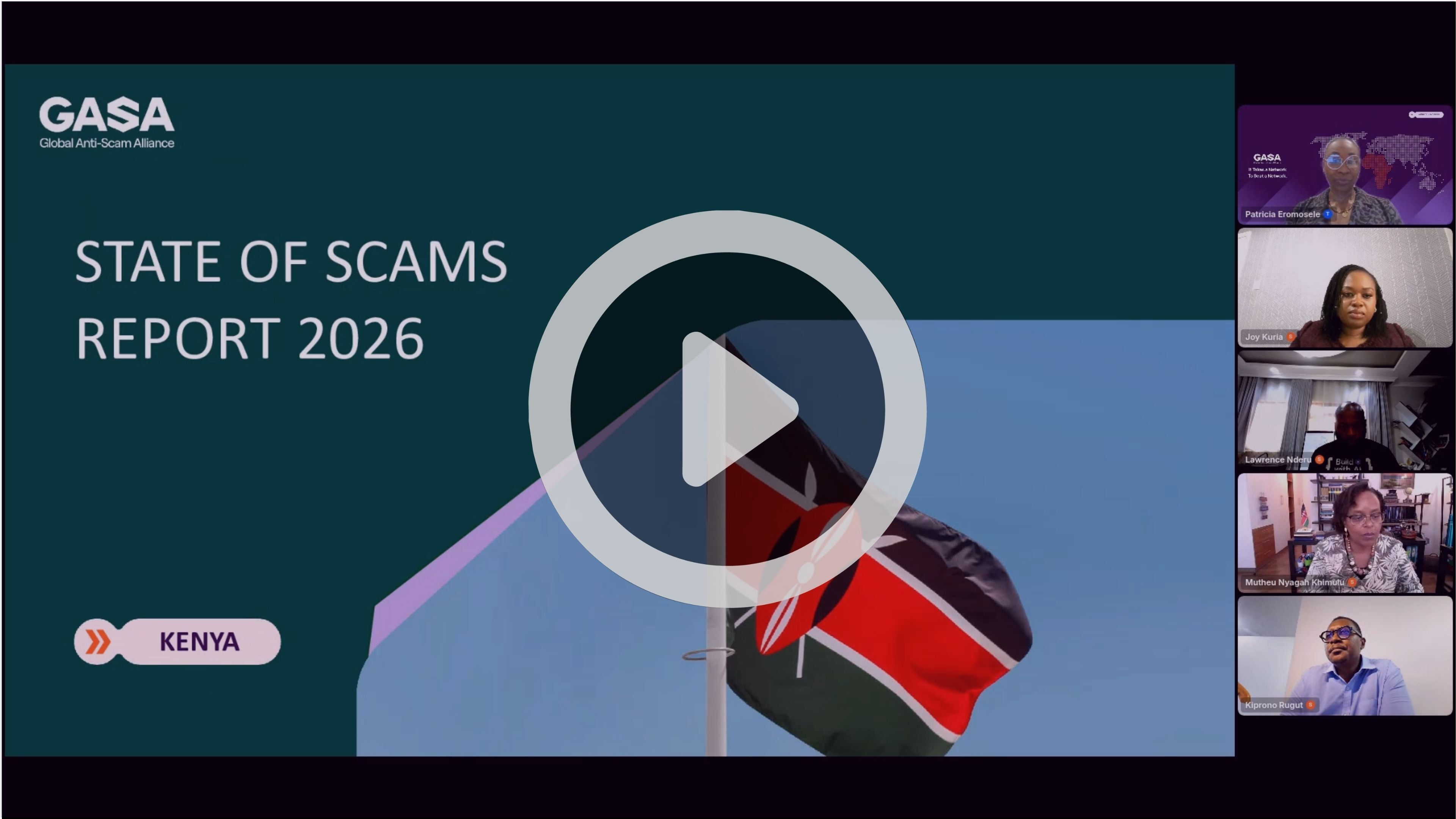
State of Scams in Kenya 2026: A Comparative Review Across Africa
Kenyan experts examine scam trends, data sharing, digital trust and the need for stronger cross-sector prevention.
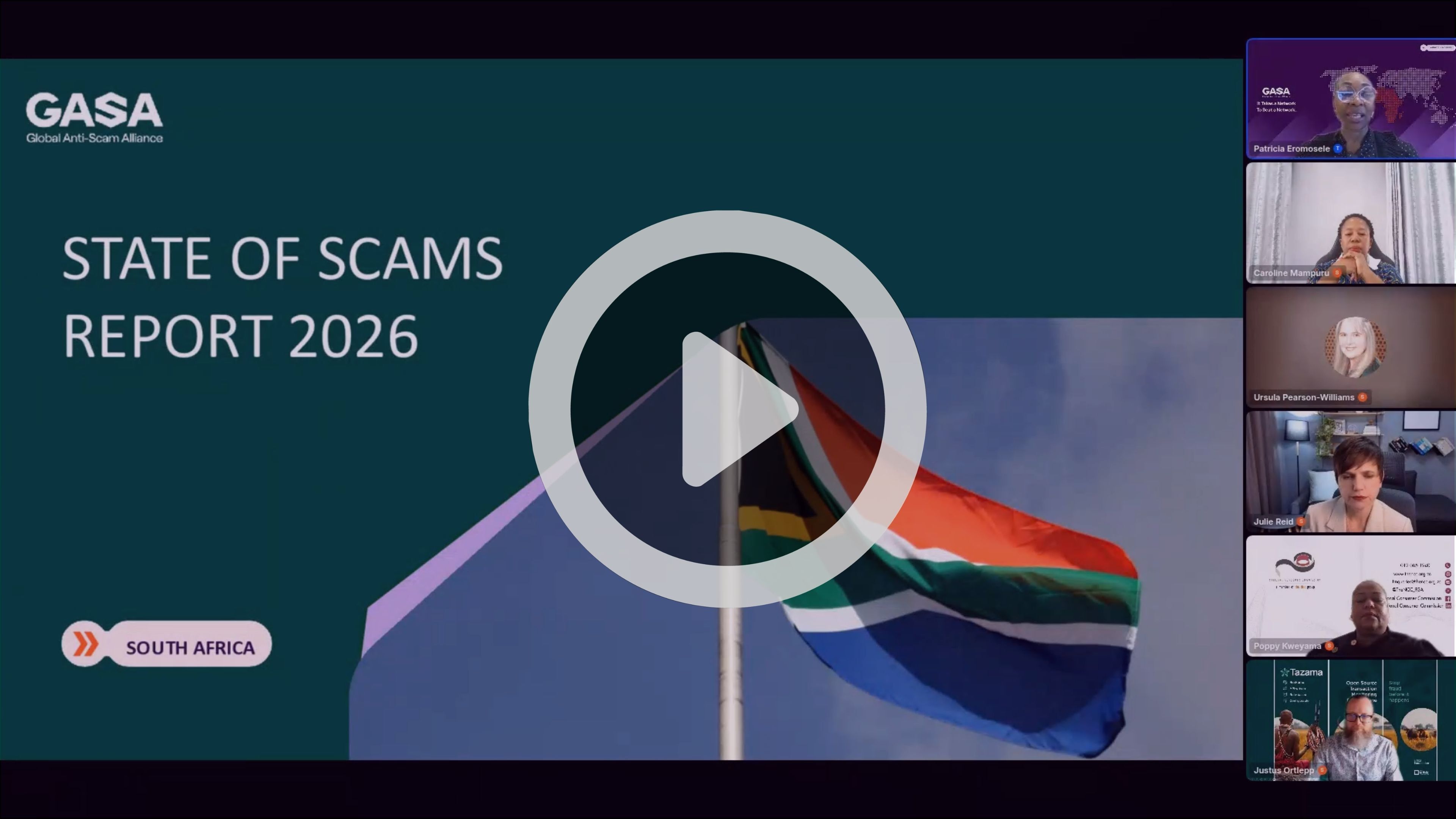
State of Scams in South Africa 2026: A Comparative Review Across Africa
South African experts examine scam trends, AI, consumer protection and the need for stronger cross-sector collaboration.
-3.jpg)
More than one in five adults in Japan encountered scams in the past year
New State of Scams Japan 2026 report examines how scams are reaching consumers and where stronger prevention and collaboration can make a difference