
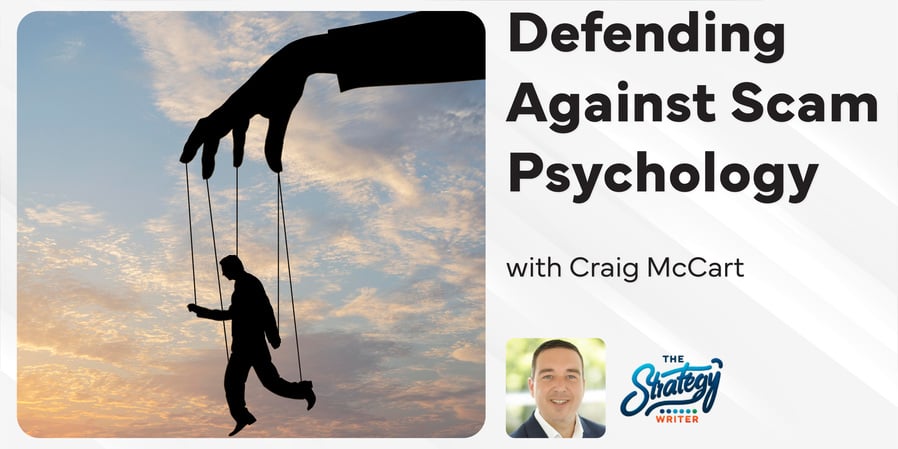
Scam activities have surged globally, impacting not just the United States but individuals worldwide. According to GASA's State of Scams in the United States of America Report - 2023 , scams in the U.S. alone have led to a staggering financial loss of $159 billion over the last 12 months, affecting 23% of Americans. This monumental figure highlights the financial drain on individuals and emphasizes the emotional toll and stress caused by these deceptive practices.
Despite advancements in technology offering new layers of protection, scammers continue to refine their methods, exploiting digital platforms to reach their victims. With a significant portion of scams propagated through emails and phone calls, the necessity for heightened awareness and preventive measures has never been more critical.
The psychology behind scams
At the core of most scams lies emotional manipulation. Scammers exploit feelings of fear, greed, urgency, and even love, clouding judgment and prompting rash actions. They often pose as authoritative figures or trusted institutions, manipulating our inherent trust in these entities.
Additionally, they exploit the principle of social proof, wherein individuals rely on the actions of others to make decisions in uncertain situations, creating a false aura of legitimacy around their schemes.
Did you know?
A staggering 88% of all data breaches stem from human error , highlighting the undeniable importance of human vigilance and the need for continuous awareness training to combat phishing and other cyber threats. A Stanford University report underscores that despite advancements in cybersecurity technology, the human element remains the most vulnerable link, illustrating the critical need for ongoing education about cybersecurity threats.
Furthermore, there has been a noticeable shift in phishing strategies. Attackers increasingly use domains perceived as trustworthy to enhance the credibility of their malicious links. This approach dramatically amplifies the likelihood of individuals trusting and engaging with these hazardous links, demonstrating the sophistication of modern phishing tactics.
Top scams of 2023
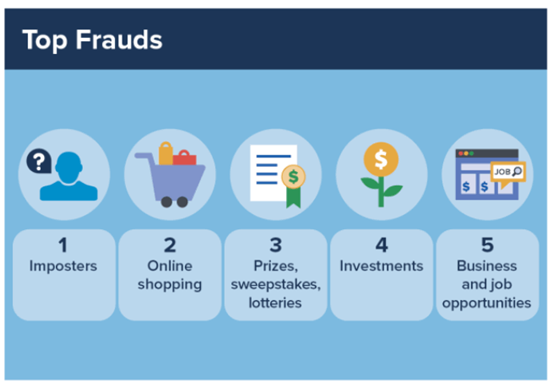
The past year saw a diverse array of scams , with the top contenders being cryptocurrency scams, online shopping frauds, employment scams, romance scams, and COVID-19-related deceptions. Each targets specific psychological triggers, exploiting the human allure of easy money, the desperation for employment, or the search for companionship during tough times.
The evolution and impact of scams
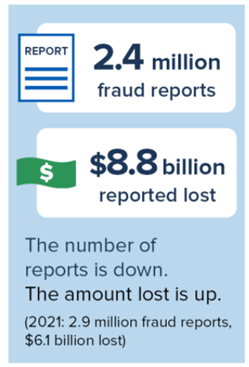
Scams have sophisticatedly evolved, leveraging technology to exploit psychological vulnerabilities. The Federal Trade Commission (FTC) reports that scam losses in the United States originating from social media platforms have reached $2.7 billion since 2021. Investment scams, often spread through these platforms, have been incredibly damaging, leading to significant financial losses. This trend underscores the importance of grasping the unique challenges of the digital landscape.
Common scam tactics and their psychological triggers
Phishing Attacks: These often come as urgent emails or messages from banks or other reputable organizations, creating a false sense of urgency or fear. The aim is to provoke hasty actions, leading to the disclosure of sensitive information.
Lottery and Advance Fee Frauds: The promise of quick wealth is the bait, exploiting greed and the dream of financial freedom.
Romance Scams: Leveraging loneliness and the desire for companionship, scammers craft fake online personas, forming relationships they later exploit for financial gain.
Real-life example: WhatsApp scam victims
A notable instance involves WhatsApp fraud, where scammers, posing as acquaintances, request money transfers to unfamiliar accounts, often invoking urgency with fabricated stories. One victim lost significantly to a scammer masquerading as his son desperately needed financial help. Thankfully, by promptly contacting his bank, the victim managed to reverse the transfer and retrieve his funds.
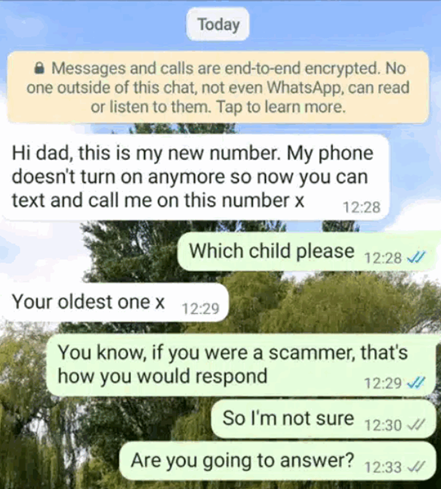
Source: @Suchisoundlover via X (Twitter) .
Strategies to recognize and resist psychological manipulation
Awareness and Education: Knowledge is a formidable defense. Grasping the common tactics used by scammers is the initial step toward self-protection. Continually educating oneself and others about emerging scam trends can strengthen defenses.
Critical Thinking and Pause: Always take a moment to evaluate the situation critically. If an offer sounds too good to be true, it likely is. Scammers count on their victims, not pausing to question the legitimacy of a request.
Verification and Double-Checking: Independently verify the authenticity of any dubious requests or offers. Reach out directly to the supposed source through official channels, avoiding the contact details provided in the suspicious communication.

FAQs
What are the most common types of scams in 2023?
Cryptocurrency, online shopping, employment, romance, and COVID-19-related scams are among the most prevalent, targeting specific vulnerabilities and desires.
How can individuals protect themselves from scams?
By staying informed about common scams, practicing skepticism, verifying information through official channels, and utilizing security features like two-factor authentication, individuals can significantly enhance their protection against scams.
For those looking to deepen their understanding and bolster their defenses, engaging with content, quizzes, and real-life stories shared on platforms like the FTC's website can provide invaluable insights and tools in the ongoing battle against scams.
Conclusion
Awareness and education are paramount in the fight against scams. Recognizing the psychological manipulation tactics used by scammers and understanding who is most at risk can empower individuals to protect themselves and their loved ones from becoming victims.
About the Author: Craig McCart, The Strategy Writer
Craig McCart is a Freelance Copywriter with a distinct knack for turning the complexity of the tech and cybersecurity world into clarity. Residing in Windsor, UK, Craig has dedicated his career to partnering with tech brands that are eager to challenge the status quo. His approach is rooted in a deep understanding of the challenges and opportunities within the tech sector.
You can find out more about Craig McCart on his website, here .

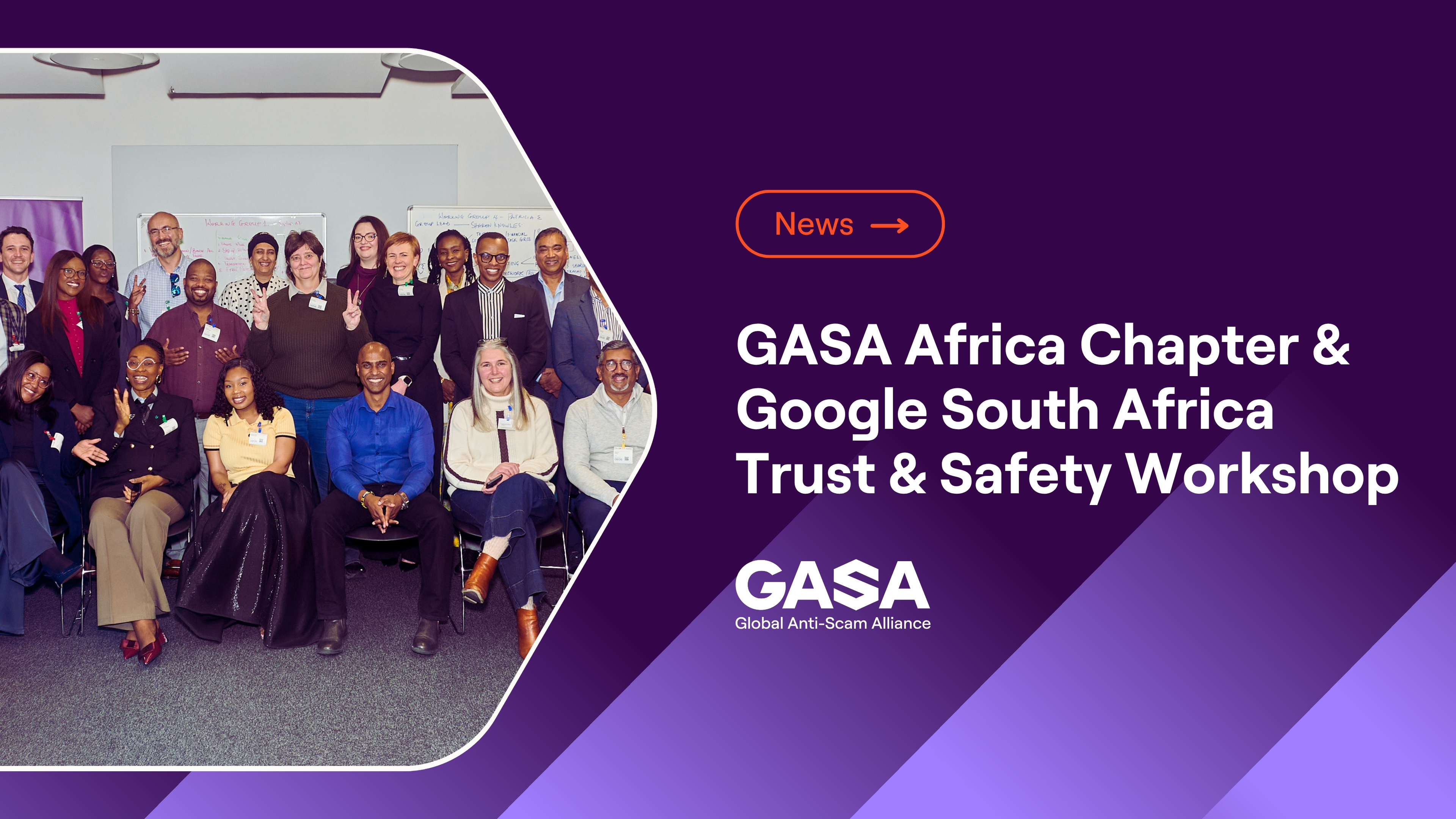
Accra Trust & Safety Workshop Turns Collaboration into Action Against Scams and Fraud in West Africa
GASA Africa Chapter and Google South Africa brought anti-fraud leaders together to strengthen cross-border cooperation and scam prevention.
State of Scams in Nigeria 2026: A Comparative Review Across Africa
Nigerian experts examine scam trends, technology, consumer protection and the need for stronger cross-sector collaboration.
Nearly three in four Danish adults encountered scams as estimated losses reach DKK 10.1 billion
New State of Scams Denmark 2026 report finds scam exposure is rising, while victims face repeated financial and emotional harm.

Building a More Trusted Digital Philippines: New Report Underscores the Need for Collective Action as Scam Exposure Continues to Rise
GASA’s State of Scams in the Philippines 2026 Report, in collaboration with Mastercard and Gogolook, highlights the growing scale of the scam challenge in the Philippines.
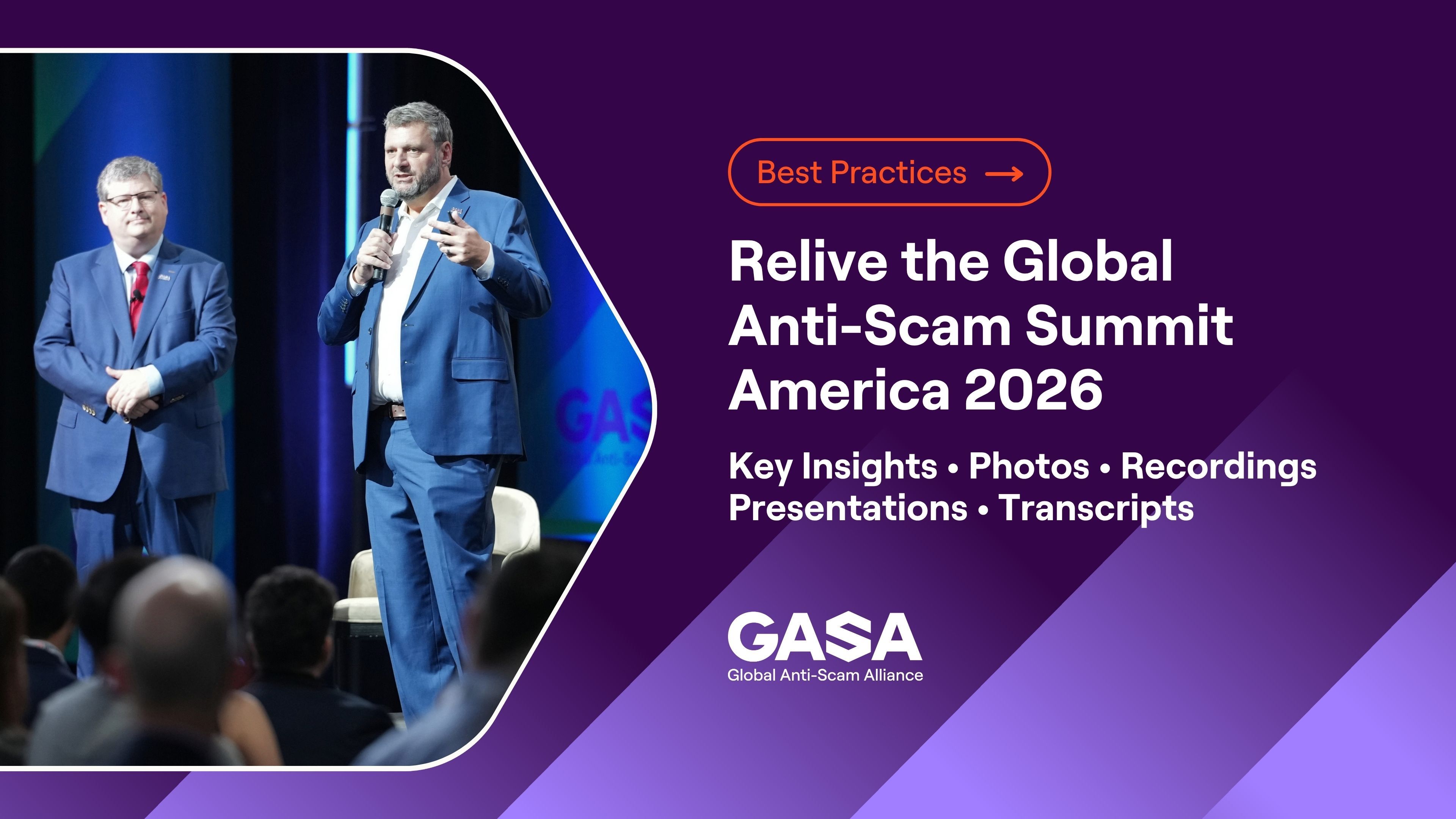
Global Anti-Scam Summit America 2026: Highlights, Insights and Resources
Explore GASS America 2026 highlights and insights, with the Summit summary, photos, presentation slides, transcripts and session recordings from San Francisco.
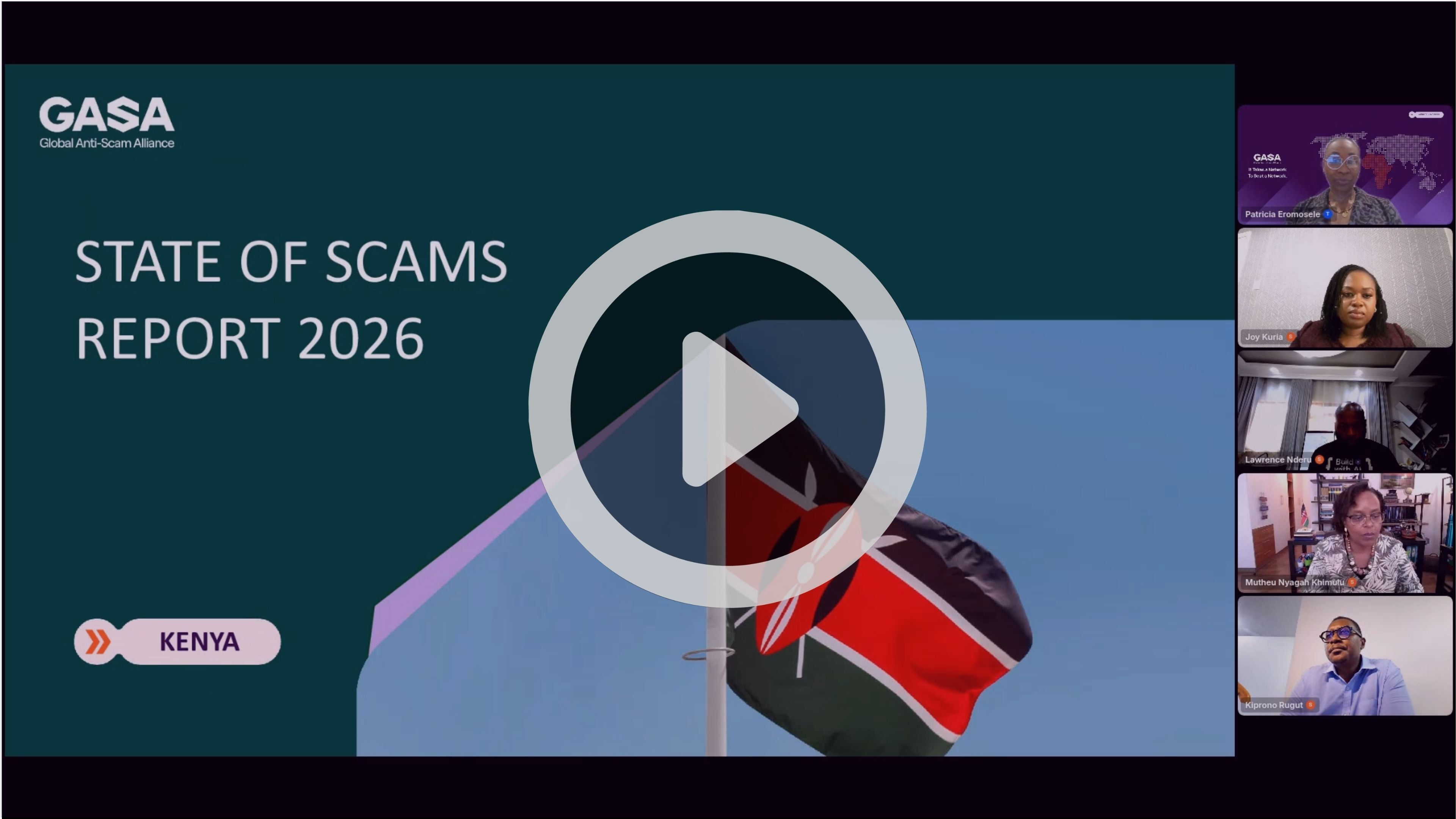
State of Scams in Kenya 2026: A Comparative Review Across Africa
Kenyan experts examine scam trends, data sharing, digital trust and the need for stronger cross-sector prevention.
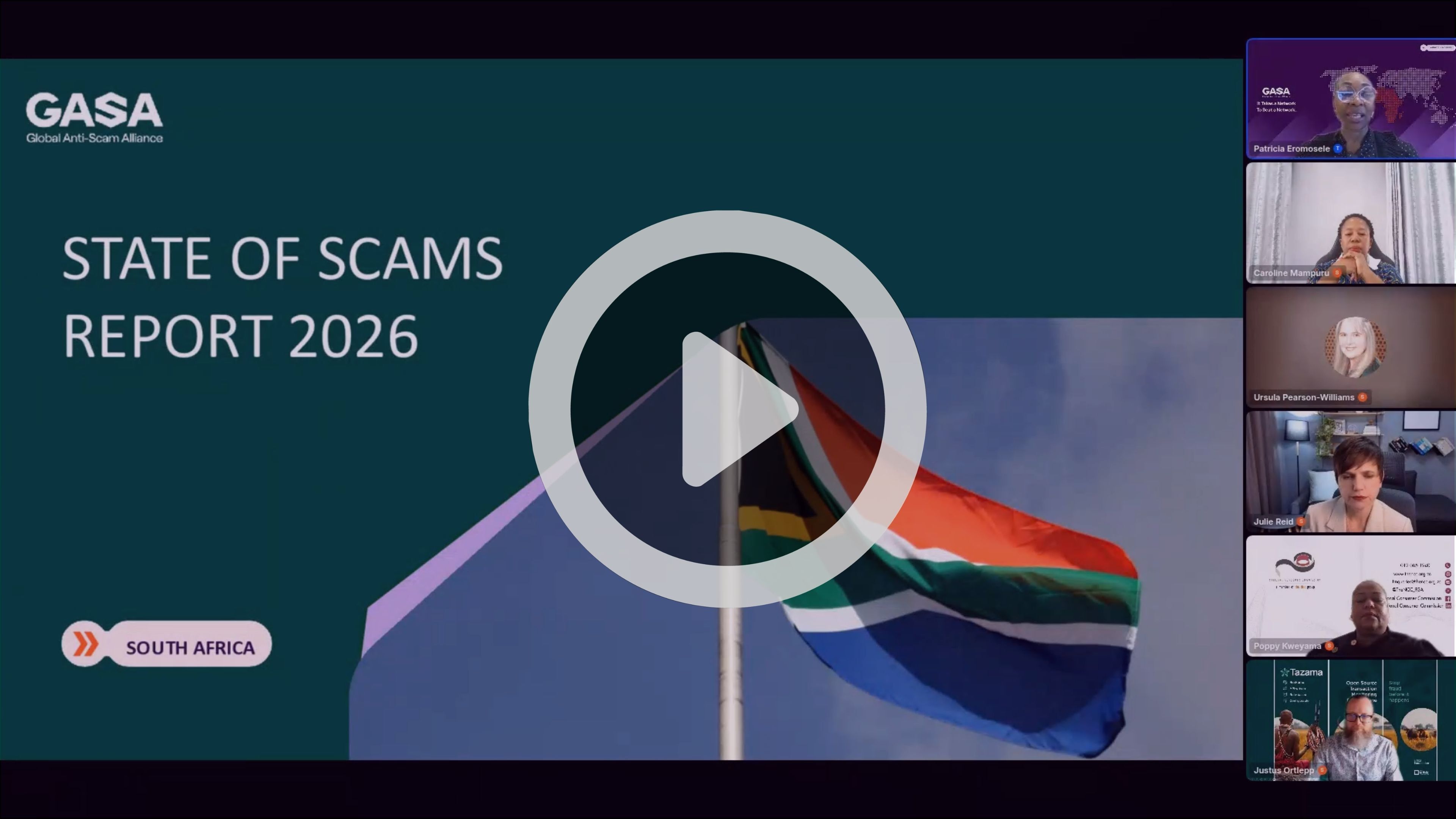
State of Scams in South Africa 2026: A Comparative Review Across Africa
South African experts examine scam trends, AI, consumer protection and the need for stronger cross-sector collaboration.
-3.jpg)
More than one in five adults in Japan encountered scams in the past year
New State of Scams Japan 2026 report examines how scams are reaching consumers and where stronger prevention and collaboration can make a difference