
Family Crisis: Children Increasingly Targeted
The research uncovers a disturbing trend affecting Malaysian families, with 21% of parents reporting their children aged 7-17 have been scammed. This finding highlights how scam networks are expanding their targeting beyond adults to exploit younger, more vulnerable populations, creating a multi-generational crisis that demands immediate attention from policymakers and educators.
Mental Health Emergency Hidden in Plain Sight
Beyond financial losses, the study reveals a significant mental health crisis brewing beneath Malaysia's scam epidemic. 62% of scam victims experienced stress, while 47% reported the scam had a significant or moderate impact on their mental wellbeing. The psychological toll extends to families, with 15% reporting heightened tension and stress within family units, and 14% being forced to take on additional debt or loans as a direct result of being scammed.
Digital Platforms Create Perfect Storm for Deception
The research identifies a critical vulnerability in Malaysia's digital ecosystem: WeChat, TikTok, and Instagram emerge as the platforms where Malaysians take the longest to recognize scams. While 89% of people realize they're being scammed within a day, certain platforms create environments where deception can persist longer, with WeChat showing particularly concerning patterns where 20% of users took longer than a day to recognize fraudulent activity.
Payment Recovery Remains Elusive Despite High Reporting
Despite Malaysians' proactive approach to reporting scams, with 64% reporting incidents to payment services, recovery rates remain disappointingly low. Only 13% of victims were able to recover at least part of their money, highlighting significant gaps in the financial system's ability to protect consumers and recover stolen funds. Wire transfers (55%) and digital wallets (22%) remain the preferred methods for scammers to extract money from victims.
Prevention Paradox: High Confidence, High Victimization
The study reveals a troubling paradox in Malaysian consumer behavior. While 74% of adults express confidence in their ability to recognize scams, and 94% actively take steps to verify offers, Malaysia still experiences extremely high victimization rates. This suggests that traditional prevention education may be insufficient against increasingly sophisticated scam techniques.
Demographic Vulnerabilities Exposed
The research identifies specific demographic vulnerabilities that require targeted intervention. Gen X adults and those with mid-level education show the lowest confidence in scam recognition, while Millennials and highly educated individuals paradoxically experience higher victimization rates. This counterintuitive finding suggests that confidence and education alone are insufficient protection against modern scam techniques.
Consumer Expectations vs. Reality Gap
Malaysian consumers have clear expectations about institutional responsibility, with the highest performance ratings given to consumer protection authorities across all aspects of scam prevention and resolution. However, there's a significant gap between public expectations of government leadership in scam prevention and the perceived effectiveness of government response.
Click here to access GASA’s complete The State of Scams in Malaysia 2025 report


Accra Trust & Safety Workshop Turns Collaboration into Action Against Scams and Fraud in West Africa
GASA Africa Chapter and Google South Africa brought anti-fraud leaders together to strengthen cross-border cooperation and scam prevention.
State of Scams in Nigeria 2026: A Comparative Review Across Africa
Nigerian experts examine scam trends, technology, consumer protection and the need for stronger cross-sector collaboration.
Nearly three in four Danish adults encountered scams as estimated losses reach DKK 10.1 billion
New State of Scams Denmark 2026 report finds scam exposure is rising, while victims face repeated financial and emotional harm.
Building a More Trusted Digital Philippines: New Report Underscores the Need for Collective Action as Scam Exposure Continues to Rise
GASA’s State of Scams in the Philippines 2026 Report, in collaboration with Mastercard and Gogolook, highlights the growing scale of the scam challenge in the Philippines.
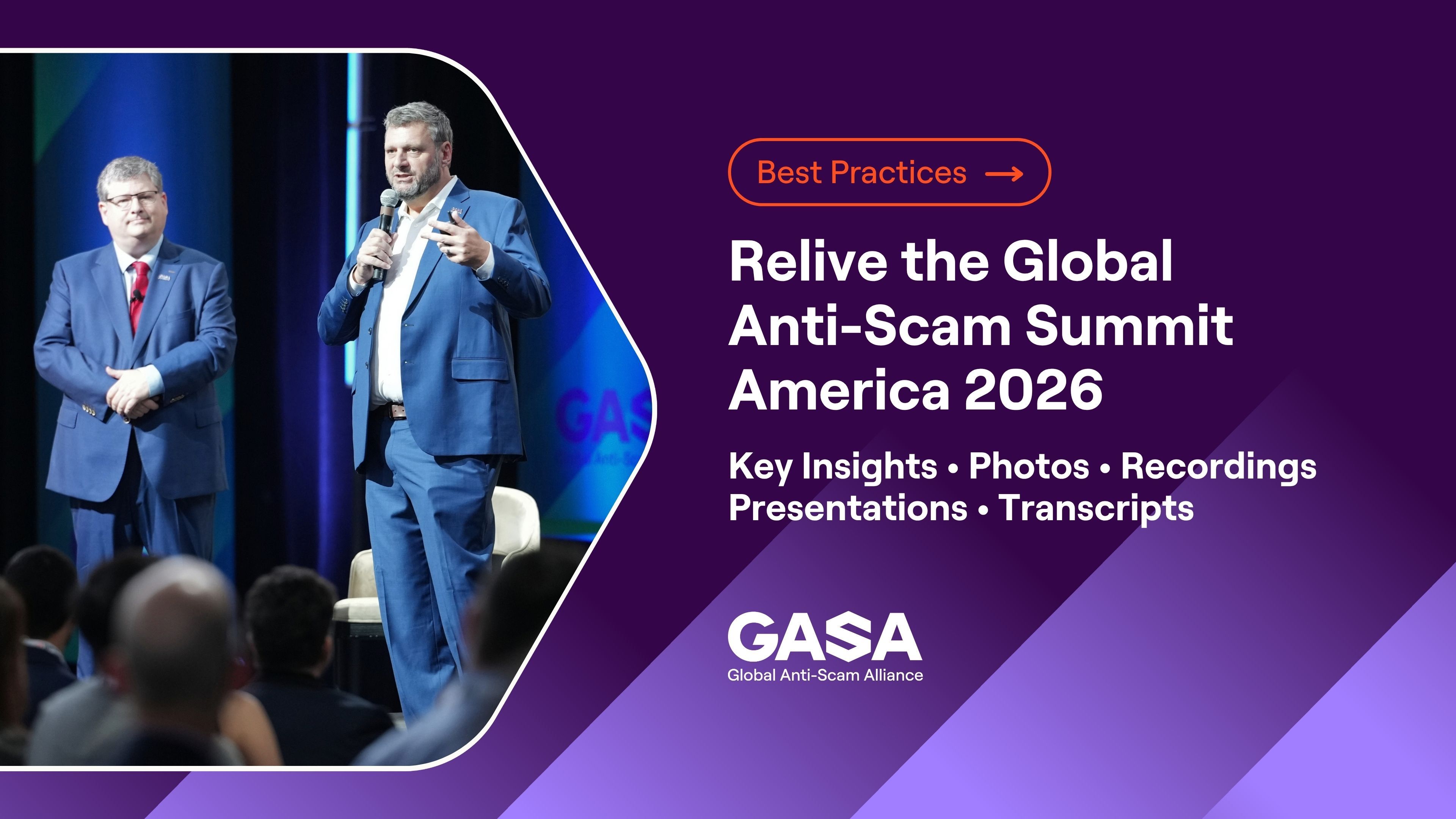
Global Anti-Scam Summit America 2026: Highlights, Insights and Resources
Explore GASS America 2026 highlights and insights, with the Summit summary, photos, presentation slides, transcripts and session recordings from San Francisco.
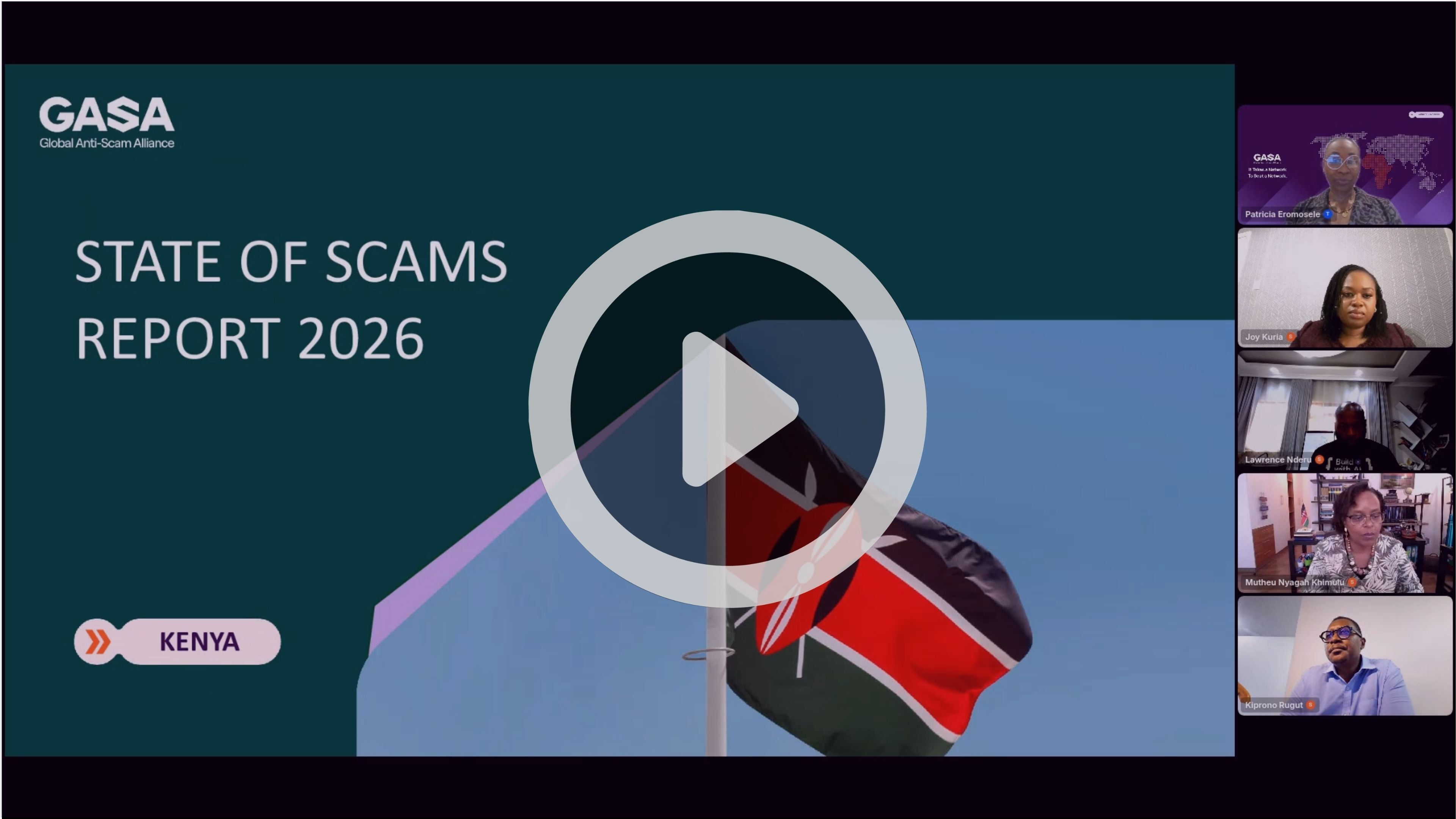
State of Scams in Kenya 2026: A Comparative Review Across Africa
Kenyan experts examine scam trends, data sharing, digital trust and the need for stronger cross-sector prevention.
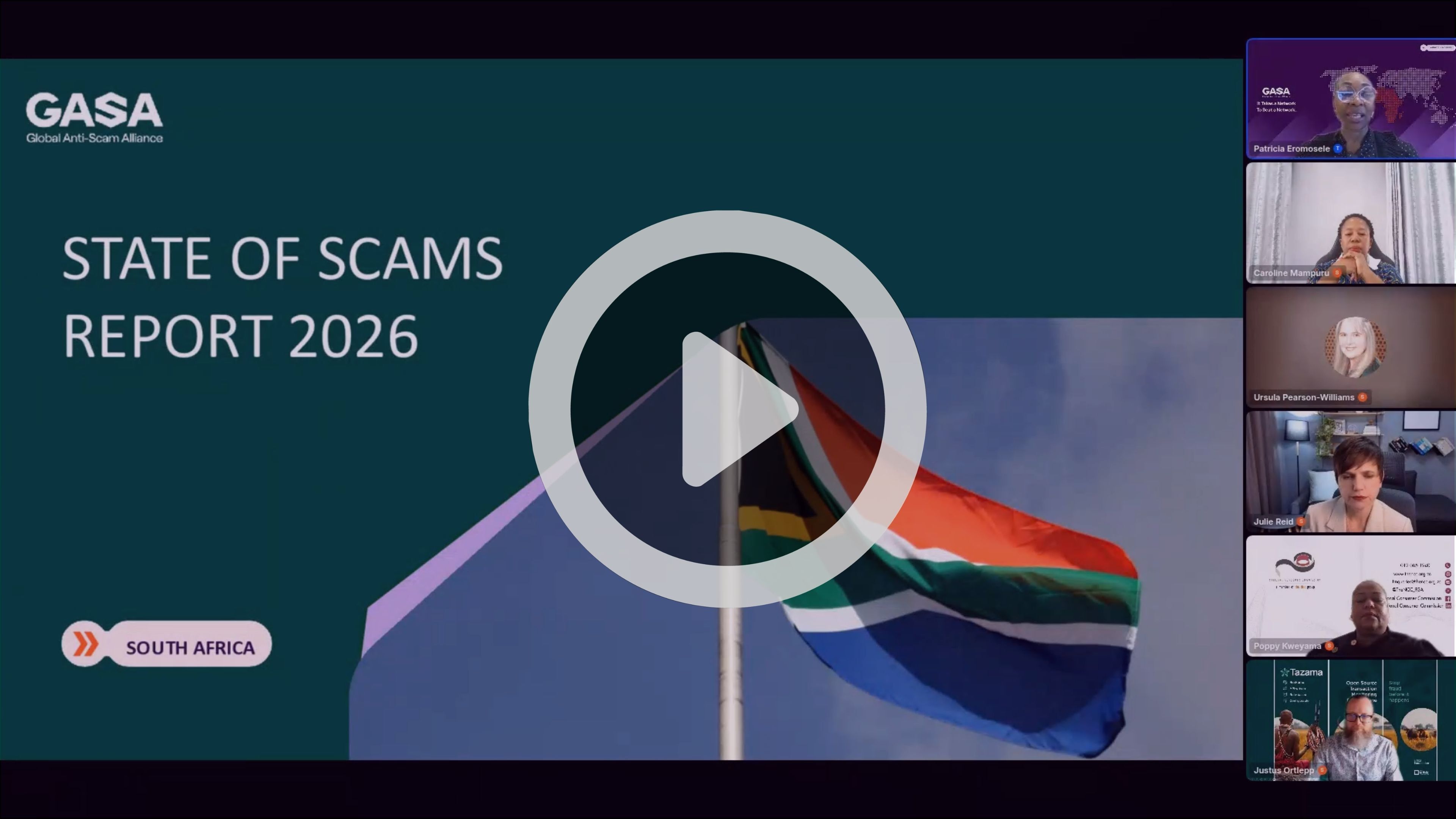
State of Scams in South Africa 2026: A Comparative Review Across Africa
South African experts examine scam trends, AI, consumer protection and the need for stronger cross-sector collaboration.
-3.jpg)
More than one in five adults in Japan encountered scams in the past year
New State of Scams Japan 2026 report examines how scams are reaching consumers and where stronger prevention and collaboration can make a difference