
Date of Event: 26–27 March 2025
Event: Global Anti-Scam Summit London 2025
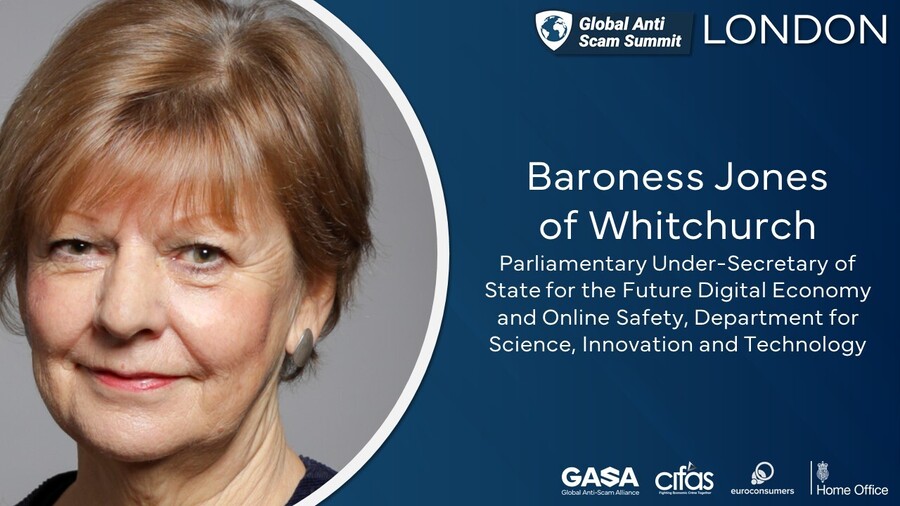
In her closing address for Day 1 of the Global Anti-Scam Summit London 2025, Baroness Jones of Whitchurch, Parliamentary Under-Secretary of State for the Future Digital Economy and Online Safety at the UK Department for Science, Innovation and Technology, delivered a powerful message on the government’s fraud prevention agenda.
The minister began by sharing the story of a 17-year-old scam victim who was first targeted on Roblox at age 11—emphasising that online scams are a threat to people of all ages and must be addressed with urgency.
Reaffirming fraud as a top priority for the UK government, she spoke about the expanded national fraud strategy, the Online Safety Act, and the new obligations placed on platforms to tackle illegal content. From this summer, sites accessed by children will face additional duties, and by next year, major platforms will be expected to address fraudulent adverts more proactively. She also noted that Ofcom's new duties to enforce platform accountability had recently come into force.
Baroness Jones also highlighted the dual nature of emerging technologies—as both a threat and a solution—and called for continued innovation, citing the deepfake detection challenge and the UK’s close work with telecoms on proactive scam blocking as examples of successful public-private collaboration.
She underscored the need for cross-border data sharing, highlighting the importance of initiatives like the Global Signal Exchange to connect intelligence sources and expose scam supply chains.
She closed with a call to action: “It cannot be the norm for our citizens to be preyed on by scammers as they go about their lives. We cannot—we will not—let them get away with it.”
Watch the full message below to hear the UK government’s commitment to protecting consumers and fostering international collaboration.
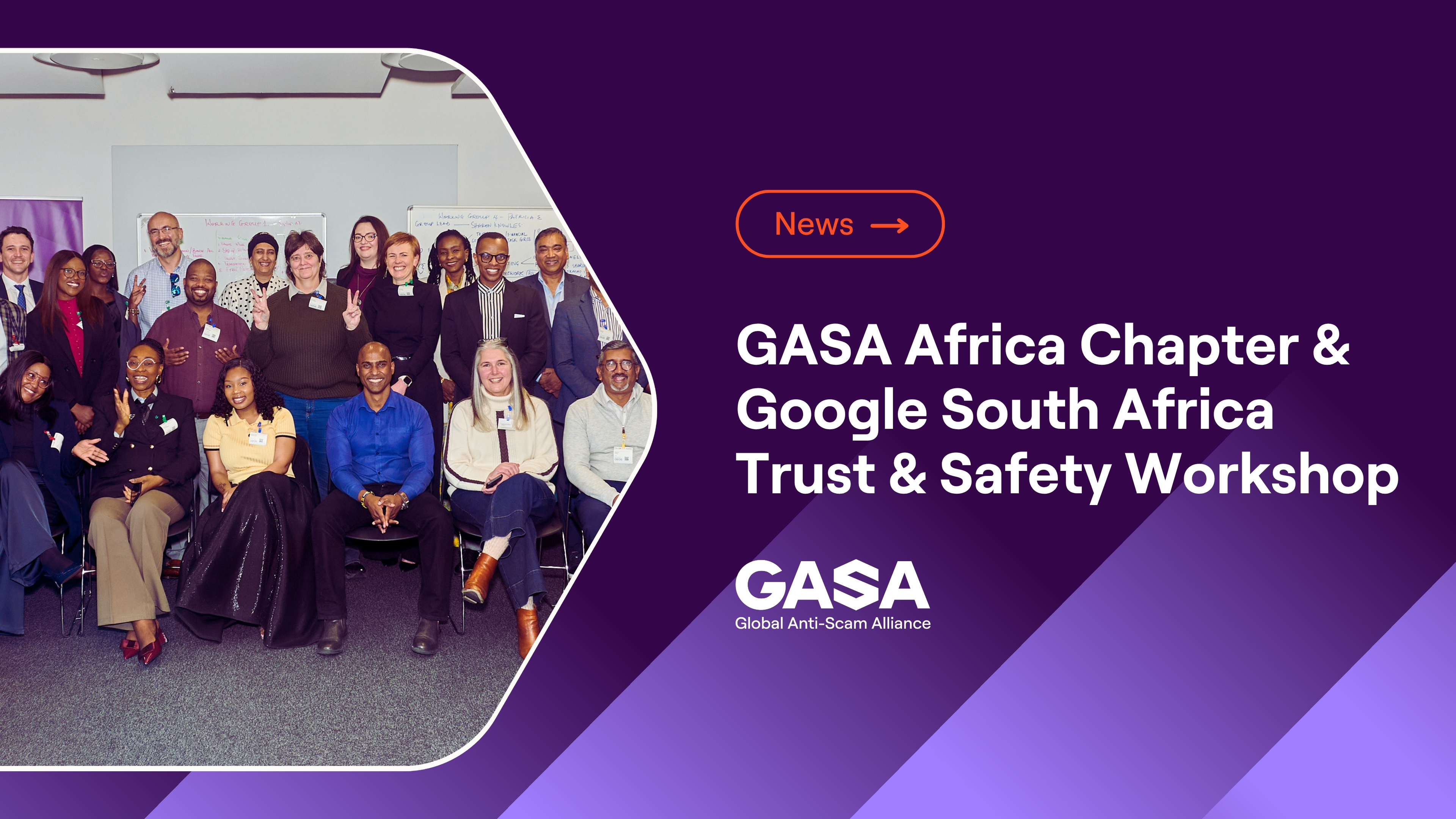
Accra Trust & Safety Workshop Turns Collaboration into Action Against Scams and Fraud in West Africa
GASA Africa Chapter and Google South Africa brought anti-fraud leaders together to strengthen cross-border cooperation and scam prevention.
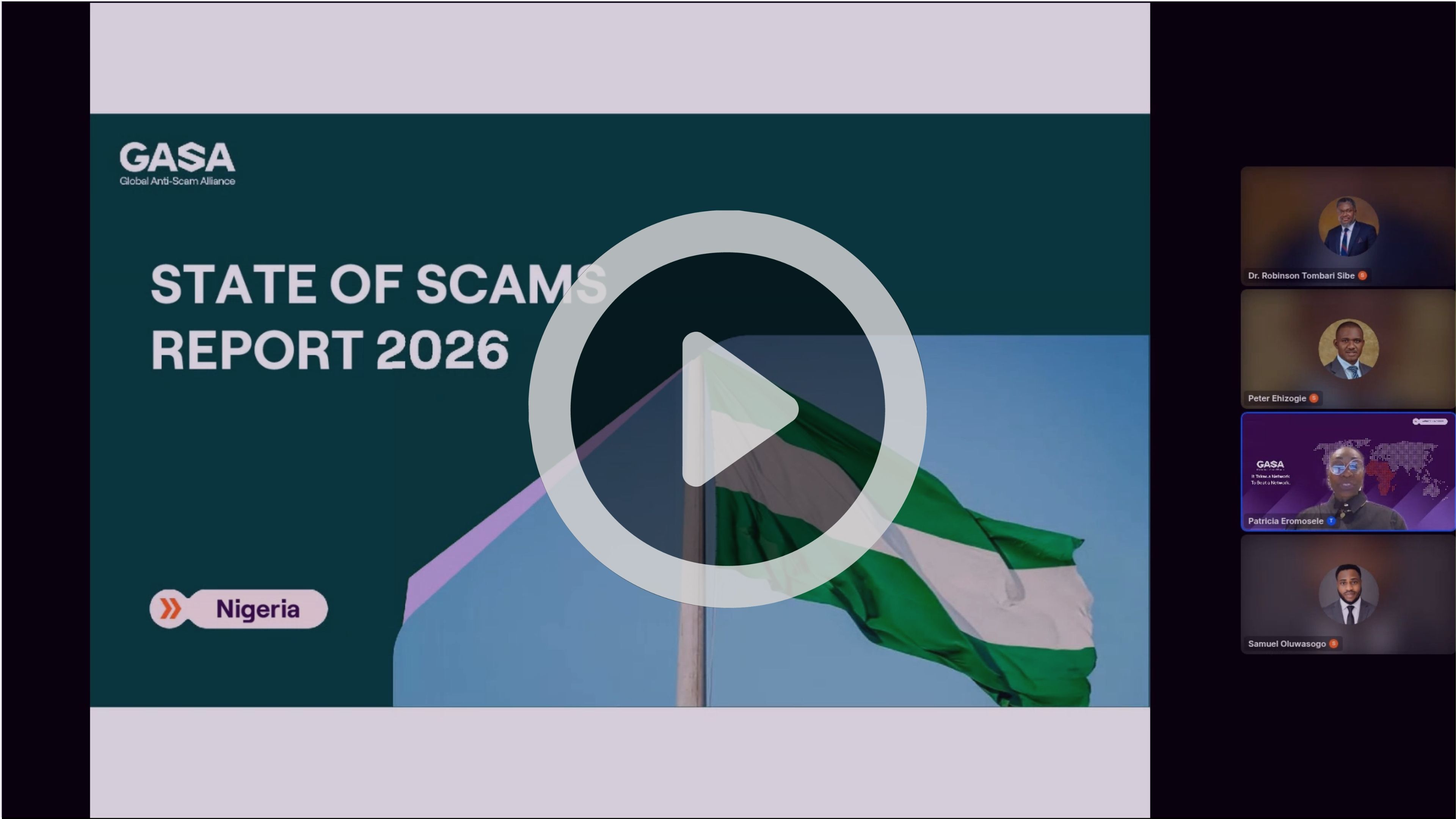
State of Scams in Nigeria 2026: A Comparative Review Across Africa
Nigerian experts examine scam trends, technology, consumer protection and the need for stronger cross-sector collaboration.
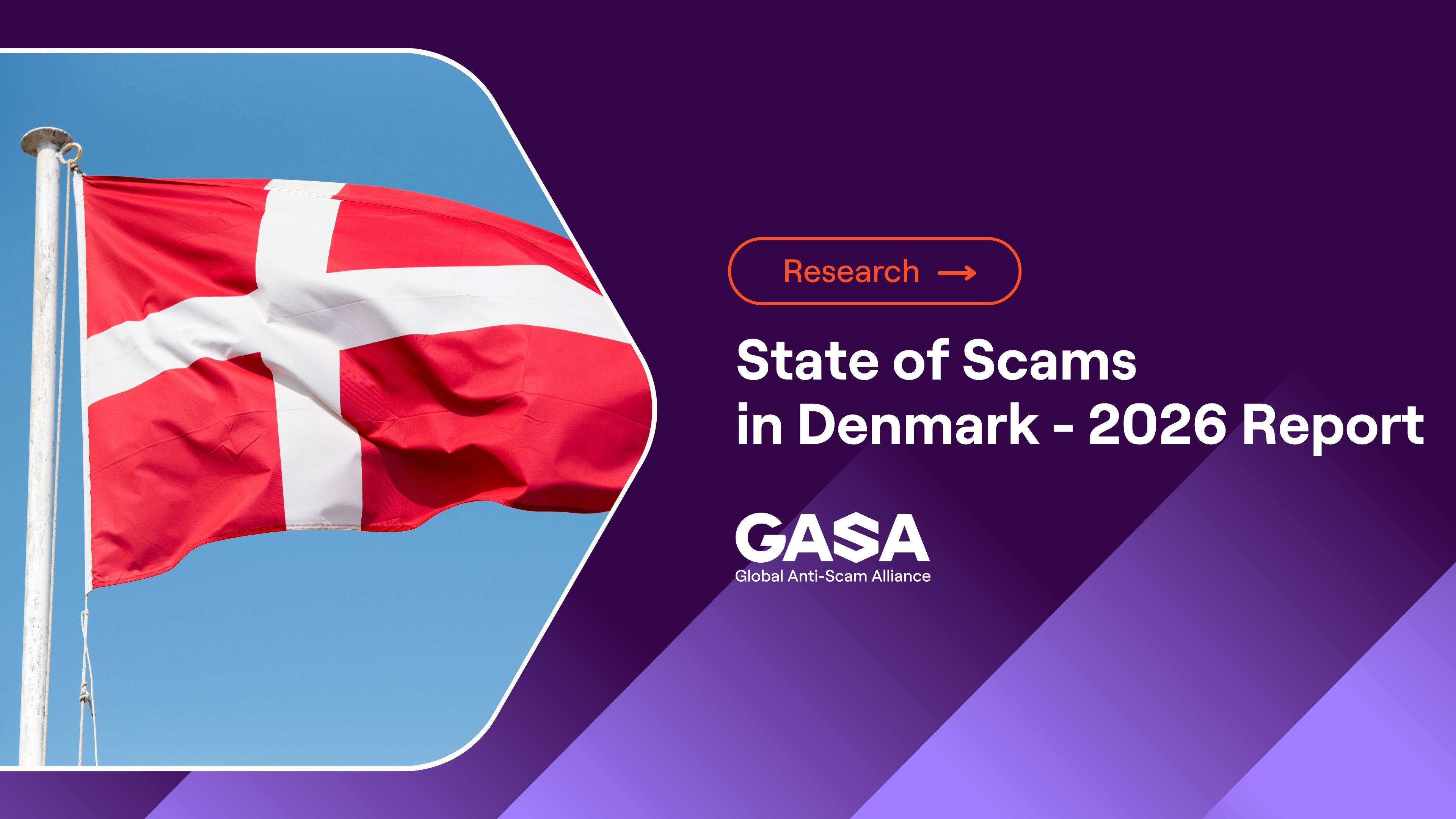
Nearly three in four Danish adults encountered scams as estimated losses reach DKK 10.1 billion
New State of Scams Denmark 2026 report finds scam exposure is rising, while victims face repeated financial and emotional harm.
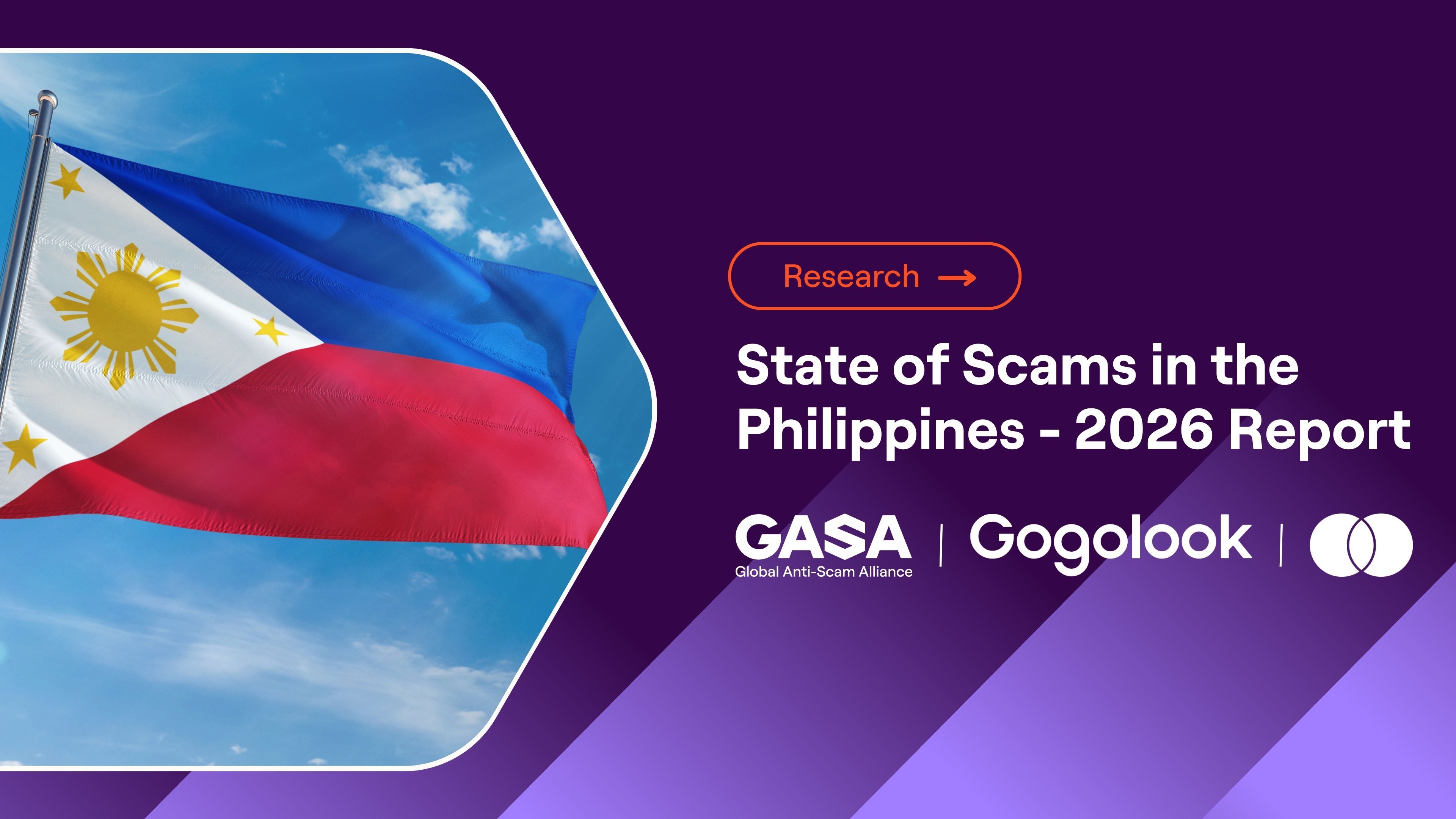
Building a More Trusted Digital Philippines: New Report Underscores the Need for Collective Action as Scam Exposure Continues to Rise
GASA’s State of Scams in the Philippines 2026 Report, in collaboration with Mastercard and Gogolook, highlights the growing scale of the scam challenge in the Philippines.
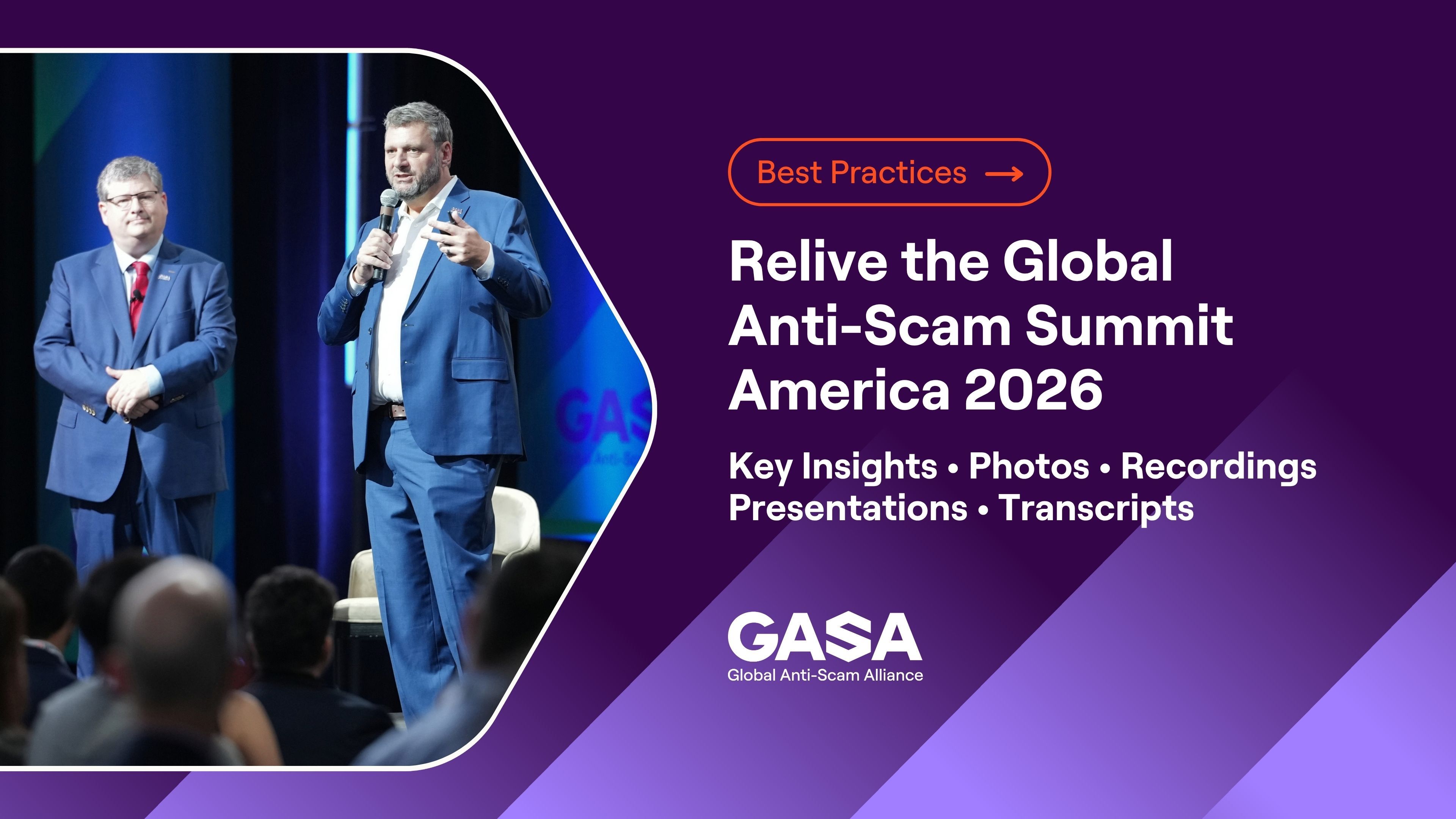
Global Anti-Scam Summit America 2026: Highlights, Insights and Resources
Explore GASS America 2026 highlights and insights, with the Summit summary, photos, presentation slides, transcripts and session recordings from San Francisco.
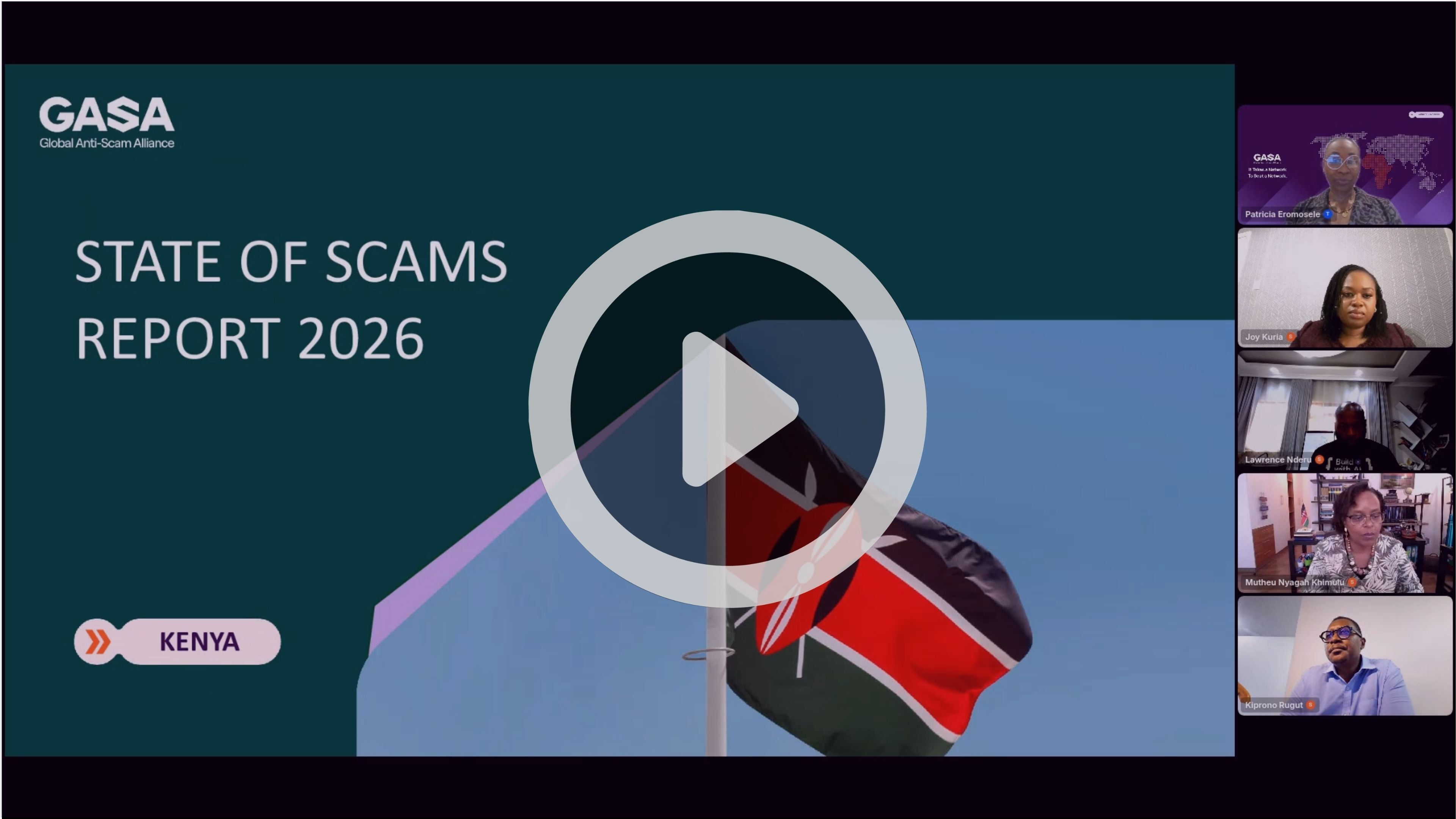
State of Scams in Kenya 2026: A Comparative Review Across Africa
Kenyan experts examine scam trends, data sharing, digital trust and the need for stronger cross-sector prevention.
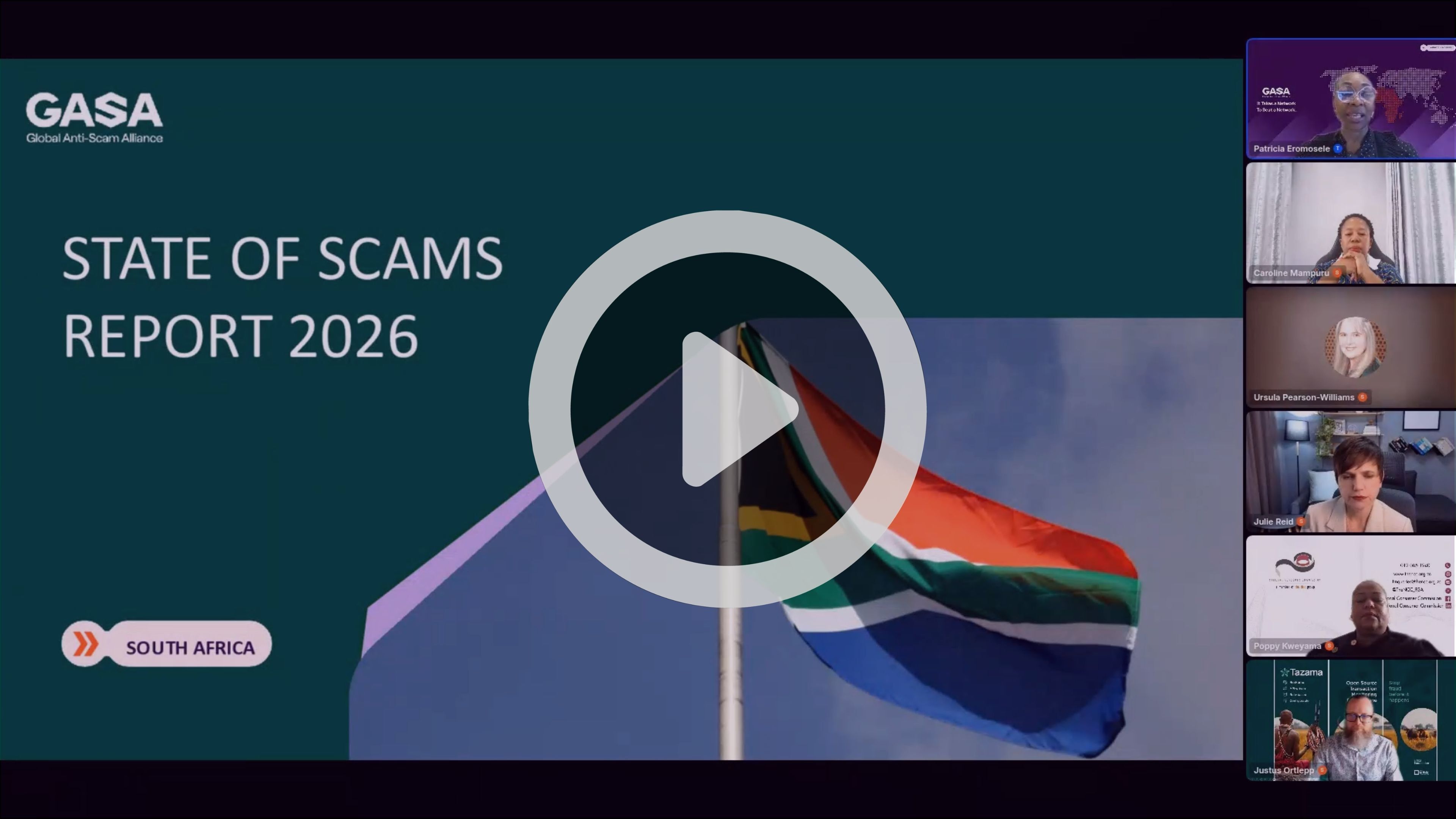
State of Scams in South Africa 2026: A Comparative Review Across Africa
South African experts examine scam trends, AI, consumer protection and the need for stronger cross-sector collaboration.
-3.jpg)
More than one in five adults in Japan encountered scams in the past year
New State of Scams Japan 2026 report examines how scams are reaching consumers and where stronger prevention and collaboration can make a difference