

Financial institutions are facing increasing exposure to identity-based account fraud, particularly where onboarding relies on remote verification. Stolen documents, synthetic identities and manipulated facial data are being used to open accounts without the knowledge of the individual concerned. Biometric checks alone are not always sufficient when identity data has already been compromised.
In response to this risk, the Central Bank of Brazil introduced BC Protege+. The tool allows individuals to proactively block the opening of new bank accounts in their name across the financial system, adding a preventive layer to existing onboarding controls.
Within its first month of operation, the Central Bank reported that more than 111,000 attempted fraudulent account openings were prevented. As of February 2026, the BC Protege+ service has reached 1 million activations.
Why Identity-Based Account Fraud Requires Structural Controls
Account opening fraud is not limited to isolated incidents. Once identity data is compromised, it can be reused across multiple institutions, allowing fraudulent accounts to be created at scale.
International cases have shown how deepfake technology can be used to bypass selfie and biometric onboarding systems. In one case in Amsterdam, a man used deepfake images of his own face together with stolen identity documents to open 46 bank accounts. Once opened, these accounts may be used for money mule activity, laundering scam proceeds or facilitating further fraud.
These patterns expose a structural weakness. Once identity data has been compromised, the only point at which fraud can be stopped is during onboarding. If manipulation is not detected at that moment, an account can still be opened in the victim’s name.
How BC Protege+ Works
BC Protege+ introduces a system-wide restriction mechanism managed centrally by the Central Bank.
Through the official portal, individuals and businesses can:
- Log in using their government digital identity credentials
- Activate a block on new current and savings account openings
- Review a history of activations and deactivations
- See which financial institutions have consulted their status
Once activated, the restriction is automatically communicated to participating financial institutions. The block remains in place until the individual chooses to deactivate it.
The service is free and can be activated or cancelled at any time by the user.
This model shifts part of fraud prevention upstream. Rather than relying solely on institutions to detect manipulation during onboarding, it enables individuals to stop fraudulent account creation before an application succeeds.
A Model With Replication Potential
BC Protege+ reflects a broader evolution in fraud prevention design. Rather than relying exclusively on biometric detection or institutional monitoring, it introduces a shared-responsibility model in which individuals can activate a recognised protective status across the banking system.
This approach changes the risk model in several ways:
- It creates an upstream barrier before fraudulent accounts are created
- It reduces reliance on biometric-only onboarding controls
- It limits the supply of mule accounts used to receive scam proceeds
- It formalises coordination between central authorities and financial institutions
For jurisdictions facing rising identity fraud or AI-enabled impersonation, a centrally managed blocking mechanism offers a structural complement to Know Your Customer and biometric safeguards.

Implementation will depend on national legal frameworks, digital identity infrastructure and institutional coordination. However, the Brazilian model demonstrates that preventive identity controls can be embedded at system level rather than applied institution by institution.
What This Development Demonstrates
BC Protege+ illustrates how central authorities can introduce preventive mechanisms that reduce fraud opportunities before harm occurs. By enabling individuals and businesses to activate a system-wide restriction, the model shifts part of identity protection upstream and distributes responsibility across the financial ecosystem.
As identity misuse becomes more sophisticated, structural controls that operate across institutions may become increasingly relevant. Brazil’s approach demonstrates how preventive design can strengthen financial integrity without relying solely on post-incident enforcement.
Sign up to the GASA newsletter for regular updates on scam prevention, research, and best practices.
About the Author
James Greening is a Digital Content Manager at the Global Anti-Scam Alliance (GASA), where he writes on cyber-enabled fraud and developments in the global fight against online scams. He previously founded Fake Website Buster, a project dedicated to identifying and raising awareness of fraudulent websites.


Accra Trust & Safety Workshop Turns Collaboration into Action Against Scams and Fraud in West Africa
GASA Africa Chapter and Google South Africa brought anti-fraud leaders together to strengthen cross-border cooperation and scam prevention.
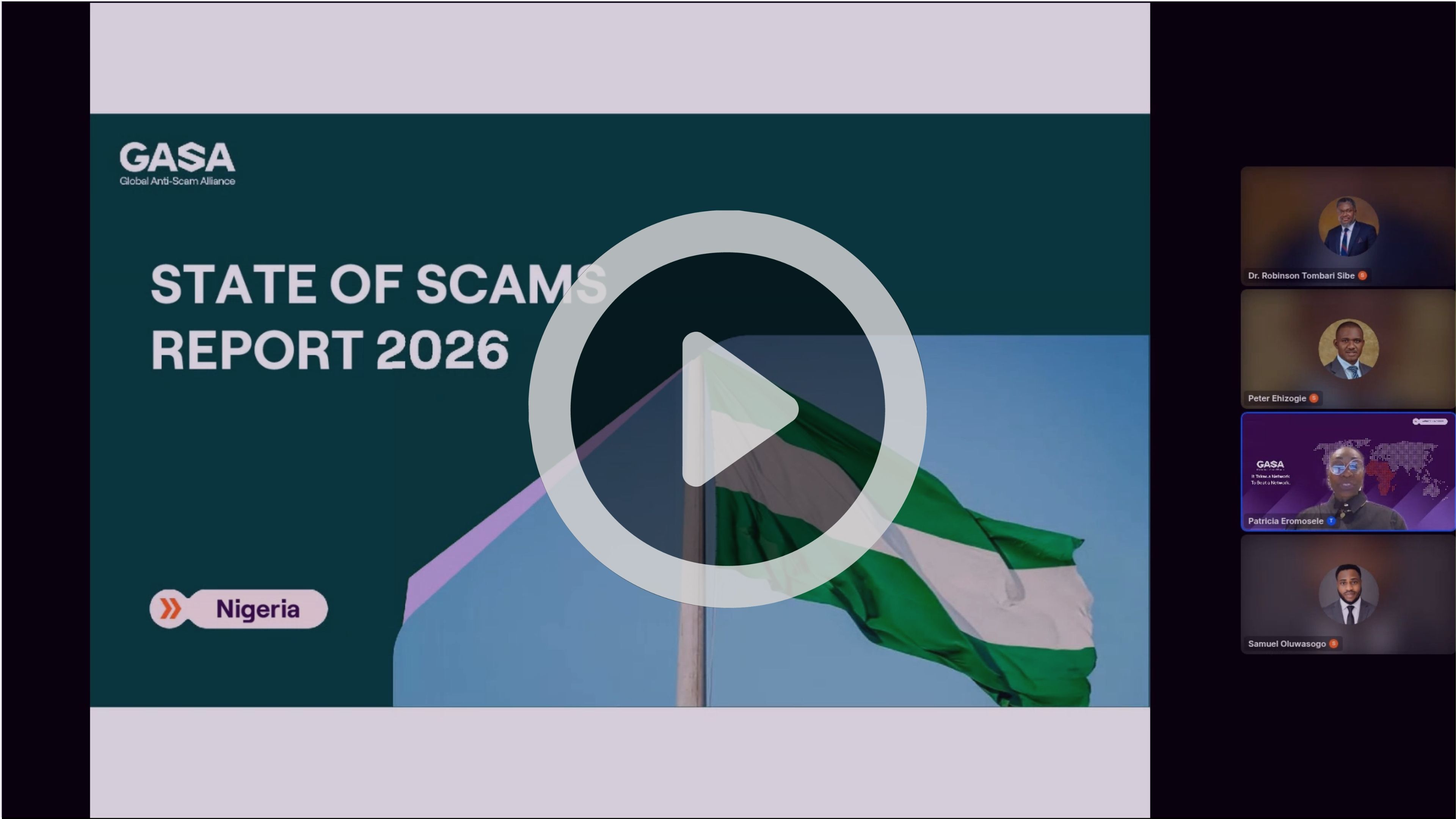
State of Scams in Nigeria 2026: A Comparative Review Across Africa
Nigerian experts examine scam trends, technology, consumer protection and the need for stronger cross-sector collaboration.
Nearly three in four Danish adults encountered scams as estimated losses reach DKK 10.1 billion
New State of Scams Denmark 2026 report finds scam exposure is rising, while victims face repeated financial and emotional harm.
Building a More Trusted Digital Philippines: New Report Underscores the Need for Collective Action as Scam Exposure Continues to Rise
GASA’s State of Scams in the Philippines 2026 Report, in collaboration with Mastercard and Gogolook, highlights the growing scale of the scam challenge in the Philippines.
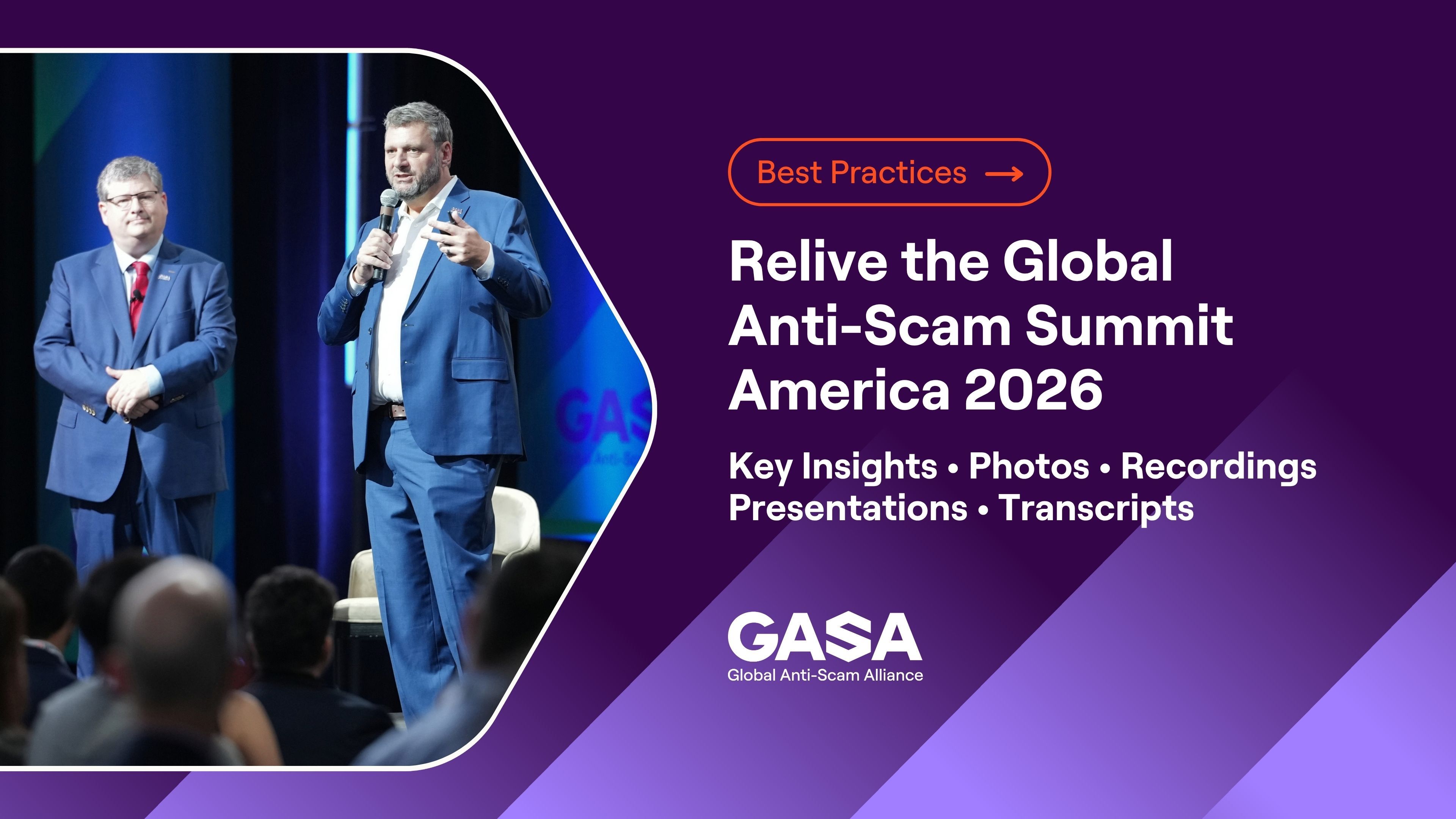
Global Anti-Scam Summit America 2026: Highlights, Insights and Resources
Explore GASS America 2026 highlights and insights, with the Summit summary, photos, presentation slides, transcripts and session recordings from San Francisco.
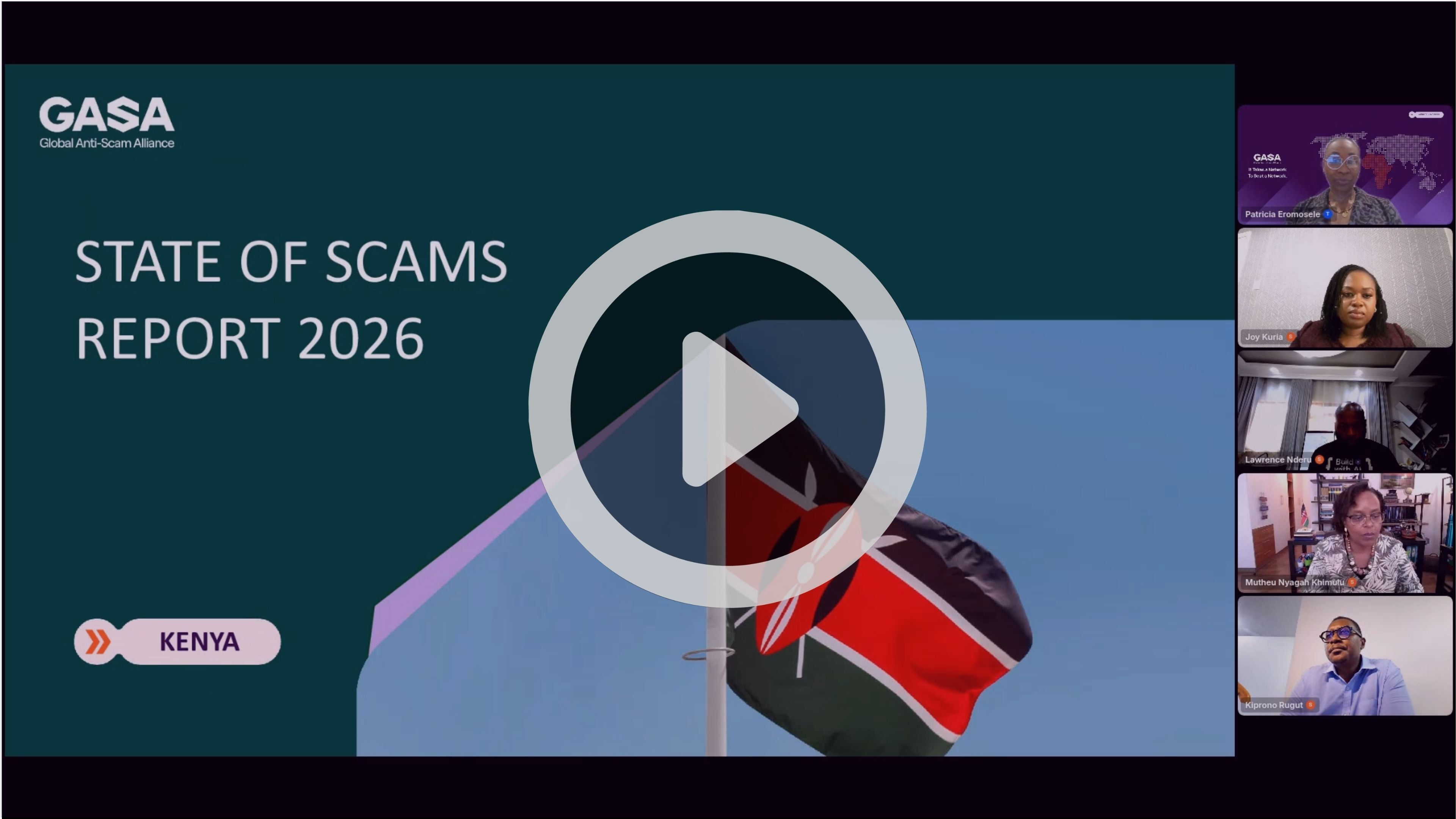
State of Scams in Kenya 2026: A Comparative Review Across Africa
Kenyan experts examine scam trends, data sharing, digital trust and the need for stronger cross-sector prevention.
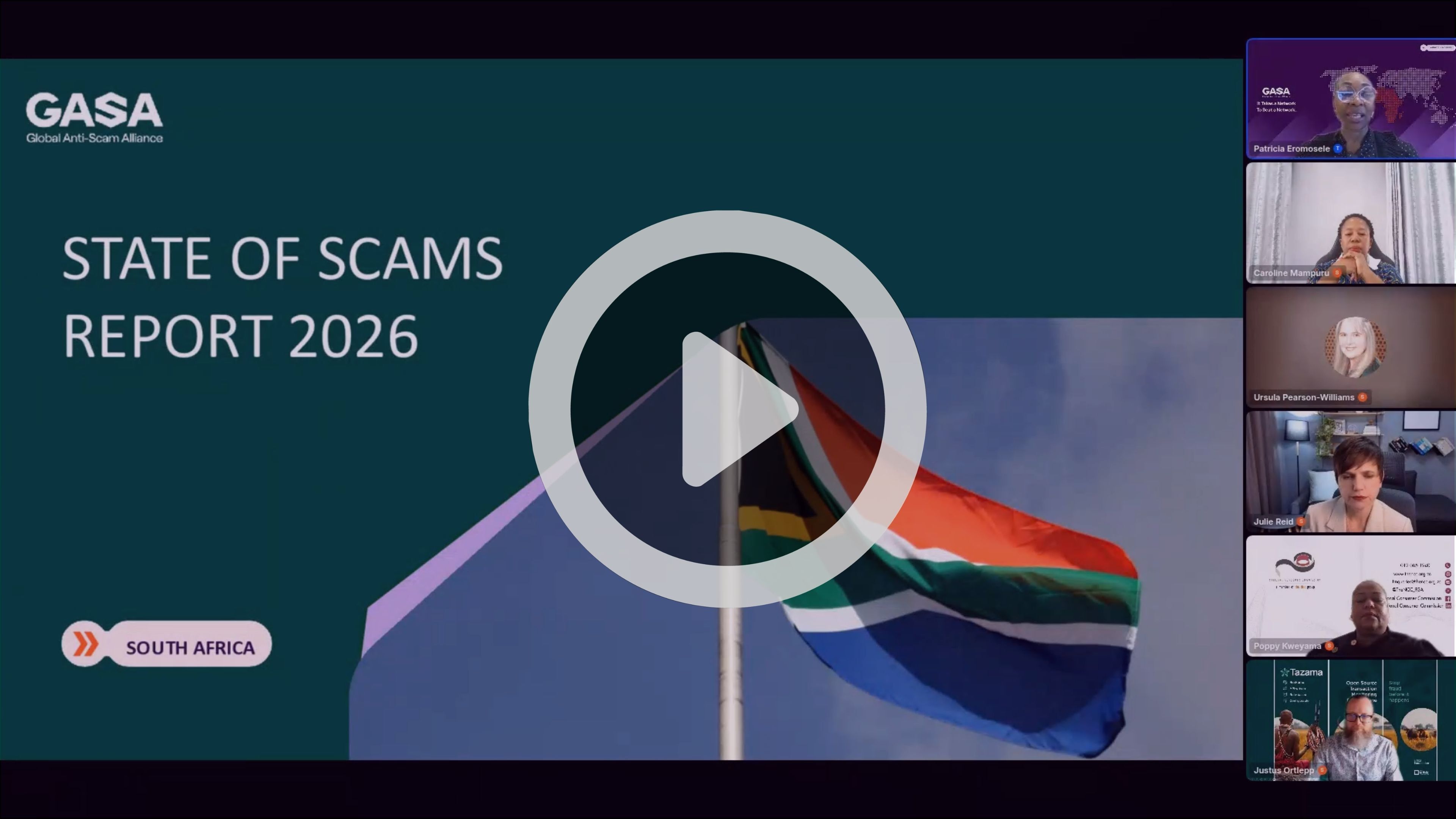
State of Scams in South Africa 2026: A Comparative Review Across Africa
South African experts examine scam trends, AI, consumer protection and the need for stronger cross-sector collaboration.
-3.jpg)
More than one in five adults in Japan encountered scams in the past year
New State of Scams Japan 2026 report examines how scams are reaching consumers and where stronger prevention and collaboration can make a difference