
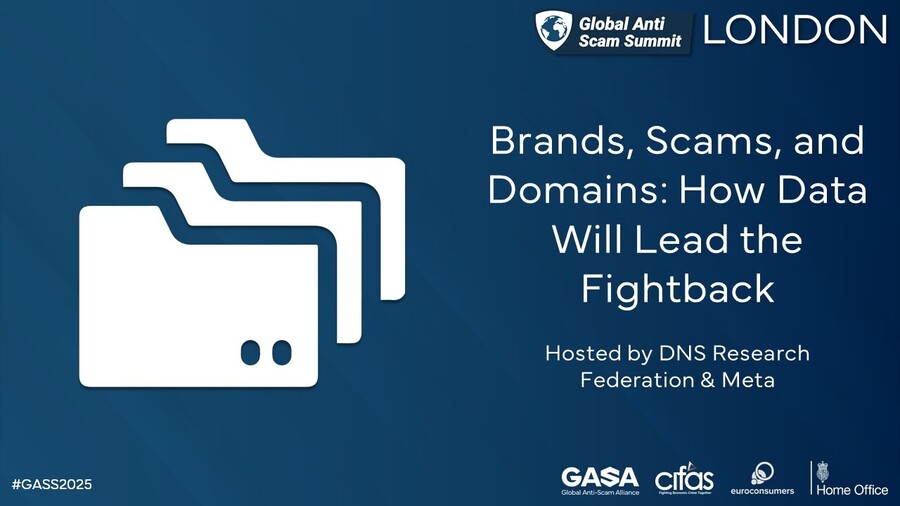
Date of Event: 26–27 March 2025
Event: Global Anti-Scam Summit London 2025
This workshop explored the foundational infrastructure behind online scams and highlighted how domain-related data can be leveraged to prevent fraud more effectively.
The session began with Ciaran Martin outlining why scams deserve greater attention from national security and cybersecurity communities. He called for practical, action-oriented solutions over vague partnerships or public awareness campaigns.
The panel discussion featured a range of perspectives. Lucien Taylor explained how domain registry data is being used to rank and incentivise registries to curb abuse. Ignacio Sanjuán from Europol outlined the challenges investigators face with both the abundance and absence of actionable data. Jakob Bring Truelsen shared how Denmark’s ccTLD, Punktum dk, reduced scam domains by implementing mandatory ID verification. Lucia Harris detailed how Match Group uses biometric verification to combat account impersonation and ban evasion across its dating platforms.
The conversation made clear that scalable, real-world data-driven interventions—rather than idealistic strategies—are key to disrupting scam infrastructure. As scams evolve, cross-sector commitment to verification, enforcement, and cooperation remains essential.
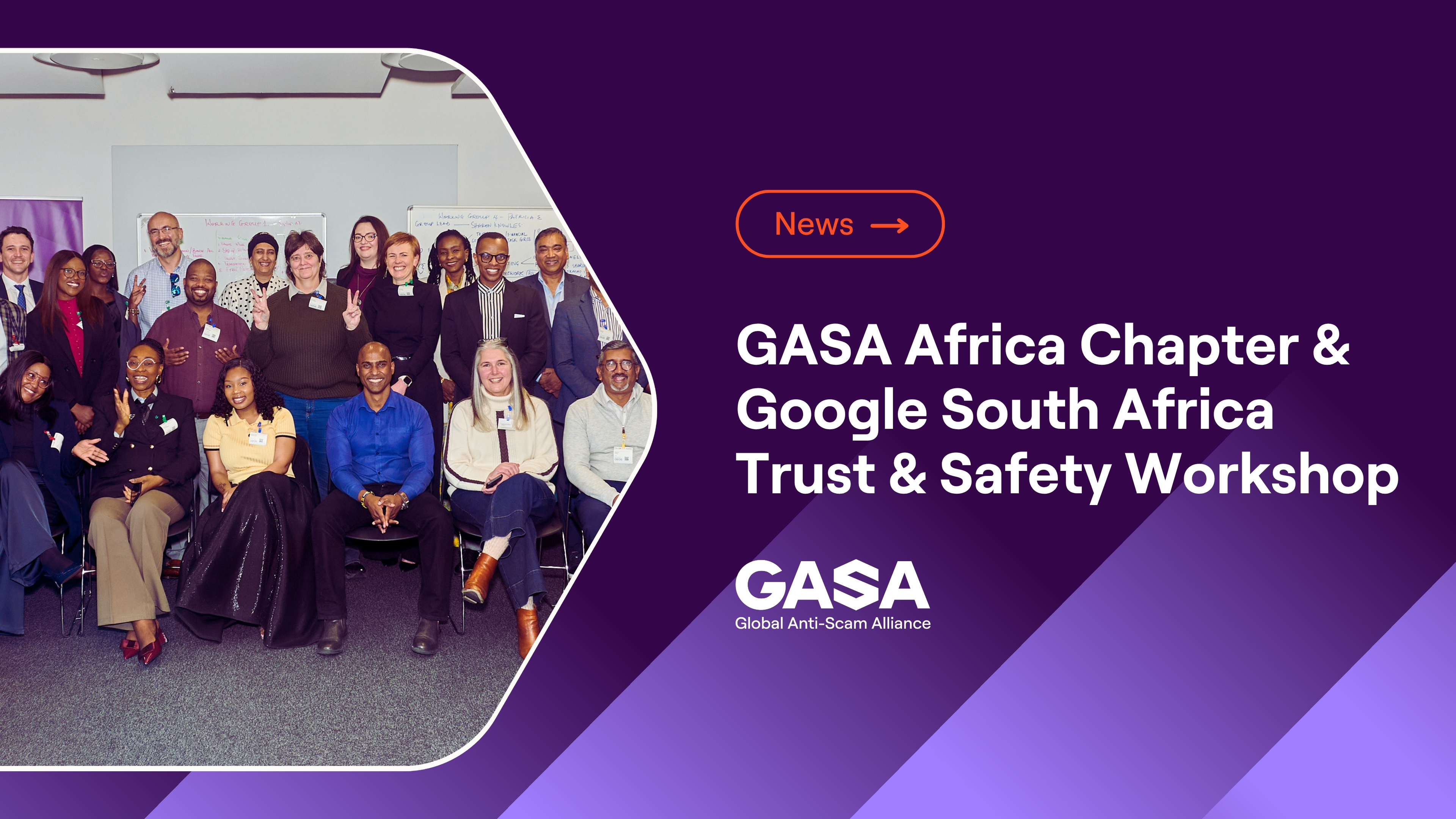
Accra Trust & Safety Workshop Turns Collaboration into Action Against Scams and Fraud in West Africa
GASA Africa Chapter and Google South Africa brought anti-fraud leaders together to strengthen cross-border cooperation and scam prevention.
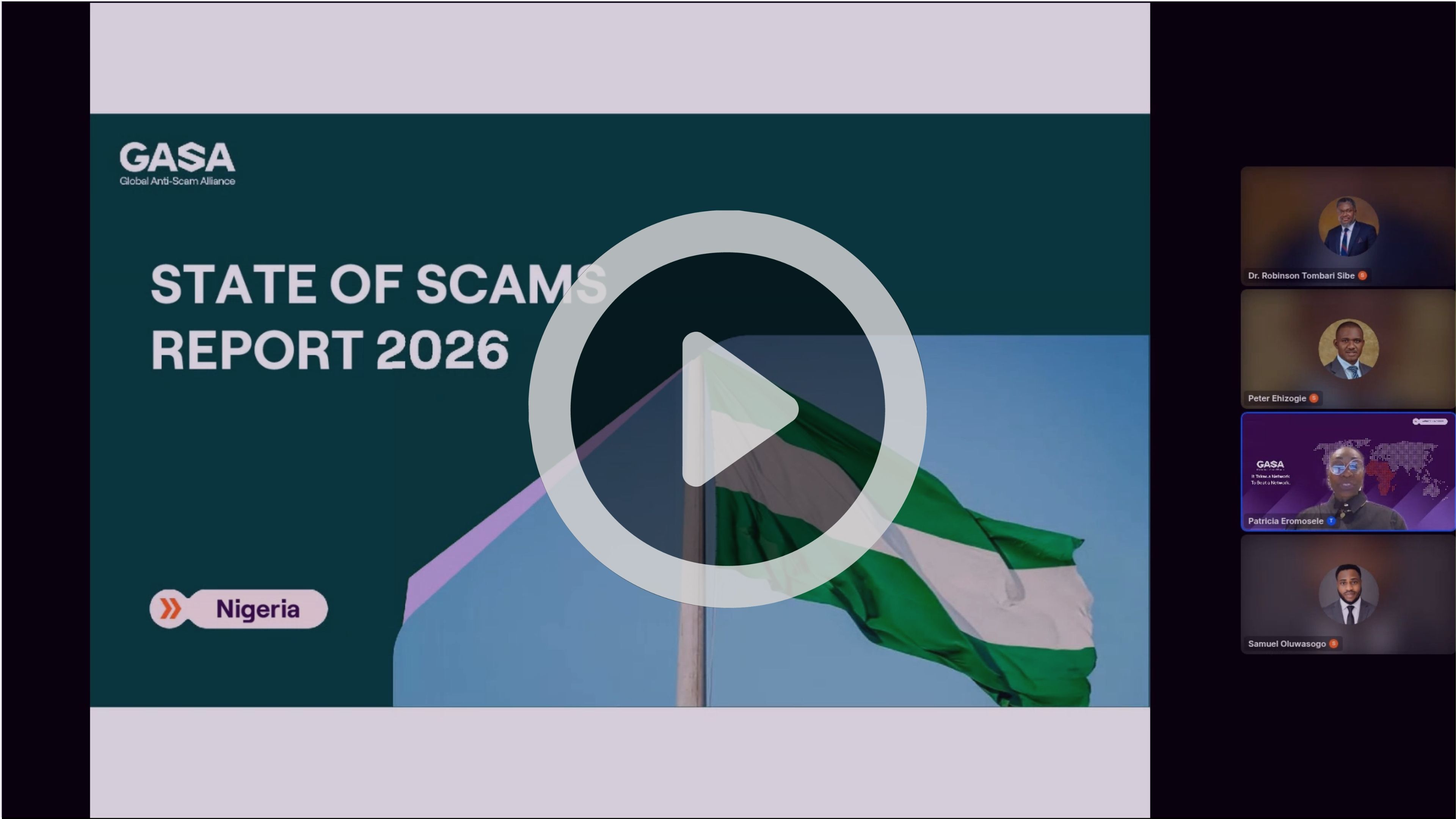
State of Scams in Nigeria 2026: A Comparative Review Across Africa
Nigerian experts examine scam trends, technology, consumer protection and the need for stronger cross-sector collaboration.
Nearly three in four Danish adults encountered scams as estimated losses reach DKK 10.1 billion
New State of Scams Denmark 2026 report finds scam exposure is rising, while victims face repeated financial and emotional harm.
Building a More Trusted Digital Philippines: New Report Underscores the Need for Collective Action as Scam Exposure Continues to Rise
GASA’s State of Scams in the Philippines 2026 Report, in collaboration with Mastercard and Gogolook, highlights the growing scale of the scam challenge in the Philippines.
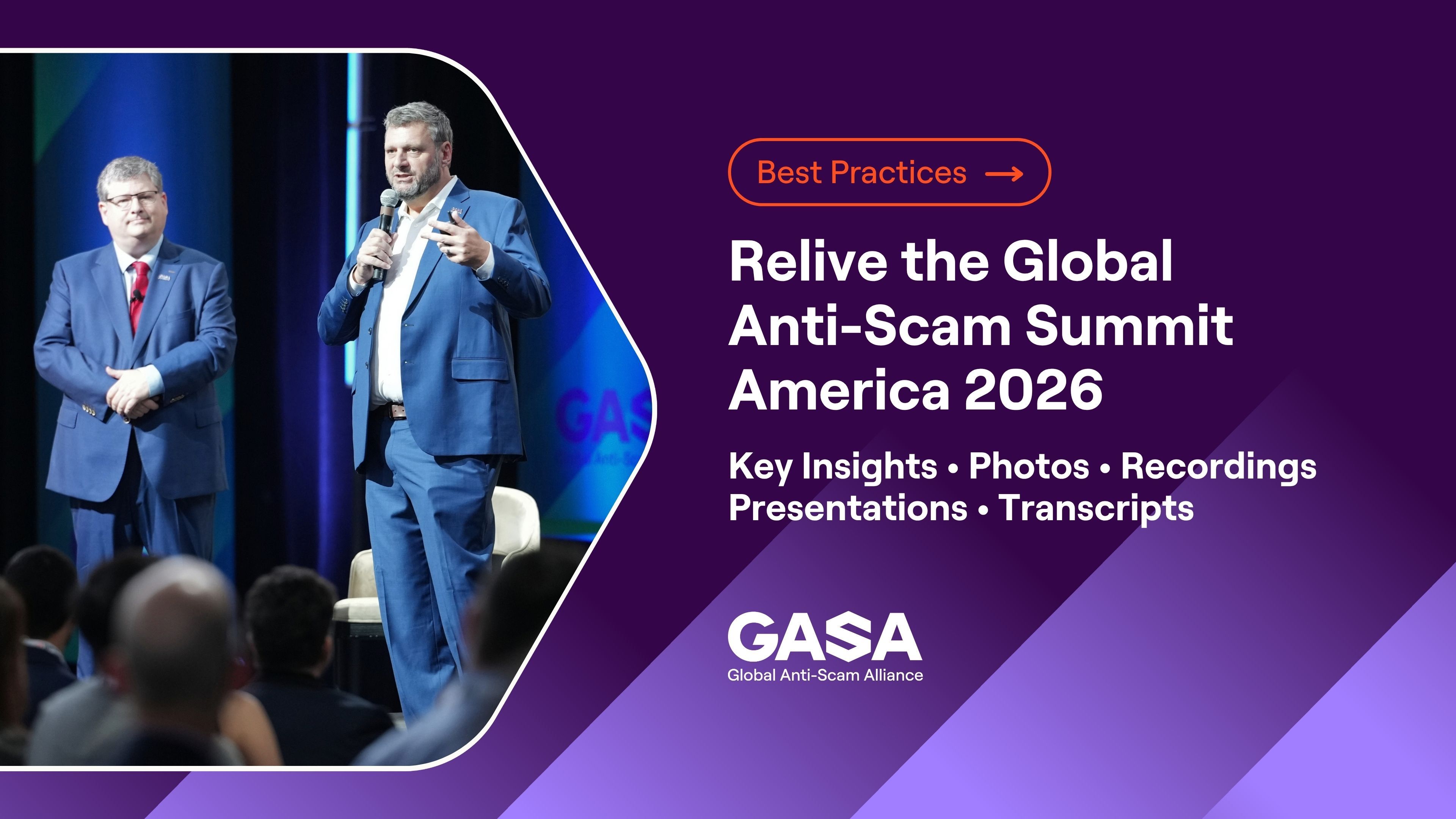
Global Anti-Scam Summit America 2026: Highlights, Insights and Resources
Explore GASS America 2026 highlights and insights, with the Summit summary, photos, presentation slides, transcripts and session recordings from San Francisco.
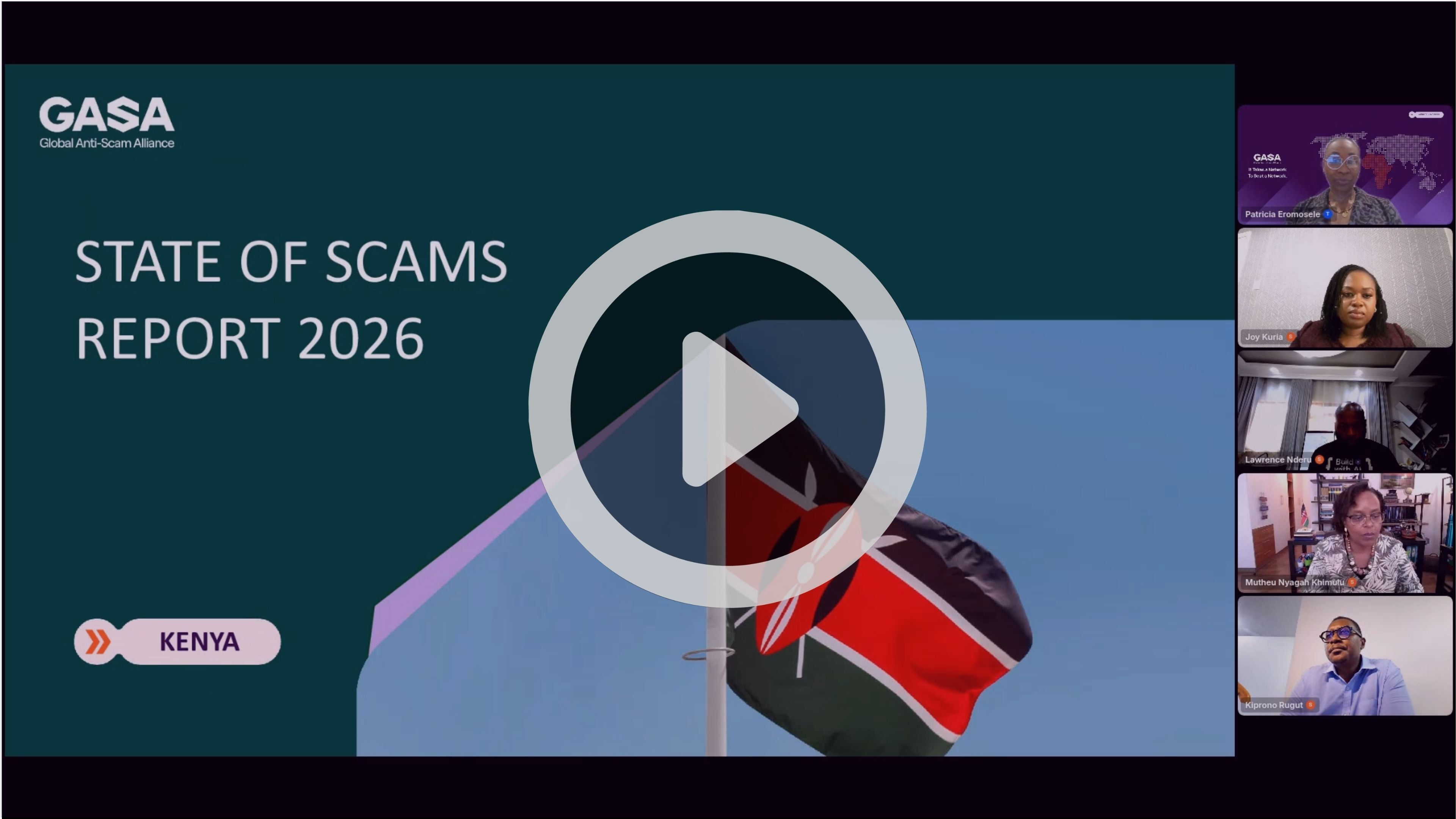
State of Scams in Kenya 2026: A Comparative Review Across Africa
Kenyan experts examine scam trends, data sharing, digital trust and the need for stronger cross-sector prevention.
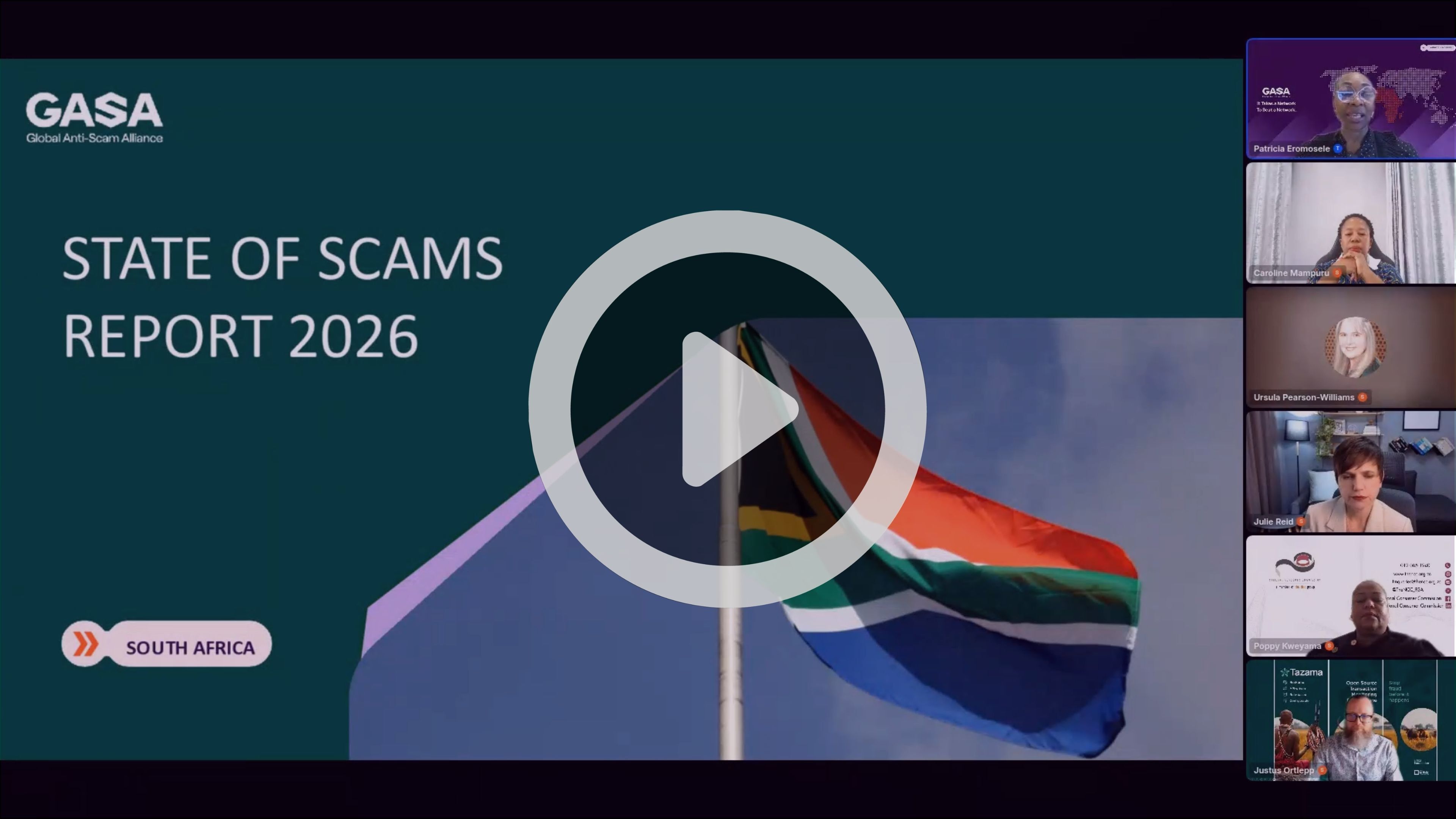
State of Scams in South Africa 2026: A Comparative Review Across Africa
South African experts examine scam trends, AI, consumer protection and the need for stronger cross-sector collaboration.
-3.jpg)
More than one in five adults in Japan encountered scams in the past year
New State of Scams Japan 2026 report examines how scams are reaching consumers and where stronger prevention and collaboration can make a difference