
As an international alliance dedicated to combating scams, the Global Anti-Scam Alliance (GASA) has unfortunately become a target for impersonation. Fraudsters are misusing our name, branding, and reputation to deceive victims. These impersonation attempts appear in several forms: fake recovery services, fraudulent ticket offers, phishing emails , and even counterfeit websites that copy GASA’s identity. While the tactics vary, the aim is always the same – to gain the trust of unsuspecting individuals and exploit them for money or personal information.
Recovery scams posing as GASA
One recurring tactic involves criminals presenting themselves as GASA representatives who claim they can recover stolen funds, often linked to cryptocurrency fraud. Victims are asked to provide personal information, payment details, or transaction records. These claims are false. GASA does not provide recovery services , does not employ “hackers” or “security departments,” and only communicates via official @ gasa.org email addresses.
Ticket scams linked to GASA events
Another form of impersonation involves ticket fraud connected to our Global Anti-Scam Summit events. Posts and comments appear on social media claiming to sell or resell tickets, often with urgent language such as “extra ticket available” or “cannot attend, message me.” All legitimate registrations are handled directly through our website and official partners. Tickets offered through social media or private messages are fraudulent.
Phishing emails misusing GASA branding
Scammers also send phishing emails misusing GASA’s name and logo to trick recipients into clicking malicious links. These emails often promise access to reports, recordings, or exclusive content. Their true purpose is to steal data or install malware. GASA will never send unsolicited messages requesting passwords, payment details, or login credentials.
Fake websites and social media pages copying GASA
We have also identified fake websites and social media pages that attempt to imitate GASA’s official presence. These copies may use our branding and content but are set up to mislead visitors, harvest information, or promote fraudulent services. GASA’s official website is www.gasa.org and our verified social channels are linked directly from this domain.
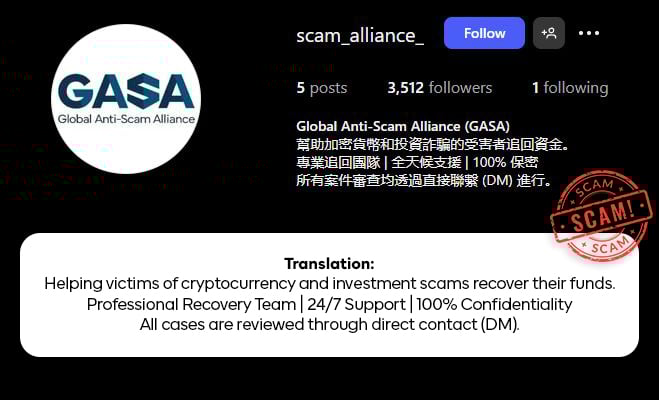
The example below shows a fake Instagram page falsely claiming to be GASA and offering crypto recovery services – something we never provide.
Gift card scams targeting GASA employees
Scammers have also targeted GASA employees with gift card scams. These emails often impersonate colleagues, partners, or senior staff and instruct the recipient to urgently purchase gift cards and share the codes. While these attacks are directed internally, they highlight how criminals attempt to misuse GASA’s name to create false authority and pressure victims.
Protecting yourself against misuse
The common factor across these scams is the misuse of GASA’s name to create a false sense of legitimacy. To protect yourself:
Verify that all emails come from @ gasa.org addresses
Register for GASA events only through our official website
Ignore unsolicited offers of recovery services, tickets, or payment requests
Be cautious of websites claiming to be GASA but not hosted on gasa.org
If you receive communication or encounter a website claiming to represent GASA and suspect it may be fraudulent, please report it to us . Your reports help us track and expose these scams.
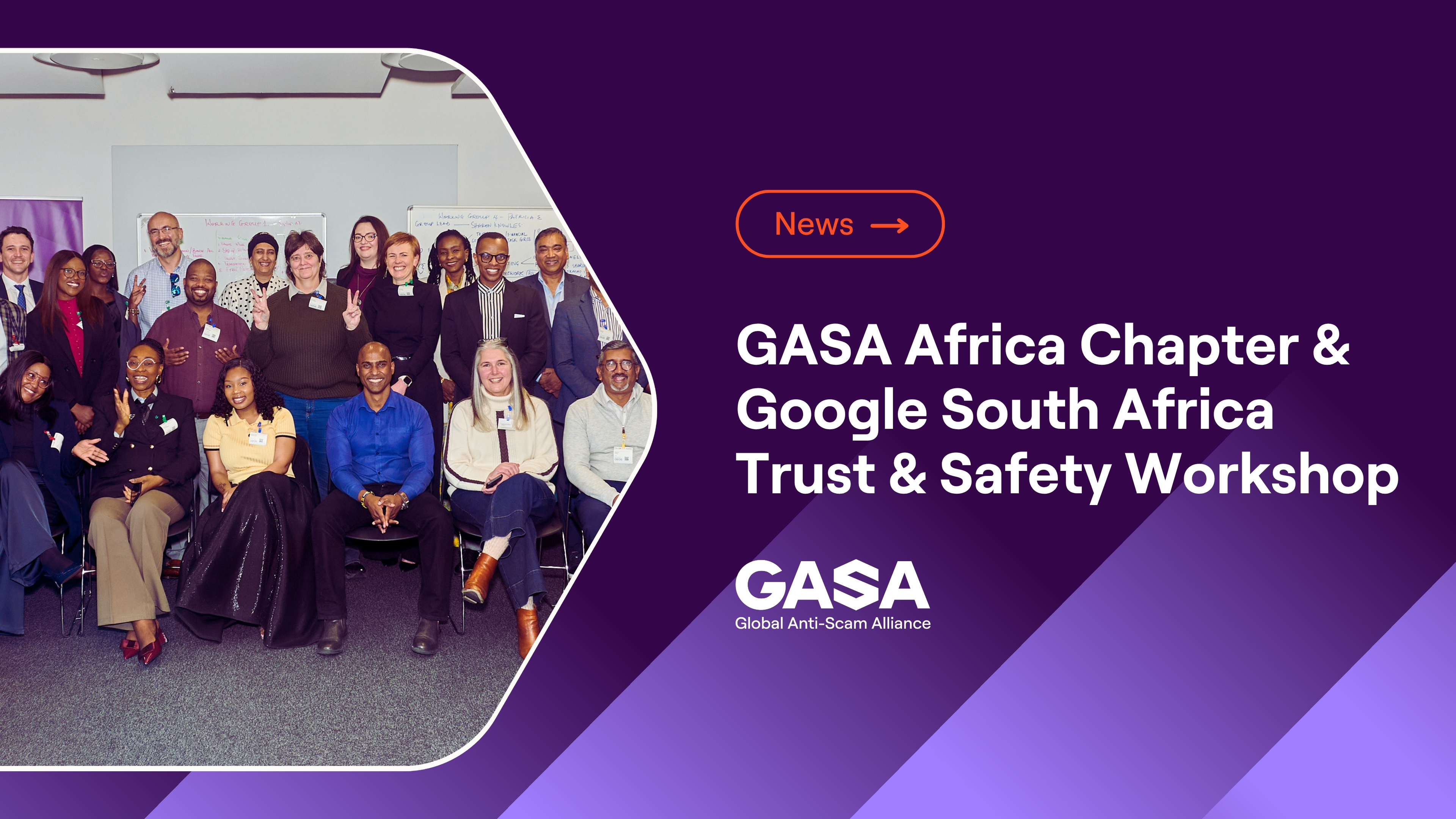
Accra Trust & Safety Workshop Turns Collaboration into Action Against Scams and Fraud in West Africa
GASA Africa Chapter and Google South Africa brought anti-fraud leaders together to strengthen cross-border cooperation and scam prevention.
State of Scams in Nigeria 2026: A Comparative Review Across Africa
Nigerian experts examine scam trends, technology, consumer protection and the need for stronger cross-sector collaboration.
Nearly three in four Danish adults encountered scams as estimated losses reach DKK 10.1 billion
New State of Scams Denmark 2026 report finds scam exposure is rising, while victims face repeated financial and emotional harm.
Building a More Trusted Digital Philippines: New Report Underscores the Need for Collective Action as Scam Exposure Continues to Rise
GASA’s State of Scams in the Philippines 2026 Report, in collaboration with Mastercard and Gogolook, highlights the growing scale of the scam challenge in the Philippines.
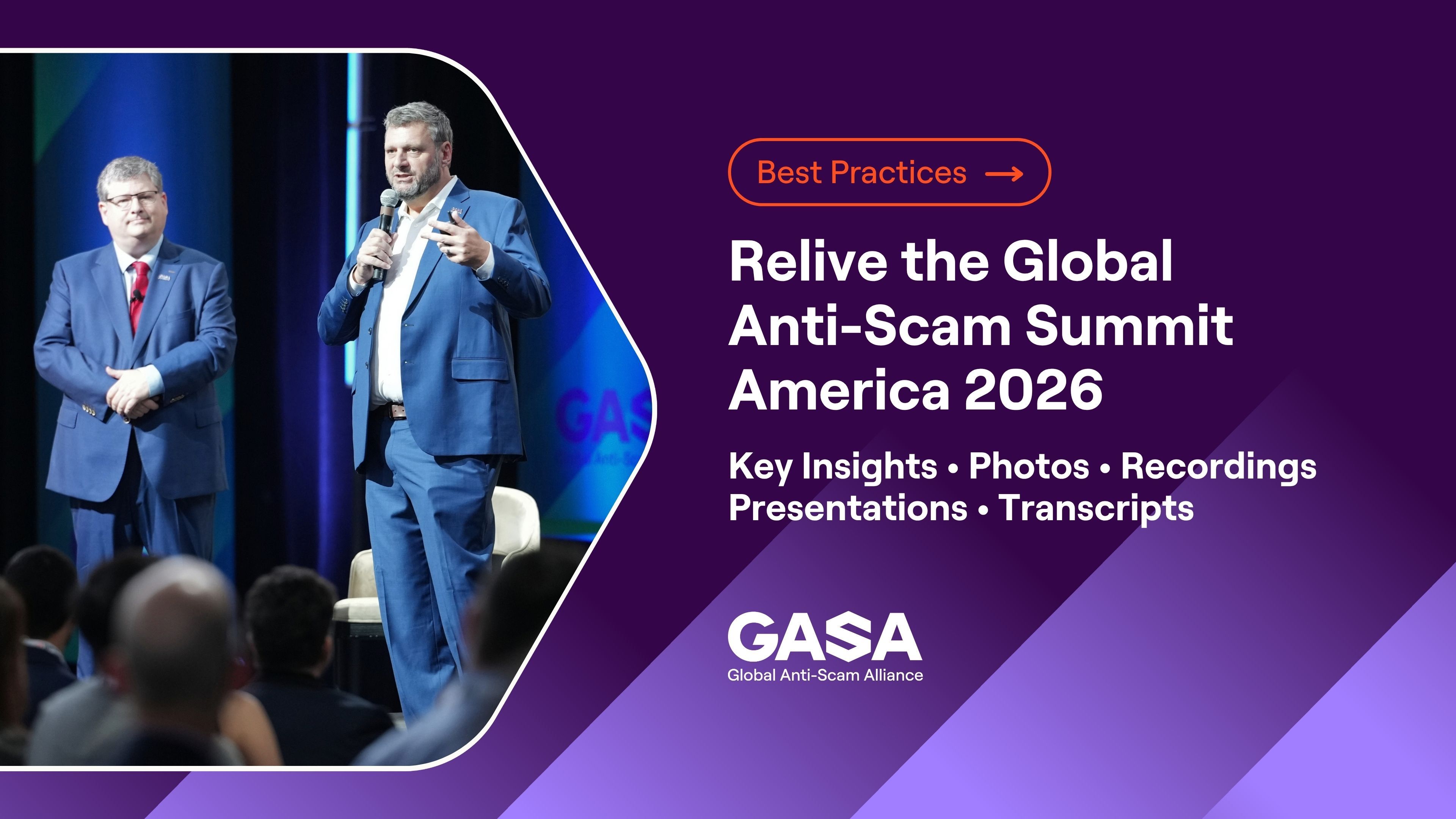
Global Anti-Scam Summit America 2026: Highlights, Insights and Resources
Explore GASS America 2026 highlights and insights, with the Summit summary, photos, presentation slides, transcripts and session recordings from San Francisco.
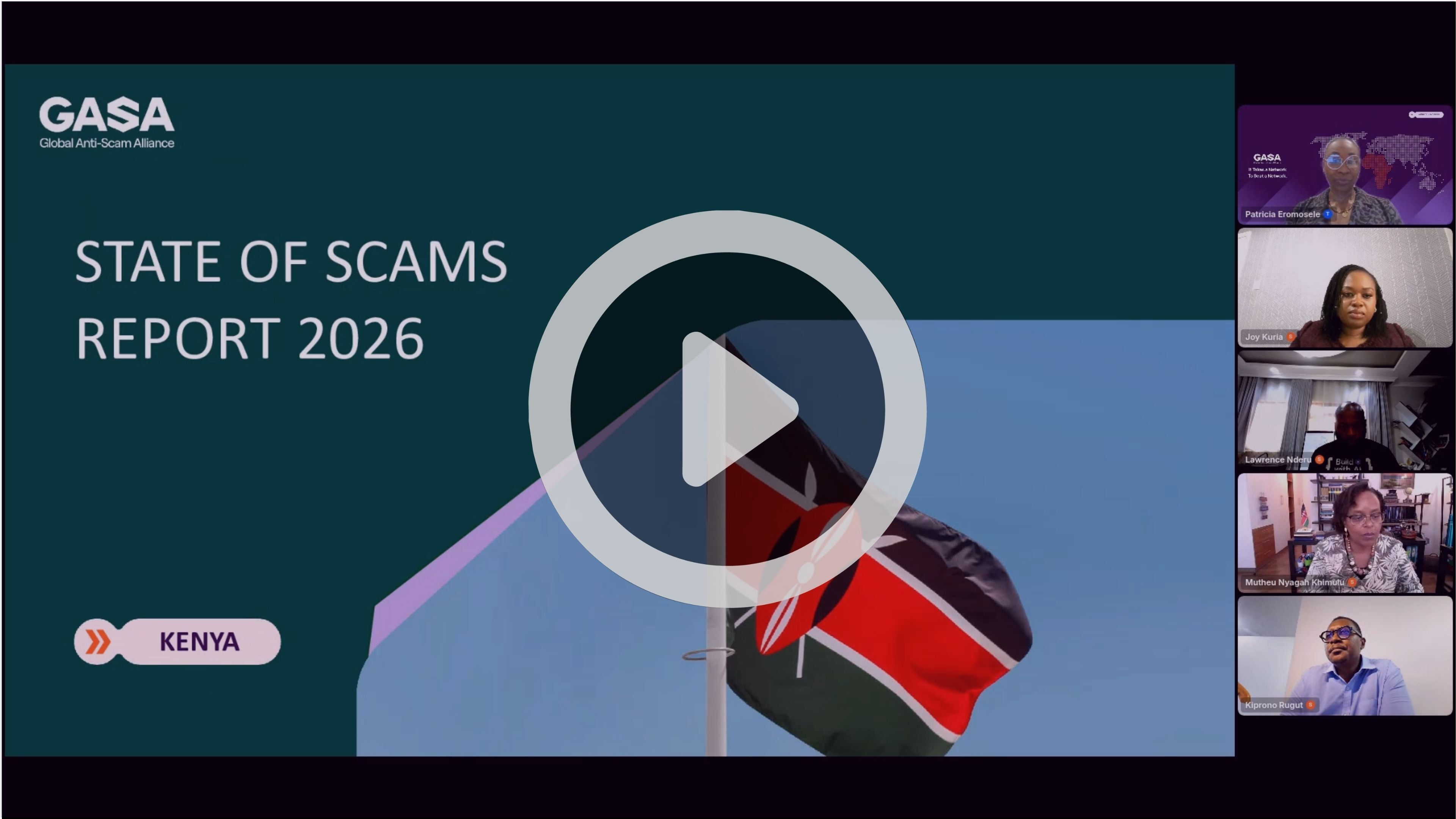
State of Scams in Kenya 2026: A Comparative Review Across Africa
Kenyan experts examine scam trends, data sharing, digital trust and the need for stronger cross-sector prevention.
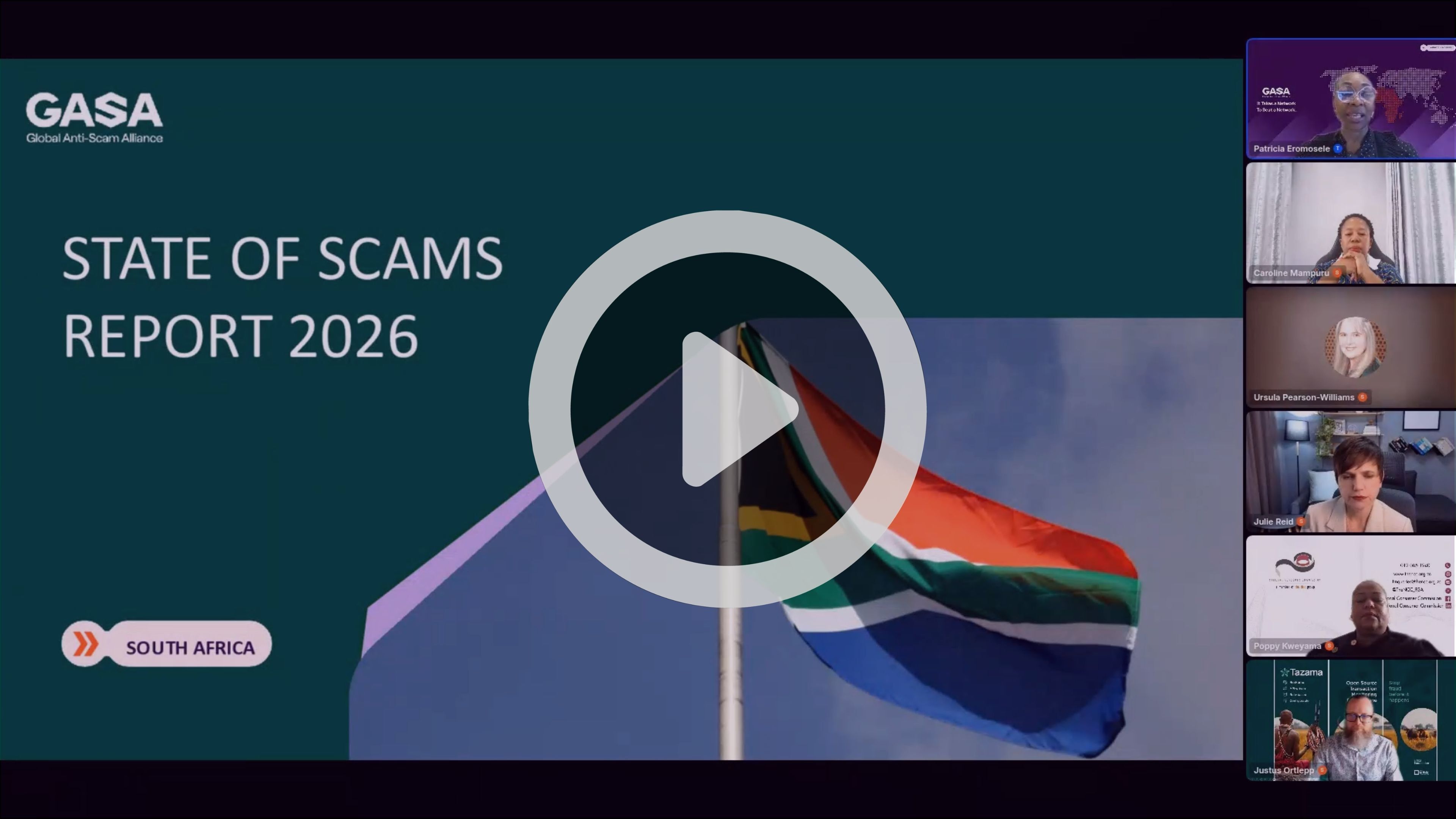
State of Scams in South Africa 2026: A Comparative Review Across Africa
South African experts examine scam trends, AI, consumer protection and the need for stronger cross-sector collaboration.
-3.jpg)
More than one in five adults in Japan encountered scams in the past year
New State of Scams Japan 2026 report examines how scams are reaching consumers and where stronger prevention and collaboration can make a difference