
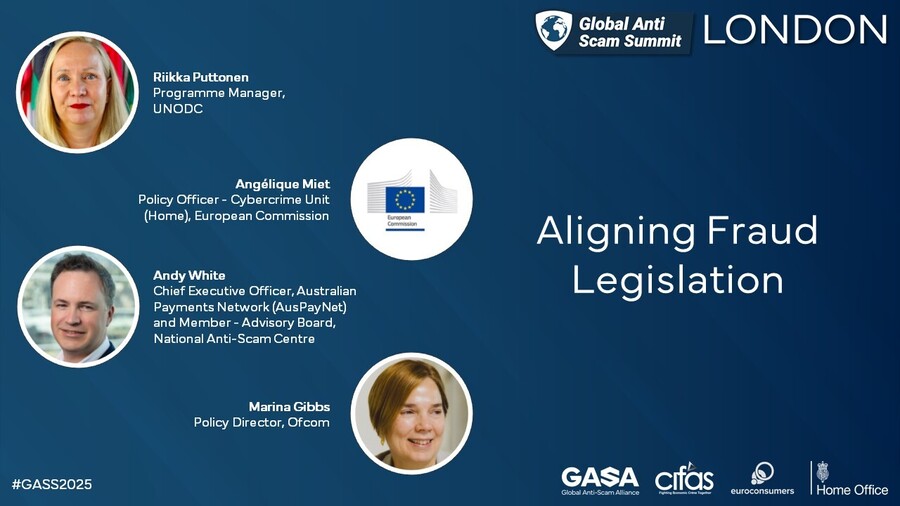
Date of Event: 26–27 March 2025
Event: Global Anti-Scam Summit London 2025
This session at the Global Anti-Scam Summit London 2025 explored how national and international legislation must evolve to confront modern scam threats. Speakers reflected on the urgent need to modernise regulatory frameworks and balance privacy with effective enforcement.
Moderated by Riikka Puttonen from UNODC, the panel featured representatives from the UK Home Office, Ofcom, the European Commission, and Australia’s regulatory ecosystem. The discussion began with an overview of existing fraud legislation—including serious crime classifications and sector-specific frameworks. While some jurisdictions have enacted broad regulatory powers, panellists noted that fraudsters often exploit grey areas in jurisdiction, enforcement, and oversight.
Artificial intelligence, deepfakes, crypto, and decentralised platforms have all introduced new challenges to enforcement. Speakers stressed that legislation must remain agile, technologically neutral, and future-proof. Several called for a functional, principles-based approach that avoids overly prescriptive rules.
Despite differences in legal systems, the panel found common ground on the need for:
Streamlined data sharing frameworks that respect—but don’t over-prioritise—privacy
International regulatory alignment to prevent exploitation of cross-border inconsistencies
Impact measurement systems that track the effectiveness of anti-scam interventions
The session closed with a call to continue building collaborative legal infrastructure and to prioritise clarity, coherence, and cross-sector cooperation. Participants welcomed the news that the UN and INTERPOL will co-host a Global Fraud Summit in 2026 to further this work.
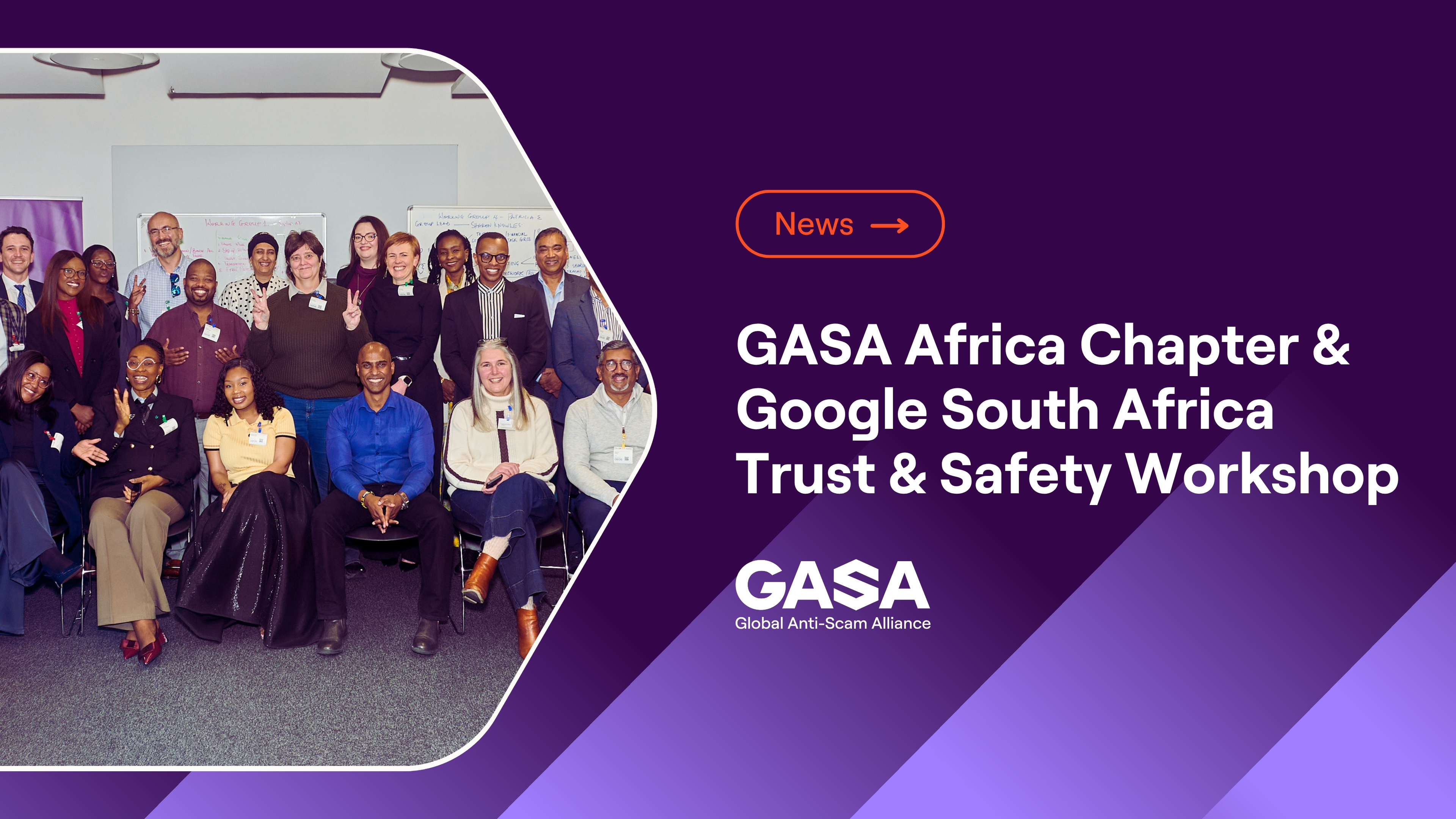
Accra Trust & Safety Workshop Turns Collaboration into Action Against Scams and Fraud in West Africa
GASA Africa Chapter and Google South Africa brought anti-fraud leaders together to strengthen cross-border cooperation and scam prevention.
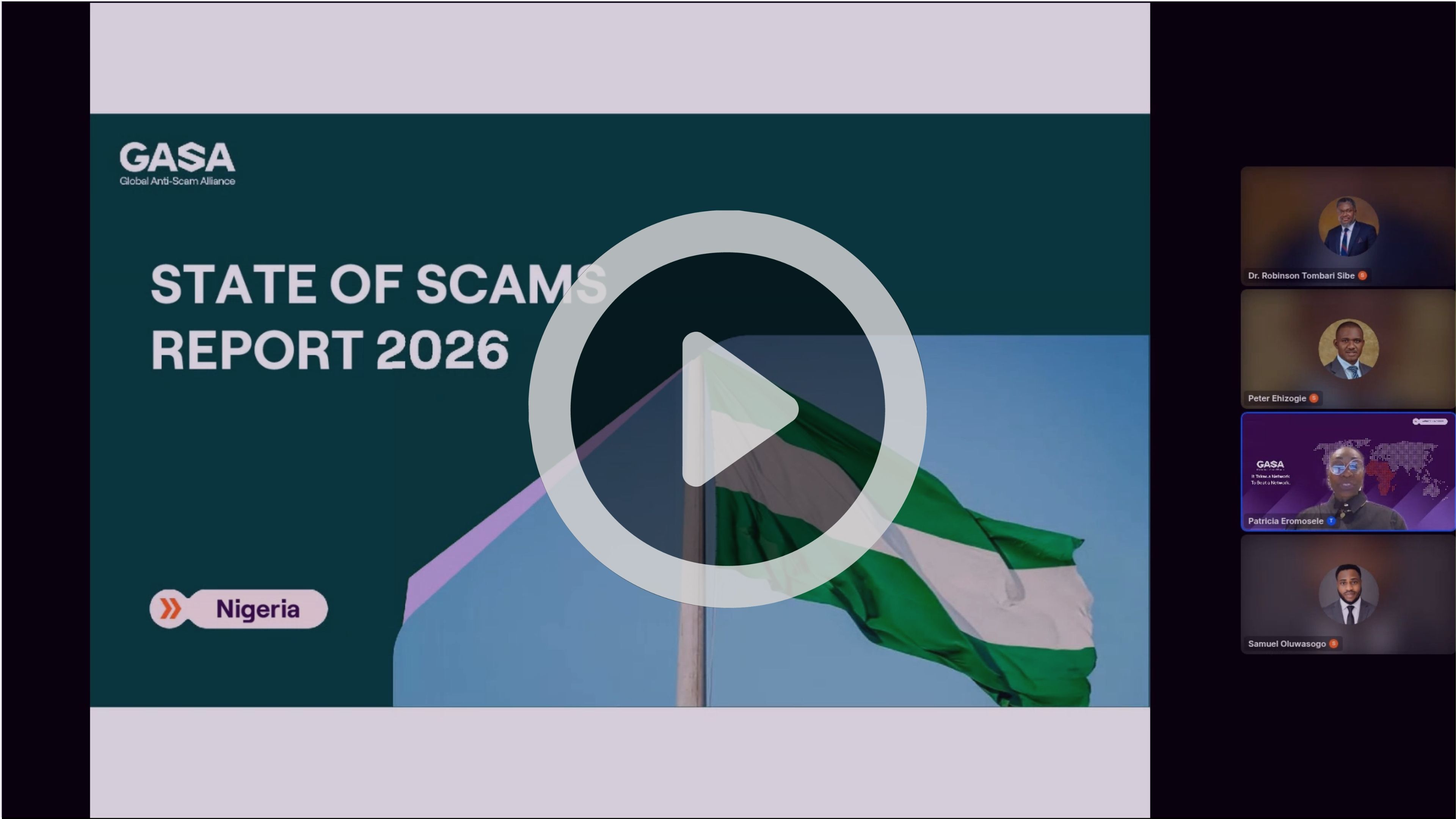
State of Scams in Nigeria 2026: A Comparative Review Across Africa
Nigerian experts examine scam trends, technology, consumer protection and the need for stronger cross-sector collaboration.
Nearly three in four Danish adults encountered scams as estimated losses reach DKK 10.1 billion
New State of Scams Denmark 2026 report finds scam exposure is rising, while victims face repeated financial and emotional harm.
Building a More Trusted Digital Philippines: New Report Underscores the Need for Collective Action as Scam Exposure Continues to Rise
GASA’s State of Scams in the Philippines 2026 Report, in collaboration with Mastercard and Gogolook, highlights the growing scale of the scam challenge in the Philippines.
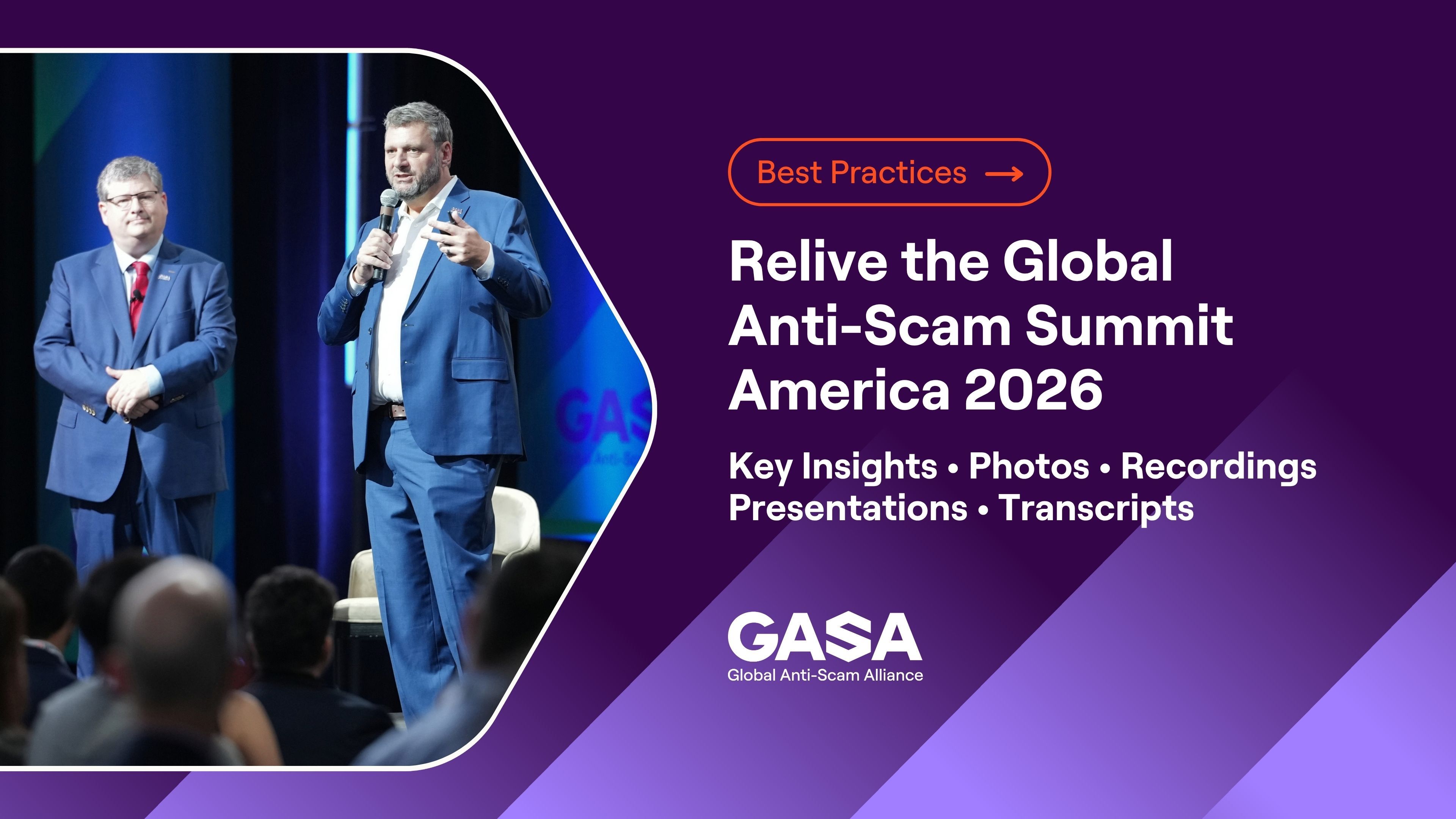
Global Anti-Scam Summit America 2026: Highlights, Insights and Resources
Explore GASS America 2026 highlights and insights, with the Summit summary, photos, presentation slides, transcripts and session recordings from San Francisco.
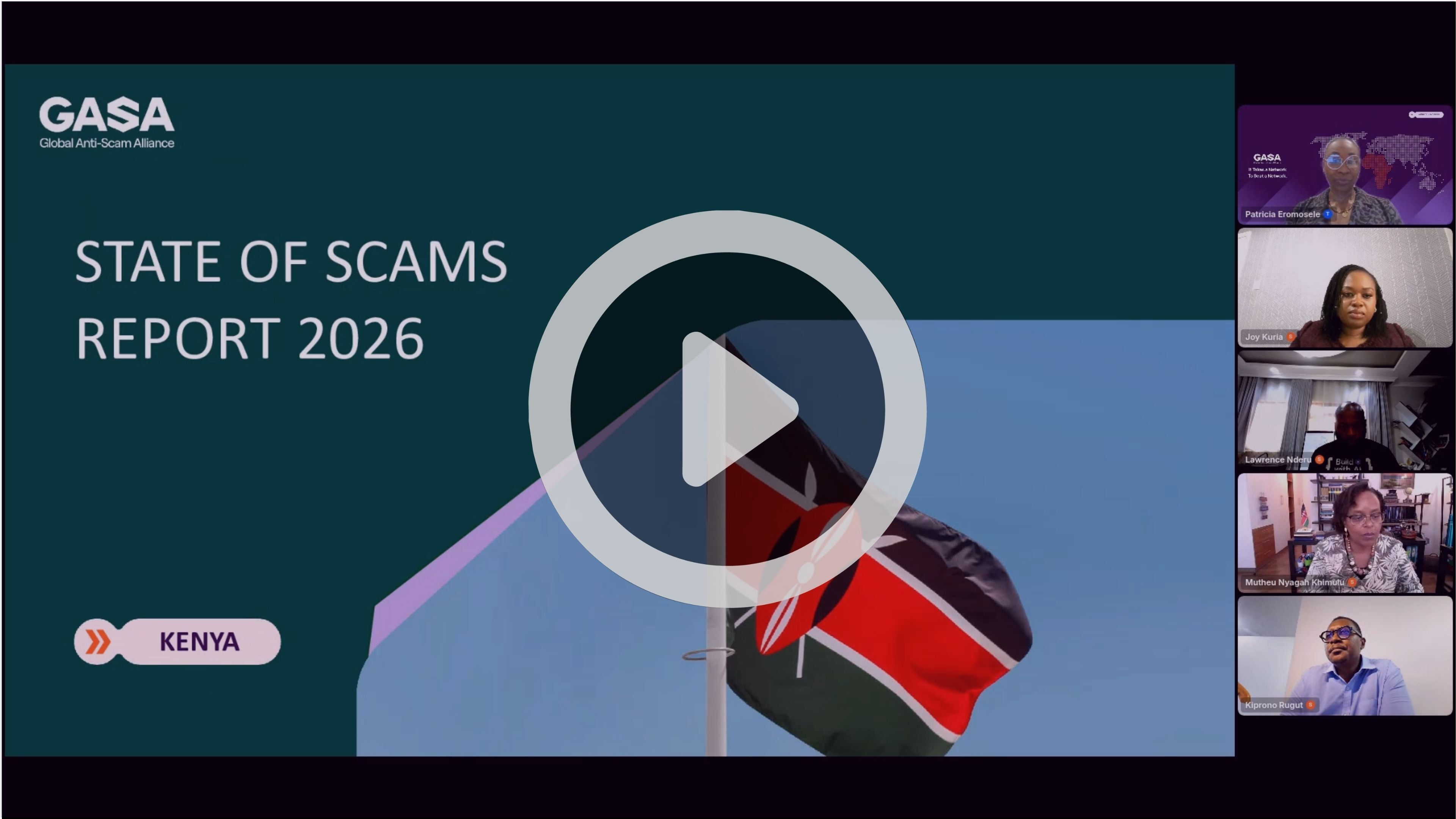
State of Scams in Kenya 2026: A Comparative Review Across Africa
Kenyan experts examine scam trends, data sharing, digital trust and the need for stronger cross-sector prevention.
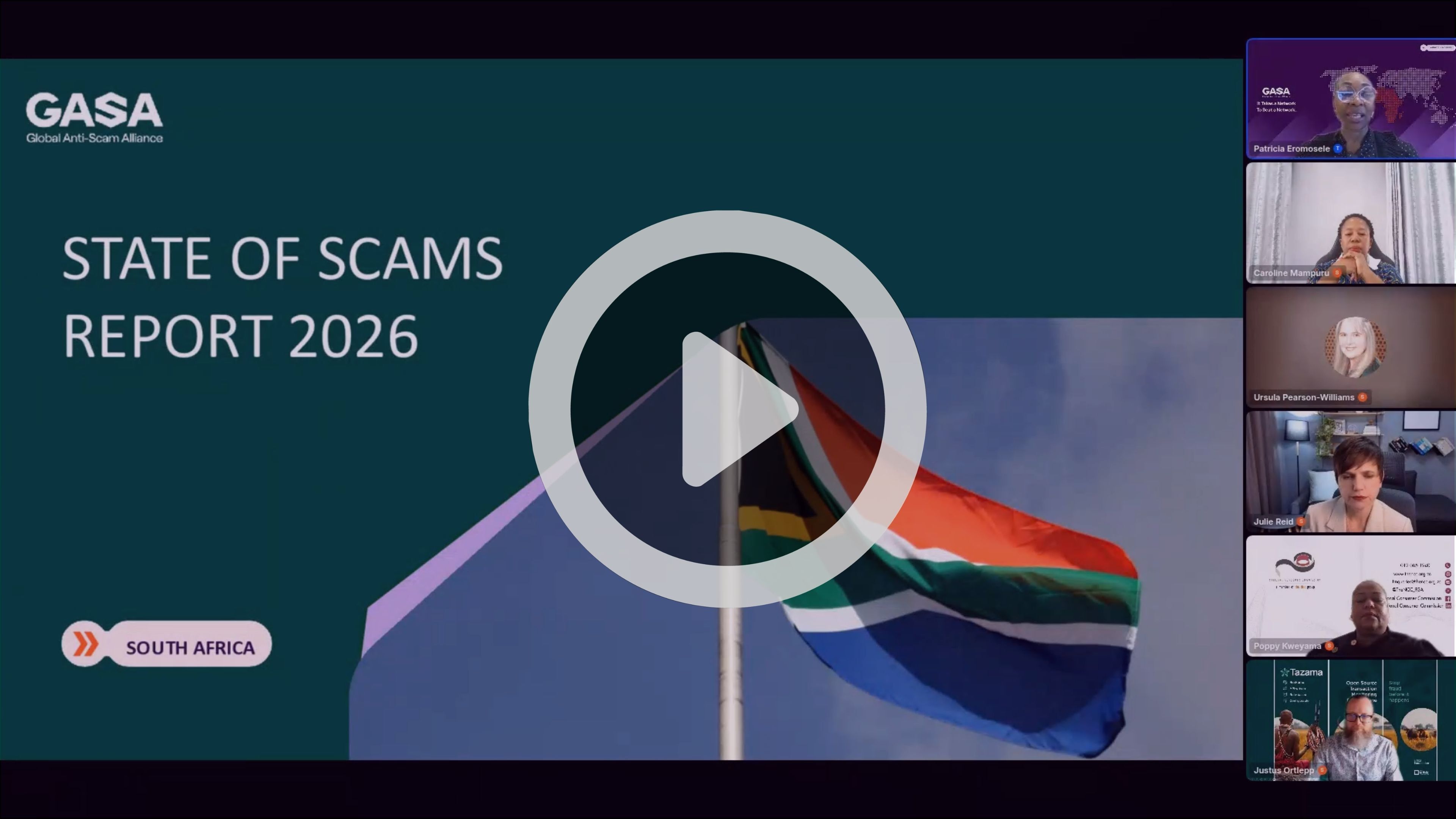
State of Scams in South Africa 2026: A Comparative Review Across Africa
South African experts examine scam trends, AI, consumer protection and the need for stronger cross-sector collaboration.
-3.jpg)
More than one in five adults in Japan encountered scams in the past year
New State of Scams Japan 2026 report examines how scams are reaching consumers and where stronger prevention and collaboration can make a difference