
Every year as Valentine’s Day approaches, many singles reflect on their relationship status and try to look for love. A significant portion of these people will end up searching for companionship or love online. As of 2020, there were estimated to be more than 270 million dating app users globally. ScamAdviser conducted a survey that reveals that a shockingly large number of users of dating sites and apps end up falling victim to various scams.
25% of the participants lost money in a dating scam
1,829 participants from 140 countries answered the survey, mainly single, young (18-35) and male. A staggering 25% of them reported having lost money in a dating scam. The median amount lost was $200 and the highest amount lost was over $1.2 million. Men lose on average three times as much as women. The most named dating scams are extortion scams, investment scams, fake profiles and unexpected requests for money.
On average, participants used 3 different dating sites or apps
The participants report having used 3 dating sites or apps on average within the last 12 months. The fact that the menace of dating scams is widespread throughout the entire online dating app landscape is brought to light as the number of different dating sites and apps named was huge. No single dating app or social media channel was named more than 5 times by the participants. It seems that there is no dating platform that is free from the risk of getting scammed.
Most participants are only moderately happy with their online dating experience
31% of the participants reported being unhappy with their online dating experience, while 32% said that they are moderately happy. 12% were happy and 25% were very happy.
Surprisingly, the Corona pandemic did not have a huge effect on the use of dating sites and apps according to the participants. 36% reported using dating apps less while the same percentage stated using dating sites more.
Do men get scammed for sex; women for love?
42% of the participants visit dating sites with one reason in mind. The prejudice that male data for sex and women for love is not entirely true. 58% of the participants have several goals in mind when dating online, looking for company is the most named reason, closely followed by a search for sex, data or life partner.
27% of the participants reported being confronted with fake profiles
The most named problem was that many of the profiles on dating sites are fake with 27% of the participants saying that they encountered fake profiles. The second most listed issue was that they unexpectedly had to pay money to contact or chat. 40% did not encounter any issues.
37% did not report the scam at all
While only 7% of all scams are reported , this is not the case for Romance scams. More than a third of online dating scams went unreported. The victims did not inform any parties, such as the dating site or app, the bank, law enforcement, consumer protection organizations or online review websites. Those who did report the scam reported it mainly to the dating site or app or to the social media platform used. 77% reported the scam to multiple parties.

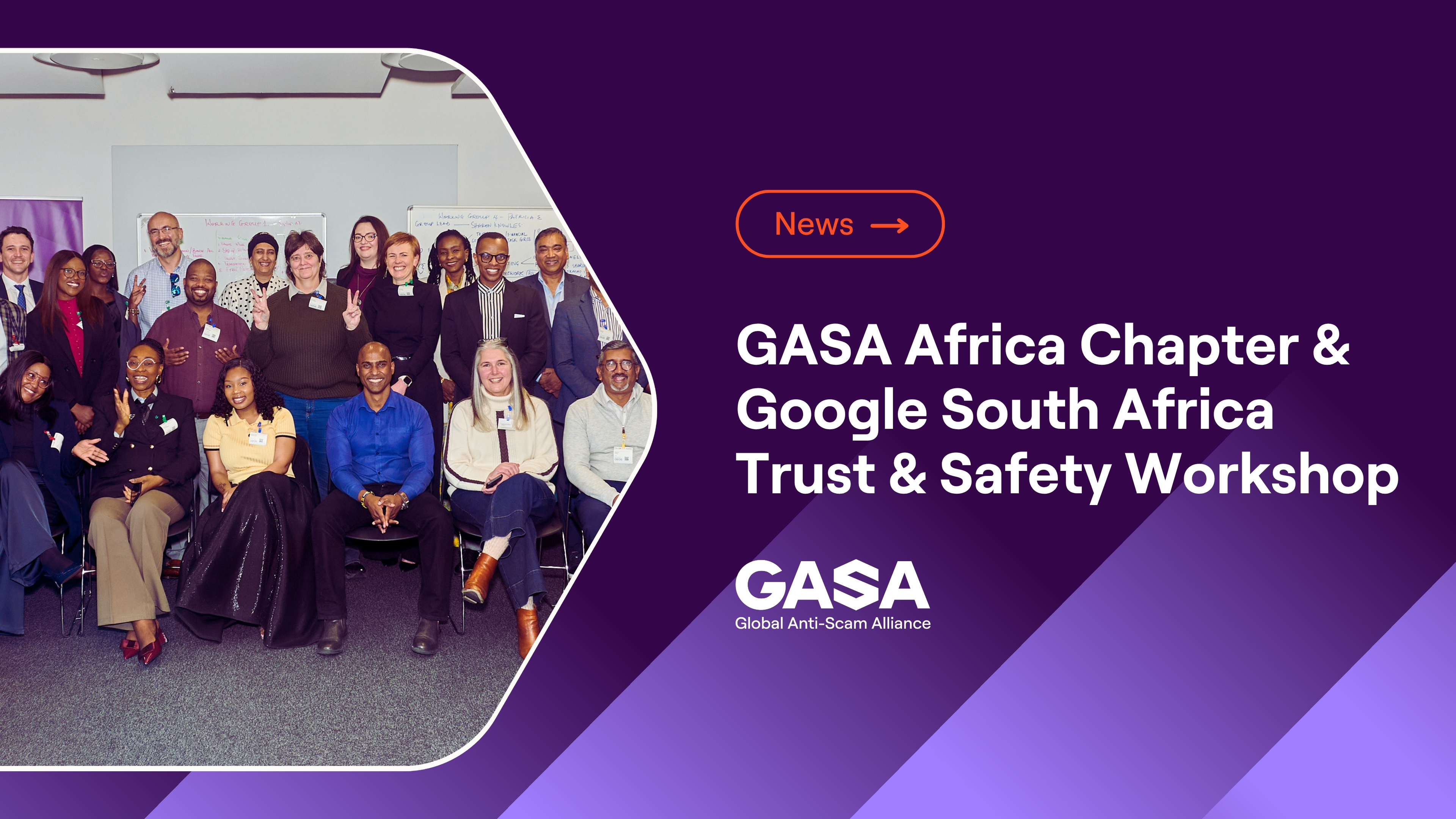
Accra Trust & Safety Workshop Turns Collaboration into Action Against Scams and Fraud in West Africa
GASA Africa Chapter and Google South Africa brought anti-fraud leaders together to strengthen cross-border cooperation and scam prevention.
State of Scams in Nigeria 2026: A Comparative Review Across Africa
Nigerian experts examine scam trends, technology, consumer protection and the need for stronger cross-sector collaboration.
Nearly three in four Danish adults encountered scams as estimated losses reach DKK 10.1 billion
New State of Scams Denmark 2026 report finds scam exposure is rising, while victims face repeated financial and emotional harm.
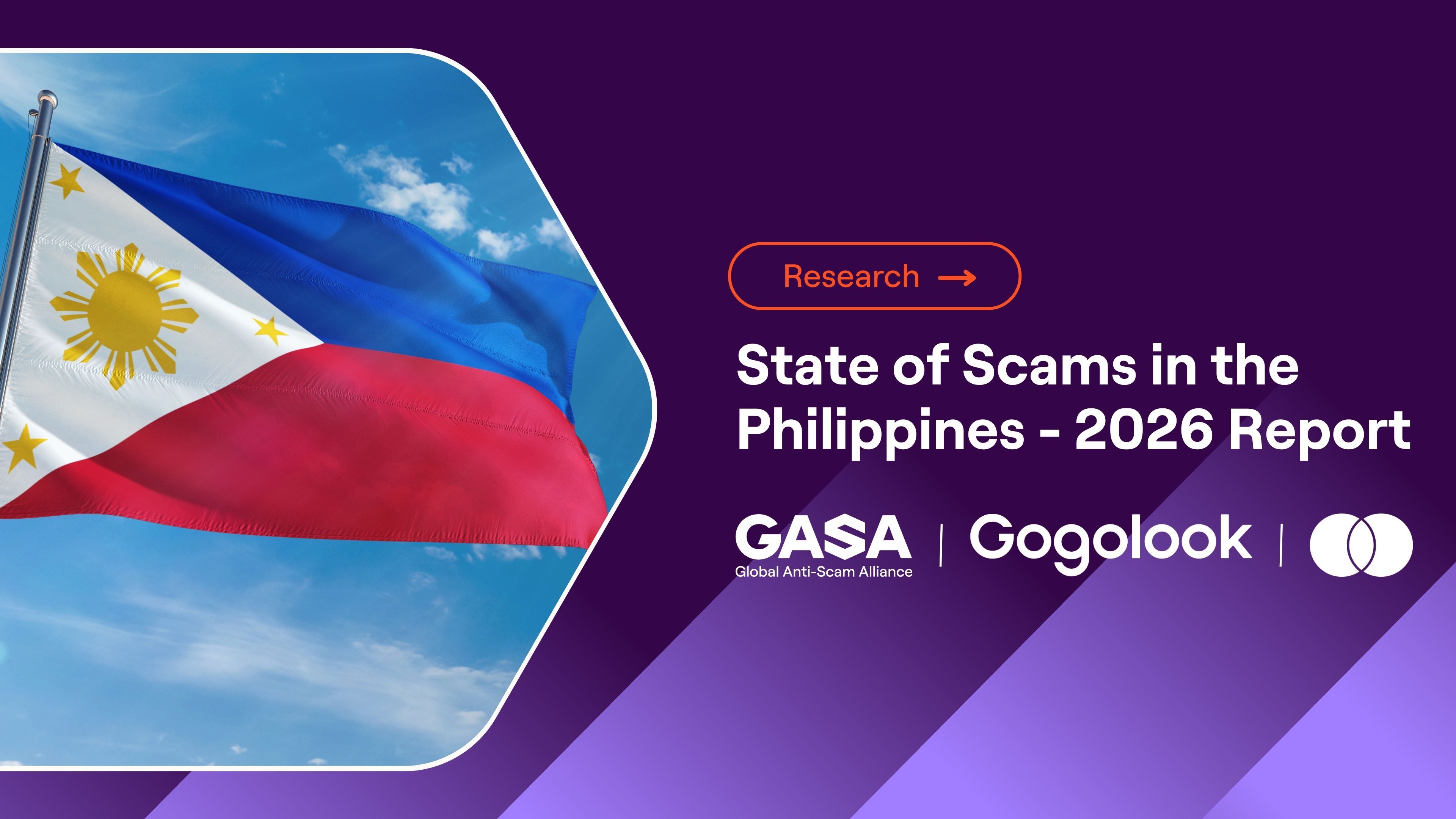
Building a More Trusted Digital Philippines: New Report Underscores the Need for Collective Action as Scam Exposure Continues to Rise
GASA’s State of Scams in the Philippines 2026 Report, in collaboration with Mastercard and Gogolook, highlights the growing scale of the scam challenge in the Philippines.
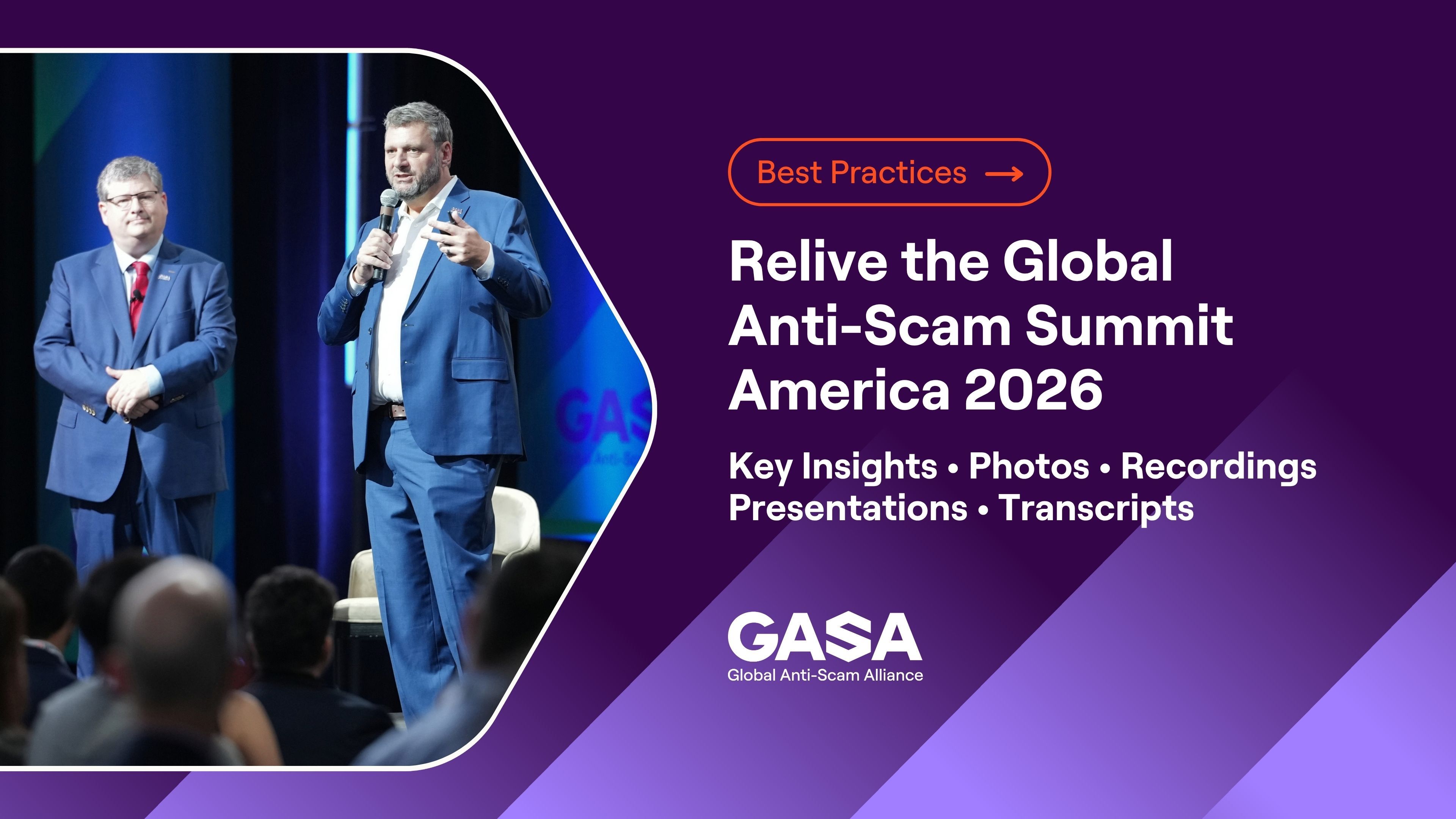
Global Anti-Scam Summit America 2026: Highlights, Insights and Resources
Explore GASS America 2026 highlights and insights, with the Summit summary, photos, presentation slides, transcripts and session recordings from San Francisco.
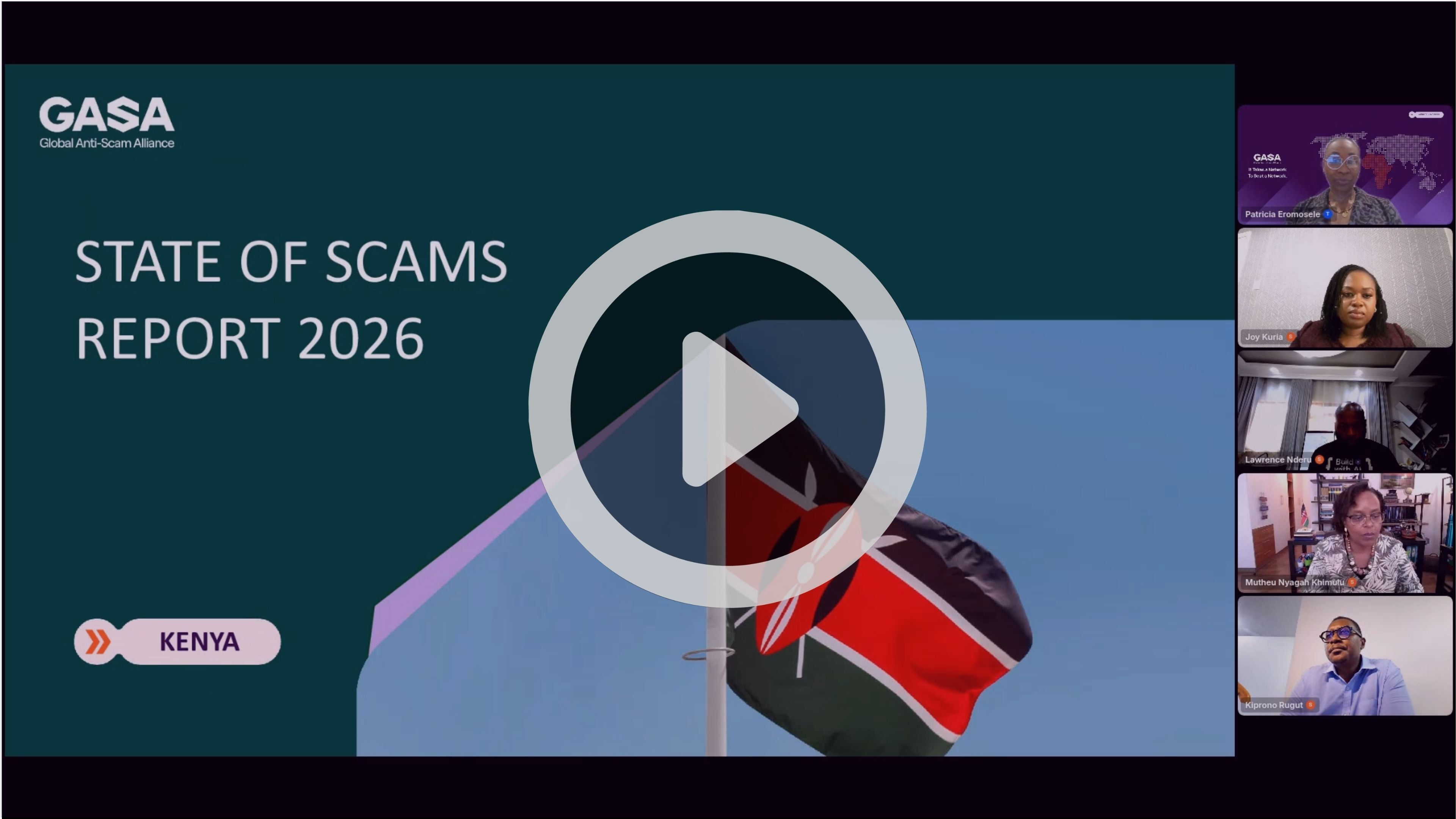
State of Scams in Kenya 2026: A Comparative Review Across Africa
Kenyan experts examine scam trends, data sharing, digital trust and the need for stronger cross-sector prevention.
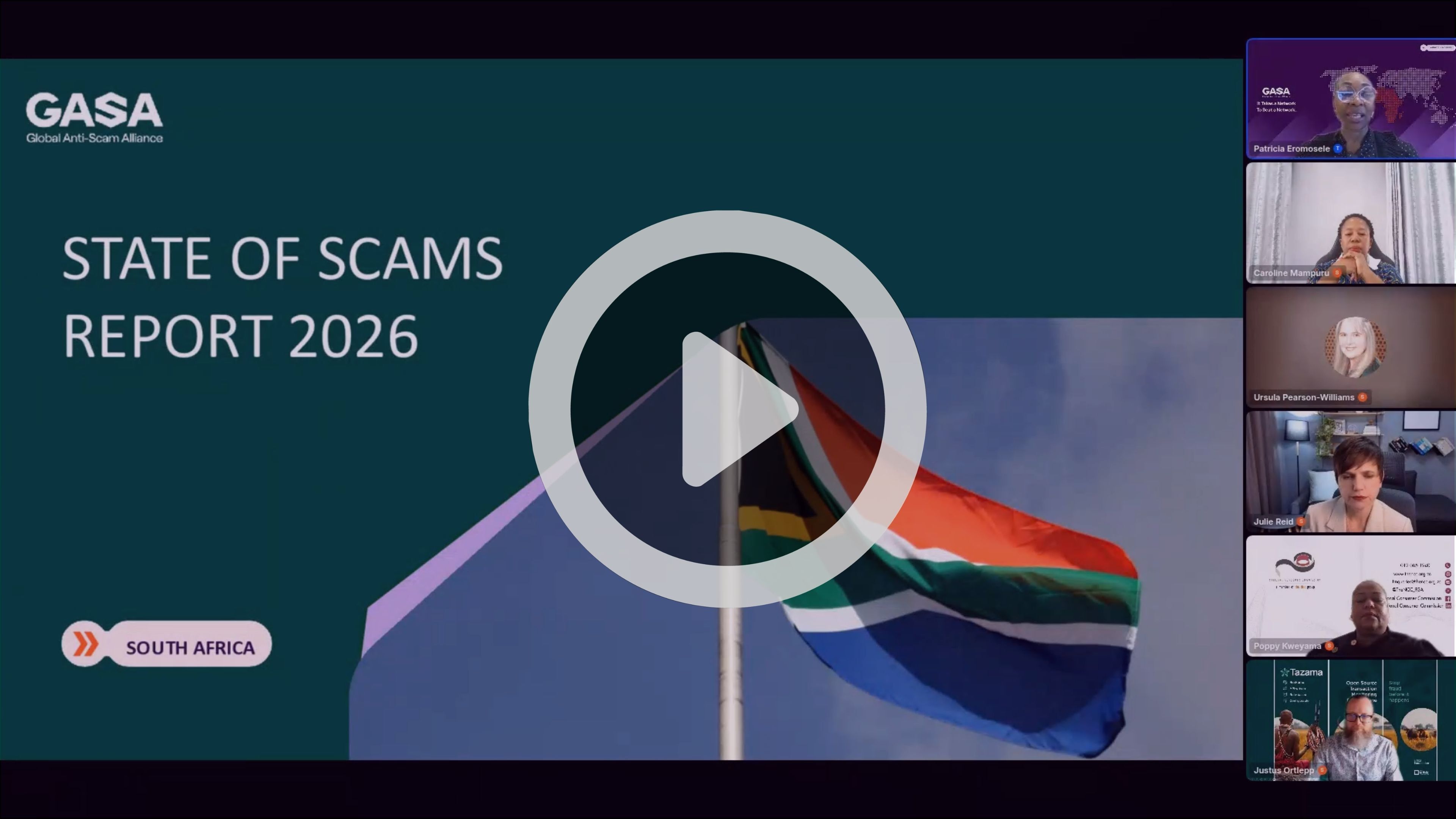
State of Scams in South Africa 2026: A Comparative Review Across Africa
South African experts examine scam trends, AI, consumer protection and the need for stronger cross-sector collaboration.
-3.jpg)
More than one in five adults in Japan encountered scams in the past year
New State of Scams Japan 2026 report examines how scams are reaching consumers and where stronger prevention and collaboration can make a difference