Workshop 6, Session 6.2: Cooperation Between Banks - Global Anti-Scam Summit Europe 2024.
Date of Event: 2024-06-25
Event: Global Anti-Scam Summit Europe 2024
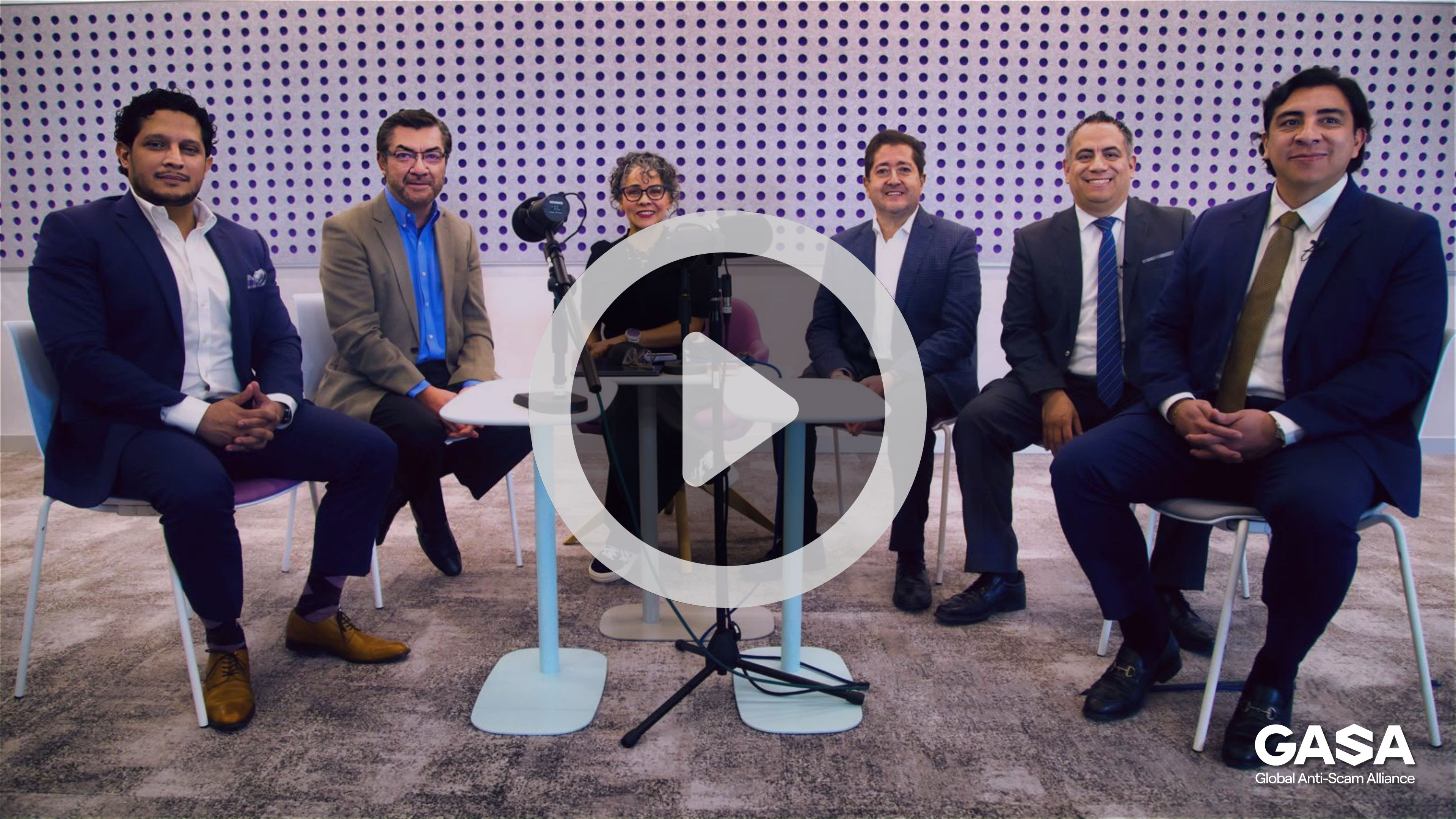
Moderator:
Meral Ruesing, Euro Banking Association
Panelists:
Alexandre Pluvinage, ING Belgium
Kristof Browaeys, KBC Bank
Douglas Lockhart, WSBI-ESBG
Introduction and Collaboration Initiatives by ING Belgium
Alexandre Pluvinage shared insights into ING Belgium's collaborative initiatives against fraud. Starting in 2011 after a series of fraud incidents, ING Belgium initiated the first discussions with the Belgian Banking Federation (Febelfin) despite initial skepticism. Over time, this led to the formation of a working group focused on cybersecurity and fraud prevention.
Kristof Browaeys on Collaboration and Operational Impact
Kristof Browaeys highlighted the evolution of collaboration from a focus on internet banking security to broader fraud prevention strategies. He emphasized the importance of regular meetings among banks and external stakeholders, such as law enforcement, to address operational challenges and enhance fraud detection capabilities.
Douglas Lockhart on Pan-European Cooperation
Douglas Lockhart underscored the importance of leveraging existing infrastructures like the Malware Information Sharing Platform (MISP) for sharing best practices across European banks. He advocated for standardized approaches like the EBA Fraud Taxonomy to facilitate data sharing and improve fraud detection efficiency across borders.
EBA Fraud Taxonomy and Future Directions Meral Ruesing introduced the EBA Fraud Taxonomy, developed by the Euro Banking Association to standardize fraud reporting and data sharing among payment service providers (PSPs) across Europe. The taxonomy aims to provide a common language and framework for describing fraud incidents, enhancing cross-industry collaboration, and aligning with EU regulatory requirements.
Q&A Session
During the Q&A, participants discussed the complexities of fraud classification models, comparisons between different international frameworks, and the potential expansion of the EBA Fraud Taxonomy to include wallet fraud and other emerging threats.
Latest blogs & research
Romance Scams in Brazil: Warning Signs and Prevention
Experts from Brazil discuss how romance scams work, their emotional impact, and how victims can protect themselves online.
De Viena a la Acción: GASA México y UNODC México Cierran Brechas Operativas
GASA México y UNODC México formalizan un Acuerdo de Intercambio de Comunicaciones, convirtiendo los compromisos globales de Viena en acción coordinada contra el fraude.
What the UN Global Fraud Summit Discussions Tell Us About What Comes Next
Watch expert discussions from the UN Global Fraud Summit on the industrialisation of fraud, global collaboration, public–private frameworks, and next steps for implementation.
Game Over for Scammers: Regional Defenses Against Online Gambling–Related Scams
Experts from INTERPOL, ACMA, and DGOJ examine how gambling-related scams operate and how global enforcement is responding.
What 22,000 Fraud & Cyber Crime Operator Signals Reveal About the State of Bank Attacks
Falkin's analysis of 22,661 fraud operator signals shows how bank attacks are evolving across regions, typologies, and AI-driven scam infrastructure.
Reinventing Fraud Detection Through Digital Fingerprinting and Link Analysis
A Microsoft white paper examines how digital fingerprinting and link analysis shift fraud detection from isolated events to connected, network-level intelligence.
On the Frontlines: Fighting AI-Powered Scams & Fraud
Experts from Microsoft, OpenAI, Google and C4ADS share how AI is shaping scams and how to fight back.
Telecoms on the Front Line: GASA at the Stimson Center Dialogue on Combating Scams
According to GASA’s Global State of Scams Report, telecommunications channels—voice and SMS in particular—remain a predominant “front door” for scams.