
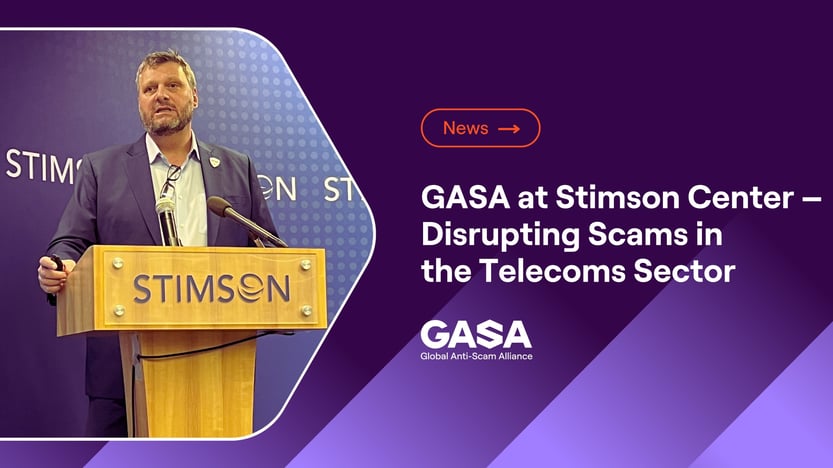
Last week at the Stimson Center, leaders from across the telecom, technology, and policy communities gathered to continue to address the hard truth: scams are no longer a fringe cybercrime issue—they are a systemic, global threat embedded in the communications infrastructure we all rely on.
In opening remarks at the Dialogue on Disrupting Scams in the Telecoms Sector, Global Anti-Scam Alliance (GASA) North America Chapter Director Nils Mueller grounded the conversation in data. The numbers are staggering: more than half of adults globally report experiencing a scam in the past year, with estimated annual losses between $442 billion and $1 trillion.
But beyond the scale of the problem, emphasized something even more urgent: if we are going to protect consumers effectively, we have to stop more scams where they begin.
Scams don’t start with a bank transfer.
They don’t start on a crypto exchange.
They start with a message. A phone call, a text message, an email. An unexpected point of contact that feels just real enough to engage.
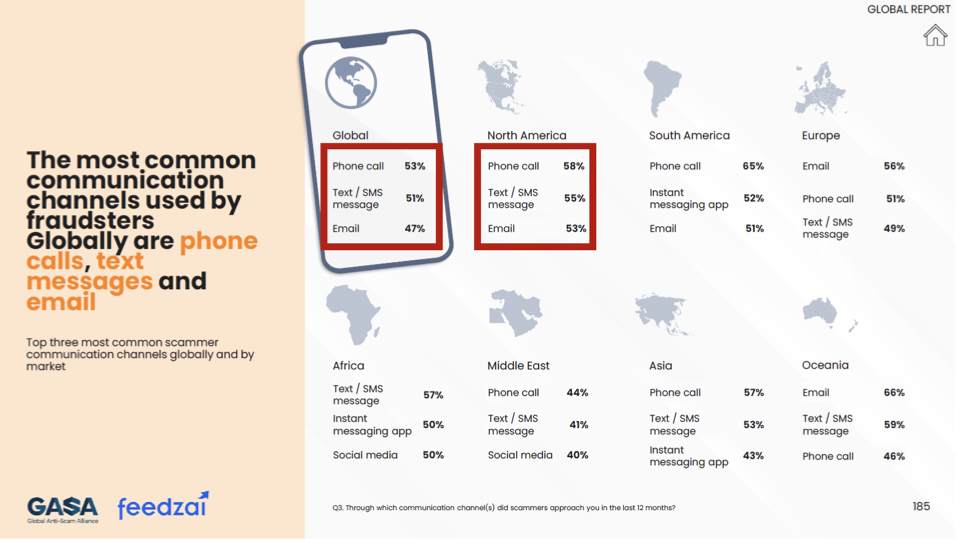
According to GASA’s Global State of Scams 2025 Report, telecommunications channels—voice and SMS in particular—remain a predominant “front door” for scams.
A Critical Intervention Point
This reality places telecommunications providers on the front lines of scam prevention. As Mueller noted at the event, stopping scams at the point of contact - before a victim is ever engaged - represents one of the most effective ways to reduce harm at scale.
Panelists at the Stimson Dialogue made it clear that progress is happening:
- Industry efforts are advancing. Josh Bercu shared insights from the Industry Traceback Group’s work to improve call authentication frameworks and traceback initiatives to identify and shut down bad actors.
- Technology innovation is accelerating. Eugene Liderman demonstrated how Google is already using AI to detect, flag, and intervene effectively with Android phone users during scam calls and texts in real time.
- Public-private collaboration is proving effective. Hubert Han shared how public-private partnerships have strengthened telecom security and raised consumer awareness in Singapore.
The Work Ahead
Despite these advances, speakers were clear: much more remains to be done.
Scammers continue to exploit gaps across jurisdictions, technologies, and regulatory frameworks. The increasing use of AI by bad actors is also raising the stakes, enabling more convincing impersonation and faster iteration of scam tactics.
To keep pace, participants emphasized that we need to continue advancing our strategies and improving our tools to:
- Detect and block spoofed or suspicious communications before they ever reach a consumer
- Deploy real-time analytics to identify scams in progress
- Strengthen onboarding and due diligence to prevent bad actors from exploiting networks
- Share intelligence across borders and sectors to disrupt scam operations at scale
The Path Forward: Shared Responsibility
The conversation at the Stimson Center made one thing clear: no single actor can solve this alone. But collective action is both possible—and urgent.
GASA’s research shows that, as AI helps criminals to create increasingly believable scam communications, consumers are looking to their providers and institutions to better protect them against scams.
Telecom providers have a unique and powerful opportunity to act as a first line of defense. But as the Stimson Center dialogue made clear, meaningful progress will depend on aligning innovation, policy, and industry action. By working together across sectors and borders, stakeholders can significantly reduce the volume of scam attempts—and the harm they cause.
Through its research, thought leadership, and network convenings, GASA continues to work to promote what’s needed:
- Expanded adoption of existing best practices, e.g. call authentication, network-level blocking, and real-time detection
- Continued investment in innovation, including AI-driven defenses that can match the scale and sophistication of modern scams
- Outcome-oriented cross-sector collaboration between telecom providers, technology companies, financial institutions, civil society organizations, and governments
- Greater global coordination, particularly to address cross-border scam operations
What can you do? Connect with our team if you’re interested in getting involved and being part of the solution.
The GASA North America Chapter brings together several leading organizations across the region to address scams and fraud. Learn more about the chapter and membership.
GASA will continue to build on these discussions through its global convenings, bringing together leaders across sectors to drive coordinated action against scams.
Global Anti-Scam Summit Europe 2026
9–10 June 2026
Convento do Beato, Lisbon, Portugal
Global Anti-Scam Summit America 2026
2–3 September 2026
Pier 48, San Francisco, California
Global Anti-Scam Summit Asia 2026
10–11 November 2026
Pullman Bangkok King Power, Bangkok, Thailand
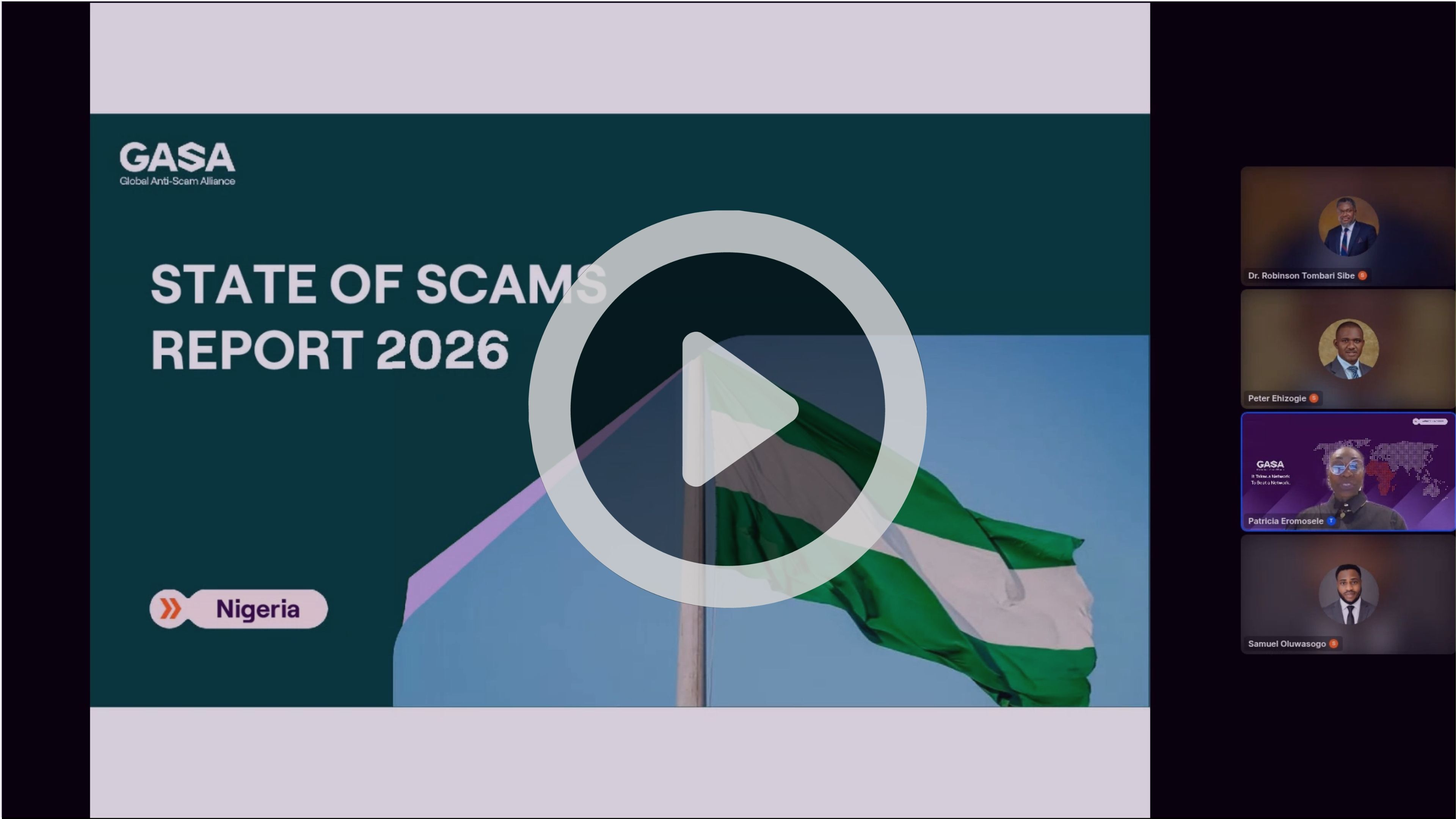
State of Scams in Nigeria 2026: A Comparative Review Across Africa
Nigerian experts examine scam trends, technology, consumer protection and the need for stronger cross-sector collaboration.
Nearly three in four Danish adults encountered scams as estimated losses reach DKK 10.1 billion
New State of Scams Denmark 2026 report finds scam exposure is rising, while victims face repeated financial and emotional harm.
Building a More Trusted Digital Philippines: New Report Underscores the Need for Collective Action as Scam Exposure Continues to Rise
GASA’s State of Scams in the Philippines 2026 Report, in collaboration with Mastercard and Gogolook, highlights the growing scale of the scam challenge in the Philippines.
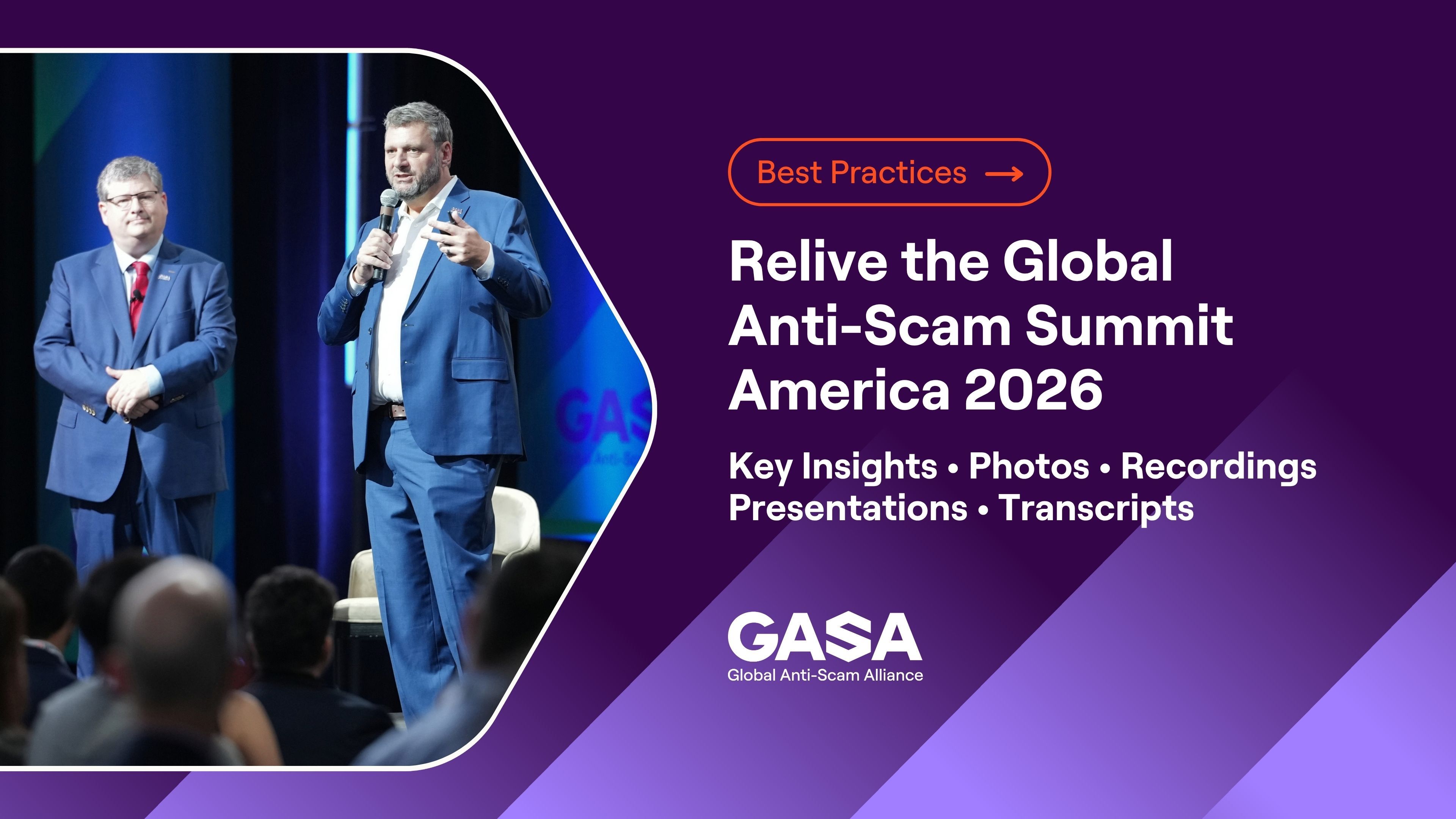
Global Anti-Scam Summit America 2026: Highlights, Insights and Resources
Explore GASS America 2026 highlights and insights, with the Summit summary, photos, presentation slides, transcripts and session recordings from San Francisco.
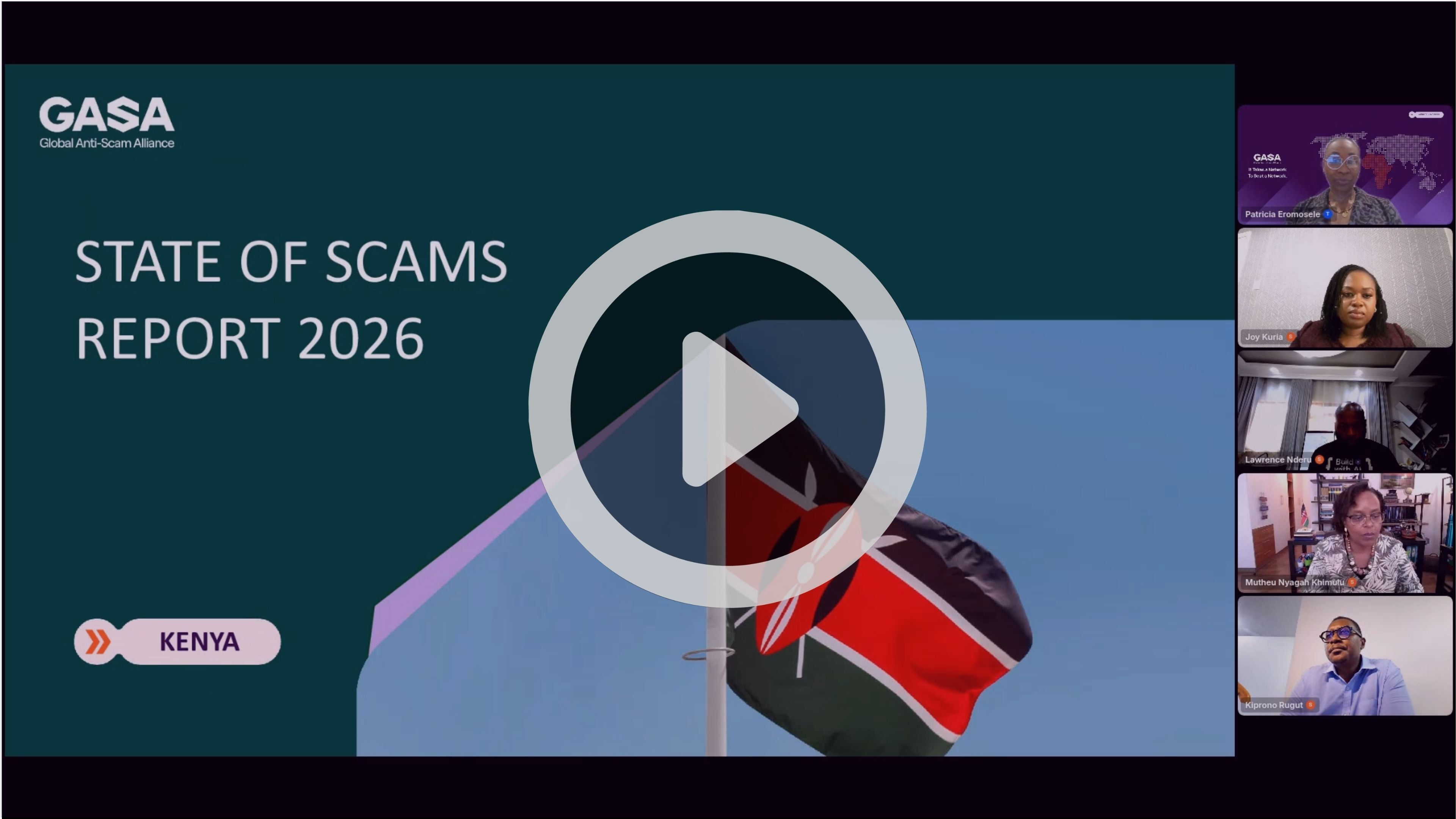
State of Scams in Kenya 2026: A Comparative Review Across Africa
Kenyan experts examine scam trends, data sharing, digital trust and the need for stronger cross-sector prevention.
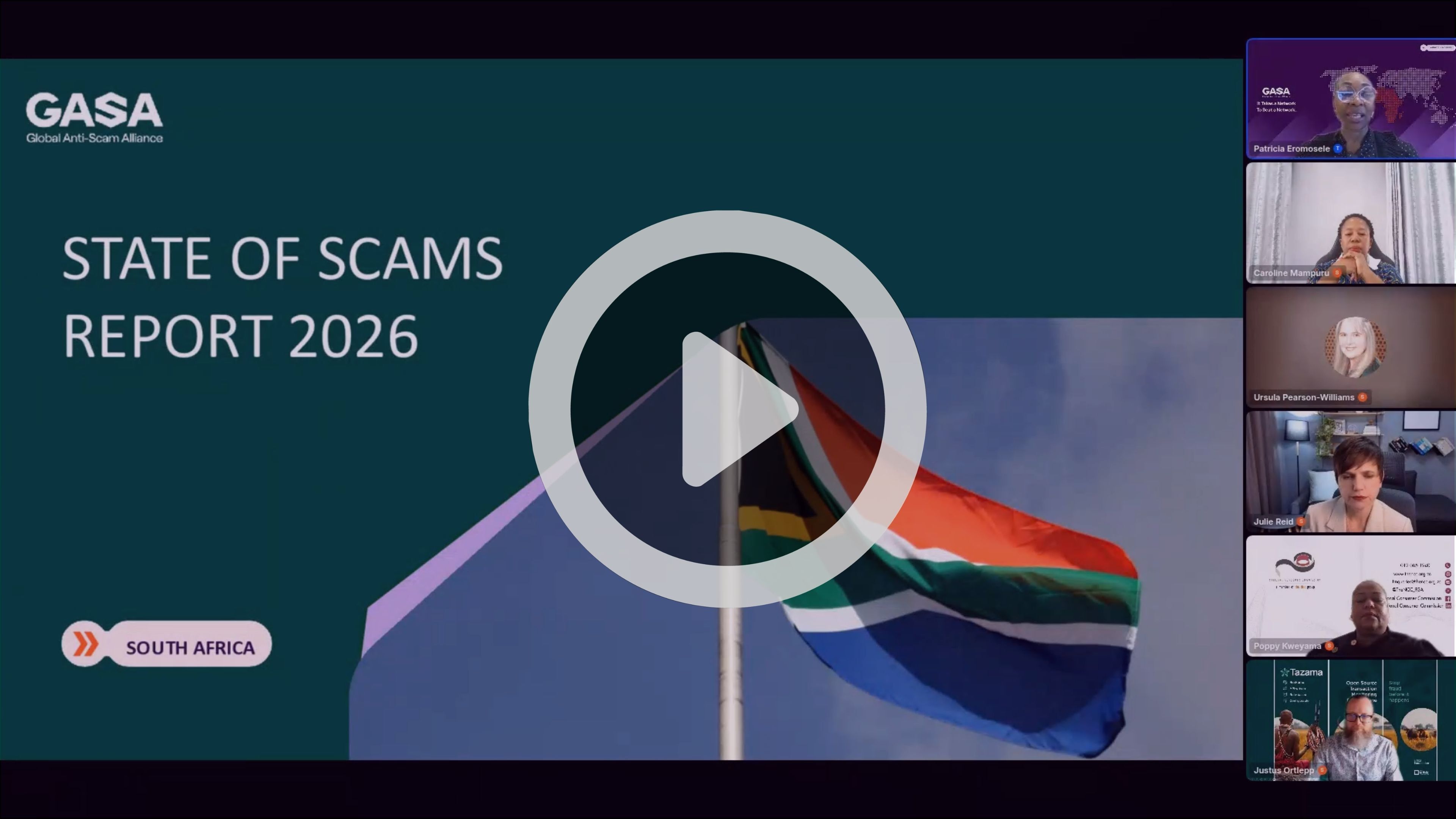
State of Scams in South Africa 2026: A Comparative Review Across Africa
South African experts examine scam trends, AI, consumer protection and the need for stronger cross-sector collaboration.
-3.jpg)
More than one in five adults in Japan encountered scams in the past year
New State of Scams Japan 2026 report examines how scams are reaching consumers and where stronger prevention and collaboration can make a difference
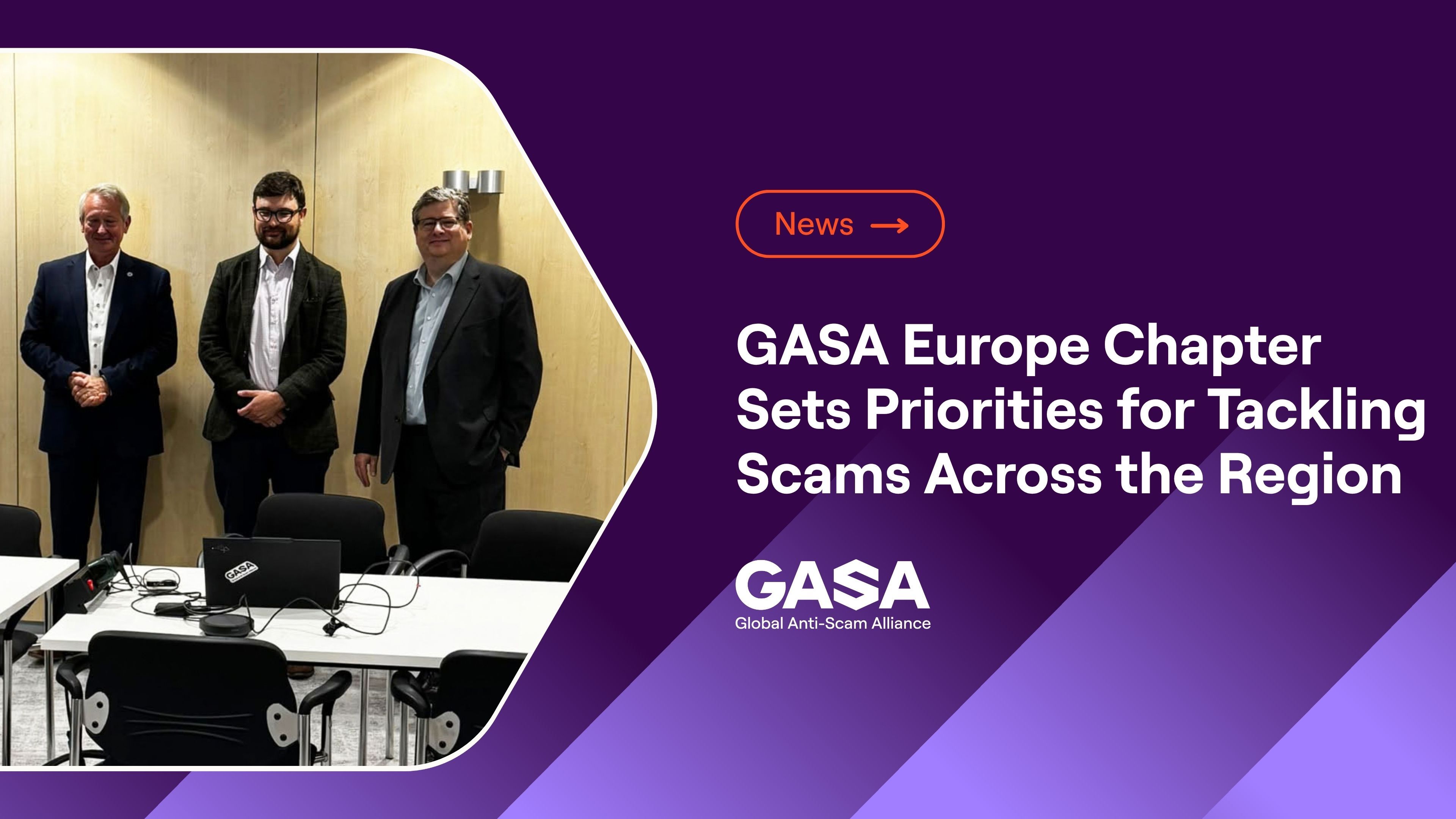
GASA Brings Stakeholders Together in Brussels for First Europe Chapter Meeting
GASA Europe brings 50+ stakeholders together in Brussels to discuss scam trends, data sharing and cross-sector priorities.