
Black Friday has become a fixture of the global shopping calendar, with millions of consumers hunting for deals both in-store and online. But as spending increases around the festive season, so do the efforts of fraudsters hoping to cash in on the shopping frenzy. This year, Visa’s analysis reveals a dual story: while fraud attempts reached new heights, so did the effectiveness of advanced fraud prevention.
Across Europe, Visa blocked 140% [1] more suspected fraud on Black Friday 2025 compared to Black Friday 2024, and 40% more than the previous Friday. In some markets, the rise was especially significant; for example, in Denmark, Visa blocked nearly 700% more suspected fraud compared to Black Friday last year, and more than 50% more than on the previous Friday. In France, the figure was double that of 2024.
Why the spike?
Black Friday’s popularity makes it a prime target for scammers. Common holiday scams include:
Fake shopping sites offering deals that are too good to be true
Package delivery scams
“Extra holiday cash” job scams
Travel fraud
Holiday charity scams
Advanced scams include the use of AI-generated content and fake ads flooding social feeds. Fraudsters are adapting quickly, making it harder for consumers to spot the difference between real and fake offers. One rising tactic is engagement bait: AI-generated content is posted to see who likes, comments, or shares, then those individuals are targeted with more sophisticated scams. Visa’s latest European research [2] reveals that people who mistake AI-generated content for the real thing are almost five times more likely to fall victim to a scam (62% vs. 13%).
How Visa Fights Back
The good news: Visa’s AI-driven fraud detection and real-time monitoring have significantly reduced fraudulent transactions, helping consumers shop with greater peace of mind. Our network works to protect every transaction year-round, no matter how big or small.
What Consumers Can Do
While technology provides robust protection, consumer vigilance remains essential. Here are top tips for staying safe:
Shop only on trusted websites—look for “https://” and check for spelling errors in URLs.
Set up purchase alerts with your card issuer.
Be wary of deals that seem too good to be true.
Use a debit or credit card whenever possible as this payment method carries zero liability, facilitates more expedient fraud resolution, and more advanced fraud protection.
Don’t click on links in unsolicited emails or texts about deliveries or job offers.
Black Friday 2025 proved that while fraudsters are more determined and sophisticated than ever, collective action and advanced technology can keep shoppers safe. The fight against scams is ongoing, but with continued investment in innovation and consumer education, the payments ecosystem is more resilient than ever.
[1] VisaNet Data – November 2025
[2] The research was conducted by Opinium, on behalf of Visa, between August and September 2025. This survey includes a nationally representative sample of 9,500 adults across 11 markets in Europe. The markets include UK, France, Germany, Italy, Poland, Romania, Hungry, Slovakia, Czechia, Spain, Bulgaria.

Allstate Identity Protection Joins the Global Anti-Scam Alliance to Strengthen the Fight Against Scams and Identity Theft
Allstate Identity Protection has joined the Global Anti-Scam Alliance (GASA) as a Corporate Member within the North America Chapter.
GASA and Whoscall Release 2026 Asia Scam Report – Taiwan
The 2026 Asia Scam Report – Taiwan, provides an in-depth look at scam exposure, channels, victim experiences, and scam awareness among people in Taiwan.

BanCoppel joins the Global Anti-Scam Alliance to bolster fraud prevention and safeguard individuals entering the banking system.
BanCoppel has joined the Global Anti-Scam Alliance (GASA) as a Corporate Member of the GASA Mexico Chapter.
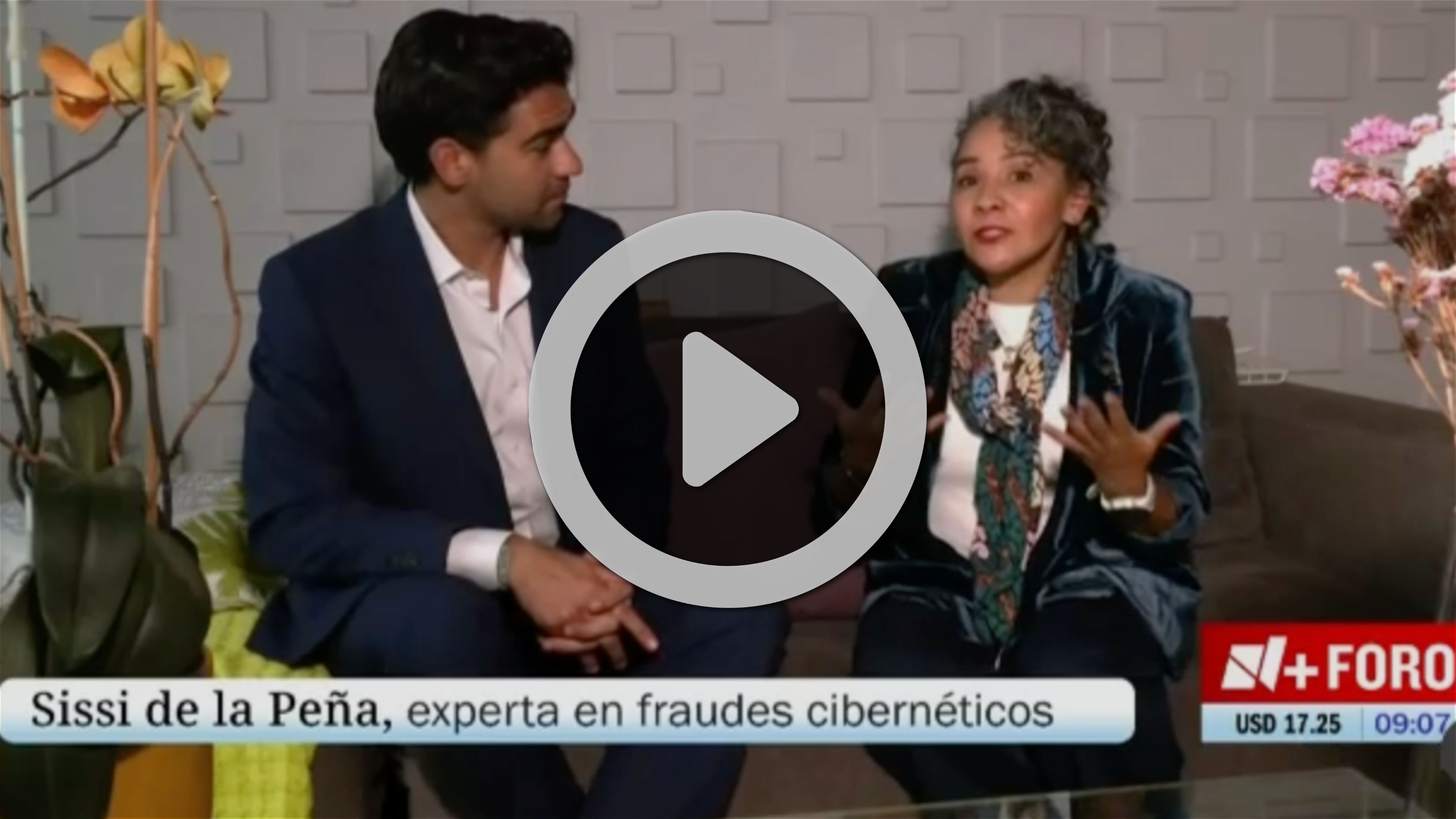
The emotions scammers exploit: how social engineering influences our decisions
How scammers use fear, urgency, excitement and trust to influence decisions, and how recognising these tactics can help people prevent fraud.

Global Anti-Scam Alliance Welcomes Mastercard as Founding Member of Its Mexico Chapter
The Global Anti-Scam Alliance (GASA) announces the membership of Mastercard as a Member of its Mexico Chapter.
What Uganda’s IVR Trial Shows About Practice-Based Scam Prevention
A Uganda IVR trial shows how practice-based fraud prevention helped mobile money users reduce losses and increase reporting.
FTC’s Never EVER Campaign Helps Prevent Elder Financial Abuse With Simple, Specific Scam Warnings
The FTC’s Never EVER campaign uses simple, specific imposter scam warnings to help prevent elder financial abuse and support coordinated consumer education.
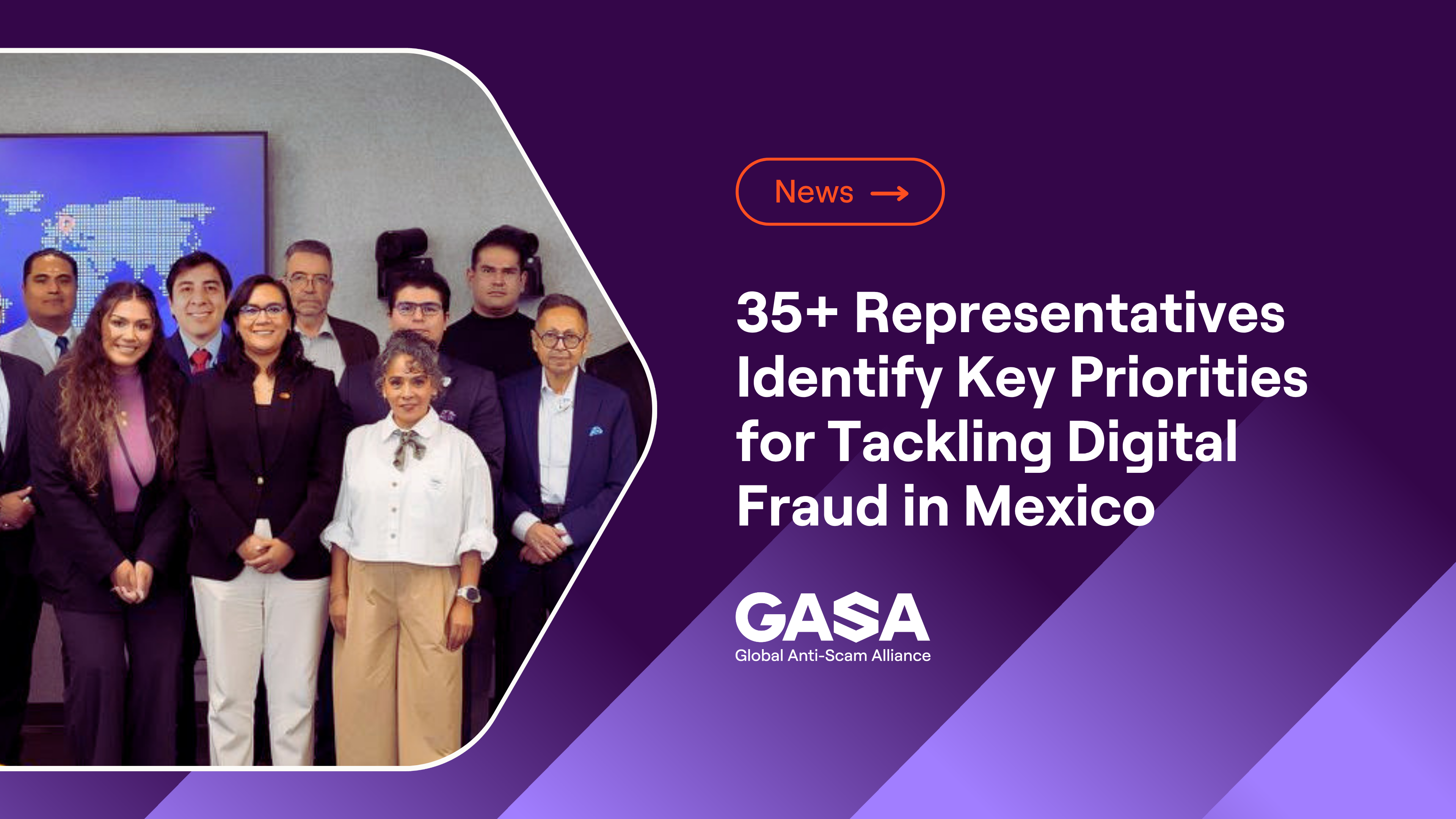
GASA Mexico's Second Roundtable Advances Coordinated Action Against Digital Fraud
GASA Mexico's second roundtable brought together more than 35 representatives to strengthen coordination across cybersecurity, fraud prevention and other sectors.