
Ken Westbrook is the Founder and CEO of Stop Scams Alliance.
The US has been woefully slow in tackling a tsunami of cyber scams. In the last two years, reported losses have rocketed. Over the same period, however, another country has transformed its fortunes. How is Australia bending the curve on scam losses but not the US?
The scale of the problem in the US shouldn’t be underestimated.
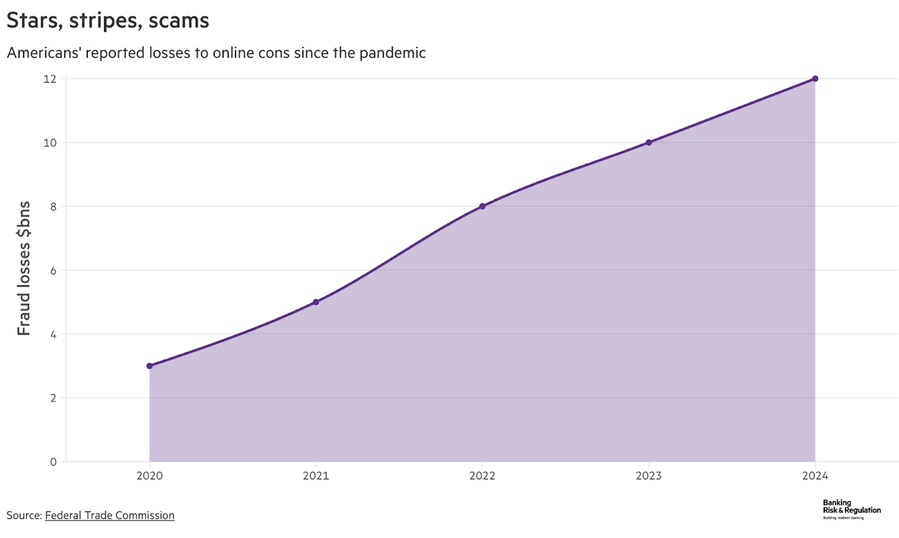
Americans reported losing $12.5bn in 2024 to online cons. This was a rise of 25 per cent compared with 2023 and a whopping 43 per cent increase since 2022, according to data from the Federal Trade Commission , though it has been trending upwards for years.
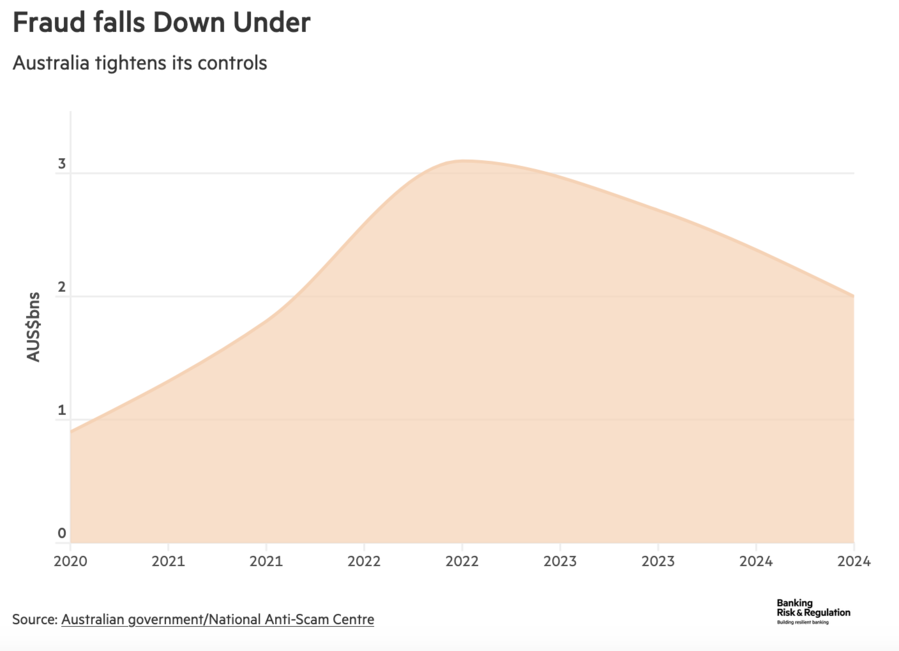
Most of the perpetrators are overseas, meaning most of this money is flowing out of the US into the coffers of transnational crime gangs. At the other end of the spectrum, Australia ’s National Anti-Scam Centre found fraud losses had plummeted by 35 per cent since 2022.
So what is the secret to Canberra’s success, and what could Washington learn?
First things first
Starting in 2022, the Australian government made fighting scams a national priority.
It created a strategy and appointed a leader, Federal Minister Stephen Jones, who declared: “The government is absolutely determined to keep Australians’ money safe from these criminals.”
By contrast, we don’t have a game plan or anyone in charge of fraud policy.
Australia established a National Anti-Scam Centre in 2023 to centralise data collection.
Banks, telecom companies, internet service providers, social media companies and law enforcement can share information on scams, enabling faster action and greater protection.
Nine countries have similar data-fusion hubs. The US isn’t one of them.
The Australian government also created a national-level awareness campaign — including TV commercials and social media ads — with simple, actionable messages to guard against scams.
Show me the money
If the US lacks a unified strategy, is it because exorbitant costs are a barrier to entry?
It would appear not. The Australian government has invested just $A180mn ($115mn) to fight fraud at the national level, and the private sector has also contributed.
So, for a relatively small price tag, Australia has shown that targeted action can save consumers billions of dollars. This money is no longer in the hands of overseas criminals. The US Congress, by contrast, hasn’t appropriated a penny.
___________________
‘Aussie rules’
Telcos block overseas calls that display a domestic number.
Legitimate companies and the government can register their sender IDs, making text message spoofs harder.
Citizens, banks, or other authorities can report and have fake investment websites swiftly taken down.
Only legitimate, regulated companies can place financial ads.
Banks require biometric information for opening accounts.
Banks have systems to verify the bank is really calling.
____________________
Fake views
Another critical tactic has been to take down phoney websites and ads.
The Australian Securities and Investments Commission has shut down more than 10,000 investment websites and online advertisements since July 2023. The UK has a similar capability.
Criminals have difficulty placing fake financial advertisements because the government has partnered with Google and Meta . This means only legitimate, regulated companies can place ads.
Ad authentication is also available in the UK, Singapore, and Taiwan. By contrast, this approach isn’t available in the US.
Not phoning it in
Australia’s success has also come from using stricter ID checks to unmask criminals. One focus has been a crackdown on ‘spoof’ calls and text messages by blocking international phones that pretend to come from a domestic number.
This has required working closely with telecoms companies.
Nineteen countries have adopted this method of protecting consumers from foreign scammers. But Americans don’t have a way of knowing when they receive a call from overseas, which is the origin of most of the scams.
Return to sender
Australia is also creating an “SMS sender ID registry” allowing companies to register their sender IDs so their text messages aren't spoofed.
Texts from legitimate companies or the government are difficult for criminals to spoof because these organisations can register their sender IDs, preventing criminals from usurping their names.
The UK and Singapore have similar anti-spoofing systems for texts.
This type of fraud is rife in the US. Recently, Many Americans began receiving text messages warning about an unpaid toll in 2024 and the scam has escalated in 2025. The attack has been traced to a network of China-linked cybercriminals on Telegram.
‘Call’ to action
In addition to the government’s coordinated efforts, some banks have introduced more robust controls. It is trickier for criminals to disguise their identity because — as of December 2024 — Australian lenders have required biometric information for opening accounts.
To prevent scammers from impersonating a bank via the telephone, Australian banks such as CommBank have built systems that allow customers to check if the bank is really calling.
Best will in the world?
Australia has set a national goal “ to ensure Australia is the toughest target for scammers” . The United States can — and must — do the same.
Our government lacks all these common-sense measures to fight fraud. The building blocks include creating a strategy with measurable goals, appointing someone to lead it, creating a data fusion hub, making it easy to report scams, and using authentication to make it harder for criminals to hide.
The US, too, can disrupt the scam business model by preventing criminals from abusing the internet, messaging and payment systems to defraud consumers. We have the technology. We just need the will.
'This article was first published on Banking, Risk and Regulation, an FT service which keeps you up to speed on cutting-edge developments on financial risk, non-financial risk, compliance and prudential regulation. For a free, three-week trial, go to this link (no credit card details required).


BanCoppel joins the Global Anti-Scam Alliance to bolster fraud prevention and safeguard individuals entering the banking system.
BanCoppel has joined the Global Anti-Scam Alliance (GASA) as a Corporate Member of the GASA Mexico Chapter.
The emotions scammers exploit: how social engineering influences our decisions
How scammers use fear, urgency, excitement and trust to influence decisions, and how recognising these tactics can help people prevent fraud.

Global Anti-Scam Alliance Welcomes Mastercard as Founding Member of Its Mexico Chapter
The Global Anti-Scam Alliance (GASA) announces the membership of Mastercard as a Member of its Mexico Chapter.
What Uganda’s IVR Trial Shows About Practice-Based Scam Prevention
A Uganda IVR trial shows how practice-based fraud prevention helped mobile money users reduce losses and increase reporting.
FTC’s Never EVER Campaign Helps Prevent Elder Financial Abuse With Simple, Specific Scam Warnings
The FTC’s Never EVER campaign uses simple, specific imposter scam warnings to help prevent elder financial abuse and support coordinated consumer education.
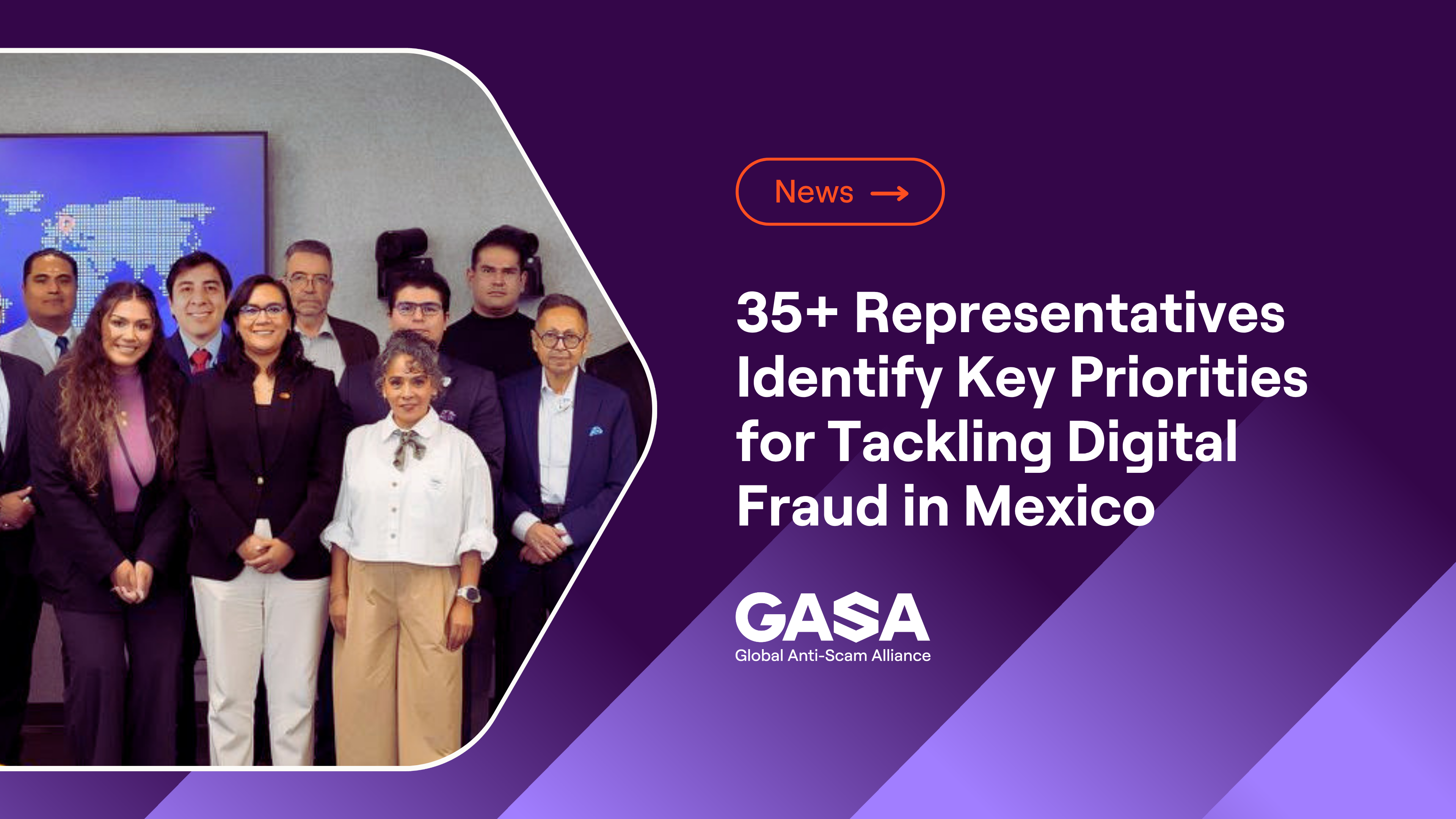
GASA Mexico's Second Roundtable Advances Coordinated Action Against Digital Fraud
GASA Mexico's second roundtable brought together more than 35 representatives to strengthen coordination across cybersecurity, fraud prevention and other sectors.
Cognyte Joins Global Anti-Scam Alliance to Fight Financial Fraud Threats
Cognyte, a global leader in investigative analytics software, today announced its membership in the Global Anti-Scam Alliance (GASA).
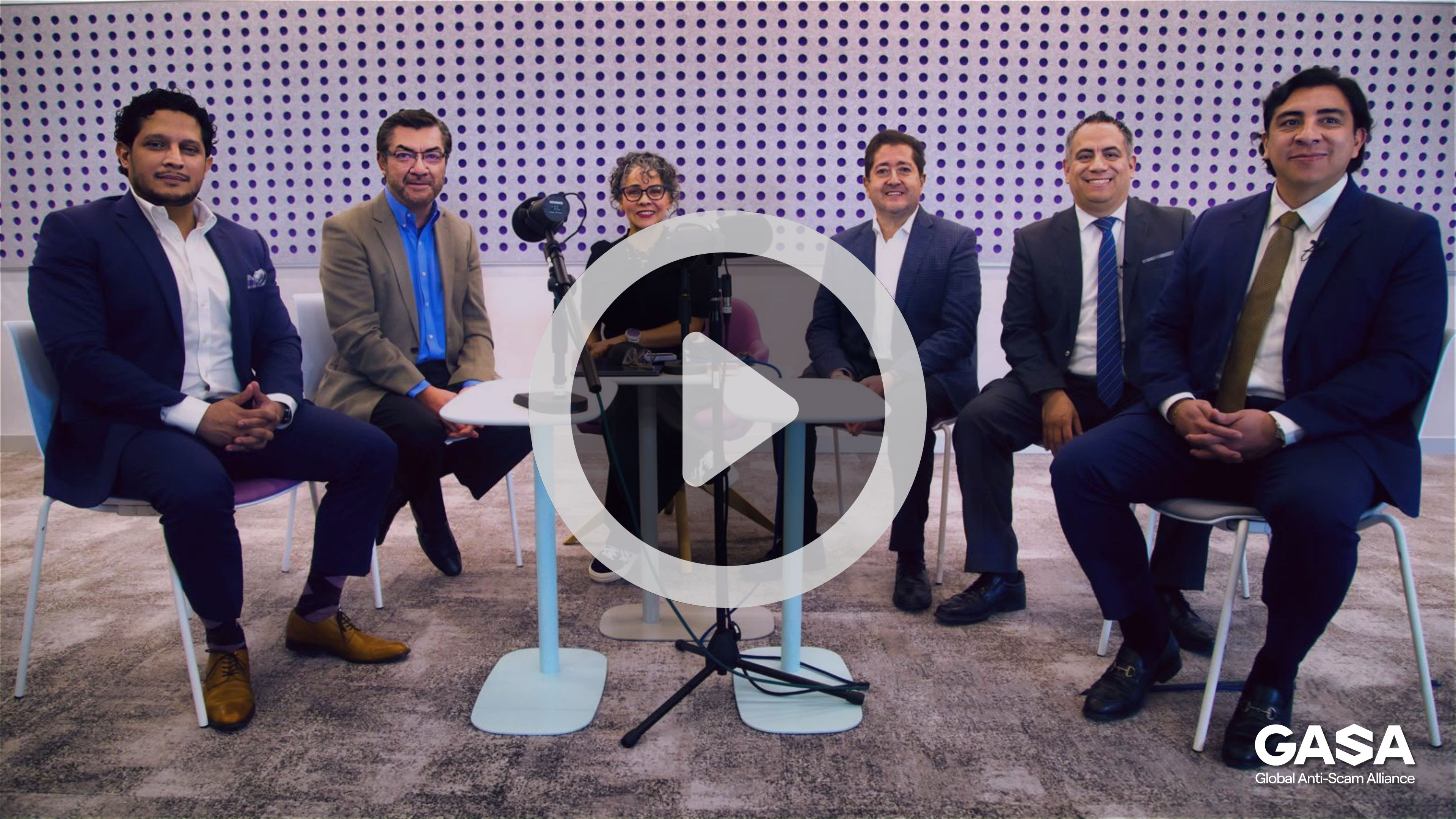
A network is beaten by a network: Mexico's banks move from remediation to prevention
GASA convened the ABM Fraud Committee and Mexican banks to advance the enriched agreement and strengthen coordinated fraud prevention across the sector.