
Date of Event: 26–27 March 2025
Event: Global Anti-Scam Summit London 2025
This workshop provided a rare, full-spectrum view of how scams unfold across the fraud attack chain—from infrastructure and identity to engagement and execution.
Rima Amin of Meta introduced the session with a breakdown of how threat actors move across platforms to engage victims. She detailed Meta’s efforts to slow down scammers using behavioural signals, throttled messaging, and the FIRE programme, which brings banks into the reporting process to improve scam takedowns.
Valeriya Greene of Mastercard covered the execution phase, where scams culminate in payments. She explained that banks often have just seconds to assess risk, and with limited data on recipients, decision-making is extremely difficult. Greene urged wider use of consortium-level and network intelligence to improve risk detection.
Sandra Peaston of Cifas focused on identity and money mules. She discussed the importance of onboarding checks, fraud monitoring, and real-time intelligence sharing. She also shared details of a UK initiative to help banks protect individuals who are known to be at high risk of scams.
Mark Robertshaw from the DNS Research Federation highlighted weaknesses in the infrastructure phase. His research revealed that most phishing domains remain active far longer than the 24-hour scam cycle. He called for shorter takedown times, registry accountability, and earlier detection.
Jen V. concluded the session with reflections from the National Crime Agency. She stressed the value of fast collaboration, data sharing based on suspicion (not just confirmation), and targeted pilots to raise the cost of fraud and close gaps across the ecosystem.

BanCoppel joins the Global Anti-Scam Alliance to bolster fraud prevention and safeguard individuals entering the banking system.
BanCoppel has joined the Global Anti-Scam Alliance (GASA) as a Corporate Member of the GASA Mexico Chapter.
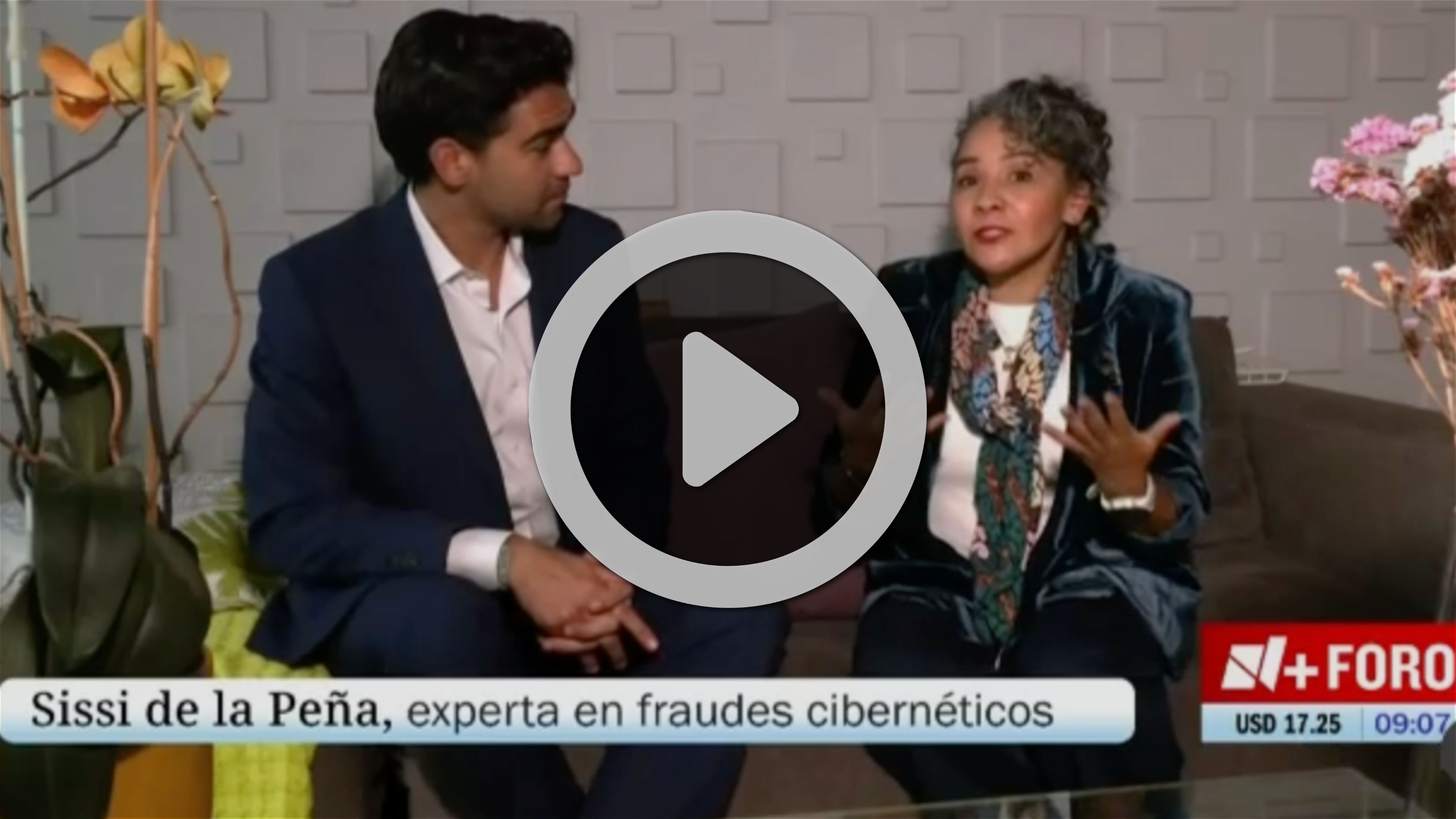
The emotions scammers exploit: how social engineering influences our decisions
How scammers use fear, urgency, excitement and trust to influence decisions, and how recognising these tactics can help people prevent fraud.

Global Anti-Scam Alliance Welcomes Mastercard as Founding Member of Its Mexico Chapter
The Global Anti-Scam Alliance (GASA) announces the membership of Mastercard as a Member of its Mexico Chapter.
What Uganda’s IVR Trial Shows About Practice-Based Scam Prevention
A Uganda IVR trial shows how practice-based fraud prevention helped mobile money users reduce losses and increase reporting.
FTC’s Never EVER Campaign Helps Prevent Elder Financial Abuse With Simple, Specific Scam Warnings
The FTC’s Never EVER campaign uses simple, specific imposter scam warnings to help prevent elder financial abuse and support coordinated consumer education.
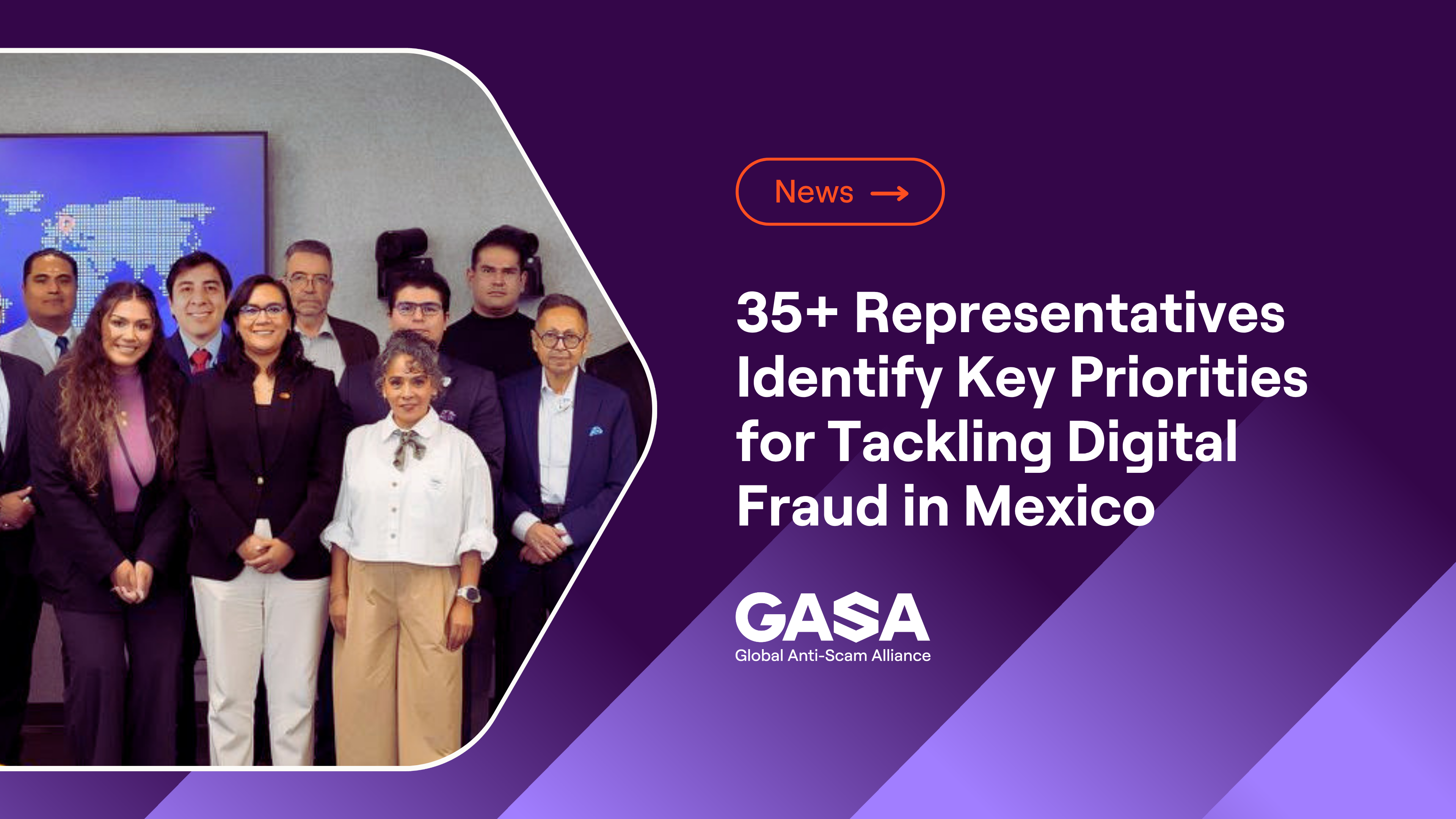
GASA Mexico's Second Roundtable Advances Coordinated Action Against Digital Fraud
GASA Mexico's second roundtable brought together more than 35 representatives to strengthen coordination across cybersecurity, fraud prevention and other sectors.
Cognyte Joins Global Anti-Scam Alliance to Fight Financial Fraud Threats
Cognyte, a global leader in investigative analytics software, today announced its membership in the Global Anti-Scam Alliance (GASA).
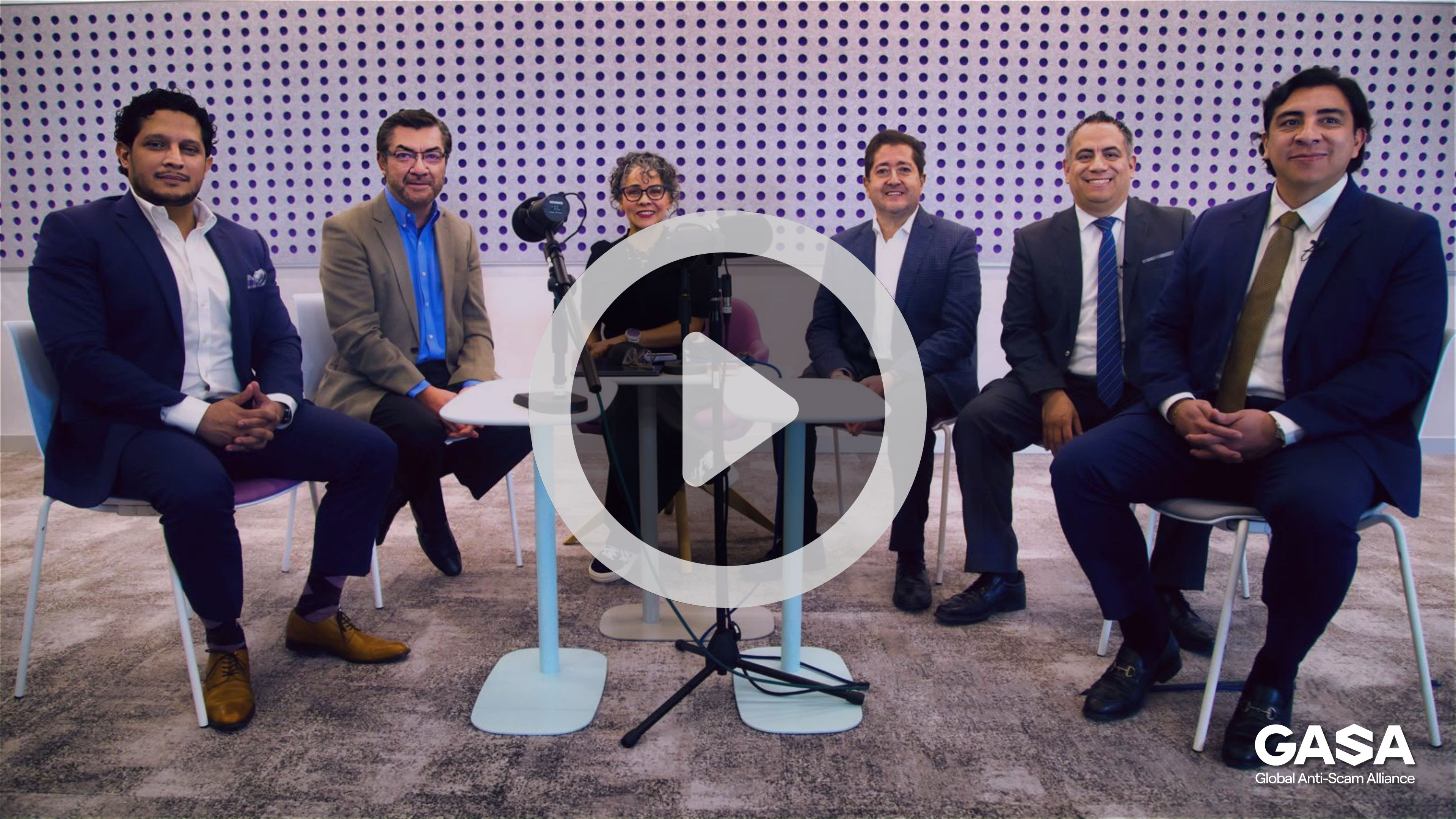
A network is beaten by a network: Mexico's banks move from remediation to prevention
GASA convened the ABM Fraud Committee and Mexican banks to advance the enriched agreement and strengthen coordinated fraud prevention across the sector.