
In a new initiative to combat the rise of digital scams, the Telecom Regulatory Authority of India (TRAI) has started inserting pre-call warning messages on outgoing calls. This measure is designed to raise awareness and protect users from falling victim to fraudulent activities. It aims to educate the public about prevalent scams, such as the infamous “digital arrest scam,” by alerting them before the call is connected.
A System to Alert Users Before Connecting Calls
The new system, which delivers warning messages in regional languages, is part of TRAI's broader strategy to combat scam-related crimes. The messages inform users about prevalent scams, including fraudulent calls impersonating TRAI, investment frauds, trading scams, and impersonation calls. These warnings also encourage users to report suspicious incidents to the cybercrime police.
For example, in Maharashtra, a Marathi-language message alerts users about fraudsters impersonating law enforcement officers and threatening disconnection of mobile numbers, including for KYC issues. As noted in the press release , TRAI does not initiate communication regarding disconnection and has not authorized third-party agencies to contact customers for such purposes. The warning also educates users about scams involving threats of mobile number disconnection and requests for personal information, particularly related to KYC or misuse.
This initiative builds on the use of similar pre-call warning messages during the COVID-19 pandemic, when telecom operators disseminated health-related information to the public.
Fighting the "Digital Arrest Scam"
The "digital arrest scam" has been a growing concern in India, where scammers use threatening tactics to convince individuals that they are being arrested due to legal issues, such as unpaid fines or involvement in criminal activity. These fraudsters often impersonate police or government officials and demand immediate payment to avoid arrest. Through the new warning messages, TRAI aims to warn users about such scams, empowering them to take the necessary steps to verify the claims and avoid becoming victims of these malicious activities.
The urgency of this issue is reflected in the attention it has received at the highest levels. For instance, Prime Minister Narendra Modi himself addressed the “digital arrest scam” in a public statement, urging caution and reinforcing the importance of staying informed and vigilant.
A Similar Initiative in Taiwan
TRAI's initiative is reminiscent of efforts by Taiwan’s Chunghwa Telecom, which has implemented a similar system to combat cross-border scam phone calls. Chunghwa Telecom’s International Fraud Calls Alert Service provides a voice warning for overseas calls, informing the recipient that the call is international and may be a scam. This initiative has led to a significant reduction in fraudulent calls by discouraging scam attempts before they can reach the user.
Conclusion
TRAI's pre-call warning messages represent an important step forward in India’s fight against scams. By leveraging the power of telecom operators such as Airtel, Jio, and Vodafone Idea, this initiative has the potential to reduce scam-related fraud by raising awareness among millions of users. By adopting this proactive approach, TRAI is helping to mitigate the risk of scams targeting Indian citizens. The introduction of these warning messages is a timely measure, especially as the digital arrest scam continues to grow in frequency and complexity.
As part of a broader anti-scam strategy, which also includes blocking fraudulent numbers, improving SMS traceability, and issuing public advisories, these pre-call alerts are a key element in building a more secure digital environment for consumers in India. For a deeper look into how TRAI is addressing cyber fraud, check out the details of TRAI’s new message traceability guidelines . These initiatives, combined with international efforts, could play a crucial role in protecting consumers and reinforcing trust in the country’s telecom systems.
About the Author
James Greening , operating under a pseudonym, brings a wealth of experience to his role. Formerly the sole driving force behind Fake Website Buster, James leverages his expertise to raise awareness about online scams. He currently serves as a Content Marketing & Design Specialist for the Global Anti-Scam Alliance (GASA).
James’s mission aligns with GASA’s mission to protect consumers worldwide from scams. He is committed to empowering professionals with the insights and tools necessary to detect and mitigate online scams, ensuring the security and integrity of their operations and digital ecosystems.

BanCoppel joins the Global Anti-Scam Alliance to bolster fraud prevention and safeguard individuals entering the banking system.
BanCoppel has joined the Global Anti-Scam Alliance (GASA) as a Corporate Member of the GASA Mexico Chapter.

The emotions scammers exploit: how social engineering influences our decisions
How scammers use fear, urgency, excitement and trust to influence decisions, and how recognising these tactics can help people prevent fraud.

Global Anti-Scam Alliance Welcomes Mastercard as Founding Member of Its Mexico Chapter
The Global Anti-Scam Alliance (GASA) announces the membership of Mastercard as a Member of its Mexico Chapter.

What Uganda’s IVR Trial Shows About Practice-Based Scam Prevention
A Uganda IVR trial shows how practice-based fraud prevention helped mobile money users reduce losses and increase reporting.
FTC’s Never EVER Campaign Helps Prevent Elder Financial Abuse With Simple, Specific Scam Warnings
The FTC’s Never EVER campaign uses simple, specific imposter scam warnings to help prevent elder financial abuse and support coordinated consumer education.
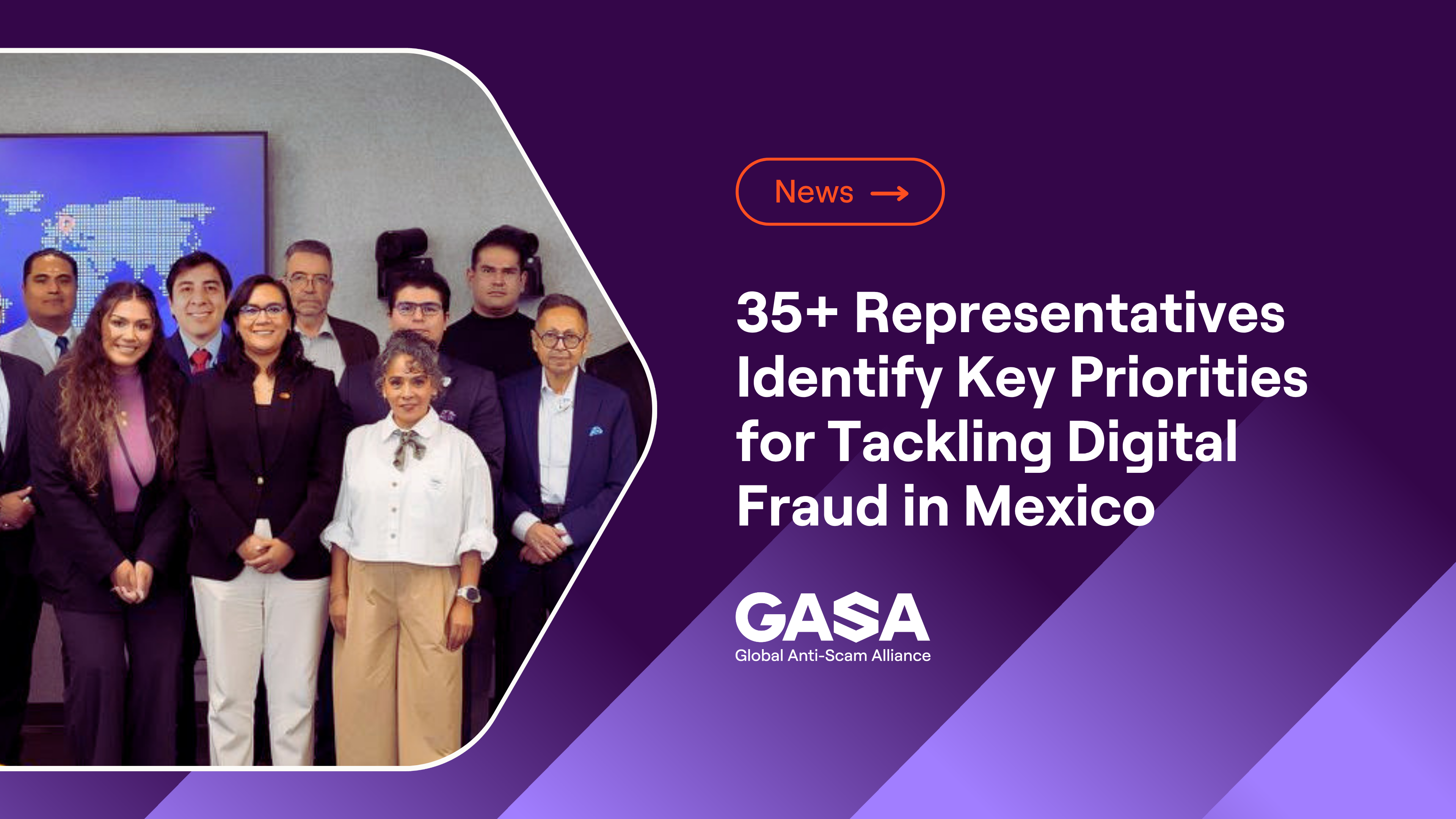
GASA Mexico's Second Roundtable Advances Coordinated Action Against Digital Fraud
GASA Mexico's second roundtable brought together more than 35 representatives to strengthen coordination across cybersecurity, fraud prevention and other sectors.
Cognyte Joins Global Anti-Scam Alliance to Fight Financial Fraud Threats
Cognyte, a global leader in investigative analytics software, today announced its membership in the Global Anti-Scam Alliance (GASA).
A network is beaten by a network: Mexico's banks move from remediation to prevention
GASA convened the ABM Fraud Committee and Mexican banks to advance the enriched agreement and strengthen coordinated fraud prevention across the sector.