
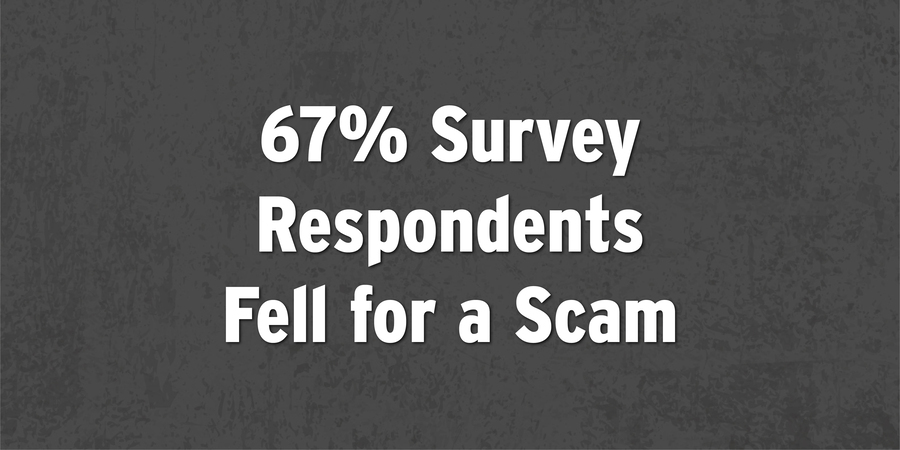
According to a study by ScamAdviser, of 4,300+ consumers, scammers reach nearly everybody. 62% of the survey participants are certain that they have been exposed to a scam in the last year.
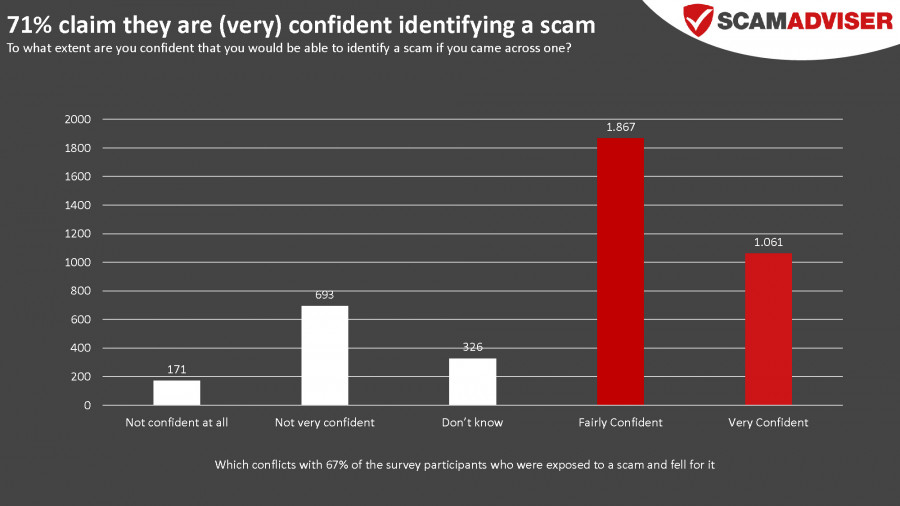
There is a huge gap between how good consumers think they are at identifying scams and the reality. 67% of the respondents who had been targeted by a scam said they had fallen for it. However, in spite of this high level of victimisation, 71% of the respondents believe they are (very) confident identifying a scam!
42% approached more often by scammers
The general perception is that the number of scams is increasing. 42% stated being approached (far) more often in the past year. Only 27% felt that they were exposed to less scams.
Phishing (35%) is still the most reported ‘popular’ scam. But fraudulent (cryptocurrency) investment schemes (25%), unexpected wealth scams (24%), the non-delivery of products ordered online and the delivery of fake or inferior goods sold online (both 21%) are gaining more and more ground.
Greed is not the most common cause
45% of the victims of scams do not identify the scam until it is too late. Another 24% state a lack of knowledge to identify the scam as the primary reason for having fallen for it. Greed and “taking a gamble” are named by 31% of the users as primary reasons for becoming a victim.
There are several reasons why consumers keep falling for scams. 41% of the consumers check reviews on external websites, which are increasingly fake. 19% checked for a website’s SSL certificate which gives no information on the trustworthiness of a website at all. Finally, 10% stated that they never check the website’s legitimacy at all.
Investment scams are on the rise
Most consumers who fell for a scam lost money (56%). 16% lost personal data, 6% were extorted, whilst 3% ended up participating in an illegal activity like money mulling.
The amount reportedly lost differs from $1.59 to nearly $700,000. The median amount lost was $400. In line with the rise of cryptocurrency scams, more victims report their losses in bitcoins and not their national currency.
Scammers are safe as consumers fail to report
Only 44% of the users report a scam when they are confronted by it. They primarily report the scam to review websites (21%), followed by the local police and the website’s hosting company and consumer protection authorities (each 14%). The national police are the least popular reporting channel (6%).
Of the 46% who claimed not to report a scam, 23% do not know to whom to report the scam to. 15% claim that reporting a scam is too complicated whilst 11% believe that reporting a scam would not make a difference.
Finally, the participants state that law enforcement agencies and governments are not doing enough to fight scams. 65% of our respondents perceived their police and governments efforts as (very) poor.
From this survey, ScamAdviser draws two key challenges that require addressing urgently. Firstly, consumers are either using outdated information or are simply not checking whether websites are fraudulent. Secondly, more must be done by law enforcement to improve public perception around fighting scams and to reassure the public that reporting a scam is important.
The full report was presented at the Global Online Scam Summit and can be downloaded below.
Bitdefender Report Reveals How Scams Operate Across Digital Channels
Bitdefender’s Global Scam Intelligence Report 2026 shows how organised scam campaigns move across advertising, websites, SMS, messaging apps and voice calls to exploit trust at scale.
Beyond Compliance: Why Organisational Accountability is Critical for Consumer Protection
How the NDPC-Meta initiative could strengthen data protection, organisational accountability, scam prevention and consumer trust across Nigeria’s digital economy.
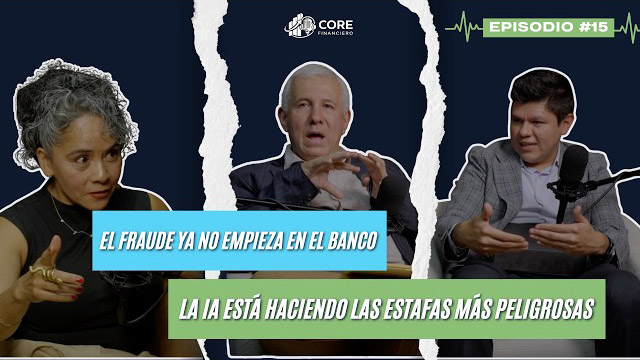
Why Mexico’s Anti-Scam Response Needs Cross-Sector Coordination
GASA Mexico Chapter's Sissi De la Pena explains why scam prevention in Mexico requires stronger coordination across finance, telecoms, platforms, government and civil society.
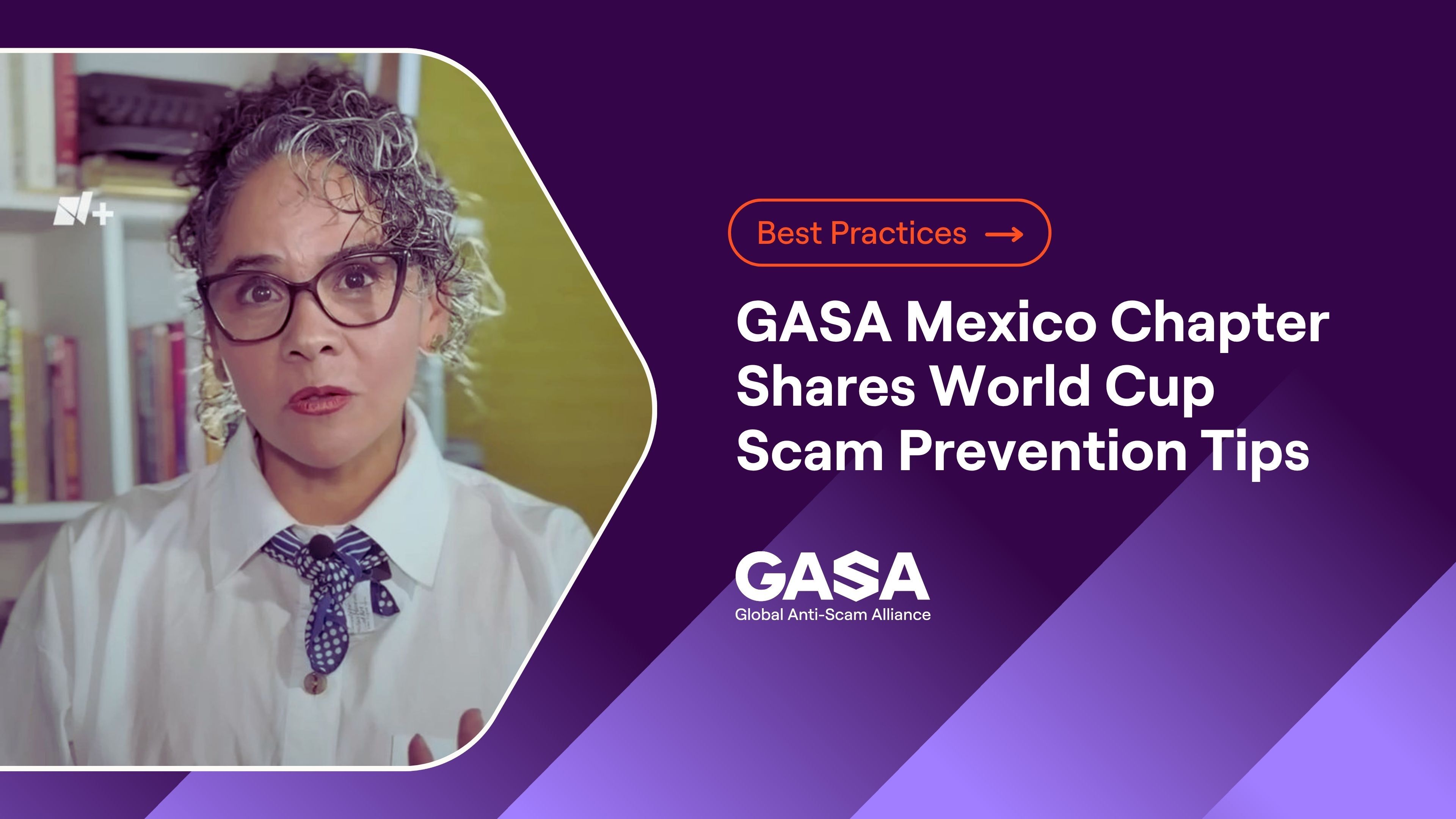
GASA Mexico Shares Scam Prevention Tips During the 2026 FIFA World Cup
GASA Mexico shares practical advice for football fans on avoiding ticketing, travel, phishing and payment scams during the 2026 FIFA World Cup.

Watch the Global Anti-Scam Summit Europe 2026 Session Recordings
Watch keynotes, panels, workshops, working group sessions and Scam Fighter Awards recordings from the Global Anti-Scam Summit Europe 2026 in Lisbon.
.jpg)
Public-Private Partnerships in Action: Key Takeaways From the Global Anti-Scam Summit Europe 2026
Key takeaways from the Global Anti-Scam Summit Europe 2026 on how public-private partnerships can strengthen scam prevention, intelligence sharing, regulation and victim protection.

Nomorobo Joins Scam.org to Shield Consumers from Fraudulent Calls and Texts
Nomorobo has joined Scam.org as a member partner, bringing call and text blocking technology into the platform to help consumers protect themselves from fraudulent communications.
Scams Continue to Rise in Germany: Two in Three Adults Encountered a Scam in the Past Year
The Global Anti-Scam Alliance (GASA), in collaboration with Worldline, has released the State of Scams Germany 2026 Report.