
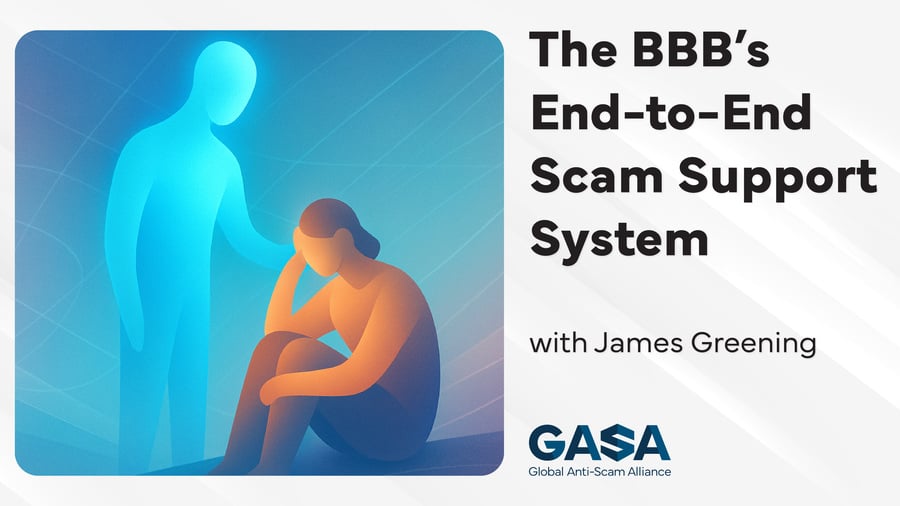
A scam can begin with something ordinary such as a message, a search result, a phone call. What follows can be confusing, costly and difficult to manage. Victims may face financial loss, threats, reputational damage or ongoing harassment. When they look for help, they often find that support is fragmented. There may be a place to report what happened, or a few warnings to read after the fact, but little else.
The BBB Institute for Marketplace Trust has developed an approach that addresses the entire scam experience. It offers a public-facing toolkit made up of three connected resources, each focused on a different stage of the scam lifecycle. The tools span prevention, detection and recovery, with each one designed to meet users where they are. The resources are free, easy to understand and available to anyone - a support system that addresses the full scam lifecycle.
Scam Prevention Guide: Reaching the Right People Early
The Scam Prevention Guide provides clear, practical information to help people avoid scams before they happen. It includes short videos, tip sheets,awareness quizzes and a scam risk calculator. Topics range from online shopping and job scams to phishing and investment fraud. The format is simple enough for individual use but also suitable for schools, libraries and community groups.
What makes the guide effective is not just its accuracy but its reach. There are no logins, no downloads and no paywalls. It is a resource designed for use at scale – not just by experts, but by anyone who needs it.
Scam Tracker: Turning Reports into Public Warnings
BBB Scam Tracker is a reporting platform and public database that allows people to look up and log scam activity. Once submitted and reviewed, reports are added to a searchable archive. Users can search by phone number, URL, email address, scam types, geographic location and more.
In 2024, BBB Scam Tracker was credited with helping users avoid an estimated $43 million in losses , based on data collected through the platform. That impact comes not just from enforcement or analysis, but from visibility. People are able to recognise scams faster when they can see what others are experiencing in real time.
Scam Survival Toolkit: Practical Recovery Support for Victims
According to the 2024 BBB Scam Tracker Risk Report , the top emotions scam victims reported were anger (60.3%) , loss of trust (54.0%) and anxiety or stress (53.5%) , underlining the need for tools that address emotional as well as financial recovery.
The Scam Survival Toolkit provides step-by-step guidance for those who have already been affected. Users can create a personalised recovery plan based on what happened to them, thereby only receiving the information they need. Developed for their users in the U.S. and Canada, it provides resources based on if the person is an individual or small business owner, where they live, and if they are a U.S. military consumer. .It includes advice on reporting, reversing transactions, securing accounts and repairing impacts to their financial and credit health.
Importantly, the toolkit also addresses the emotional side of recovery. It acknowledges that victims often feel shame or isolation, and that reassurance is just as important as instructions. The language is clear and supportive, helping users focus on what they can do next.
A Model for Accessible, End-to-End Support
The BBB’s toolkit is not just a collection of resources. It is a functioning model for how public scam support can be delivered – without complexity, cost or redirection. Each tool can be used on its own, but together they offer a rare example of coordination across the full timeline of a scam.
“BBB will continue to expand the capabilities of the BBB Scam Tracker platform to address the ever-evolving scam landscape,” said Melissa Lanning, BBB Institute’s executive director. “Providing end-to-end support, and making those resources free and accessible, is vital to empowering people in any stage of a scam experience. All of us must be more diligent to spot and avoid scams, and these tools are designed to help everyone protect themselves and their loved ones. We are grateful to our advisory board of subject matter experts and partners who continue to help us make improvements to these tools.”, shared Melissa Lanning, Executive Director at BBB Institute for Marketplace Trust .
For organisations building their own systems or looking to improve victim support, it is a reference worth studying. It proves that a complete response does not need to be complicated. It just needs to be designed for the people who are actually going through it.
About the Author
James Greening , operating under a pseudonym, brings a wealth of experience to his role. Formerly the sole driving force behind Fake Website Buster, James leverages his expertise to raise awareness about online scams. He currently serves as a Content Marketing & Design Specialist for the Global Anti-Scam Alliance (GASA).
James’s mission aligns with GASA’s mission to protect consumers worldwide from scams. He is committed to empowering professionals with the insights necessary to detect and mitigate online scams, ensuring the security and integrity of their operations and digital ecosystems.
BanCoppel joins the Global Anti-Scam Alliance to bolster fraud prevention and safeguard individuals entering the banking system.
BanCoppel has joined the Global Anti-Scam Alliance (GASA) as a Corporate Member of the GASA Mexico Chapter.
The emotions scammers exploit: how social engineering influences our decisions
How scammers use fear, urgency, excitement and trust to influence decisions, and how recognising these tactics can help people prevent fraud.

Global Anti-Scam Alliance Welcomes Mastercard as Founding Member of Its Mexico Chapter
The Global Anti-Scam Alliance (GASA) announces the membership of Mastercard as a Member of its Mexico Chapter.
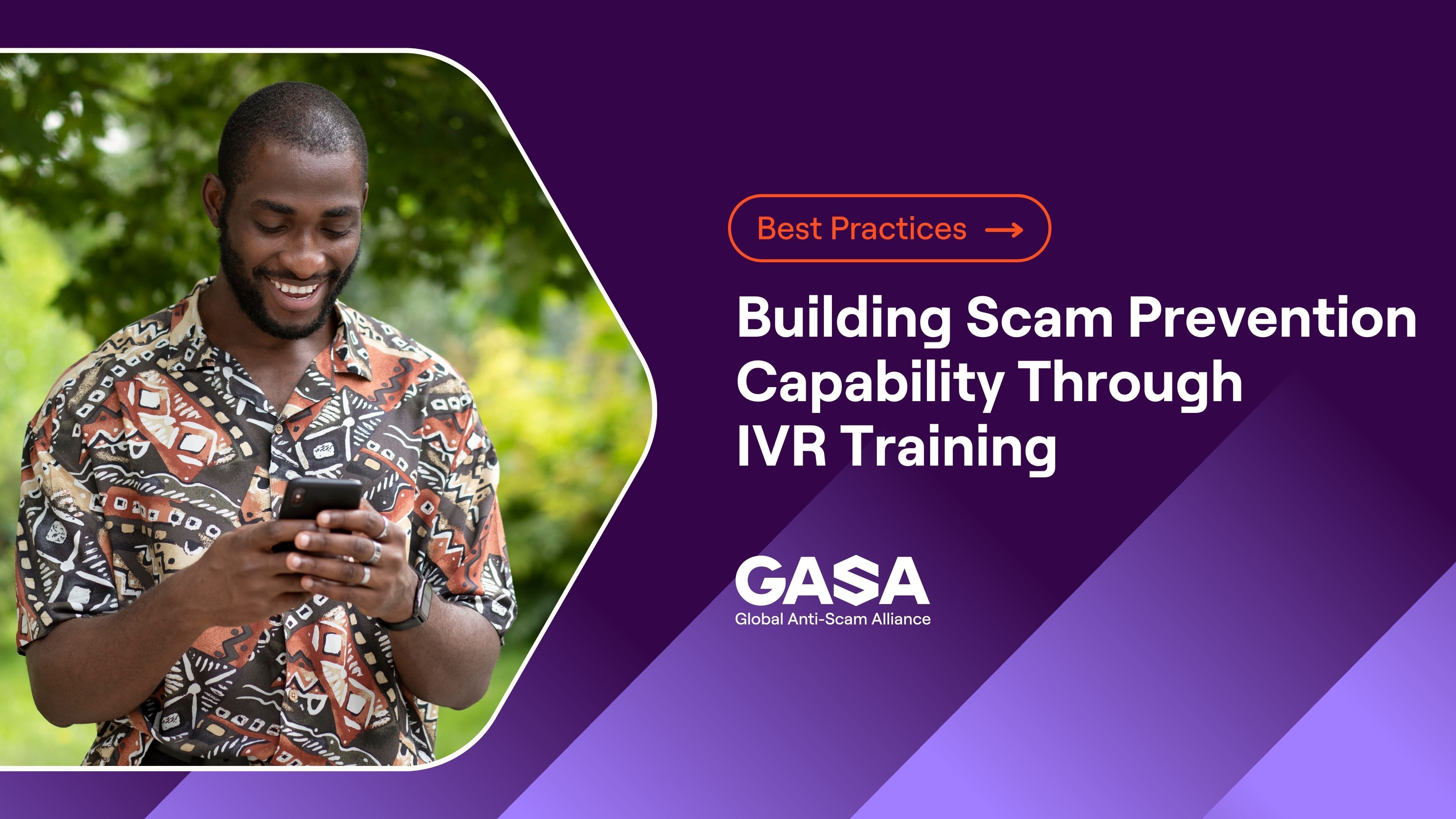
What Uganda’s IVR Trial Shows About Practice-Based Scam Prevention
A Uganda IVR trial shows how practice-based fraud prevention helped mobile money users reduce losses and increase reporting.
FTC’s Never EVER Campaign Helps Prevent Elder Financial Abuse With Simple, Specific Scam Warnings
The FTC’s Never EVER campaign uses simple, specific imposter scam warnings to help prevent elder financial abuse and support coordinated consumer education.
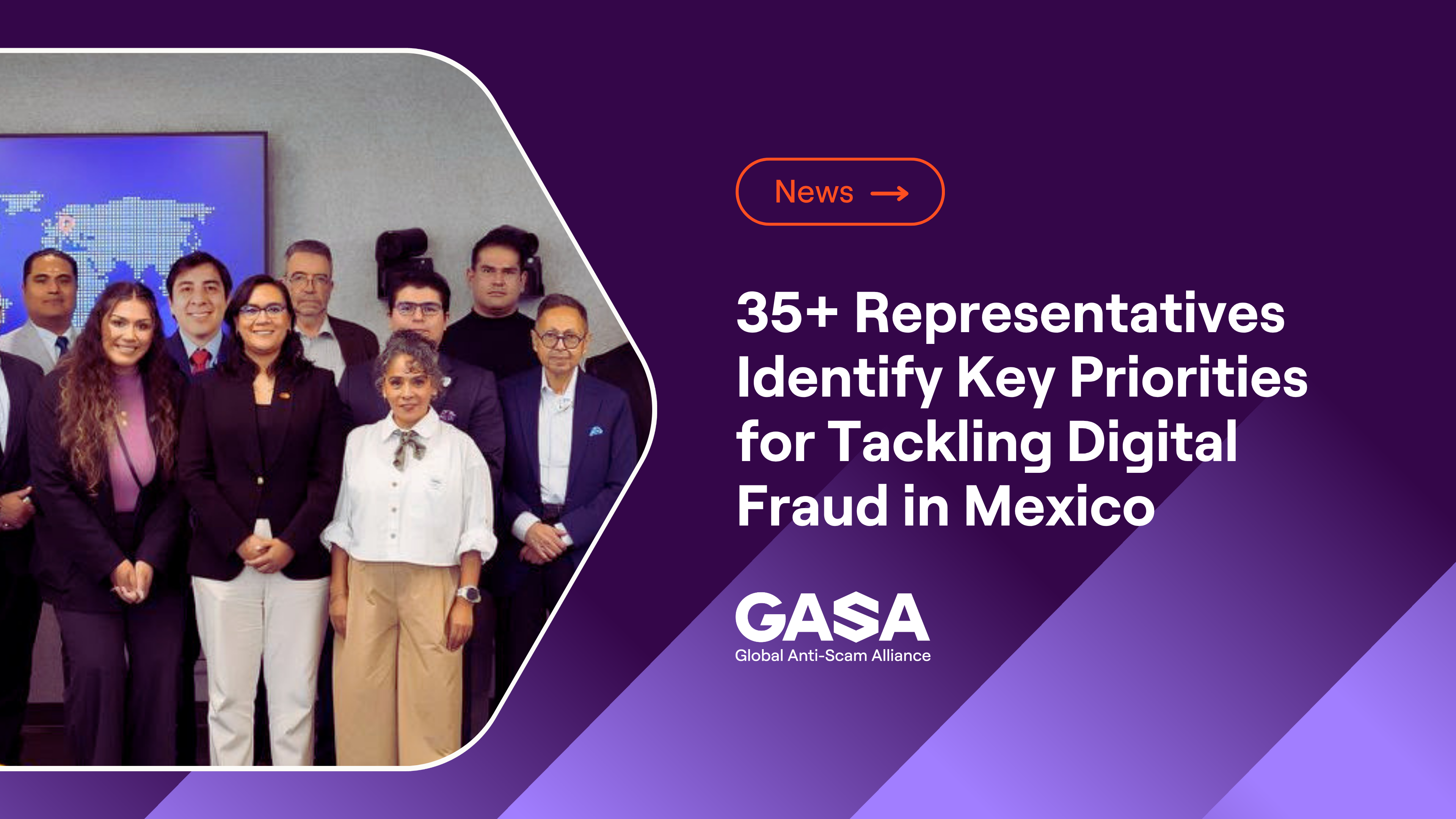
GASA Mexico's Second Roundtable Advances Coordinated Action Against Digital Fraud
GASA Mexico's second roundtable brought together more than 35 representatives to strengthen coordination across cybersecurity, fraud prevention and other sectors.
Cognyte Joins Global Anti-Scam Alliance to Fight Financial Fraud Threats
Cognyte, a global leader in investigative analytics software, today announced its membership in the Global Anti-Scam Alliance (GASA).
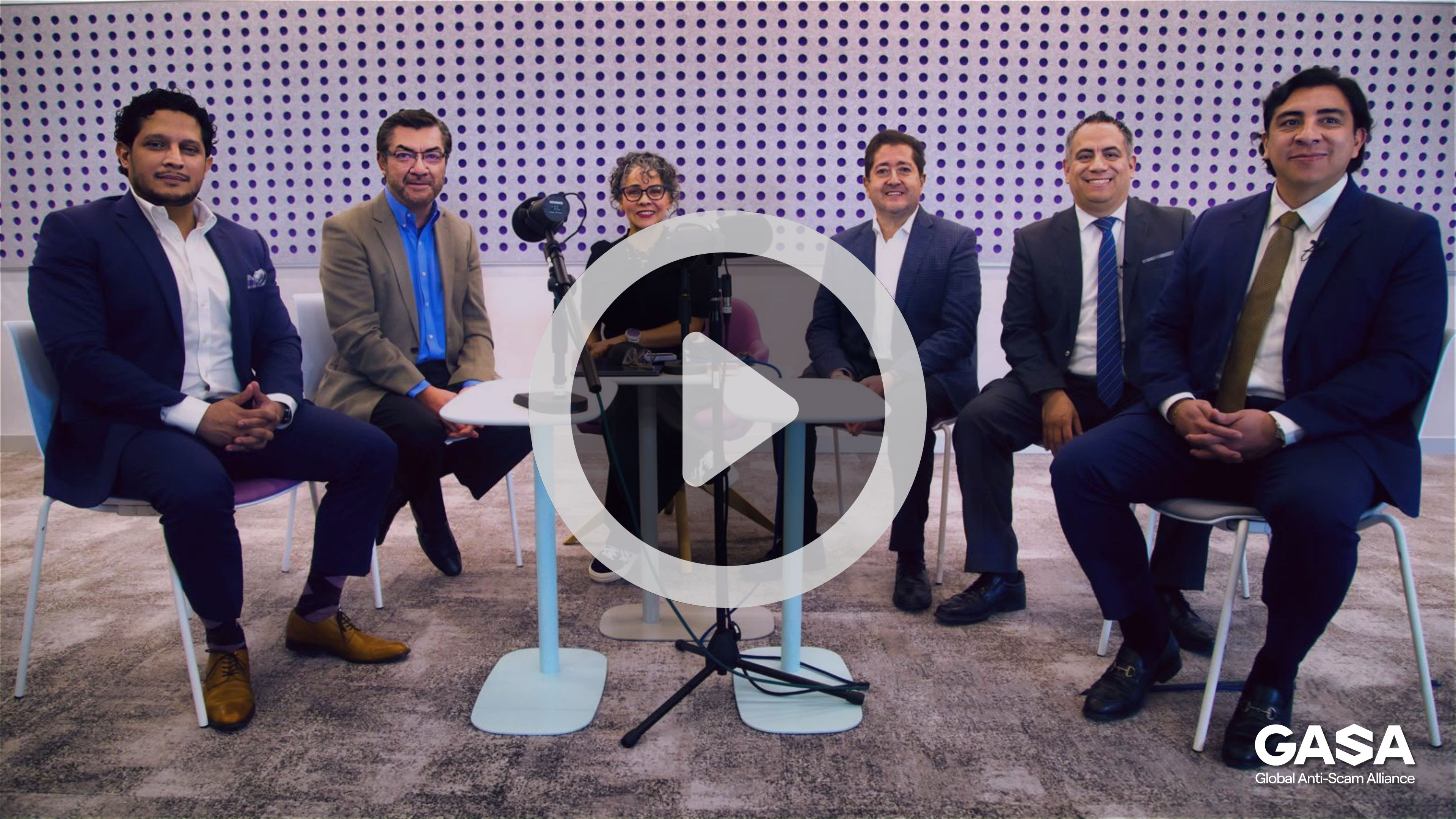
A network is beaten by a network: Mexico's banks move from remediation to prevention
GASA convened the ABM Fraud Committee and Mexican banks to advance the enriched agreement and strengthen coordinated fraud prevention across the sector.